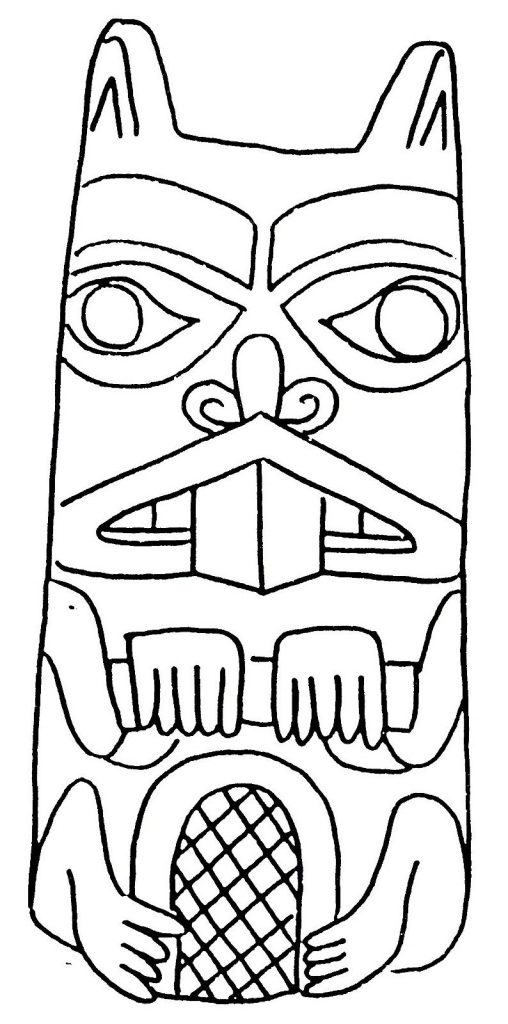
A growing collection of high-resolution coloring sheets — animals, cartoon characters, holidays, and more. Print and enjoy at home or in the classroom.
Explore the CollectionWelcome
Coloring Fun for Every Child
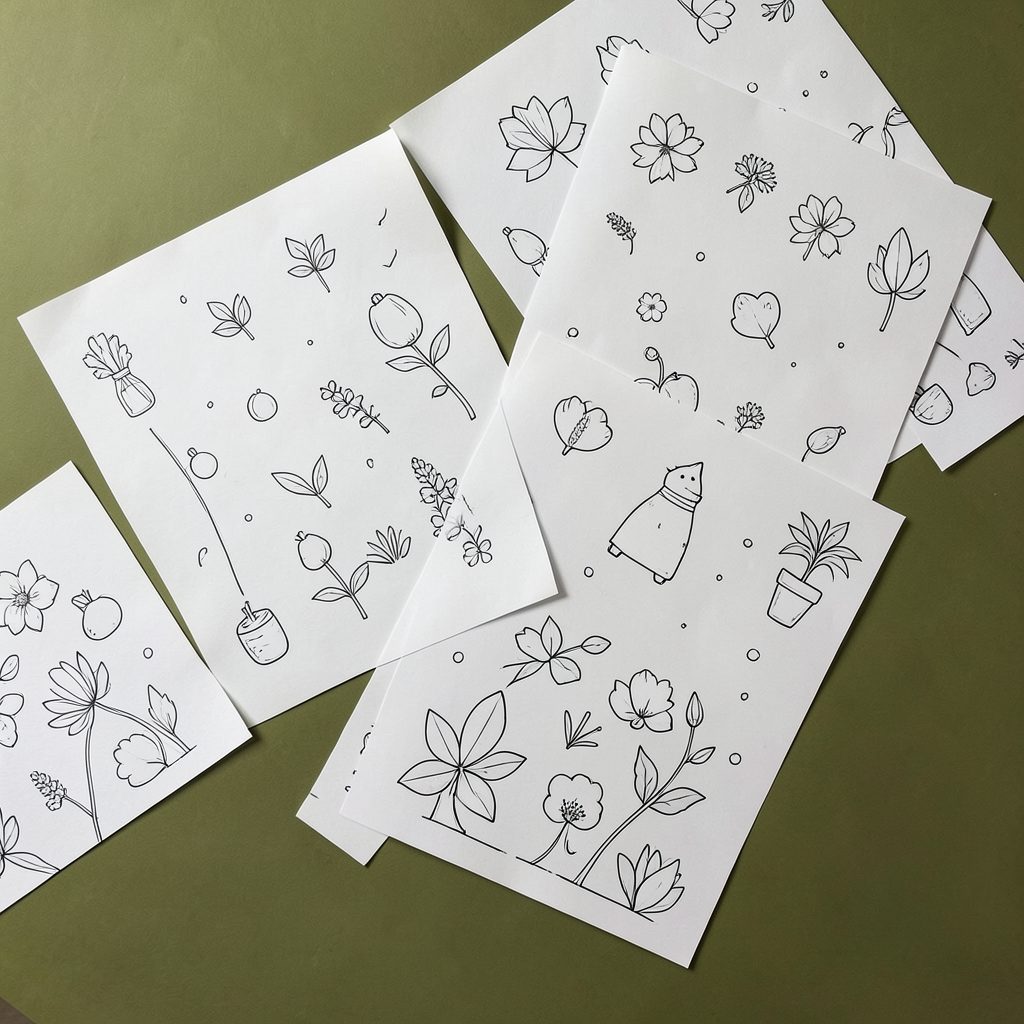
presentcontemporaryart brings together an extensive library of free printable coloring pages. From friendly giraffes and adventure-time characters to seasonal holiday sheets, there is something here to spark every child's creativity. All pages are easy to download and print at high resolution — perfect for rainy afternoons, classroom activities, or quiet time at home.
Animals & Nature
Giraffes, goldfinches, orioles, and woodland creatures — a wide selection of animal coloring pages for young nature lovers.
Cartoon Characters
Adventure Time, Land Before Time, Justin Time, and more beloved characters ready to be brought to life with color.
Holidays & Seasons
Halloween, New Year, and seasonal coloring sheets to celebrate special times throughout the year.
Learning the Alphabet with Animals Through Coloring Pages
Combining art and literacy gives young children a playful way to explore letters. Animal-themed printables turn abstract symbols into pictures children can recognise, colour, and remember. For families in Sydney, Melbourne, Brisbane, and regional communities, these resources provide an accessible, screen-free activity that suits busy weekday routines and weekend downtime.
When a child colours a page featuring a familiar creature, they connect the visual shape of a letter with a meaningful image. Repetition through colouring builds muscle memory and strengthens letter recognition. Australian early learning centres often blend creative play with phonics, and printable sheets make this approach easy to bring into the kitchen table or learning corner at home.
Why Animal-Themed Pages Support Early Literacy
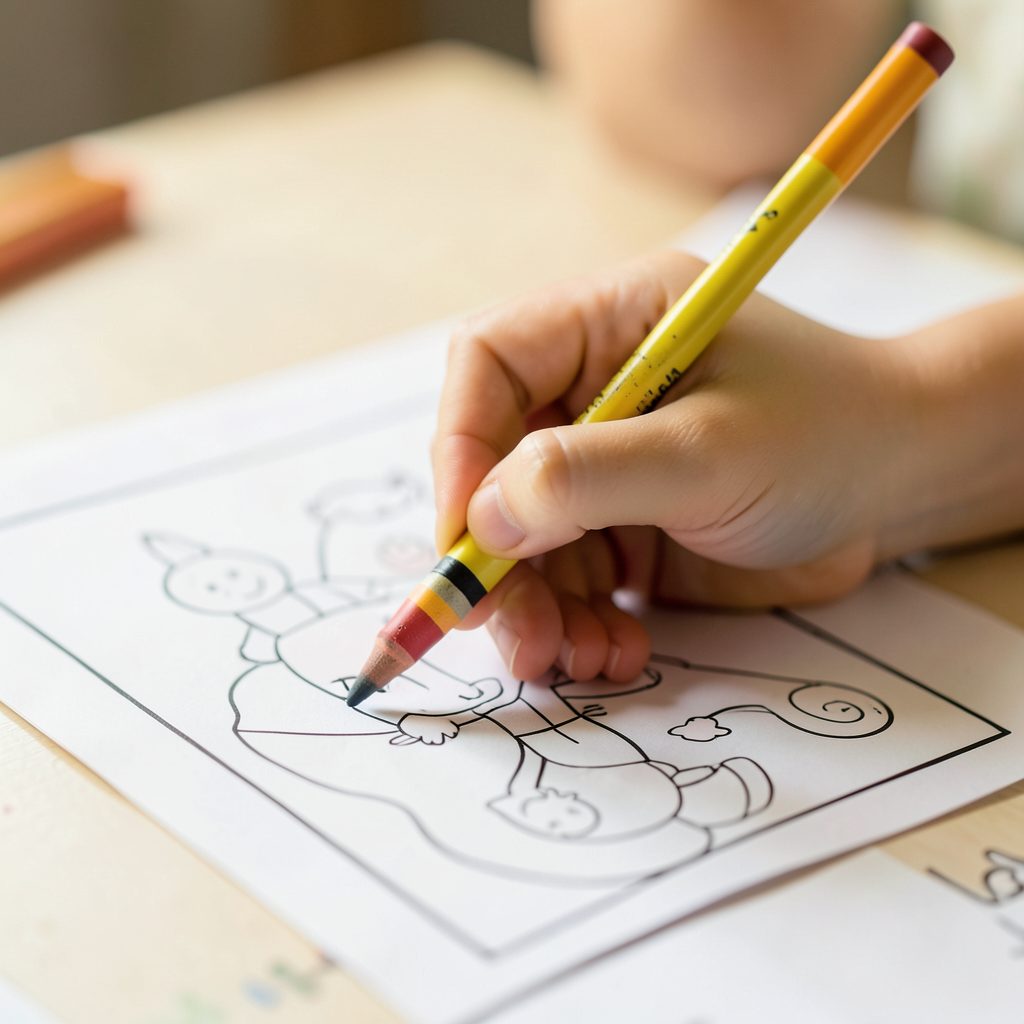
Young learners absorb information through multiple senses, and colouring engages sight, touch, and decision-making at once. Holding a crayon, choosing colours, and staying within lines develops the fine motor control needed for handwriting later on. Animal illustrations give each letter a story, helping children recall the symbol long after the activity ends.
Research on multimodal learning suggests that pairing visuals with letters speeds up recognition in preschool-aged children. A wombat beside the letter W, or a kookaburra next to K, creates a mental hook. This hook proves especially useful for children who struggle with rote memorisation, offering an alternative pathway into literacy that feels like play rather than work.
Australian Wildlife in the ABC Journey
Native animals bring the alphabet closer to children's everyday surroundings. A child in Perth might already know what a quokka looks like, making Q an easy letter to remember. In Adelaide or Hobart, encounters with Tasmanian devils, platypuses, or echidnas can spark conversations that go far beyond the page. These local references turn alphabet practice into a celebration of Australian biodiversity and identity.
For educators looking to extend the lesson into science, resources like animal habitat coloring pages connect letter recognition with environmental awareness. Children can colour a koala in its tree or a fish on a coral reef, linking literacy with geography and conservation. This cross-curricular approach aligns well with the Australian Curriculum's emphasis on integrating subjects in the early years.
Home and Classroom Use Across Australia
Printable alphabet sheets fit naturally into Australian family life. Parents can slip them into a bag for café visits, holiday travel, or quiet time after daycare. In kindergarten and Prep classrooms, teachers use them during station rotations, reinforcing letters introduced during group lessons. The format suits both individual work and small group activities without needing extra technology.
Australia's Early Years Learning Framework (EYLF) highlights play-based learning, and colouring fits comfortably within that approach. Under the National Quality Standard (NQS), approved services are encouraged to provide resources that support communication and language development. Free, printable pages help families and educators meet these goals without added expense, which is particularly valuable in remote or lower-income areas where access to learning materials may be limited.
| Activity Type | Engagement for Young Children | Skills Developed | Cost and Access |
|---|---|---|---|
| Animal alphabet colouring pages | High, especially with familiar creatures | Fine motor, letter recognition, vocabulary | Free, printable at home |
| Letter flashcards | Moderate, quick to use | Letter identification, phonics | Often low-cost or homemade |
| Educational apps | Variable, screen-dependent | Interactive letter practice | Requires device and subscription |
| Picture storybooks | High, but passive | Listening, comprehension, context | Purchase or library access |
| Sand or playdough letter trays | High, tactile | Sensory, letter formation | Minimal supplies needed |
Strengthening Sounds, Shapes, and Vocabulary
Colouring an animal alphabet page opens a door to pronunciation practice. A parent or educator can say the letter name, its sound, and the animal name while the child colours. This triple exposure reinforces phonics in a relaxed setting. Vocabulary expands naturally as children learn new animal names, habitats, and descriptive words along the way.
In bilingual households common across many Australian suburbs, these pages can introduce English letters alongside home languages. Pointing to a kangaroo while saying the letter K helps connect sound, symbol, and meaning regardless of the primary language spoken at home. The visual anchor of the animal gives every learner a reliable reference point.
Practical Tips for Getting the Most from Printables
- Choose pages that match your child's current letter knowledge, starting with a few favourites before expanding the set.
- Say the letter name, its sound, and the animal name aloud while colouring to reinforce phonics.
- Display finished pages on a wall or fridge to celebrate progress and encourage revisits.
- Pair colouring with simple factual chats about the animal's diet, habitat, or movement.
- Use washable markers or crayons to keep the activity stress-free for parents and children.
- Rotate pages weekly so letters stay fresh without overwhelming young learners.
- Combine colouring with songs, rhymes, or alphabet books to strengthen memory through repetition.
Also Discover
A Legacy in Contemporary Art
Beyond coloring pages, presentcontemporaryart has a history as an association of art collectors and patrons — Associazione di Collezionisti e Mecenati. The organization promoted international exhibitions connecting Chinese, Italian, and international artists, with past events in Shanghai and Berlin.


Ready to Start Coloring?
Browse the full collection of free printable coloring pages — all just a click away.
View All Coloring Pages