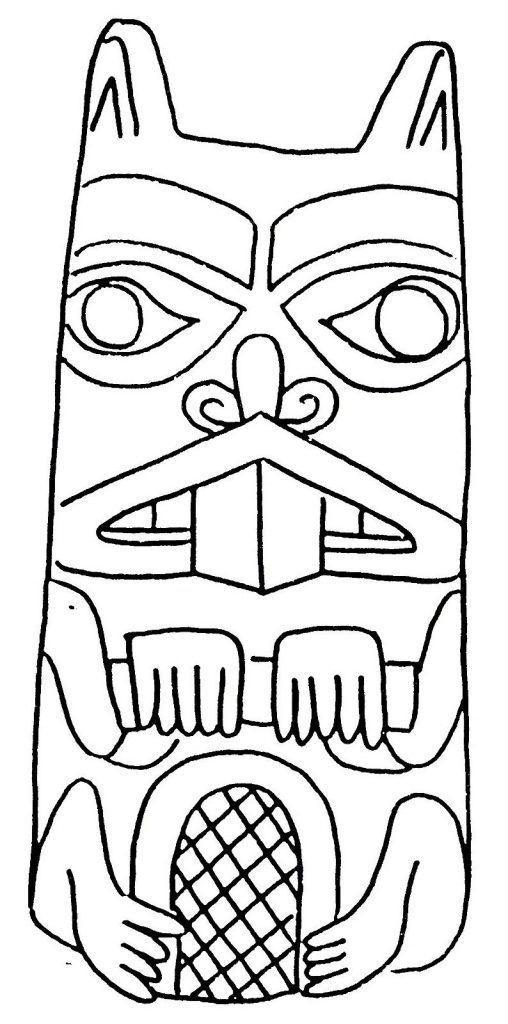
A growing collection of high-resolution coloring sheets — animals, cartoon characters, holidays, and more. Print and enjoy at home or in the classroom.
Explore the CollectionWelcome
Coloring Fun for Every Child
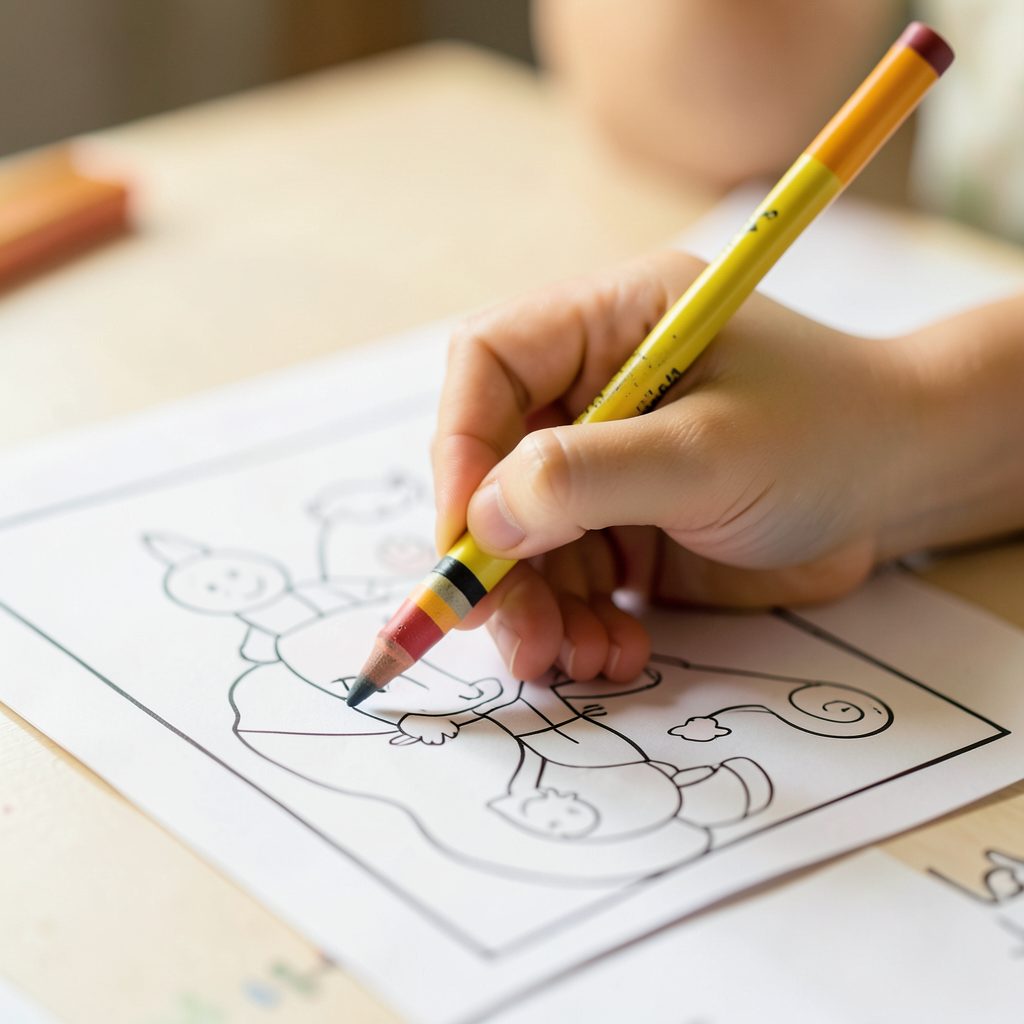
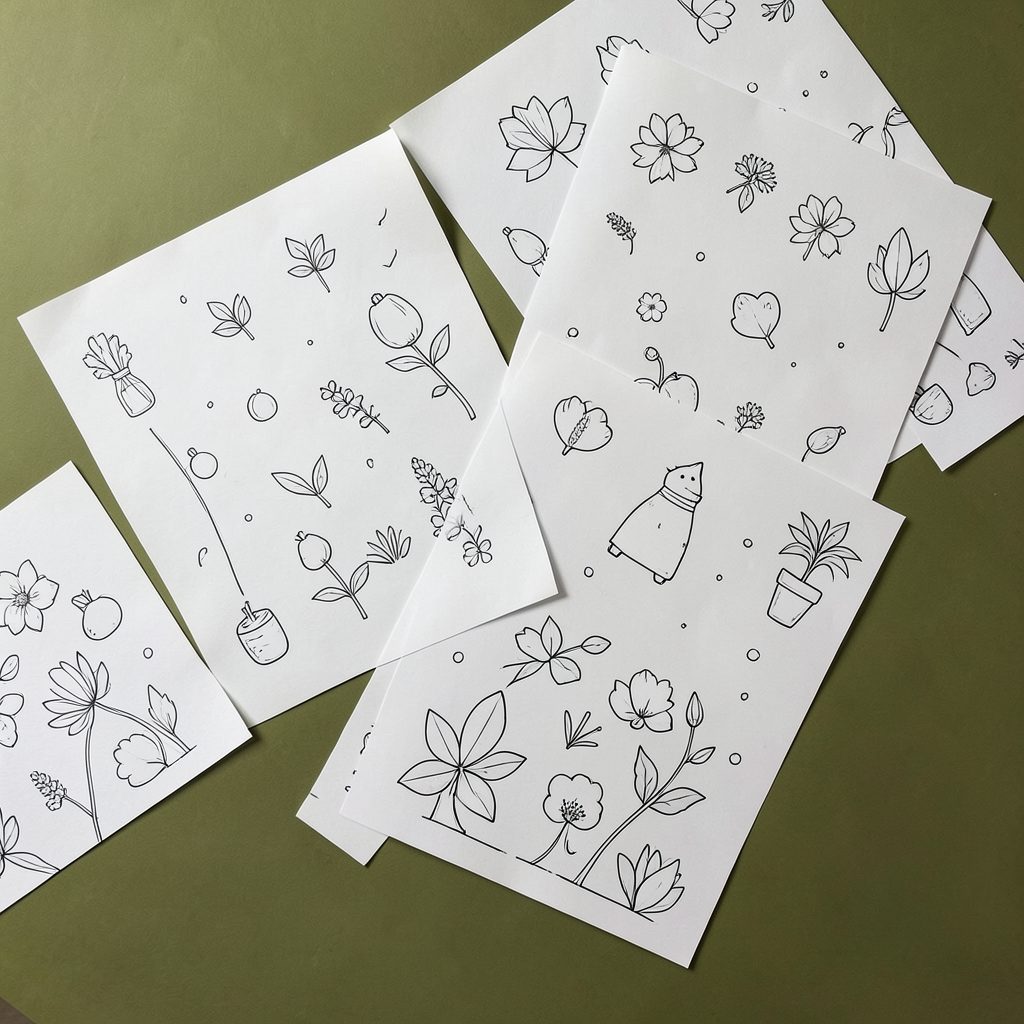
presentcontemporaryart brings together an extensive library of free printable coloring pages. From friendly giraffes and adventure-time characters to seasonal holiday sheets, there is something here to spark every child's creativity. All pages are easy to download and print at high resolution — perfect for rainy afternoons, classroom activities, or quiet time at home.
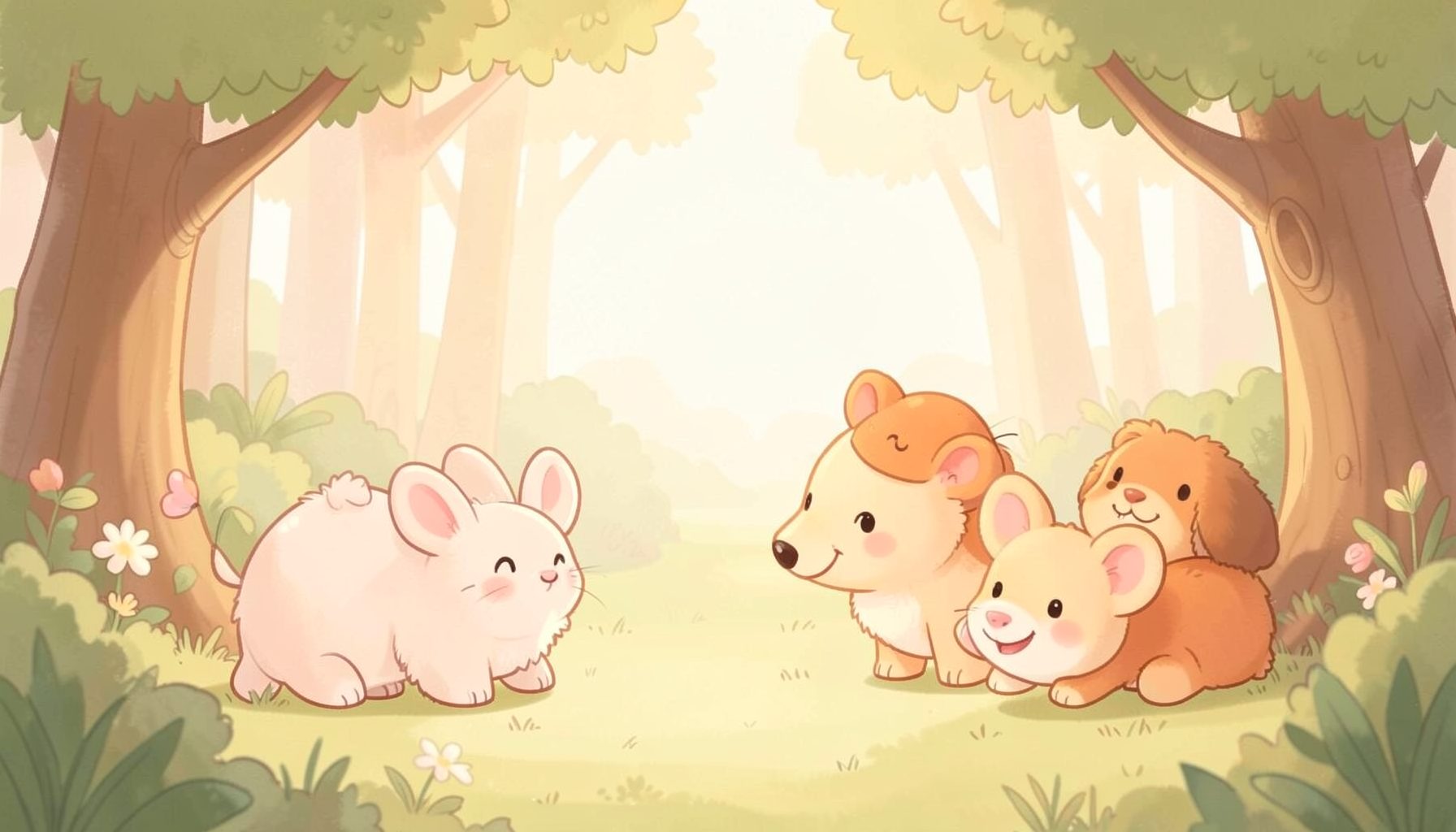
Animals & Nature
Giraffes, goldfinches, orioles, and woodland creatures — a wide selection of animal coloring pages for young nature lovers.
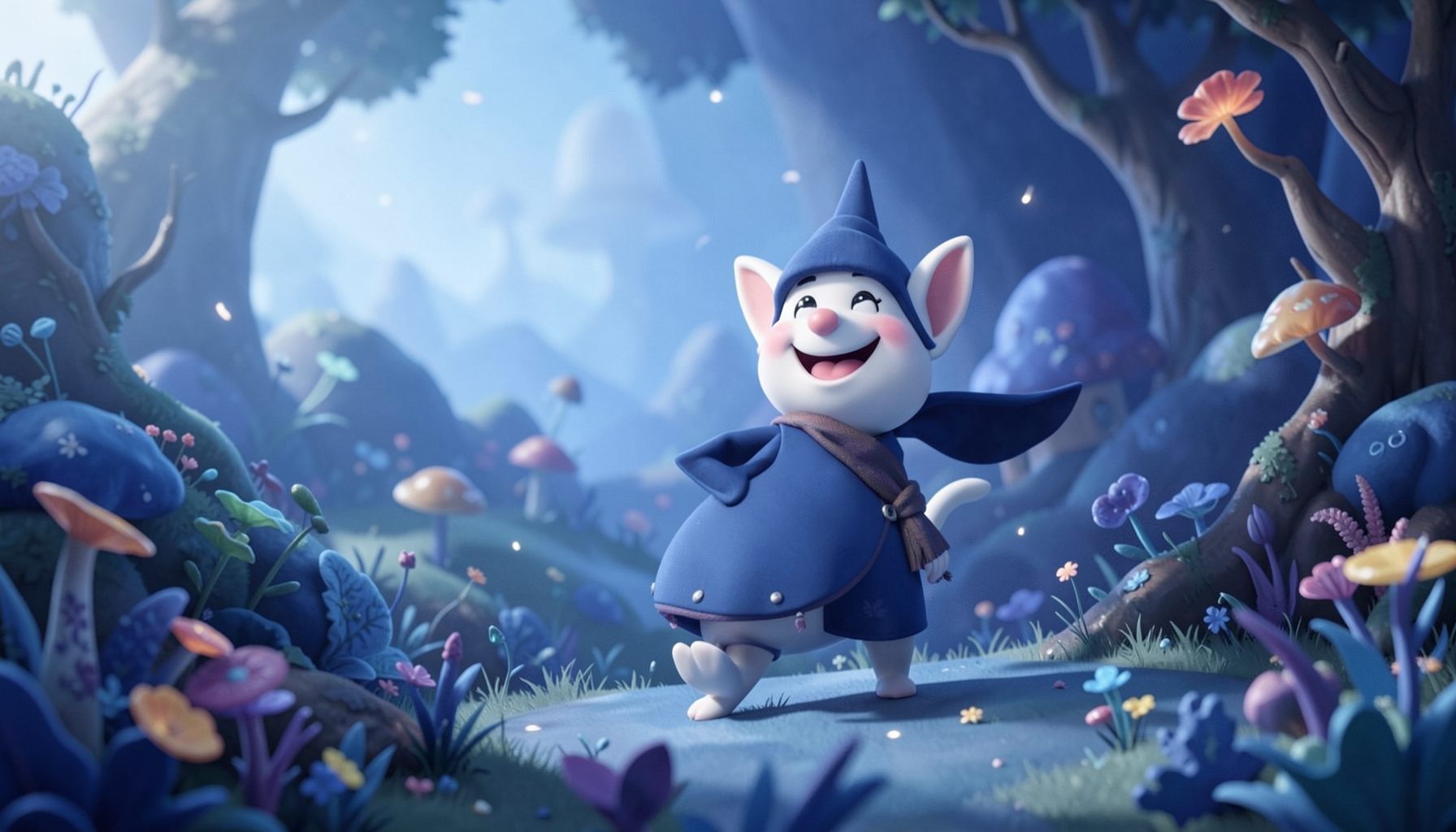
Cartoon Characters
Adventure Time, Land Before Time, Justin Time, and more beloved characters ready to be brought to life with color.
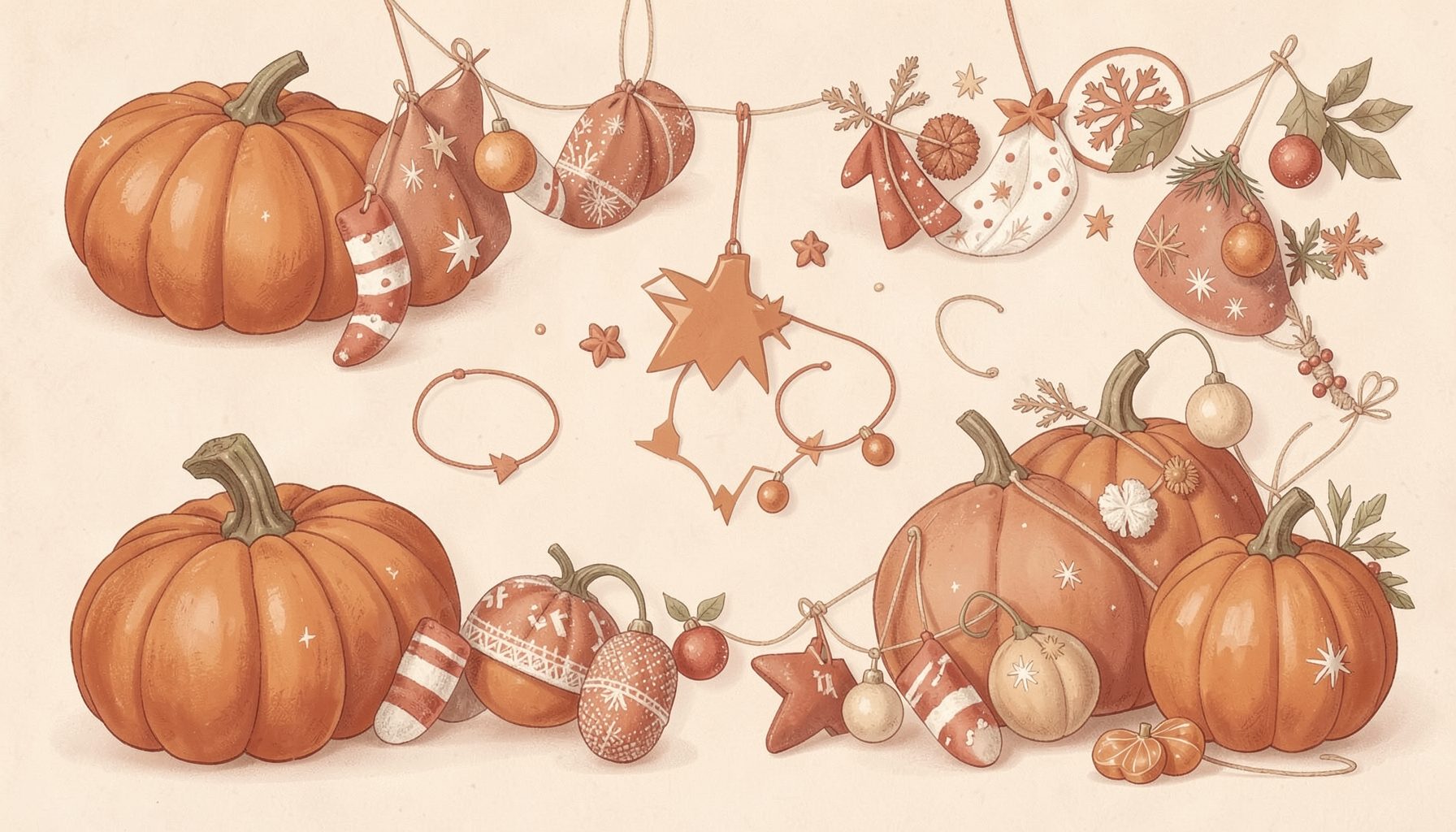
Holidays & Seasons
Halloween, New Year, and seasonal coloring sheets to celebrate special times throughout the year.
Coloring Pages for Learning about Animal Habitats
Animal habitats can feel abstract to young learners. A forest, pond, desert, or polar region becomes easier to understand when children connect each environment with the animals, plants, weather, and shelter found there. Coloring gives them a quiet, hands-on way to explore these relationships.
Habitat-themed coloring activities support science vocabulary, observation skills, and creative expression at the same time. As children fill in an illustration, adults can introduce words such as camouflage, migration, burrow, canopy, wetland, and adaptation.
A useful collection of printable coloring pages makes this learning easy to bring into a home lesson, classroom center, library activity, or rainy-day project. The pages can become the starting point for conversations, drawing prompts, and simple research.
Connecting animals with their environments
Begin with a basic idea: every animal needs food, water, shelter, and space. Ask children to look closely at a coloring sheet and identify which parts of the picture meet those needs. A rabbit may use grass for food and a burrow for shelter, while a frog depends on water and nearby plants.
Younger children can match animals to habitat pictures using familiar examples. Older students can explain why a polar bear would struggle in a rainforest or why a camel has features that help it survive in a dry desert. This turns coloring into a simple lesson about environmental adaptation.
Exploring forest and woodland habitats
Forest coloring pages offer plenty of visual details for discussion. Children can identify tree trunks, leaves, mushrooms, nests, fallen logs, and layers of vegetation. These details help explain why forests provide many different homes within one larger ecosystem.
Invite children to color the forest canopy, forest floor, and understory in distinct shades. Then have them place animals in the areas where they are most likely to live. An owl may rest in a tree, a deer may move through open woodland, and insects may hide beneath bark or leaves.
Discovering aquatic and wetland life
Ponds, rivers, lakes, and wetlands are excellent subjects for animal habitat activities because they contain both land and water. Coloring sheets can feature frogs, fish, ducks, turtles, dragonflies, reeds, and lily pads, giving children many objects to identify.
Use the picture to explain how clean water supports living things. Children can draw arrows showing where an animal finds food, lays eggs, or escapes danger. A short discussion about pollution and litter can also introduce the idea that people share responsibility for protecting habitats.
Comparing habitats at a glance
A comparison activity helps children see how climate and geography influence animal life. After coloring several scenes, they can observe differences in temperature, plant growth, available water, and natural shelter.
| Habitat | Animals to feature | Important clues | Learning prompt |
|---|---|---|---|
| Forest | Bear, fox, owl, deer | Trees, leaves, logs | Which animals live above the ground? |
| Desert | Camel, lizard, scorpion | Sand, rocks, cacti | How do animals cope with little water? |
| Ocean | Whale, dolphin, octopus | Waves, coral, seaweed | What helps animals move underwater? |
| Arctic | Polar bear, seal, penguin | Ice, snow, cold water | How do animals stay warm? |
| Wetland | Frog, heron, turtle | Ponds, reeds, mud | Why is shallow water useful? |
Children can compare two completed pictures and write or dictate three differences. This exercise builds classification skills while reinforcing terms such as climate, shelter, vegetation, and food source.
Turning coloring into a science activity
Color choices can encourage observation rather than restrict creativity. Explain that animals may have natural colors that help them blend into their surroundings, but allow children to make imaginative choices too. Afterward, they can create a second version using realistic colors.
Add labels to the page for body parts and habitat features. A child might mark a frog’s webbed feet, a bird’s nest, or a cactus’s spines. These labels transform an ordinary printable into a personalized study sheet that can be reviewed later.
For a group activity, assign each child one animal and ask them to present its habitat to the class. They can describe what it eats, where it sleeps, how it moves, and what danger it may face. Even a short presentation builds confidence and scientific communication.
Making habitat lessons memorable
A small set of related pages can become a complete learning station. Pair an animal coloring sheet with a habitat background, a matching card, or a short nonfiction book. Children can cut out finished animals and place them in the correct environment on a large poster.
- Invite children to circle the animal’s food, water source, and shelter.
- Use colored pencils to show warm, cool, dry, and wet parts of a scene.
- Add a simple word bank with terms such as nest, burrow, reef, den, and camouflage.
- Ask children to draw one adaptation that is missing from the original illustration.
- Display finished pages by habitat and compare the groups together.
Seasonal themes can extend the activity. Winter scenes may lead to conversations about hibernation and migration, while spring pages can introduce nesting, newborn animals, and plant growth. This keeps environmental learning connected to what children observe around them.
Bring the lesson beyond the page
Coloring pages for learning about animal habitats work best when they lead to questions, movement, and close observation. After finishing a picture, children can search for signs of wildlife outdoors, build a pretend shelter, sort toy animals by environment, or create a habitat collage from recycled materials.
Choose a habitat, print a few related illustrations, and turn them into a focused learning session today. With drawing materials and a little conversation, children can discover how animals depend on the living world around them.
Also Discover
A Legacy in Contemporary Art
Beyond coloring pages, presentcontemporaryart has a history as an association of art collectors and patrons — Associazione di Collezionisti e Mecenati. The organization promoted international exhibitions connecting Chinese, Italian, and international artists, with past events in Shanghai and Berlin.


Ready to Start Coloring?
Browse the full collection of free printable coloring pages — all just a click away.
View All Coloring Pages