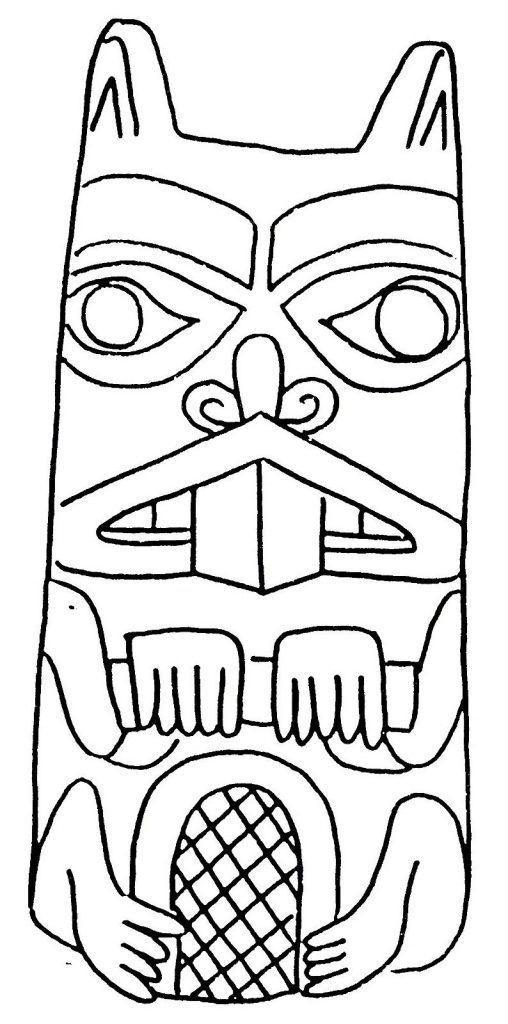
A growing collection of high-resolution coloring sheets — animals, cartoon characters, holidays, and more. Print and enjoy at home or in the classroom.
Explore the CollectionWelcome
Coloring Fun for Every Child
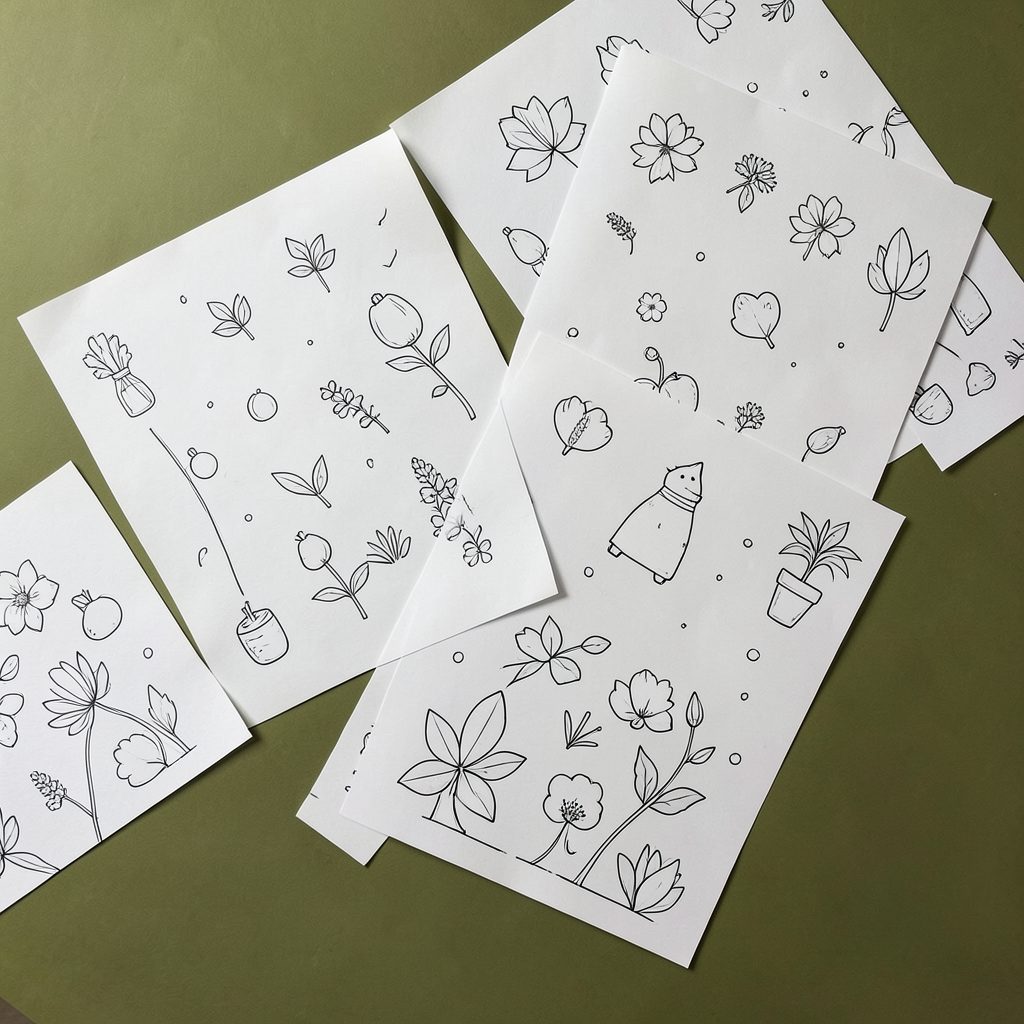
presentcontemporaryart brings together an extensive library of free printable coloring pages. From friendly giraffes and adventure-time characters to seasonal holiday sheets, there is something here to spark every child's creativity. All pages are easy to download and print at high resolution — perfect for rainy afternoons, classroom activities, or quiet time at home.
Animals & Nature
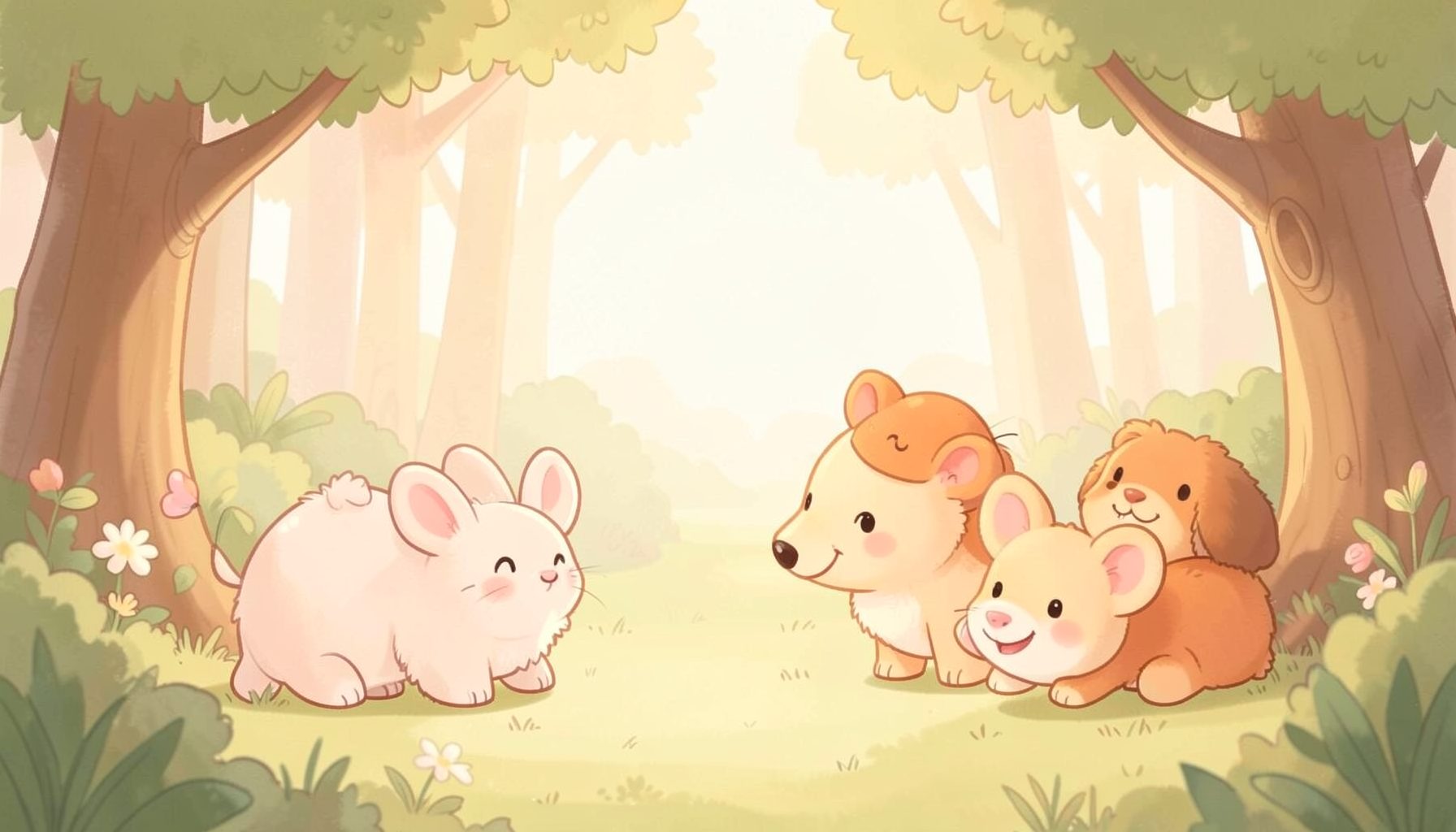
Giraffes, goldfinches, orioles, and woodland creatures — a wide selection of animal coloring pages for young nature lovers.

Cartoon Characters
Adventure Time, Land Before Time, Justin Time, and more beloved characters ready to be brought to life with color.
Holidays & Seasons
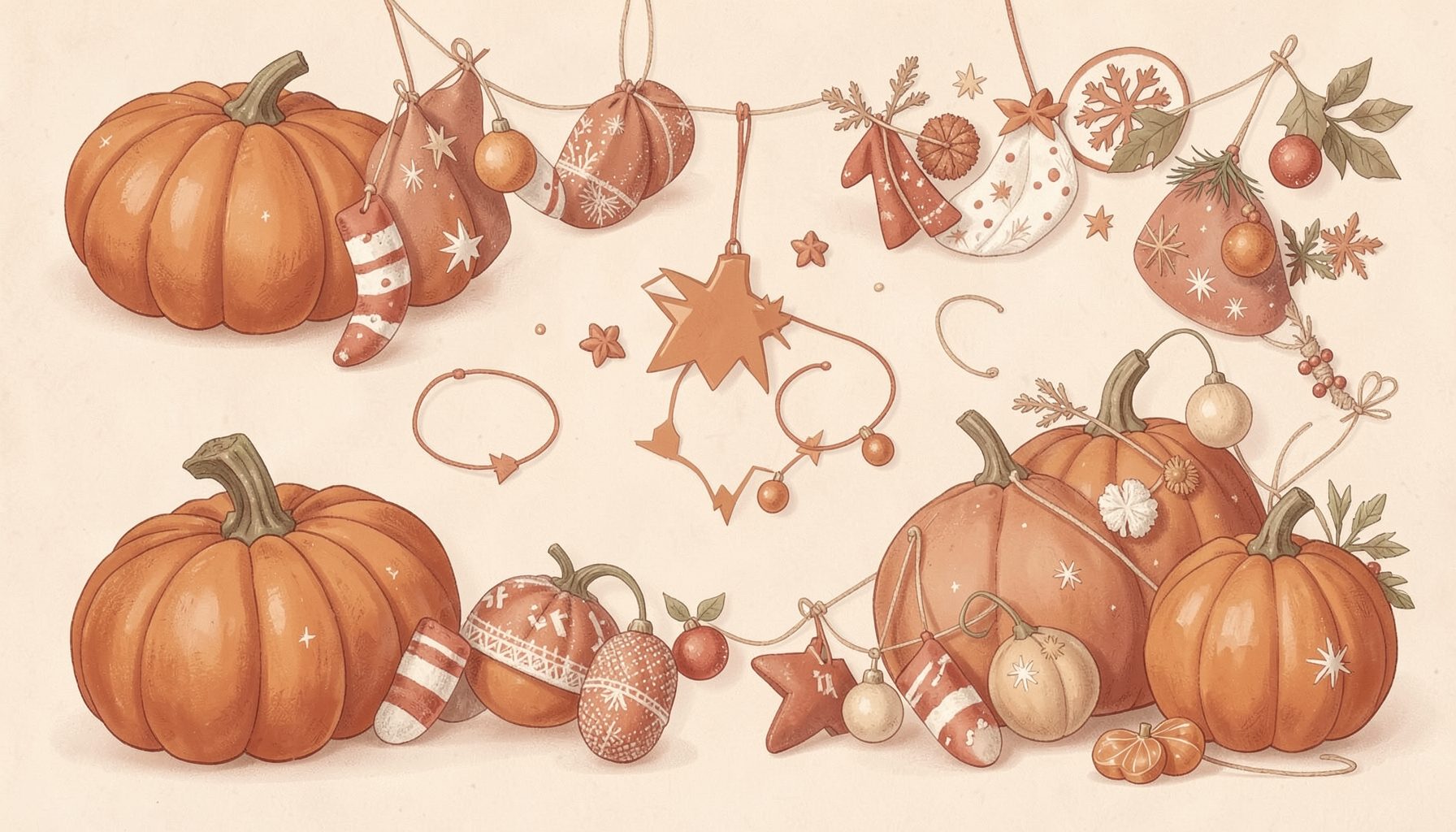
Halloween, New Year, and seasonal coloring sheets to celebrate special times throughout the year.
How coloring supports children’s fine motor development
Coloring may look like a simple pastime, but it gives children regular practice with the small, controlled movements needed for writing, drawing, dressing, and handling classroom tools. Each stroke asks the hands and eyes to work together with increasing accuracy.
As children fill spaces, follow outlines, and choose how to move a crayon or pencil, they strengthen hand muscles while developing coordination. The activity is flexible enough for toddlers, preschoolers, and school-age children, with each age group gaining different benefits from the same creative experience.
Printable coloring sheets also make practice easy to repeat. Parents and teachers can offer animal scenes, nature pictures, cartoon characters, sports designs, and seasonal themes so children remain interested while building dexterity through enjoyable repetition.
Why small movements matter
Fine motor skills involve the precise movements of the fingers, hands, and wrists. Children use these abilities when they pinch a pencil, turn a page, fasten a button, use scissors, or place small objects accurately. Strong fine motor control supports independence as well as early academic skills.
Coloring encourages children to adjust the direction, speed, and pressure of each movement. A broad crayon stroke may require less control, while tracing a narrow edge demands slower, more deliberate action. This natural progression helps children discover how their hands respond to different tasks.
How coloring builds hand control
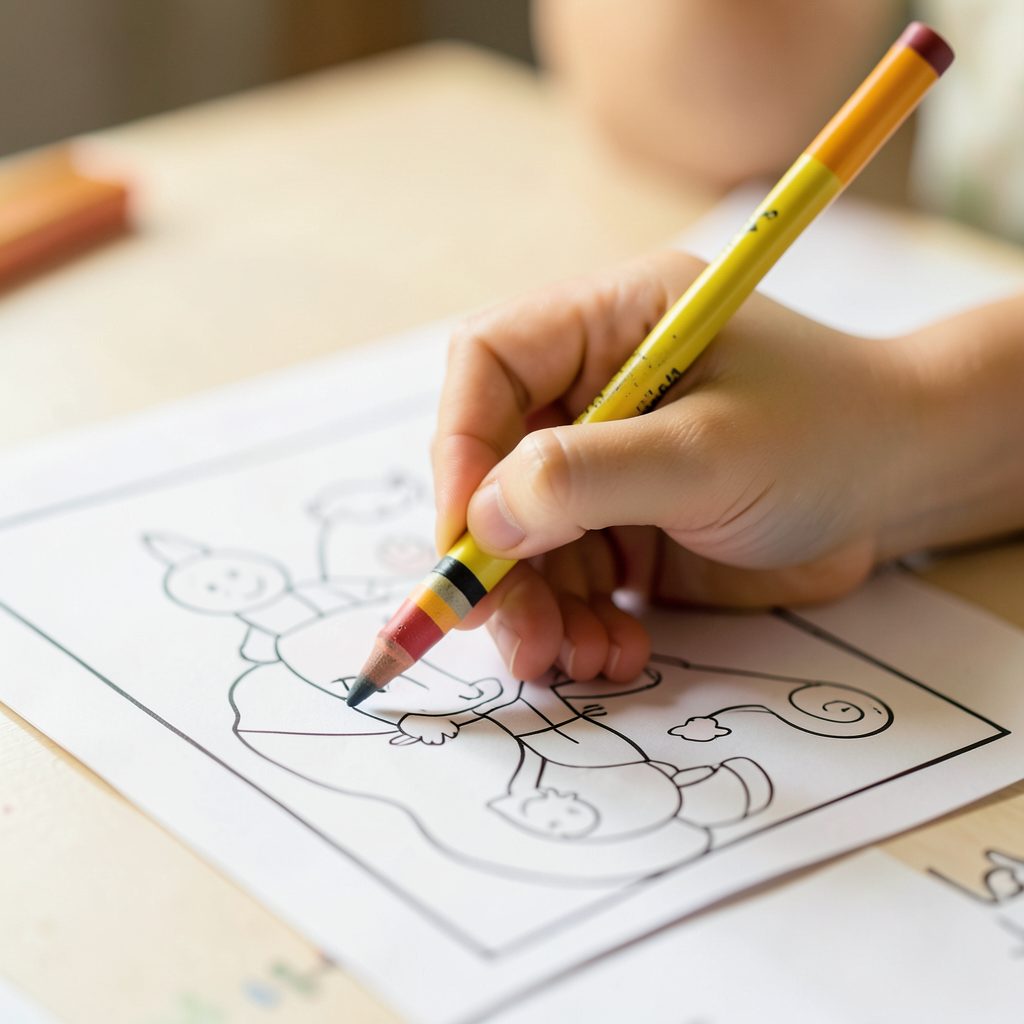
Holding a crayon or colored pencil develops the grasp patterns children later use for handwriting. At first, a child may hold a tool with the whole hand. With practice, the fingers begin to take a more active role, allowing greater control over short lines, curves, and changes in direction.
The wrist and forearm also become involved. Children learn to stabilize the page with one hand while moving the coloring tool with the other, an important example of bilateral coordination. This teamwork between both hands supports cutting, handwriting, opening containers, and many everyday activities.
Families can find a wide range of printable coloring pages for repeated practice without registration or special materials. Familiar subjects can make children more willing to spend time refining their movements.
Connecting vision and movement
Coloring strengthens hand-eye coordination because children constantly compare what they see with what their hands are doing. They may aim for a particular section, stop at a boundary, or return to a missed area. These visual decisions encourage concentration and spatial awareness.
Staying inside the lines is not the only measure of success. Early attempts may include broad marks beyond the outline, while later work often shows improved accuracy. The important development comes from controlling movement, noticing results, and adjusting technique during the activity.
Color choices add another layer of planning. A child may decide which areas to complete first, match colors to a real animal, or create an imaginative scene. These choices combine visual attention, memory, and motor planning in one manageable task.
Features that make a page useful
A good coloring sheet should match the child’s current ability. Large, clearly defined sections are suitable for beginners because they allow successful crayon movements without requiring extreme precision. Smaller details can be introduced as control improves.
| Page feature | Skill it can support | Suitable use |
|---|---|---|
| Large open spaces | Whole-hand control and basic grasp | Early coloring practice |
| Bold outlines | Visual tracking and boundary awareness | Preschool activities |
| Medium-sized details | Finger precision and direction changes | Developing pencil control |
| Intricate patterns | Patience, accuracy, and sustained attention | Older children |
| Familiar themes | Motivation and independent choice | Home or classroom use |
Paper quality and tool choice also influence the experience. Thicker paper can reduce frustration from tearing, while crayons are often easier for beginners to control than thin pencils. Markers may provide strong color, though adult supervision is useful with younger children.
Ways to make practice engaging
Children develop skills more readily when coloring feels purposeful rather than like a test. Keep sessions relaxed, praise effort, and allow children to choose subjects or colors. A few focused minutes can be more productive than a long activity that causes fatigue.
Try these simple approaches:
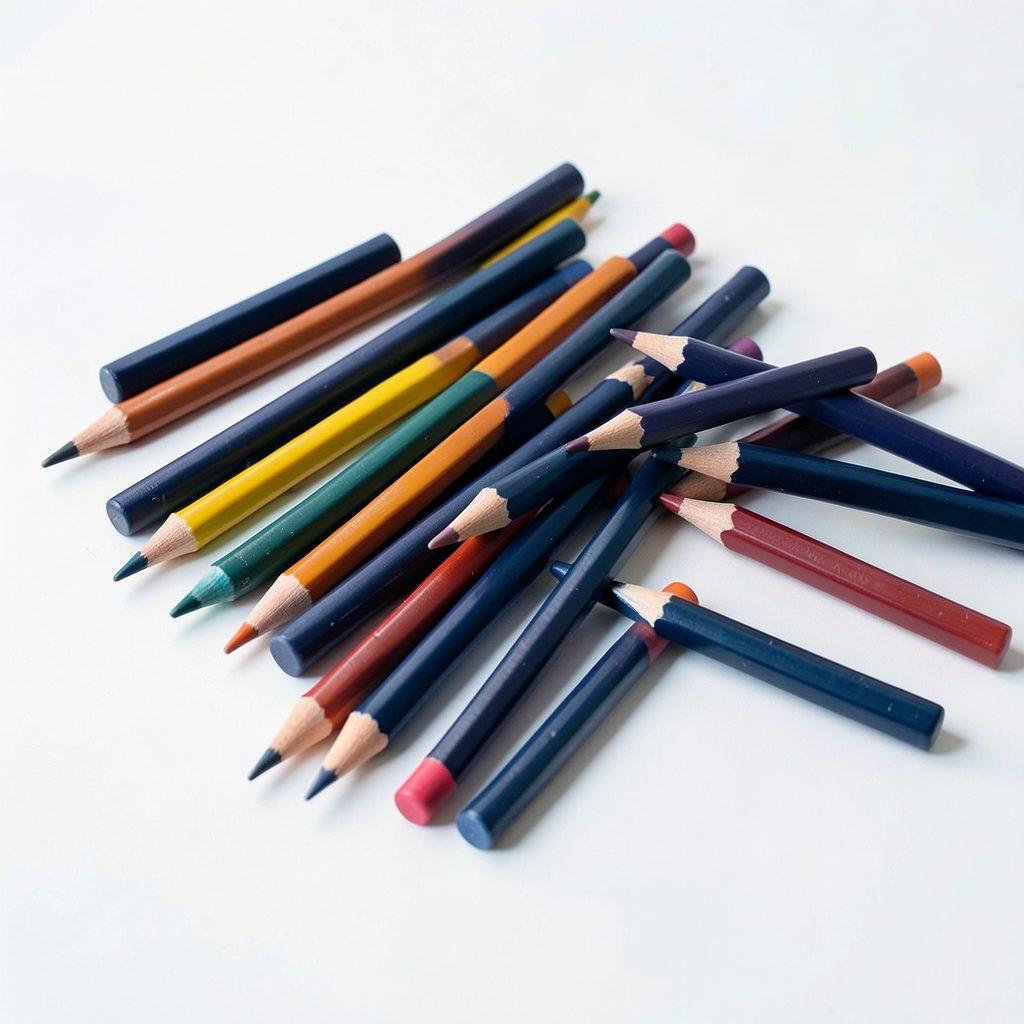
- Offer thick crayons or triangular pencils to support a comfortable grasp.
- Encourage children to stabilize the page with their non-dominant hand.
- Invite slow outlining before filling larger spaces with color.
- Rotate animal, nature, holiday, sports, and seasonal designs to maintain interest.
- Display finished work to reinforce confidence and motivation.
Adults can also model useful language without taking control. Words such as “short,” “curved,” “gentle,” and “around the edge” help children notice movement qualities. Avoid correcting every mark; children benefit from experimenting and developing their own control.
From coloring practice to everyday skills
The hand strength and coordination developed through coloring can transfer to other activities. Children may find it easier to form letters, manipulate building pieces, complete puzzles, use utensils, or manage clothing fasteners. Coloring does not replace handwriting practice, but it prepares the physical foundation that handwriting requires.
The activity can also support attention and persistence. Completing a picture involves staying with a task, making decisions, and adapting when a mark does not go as planned. These habits contribute to classroom readiness and confidence with new challenges.
For the best results, offer coloring regularly alongside playdough, drawing, threading, safe cutting, and construction activities. Different tasks challenge the hands in different ways, creating a broader fine motor routine.
Print a selection of free designs, provide a few comfortable coloring tools, and let children begin at their own pace. With consistent opportunities to draw, shade, trace, and experiment, creative play becomes a practical way to strengthen the small movements children use every day.
Also Discover
A Legacy in Contemporary Art
Beyond coloring pages, presentcontemporaryart has a history as an association of art collectors and patrons — Associazione di Collezionisti e Mecenati. The organization promoted international exhibitions connecting Chinese, Italian, and international artists, with past events in Shanghai and Berlin.



Ready to Start Coloring?
Browse the full collection of free printable coloring pages — all just a click away.
View All Coloring Pages