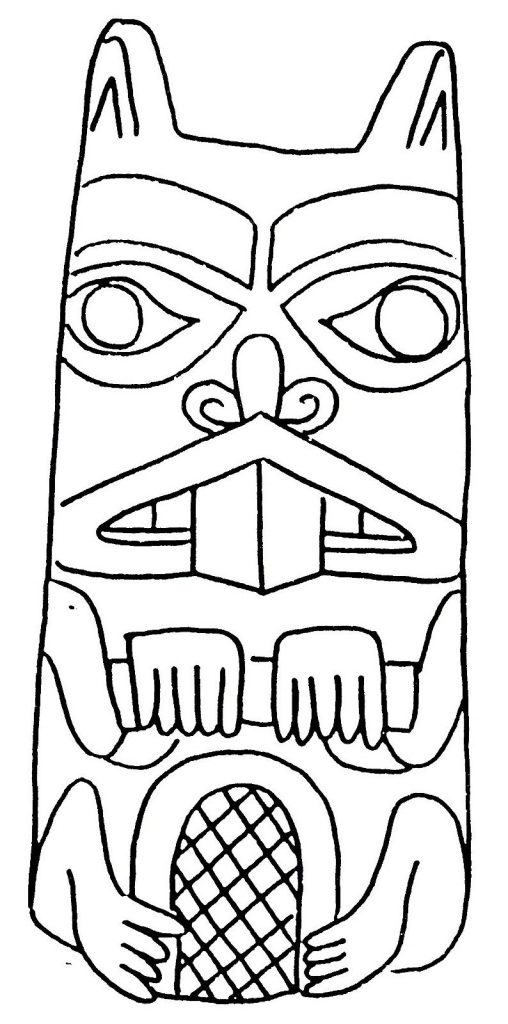
A growing collection of high-resolution coloring sheets — animals, cartoon characters, holidays, and more. Print and enjoy at home or in the classroom.
Explore the CollectionWelcome
Coloring Fun for Every Child
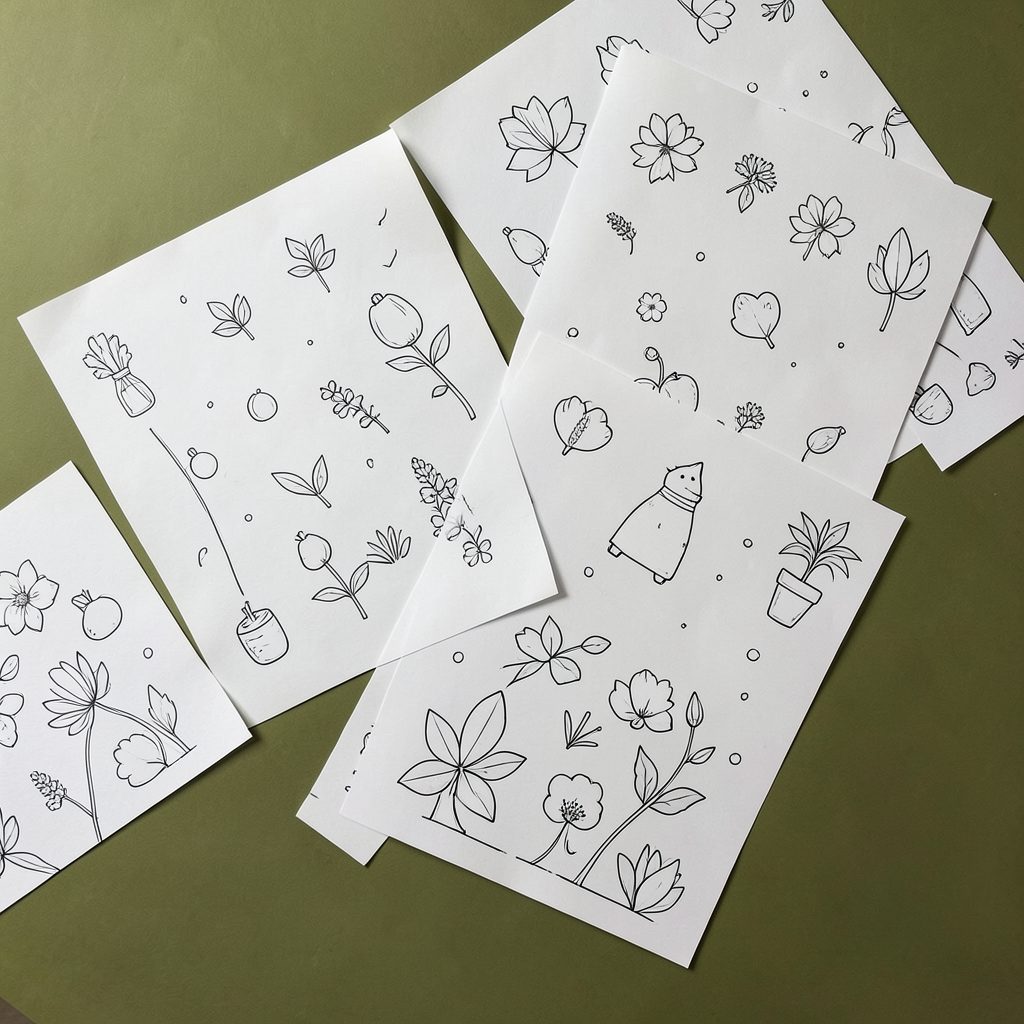
presentcontemporaryart brings together an extensive library of free printable coloring pages. From friendly giraffes and adventure-time characters to seasonal holiday sheets, there is something here to spark every child's creativity. All pages are easy to download and print at high resolution — perfect for rainy afternoons, classroom activities, or quiet time at home.
Animals & Nature
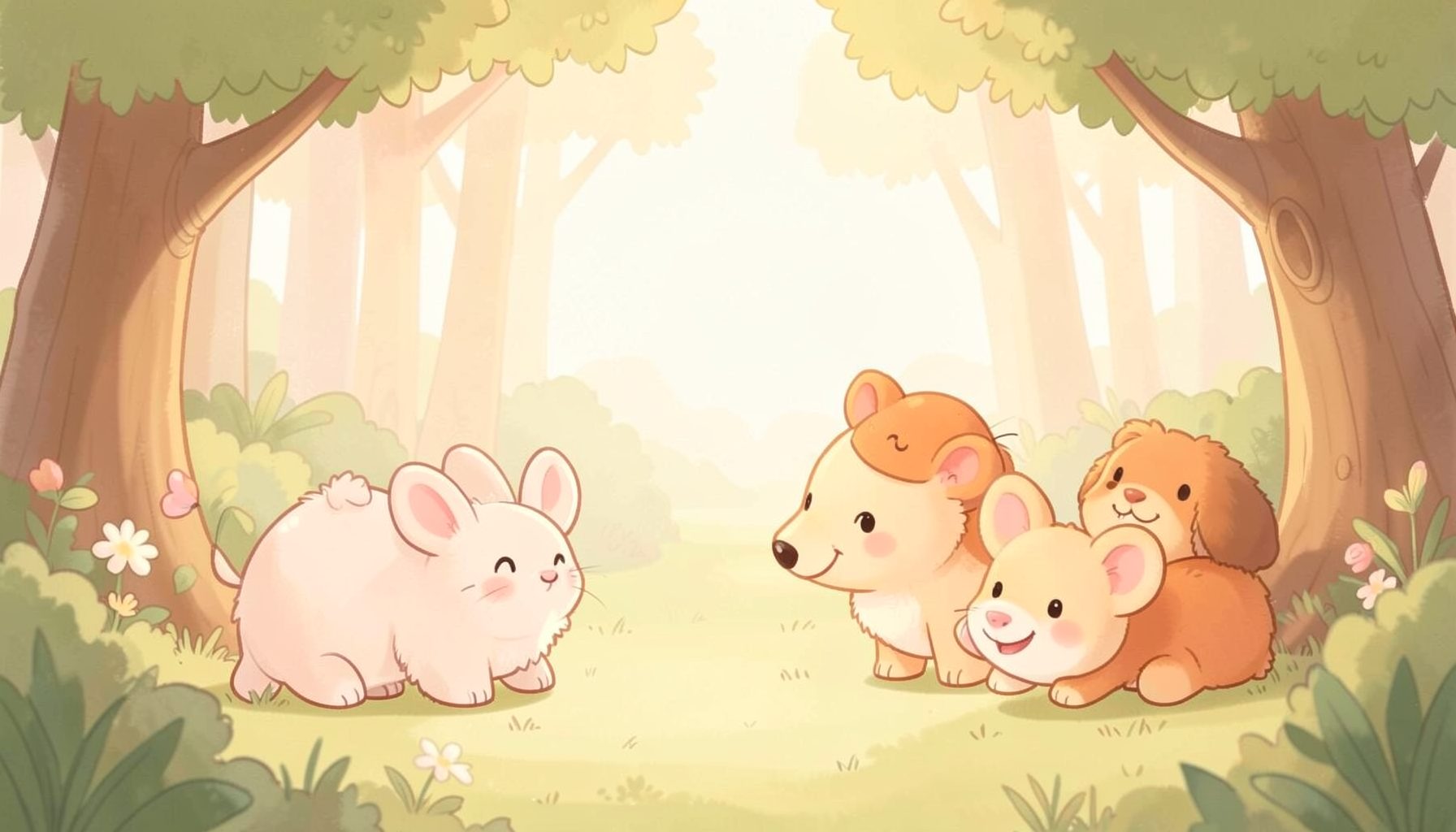
Giraffes, goldfinches, orioles, and woodland creatures — a wide selection of animal coloring pages for young nature lovers.

Cartoon Characters
Adventure Time, Land Before Time, Justin Time, and more beloved characters ready to be brought to life with color.
Holidays & Seasons
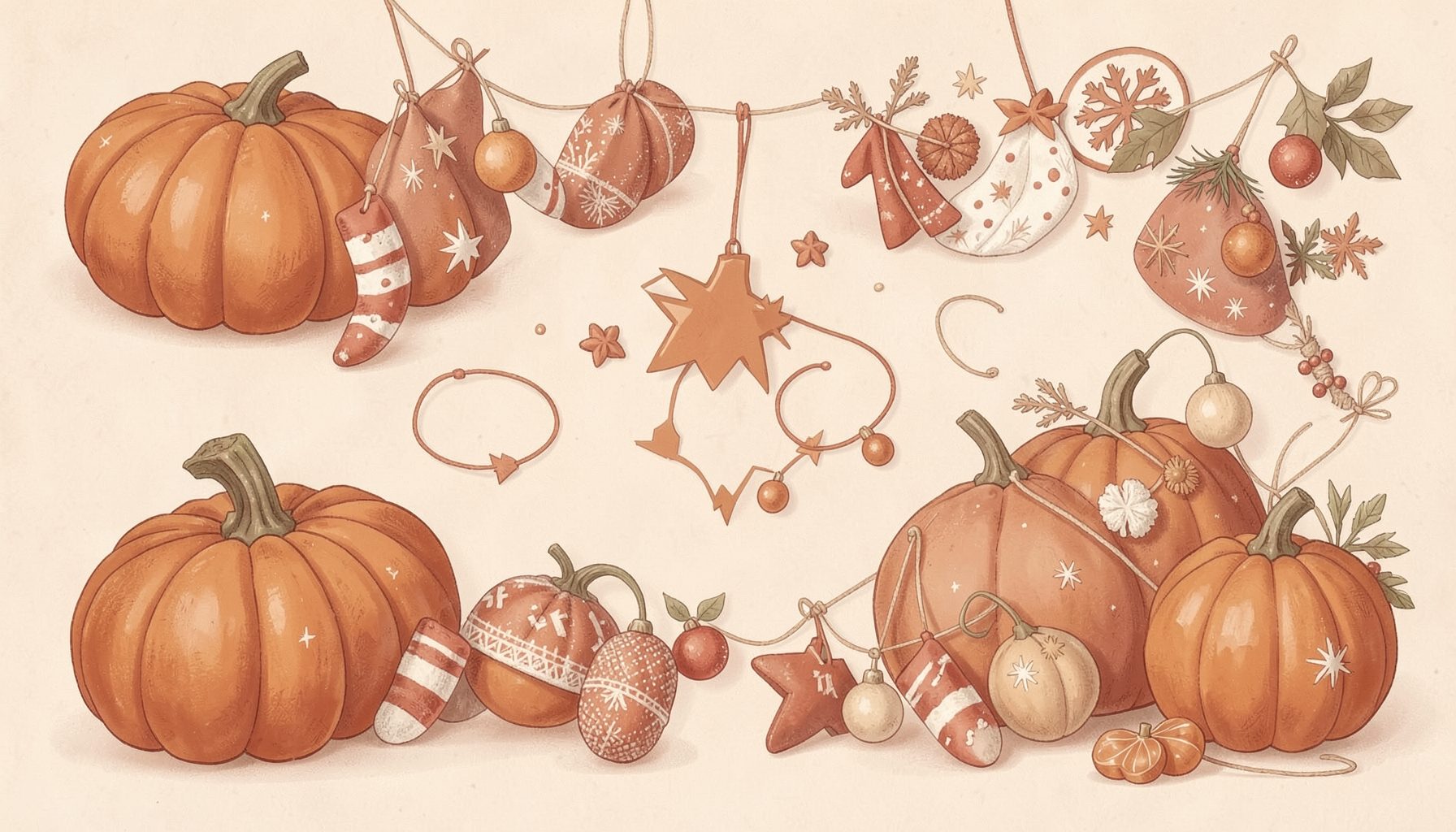
Halloween, New Year, and seasonal coloring sheets to celebrate special times throughout the year.
Printable Volcano and Earthquake Coloring Pages for Earth Science
Earth science becomes easier to understand when children can see, colour and discuss what happens beneath their feet. Volcano and earthquake colouring sheets turn complex ideas such as tectonic plates, magma, faults and seismic waves into approachable classroom activities.
Printable pages are useful for primary school lessons, rainy-day activities and relaxed learning at home. Children can add colour to a labelled volcano cross-section, identify an earthquake’s focus and epicentre, or decorate a scene showing how scientists monitor Earth’s changing surface.
Australia has its own earth science stories to explore. The volcanic landscapes around Mount Gambier, the Victorian Newer Volcanics Province and earthquake history in Newcastle and Tennant Creek show that these topics are relevant beyond famous overseas eruptions.
The pages on Present Contemporary Art are free to download and print without registration. Families, teachers and libraries can use them with pencils, crayons or markers, including on standard A4 paper commonly used with home and school printers.
| Page type | Main idea | Suitable activity |
|---|---|---|
| Volcano diagram | Magma, vent, crater and lava flow | Label and colour a cross-section |
| Eruption scene | Ash, lava and volcanic gases | Discuss observation and safety |
| Earthquake diagram | Focus, epicentre and fault line | Match terms to features |
| Tectonic plate page | Moving plates and boundaries | Use arrows to show movement |
| Emergency scene | Preparedness and community response | Create a safety checklist |
Why Earth Science Colouring Works
Colouring gives children time to examine a picture carefully. They can follow the path of magma through a volcano, compare the underground focus with the surface epicentre, and notice that an earthquake is caused by movement in the Earth rather than by a volcano in every case.
The activity also supports vocabulary development. Words such as crust, mantle, fault, tremor, eruption, ash cloud and tectonic plate become easier to remember when children connect them with a visual image and a short explanation.
Learning About Australian Landscapes
Australia is often described as geologically stable, yet earthquakes still occur. The 1989 Newcastle earthquake affected buildings and infrastructure, while the 1988 Tennant Creek earthquakes were among the strongest recorded on the Australian mainland. These examples help explain why earthquake science matters in Australian communities.
Volcanic features can be found in several parts of the country. Mount Gambier in South Australia is known for its volcanic crater lakes, while western Victoria contains many old volcanic cones and lava formations. A colouring page can introduce these places before a map, photograph or local geography lesson.
Choosing the Right Printable Page
Younger children may benefit from large, simple outlines showing a volcano, lava flow or shaking ground. These pages encourage fine motor skills and provide a chance to name basic features without overwhelming students with technical detail.
Older primary students can use more detailed earth science worksheets. A fault-block illustration, tectonic plate map or earthquake diagram can support short written definitions, labelled arrows and comparisons between slow plate movement and sudden seismic activity.
Simple Classroom Activity Ideas
Begin with a short discussion about what students already know. A teacher might show a volcano page and ask students to colour solid rock differently from molten rock, then explain that magma is below the surface and lava is magma that reaches the surface.
Try these activities with the printable sheets:
- Label the crust, mantle, vent, crater and lava flow.
- Add arrows to show how tectonic plates move.
- Circle objects that should be secured during an earthquake.
- Create a mini glossary beside the finished page.
Colouring can also lead into observation and communication. Students may compare their choices, describe the evidence shown in an illustration and write two facts about a volcanic eruption or seismic event.
For a second activity, use the pages to create a display:
- Place an Australian map beside the artwork.
- Mark Mount Gambier, Newcastle or Tennant Creek.
- Add a sentence explaining each location.
- Display the work during a science or geography unit.
Printing Pages For Home And School
Present Contemporary Art pages can be printed on ordinary A4 paper, which suits many Australian home printers and classroom photocopiers. Black-and-white printing keeps ink costs low and allows children to choose their own colour scheme. Thicker paper may be useful for markers, paint or collage materials.
Families often use printable activities during school holidays, after-school quiet time or wet weekends in cities such as Melbourne, Sydney and Brisbane. Teachers can place a small collection in a relief-teacher folder, science station or early-finisher tray.
Keeping The Science Accurate And Safe
Colouring pages should support accurate explanations. Volcanoes do not all erupt in the same way, earthquakes cannot be predicted precisely in the usual classroom sense, and the size of an illustration does not represent the actual scale of a natural event. Simple captions can prevent common misunderstandings.
Safety discussions should focus on calm preparation rather than frightening images. Children can learn to drop, cover and hold during an earthquake drill, listen to trusted adults and keep away from ash, unstable structures and restricted areas after an eruption. In Australia, teachers should align activities with school policies, local emergency guidance and the Australian Curriculum where appropriate.
For classroom copying and distribution, educators should check the copyright terms attached to each resource and follow the Australian Copyright Act 1968. Free printable access makes these pages convenient, while responsible use helps preserve creative resources for families and schools.
Also Discover
A Legacy in Contemporary Art
Beyond coloring pages, presentcontemporaryart has a history as an association of art collectors and patrons — Associazione di Collezionisti e Mecenati. The organization promoted international exhibitions connecting Chinese, Italian, and international artists, with past events in Shanghai and Berlin.


Ready to Start Coloring?
Browse the full collection of free printable coloring pages — all just a click away.
View All Coloring Pages