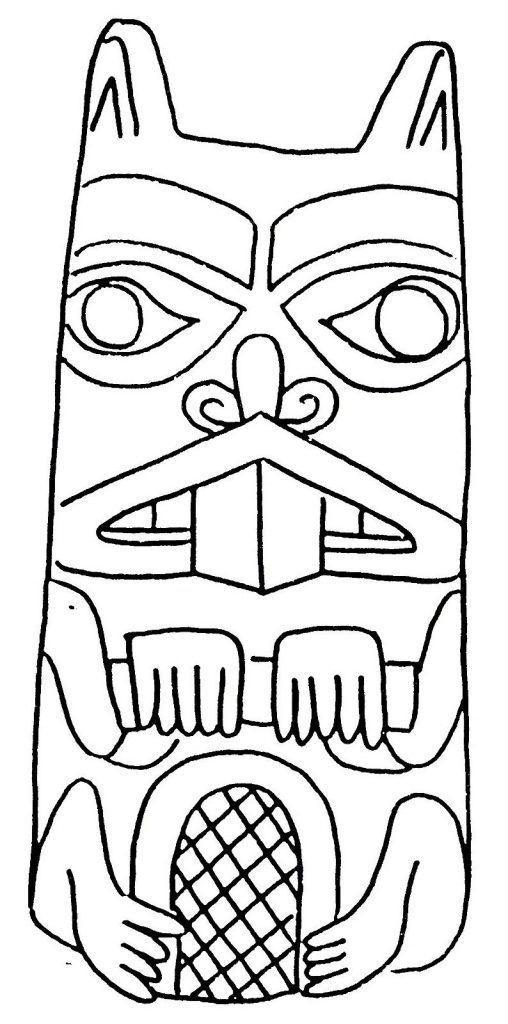
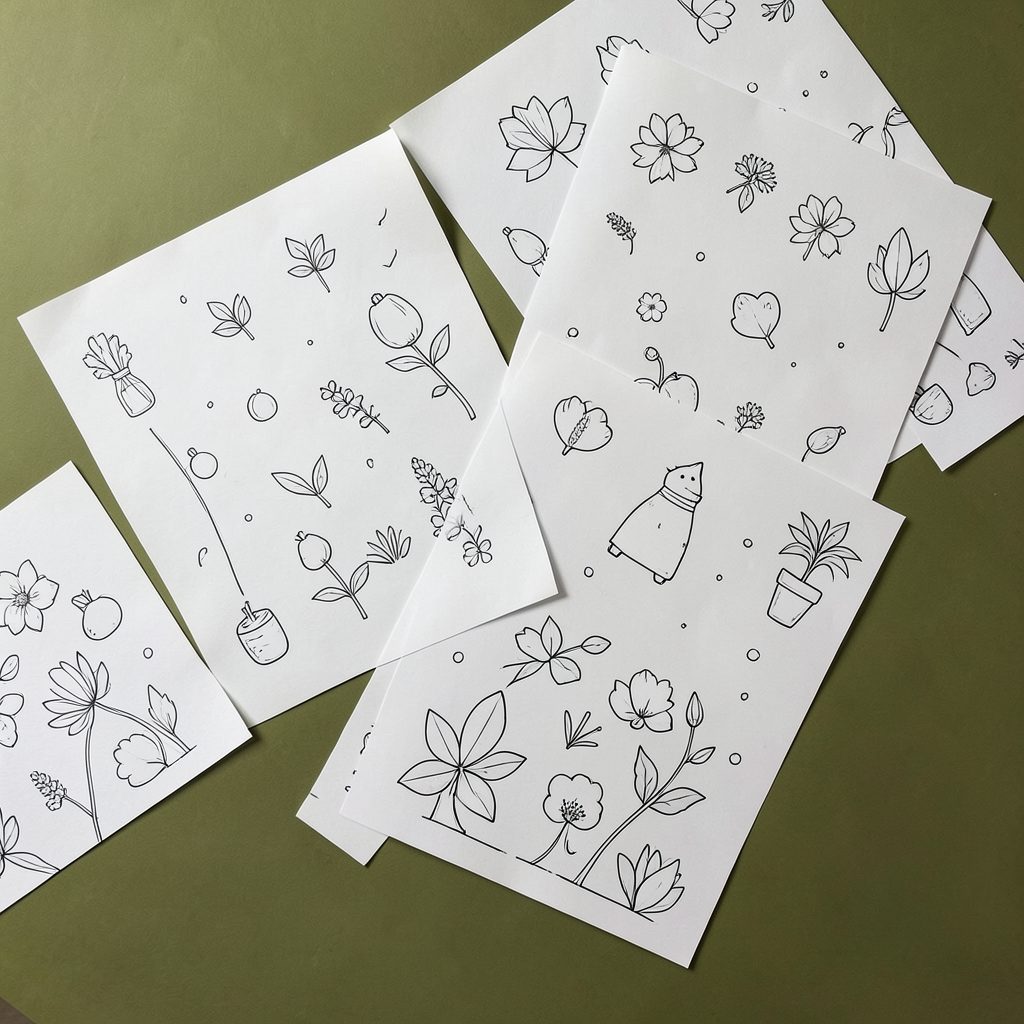
A growing collection of high-resolution coloring sheets — animals, cartoon characters, holidays, and more. Print and enjoy at home or in the classroom.
Explore the CollectionWelcome
Coloring Fun for Every Child
presentcontemporaryart brings together an extensive library of free printable coloring pages. From friendly giraffes and adventure-time characters to seasonal holiday sheets, there is something here to spark every child's creativity. All pages are easy to download and print at high resolution — perfect for rainy afternoons, classroom activities, or quiet time at home.
Animals & Nature
Giraffes, goldfinches, orioles, and woodland creatures — a wide selection of animal coloring pages for young nature lovers.

Cartoon Characters
Adventure Time, Land Before Time, Justin Time, and more beloved characters ready to be brought to life with color.

Holidays & Seasons
Halloween, New Year, and seasonal coloring sheets to celebrate special times throughout the year.
Printable robot and technology colouring pages
Robotics-themed colouring pages give children a chance to explore gears, buttons, cables, robots and futuristic machines without spending time on a screen. The drawings can be simple enough for early colourers while still offering enough detail to spark stories about builders, engineers and helpful inventions.
Present Contemporary Art’s free library makes these printable robot and technology coloring pages easy to use at home, in a classroom or during a creative holiday activity. No registration is needed: choose a design, print it on A4 paper and let the colouring begin.
Find the right robot style
Young children often respond best to rounded robots with large eyes, simple limbs and clearly separated parts. These designs are easier to recognise and colour, while a friendly expression makes the character feel approachable. Picture-book robots with mechanical pets or small helper drones also work well for children who enjoy cartoon-style activities.
Older colourers may prefer realistic machines filled with cables, springs, wheels, screens and scientific instruments. Detailed designs reward careful pencil work and provide more opportunities for shading metallic surfaces or inventing colour schemes for fictional electronics.
Look closer at machines and circuits
A robot illustration can introduce basic mechanical ideas without becoming a formal science lesson. Gears show how parts move together, while bolts, pistons and conveyor belts suggest how a machine might operate. Screens and control panels offer space for children to draw icons, status lights or imaginary app displays.
Printing a page in black and white also creates a useful design brief. Children can decide what each machine does, which controls belong on the panel and what colours would make the invention recognisable. This adds problem-solving and imaginative play to the colouring itself.
Match pages to Australian learning routines
Australian school terms and holiday periods make robot-themed activities useful for both structured learning and informal entertainment. Teachers can introduce a colouring page at the start of a term project, while families can keep a few designs ready for the school holidays. Robotics clubs and coding sessions can also use the sheets to connect hands-on play with classroom technology topics.
Most homes in Sydney, Melbourne and other Australian cities print on standard A4 paper, so a full-page design is usually the simplest option. During Brisbane’s warmer months, an indoor robot activity can provide a screen-free project on an afternoon when outdoor play is less appealing. Australian stationery shops and education marketplaces also stock robot construction kits, printable resources and reusable craft materials for home projects.
Turn each drawing into a creative project
Colouring becomes more engaging when the finished robot has a purpose. Children can give each machine a name, explain the problem it solves and add scenery that shows it at work. A delivery robot might need roads and buildings, while a recycling machine could be placed beside a garden or park.
After colouring, the sheet can be cut out and mounted on recycled cardboard. Moving arms, swinging panels or removable controls can be made with split pins or paper tabs. These additions support fine motor skills while transforming a simple activity into a small model-building exercise.
Pair technology with the natural world
Robots can help children explore environmental care, including machines that clean beaches, monitor wildlife or plant seeds. Drawing a technology-based scene can encourage careful observation of both manufactured objects and living things. Flowers, insects, oceans and Australian animals all provide useful contrasts to metal panels and glowing buttons.
Families looking for a gentler change of subject can also find turtle and octopus sheets in the same free library. Marine illustrations can suit a robot project about underwater exploration, giving children an imaginative reason to design a submarine, diving drone or creature-care machine.
Use the pages in flexible ways
At home, a robot page can be part of a quiet afternoon activity, a birthday party station or a home-made maker session. Keeping several designs in a folder makes it easy to select a theme without browsing a website each time. Reused envelopes, card stock and small cardboard boxes can provide extra parts for imaginative construction.
Teachers can rotate robot colouring pages during weekly art sessions, with each pupil highlighting a different mechanical feature. Completed sheets can be combined into a class display or used as prompts for spoken storytelling and descriptive writing.
For children at home
- Add a name, job description and simple backstory to the robot.
- Combine a coloured page with recycled boxes for a three-dimensional model.
- Use old buttons or paper circles as movable robot controls.
- Create a sequence showing the invention at home, school and outdoors.
For teachers and clubs
- Sort several pages by level of detail before distributing them.
- Pair mechanical drawings with short classroom science activities.
- Display completed work as a collaborative robotics exhibition.
- Laminate selected designs for repeated use with markers.
Print for home, classroom and reuse
Standard A4 pages suit most home printers and are convenient for individual colouring. Larger A3 versions create bold wall art, while classroom sets allow children to work from the same design and compare their colour choices. Printers with duplex settings can reduce paper use when the design fits on both sides.
| Option | Best suited to | Print approach | Main benefit |
|---|---|---|---|
| A4 colour page | Individual home use | Print at 100% on A4 | Simple and economical |
| A3 enlarged page | Shared wall display | Scale to fit A3 | Large areas for group work |
| Classroom set | Repeated lesson activity | Print one master and make copies | Consistent design and discussion |
| Reusable card template | Pretend play and model making | Use card stock or laminate | Hands-on learning and repeated use |
Black-and-white copies can be coloured with pencils, crayons or felt-tip pens, depending on the printer and the child’s preference. Australian households can use recycled paper where suitable, and old electronics can be taken to approved council e-waste collection points rather than household bins. Keeping unused pages in a folder makes them ready for the next school holiday or creative session.
Also Discover
A Legacy in Contemporary Art
Beyond coloring pages, presentcontemporaryart has a history as an association of art collectors and patrons — Associazione di Collezionisti e Mecenati. The organization promoted international exhibitions connecting Chinese, Italian, and international artists, with past events in Shanghai and Berlin.


Ready to Start Coloring?
Browse the full collection of free printable coloring pages — all just a click away.
View All Coloring Pages