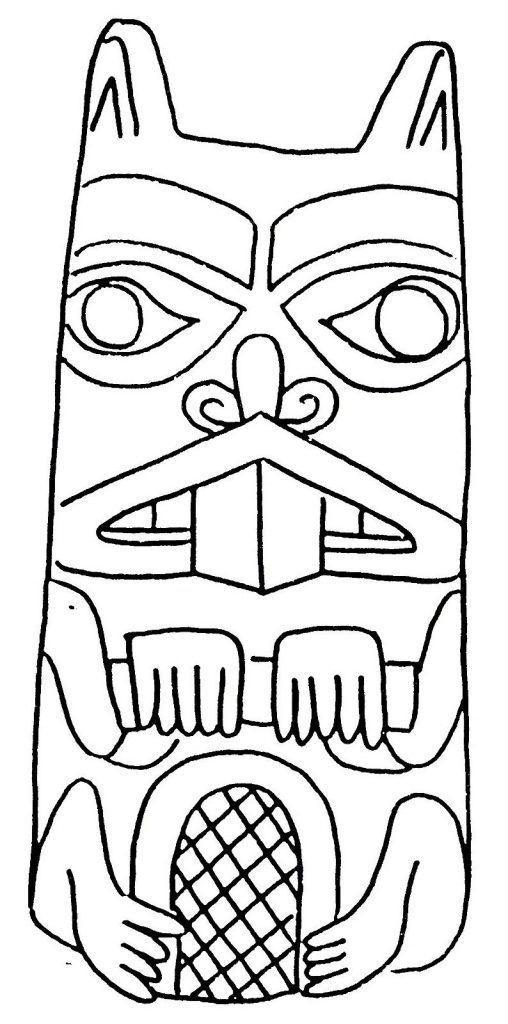
A growing collection of high-resolution coloring sheets — animals, cartoon characters, holidays, and more. Print and enjoy at home or in the classroom.
Explore the CollectionWelcome
Coloring Fun for Every Child
presentcontemporaryart brings together an extensive library of free printable coloring pages. From friendly giraffes and adventure-time characters to seasonal holiday sheets, there is something here to spark every child's creativity. All pages are easy to download and print at high resolution — perfect for rainy afternoons, classroom activities, or quiet time at home.
Animals & Nature
Giraffes, goldfinches, orioles, and woodland creatures — a wide selection of animal coloring pages for young nature lovers.
Cartoon Characters
Adventure Time, Land Before Time, Justin Time, and more beloved characters ready to be brought to life with color.
Holidays & Seasons
Halloween, New Year, and seasonal coloring sheets to celebrate special times throughout the year.
Healthy Eating Fun With Printable Produce Colouring Pages
Printable Fruit and Vegetable Coloring Sheets for Healthy Eating give children a creative way to become familiar with fresh food. A simple page featuring apples, carrots, bananas, tomatoes or leafy greens can turn an ordinary colouring activity into a gentle lesson about variety and balanced meals.
Present Contemporary Art offers free printable colouring pages that are easy to download and use without registration. Families can print a few pages at home, teachers can include them in classroom activities, and children can enjoy them during quiet time, rainy afternoons or holiday programs.
Colouring does not need to be presented as a lesson about “good” and “bad” foods. It can simply encourage children to notice colours, shapes, textures and where food comes from. This relaxed approach is useful for children who are still developing confidence with unfamiliar produce.
For Australian families, the activity fits naturally around school lunchboxes, weekend shopping and visits to local markets. A child might colour a mango after seeing them at a Brisbane grocer, draw a pumpkin inspired by a Melbourne farmers market, or recognise spinach from a family meal in Perth.
Why Produce-Themed Pages Matter
Fruit and vegetable colouring pages help children connect names with real foods. A detailed strawberry, bunch of grapes or sweet potato illustration gives them a chance to practise observation while strengthening vocabulary. Parents can talk about whether a food grows on a tree, vine, bush or underground.
The activity can also support the Australian Dietary Guidelines, which encourage eating a wide variety of foods from the five food groups. A printable worksheet cannot replace professional nutrition advice, yet it can make conversations about colourful meals feel approachable and age appropriate.
Children may be more willing to explore a new food after seeing it repeatedly in stories, games or art. Colouring a page does not guarantee that a child will taste the ingredient, but it helps make vegetables and fruit familiar rather than mysterious.
Ideas For A Produce Colouring Session
- Match each picture with a real item from the kitchen
- Sort pages into fruit, vegetables, herbs and legumes
- Add labels such as crunchy, soft, juicy or leafy
- Draw a healthy lunchbox around a favourite ingredient
Turn Colouring Into Food Discovery
A printable sheet can become the starting point for a small investigation. Ask children to compare the smooth skin of an apple with the rough surface of a pineapple, or identify which vegetables have edible leaves, stems, roots or flowers. Older children can add notes about taste, colour and season.
Australian produce provides plenty of seasonal variety. Summer may bring watermelon, stone fruit and mangoes, while cooler months offer citrus, broccoli, cauliflower and pumpkin. Availability differs between regions, so children can learn that food seasons are connected to climate, farms and local shops.
Colour choices can remain imaginative. A purple carrot, blue banana or rainbow capsicum can encourage creativity, while a second version can show the ingredient’s usual appearance. This balance lets children enjoy art without turning the page into a test.
Select Pages For Different Ages
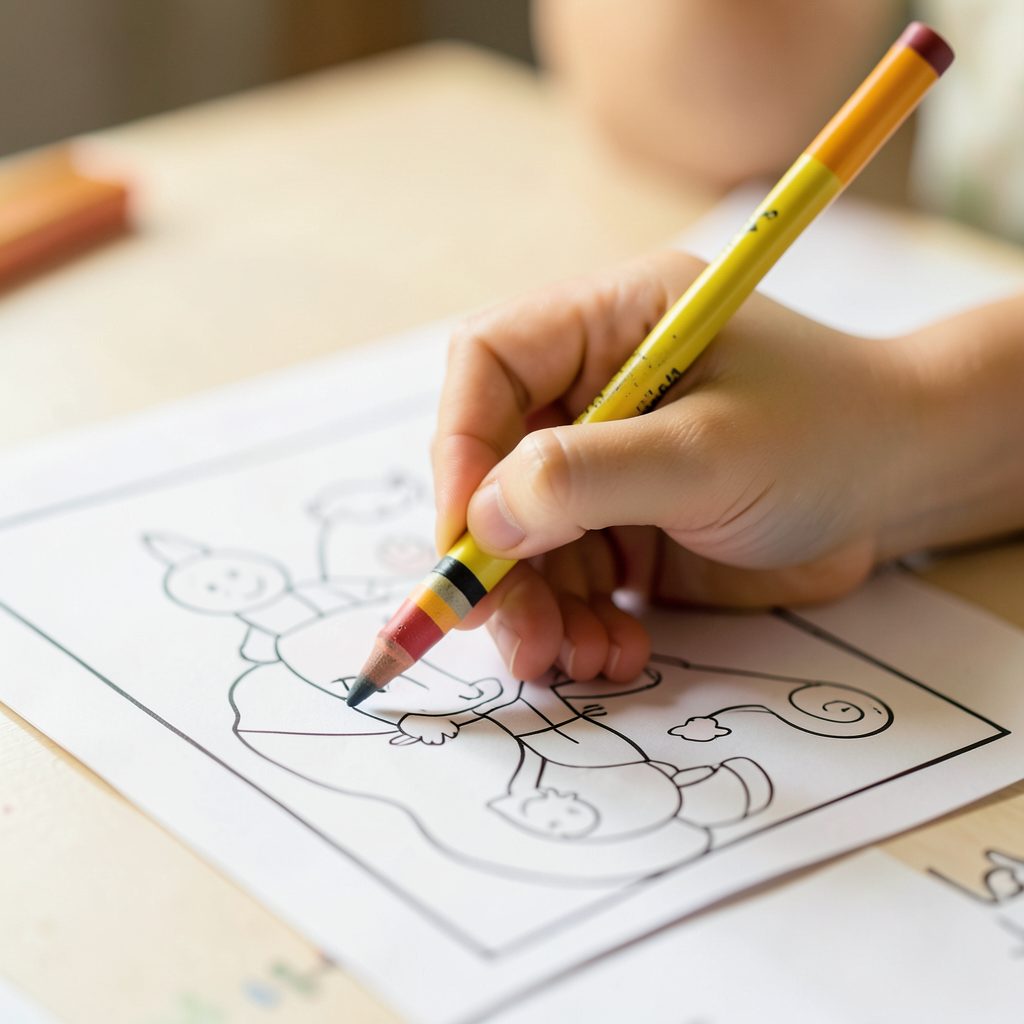
Younger children often benefit from large, recognisable outlines with limited detail. A single pear, carrot or orange is easier to hold, identify and colour than a crowded garden scene. Thick crayons and washable markers can make the activity comfortable for small hands.
Primary-aged children may enjoy food groups, garden scenes, market baskets and recipe-themed pages. They can design a fruit salad, create a vegetable patch or colour ingredients for a sandwich. Children who are learning English can use the pictures to practise words such as “cucumber”, “pumpkin”, “bean” and “avocado”.
| Age or stage | Suitable page style | Useful learning focus |
|---|---|---|
| Preschool | Large single fruits and vegetables | Names, colours and simple shapes |
| Early primary | Baskets, gardens and lunchboxes | Sorting, describing and counting |
| Older primary | Market scenes and recipe pictures | Seasons, origins and meal planning |
| Mixed-age groups | Variety pages with large and small images | Cooperation and shared discussion |
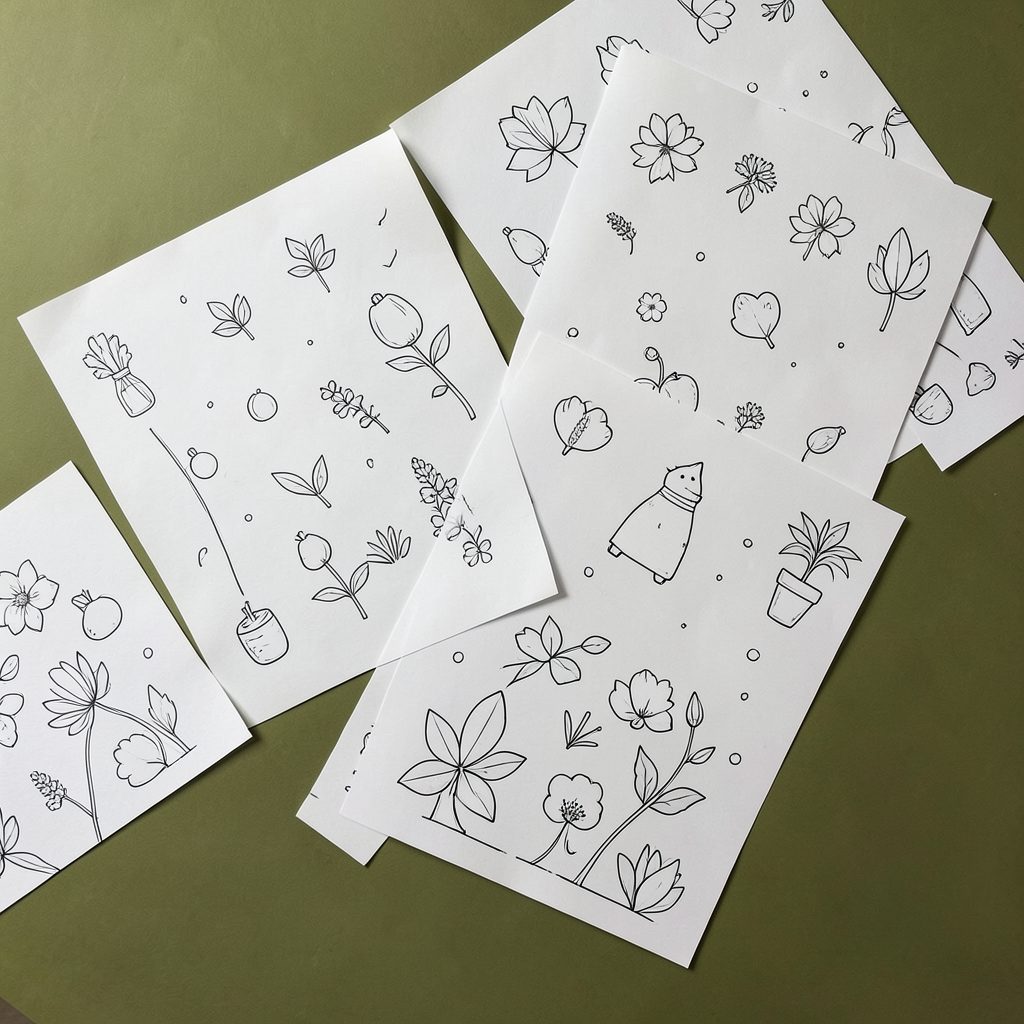
When printing, select clear outlines and check the page size before starting. A4 paper is standard in Australia and works well for home printers and classroom folders. Reusing one-sided paper for drafts can reduce waste, while heavier paper is useful for displaying finished artwork.
Use Them At Home And In Class
At home, parents can place a few produce colouring sheets near the kitchen table and discuss the foods while preparing a meal. A child might colour peas while helping rinse them, or decorate a page before adding grated carrot to a sandwich. These small links make the activity feel relevant.
In Australian classrooms, the pages can support units about gardens, farms, sustainability, health or community markets. A teacher might pair colouring with a class vegetable garden, a visit to a farmers market, or a discussion of lunchbox choices. Schools should follow their own canteen and allergy procedures.
Food safety remains important during practical activities. Food Standards Australia New Zealand sets requirements in the Australia New Zealand Food Standards Code, including rules around allergen declarations on packaged food. Colouring activities should never encourage children to taste unknown plants or share food without adult supervision.
Easy Ways To Extend The Activity
- Create a class mural showing a seasonal Australian garden
- Plan a pretend market with labelled produce stalls
- Count how many colours appear in a lunchbox
- Write a short story about a fruit travelling from farm to table
Build Healthy Habits Beyond The Page
The strongest value of produce-themed colouring comes from repetition and positive association. Keep the conversation curious rather than pressuring children to finish a food. Families can invite children to choose one new fruit or vegetable at the supermarket, local greengrocer or weekend market.
Shopping habits differ across Australia, but fresh produce is widely available through supermarkets, community markets and independent shops. In Sydney, Adelaide or Hobart, children may see regional foods that are less common in other parts of the country. Talking about transport, farming and seasonality can connect a colouring page with the wider food system.
Colouring can also support environmental awareness. Children may draw compost bins, reusable shopping bags, community gardens or water-saving methods. These ideas encourage respect for food and resources without making a simple creative activity feel complicated.
Free printable pages are especially useful because families can choose only the themes that suit their children. Animal and nature illustrations can sit alongside fruit and vegetable designs, allowing children to move between art, health, seasons and the natural world at their own pace.
Also Discover
A Legacy in Contemporary Art
Beyond coloring pages, presentcontemporaryart has a history as an association of art collectors and patrons — Associazione di Collezionisti e Mecenati. The organization promoted international exhibitions connecting Chinese, Italian, and international artists, with past events in Shanghai and Berlin.


Ready to Start Coloring?
Browse the full collection of free printable coloring pages — all just a click away.
View All Coloring Pages