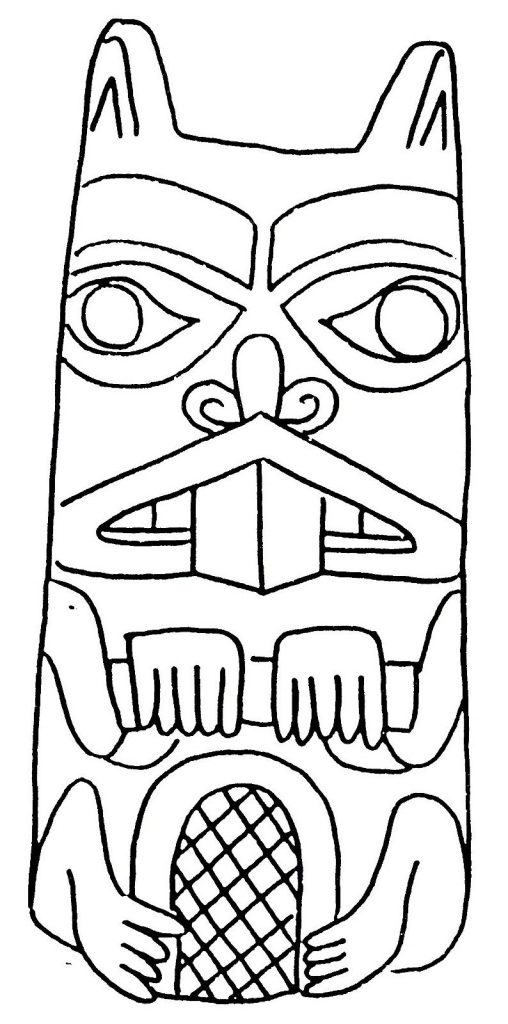
A growing collection of high-resolution coloring sheets — animals, cartoon characters, holidays, and more. Print and enjoy at home or in the classroom.
Explore the CollectionWelcome
Coloring Fun for Every Child
presentcontemporaryart brings together an extensive library of free printable coloring pages. From friendly giraffes and adventure-time characters to seasonal holiday sheets, there is something here to spark every child's creativity. All pages are easy to download and print at high resolution — perfect for rainy afternoons, classroom activities, or quiet time at home.
Animals & Nature
Giraffes, goldfinches, orioles, and woodland creatures — a wide selection of animal coloring pages for young nature lovers.
Cartoon Characters
Adventure Time, Land Before Time, Justin Time, and more beloved characters ready to be brought to life with color.
Holidays & Seasons
Halloween, New Year, and seasonal coloring sheets to celebrate special times throughout the year.
Printable Butterfly and Flower Life Cycle Coloring Sheets
Printable butterfly and flower life cycle coloring sheets turn a simple art activity into a gentle science lesson. Children can colour each stage, arrange pictures in order, and talk about how living things change over time. The pages work well for quiet afternoons, early learning rooms, primary classrooms, and holiday activities at home.
A butterfly’s transformation and a flowering plant’s growth offer clear visual sequences. Eggs become caterpillars, chrysalises, and adult butterflies, while a seed develops roots, leaves, buds, and an open bloom. These printable resources make the ideas easier to see, remember, and explain.
Why Life Cycle Pages Work
Colouring supports concentration while giving children a hands-on way to explore biology. Young learners can practise new words such as larva, chrysalis, germination, stem, petal, and pollination without relying on a long written worksheet. The repeated visual order helps reinforce cause and effect.
These activities also suit different ages. Preschool children may simply colour and match pictures, while older students can add labels, arrows, or short descriptions. A teacher in Melbourne or Brisbane might use the same page for group discussion, independent work, and a display board.
What Children Can Discover
Butterfly worksheets usually begin with a tiny egg, followed by a caterpillar that eats and grows. The chrysalis stage shows a period of change, and the adult butterfly completes the cycle by laying new eggs. This sequence can lead to conversations about leaves, camouflage, wings, and the role of insects in gardens.
Flower life cycle illustrations introduce a different pattern. A seed needs suitable moisture, warmth, and light before it sprouts. Roots anchor the plant, leaves gather energy, and a flower later produces pollen and seeds. Families can find familiar Australian examples in local gardens, including bottlebrush, wattle, daisies, and lavender, while exploring flower and butterfly pages.
Choosing Suitable Printable Designs
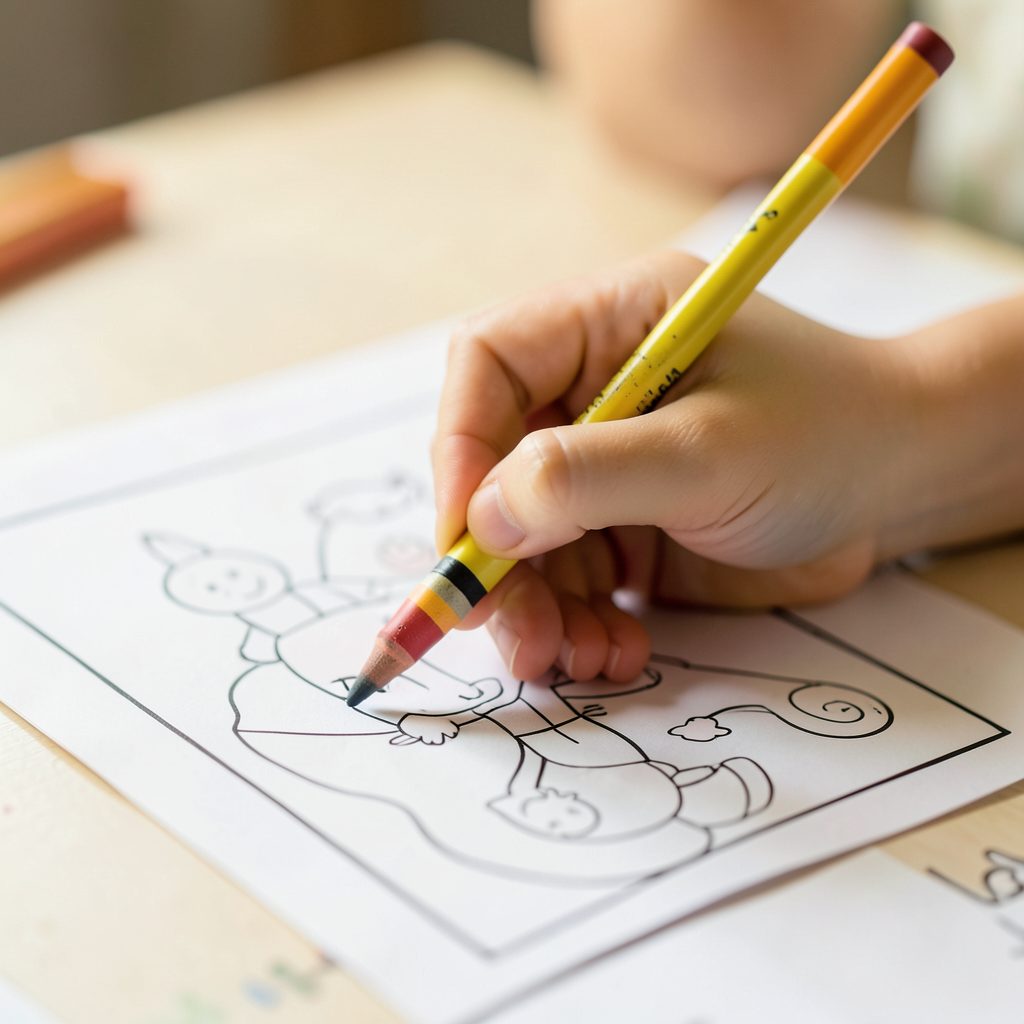
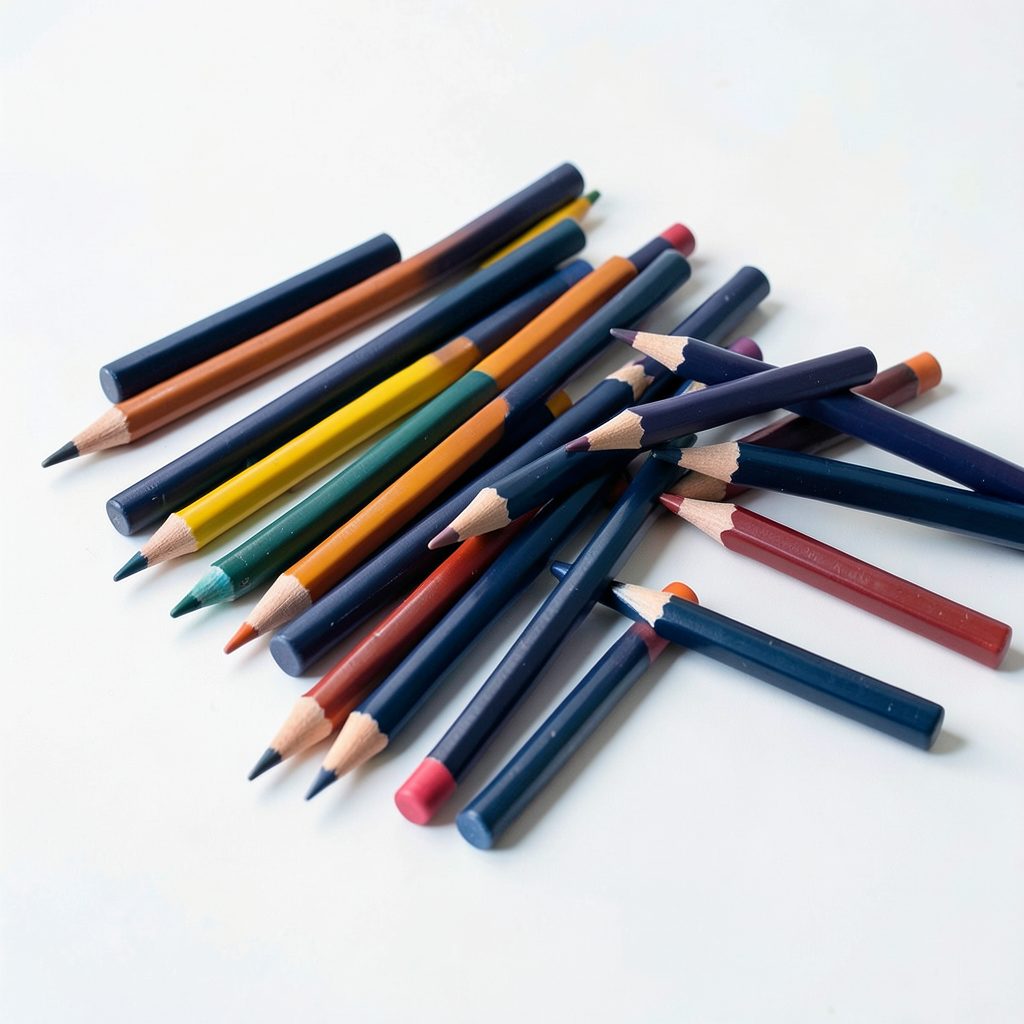
Look for clear outlines, generous spaces, and a small number of stages when working with younger children. Simple butterfly colouring pages are easier for little hands to manage, especially when printed on standard A4 paper. Larger illustrations can reduce frustration and leave room for crayons, pencils, or washable markers.
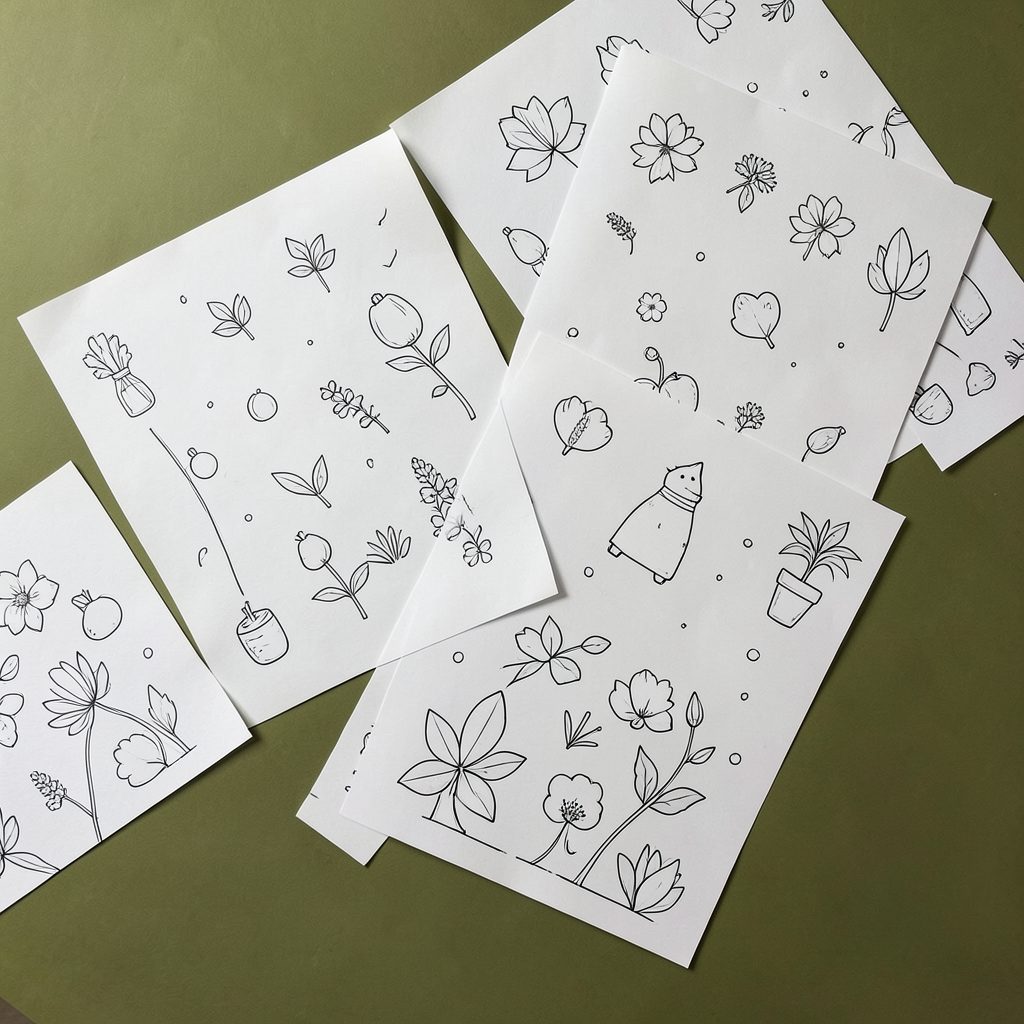
Older children may enjoy detailed botanical drawings, labelled diagrams, or a combined worksheet showing insects visiting flowers. Black-and-white line art is especially practical because it prints economically on home printers and suits classrooms working within a limited stationery budget. Australian families can use ordinary copy paper, while heavier cartridge paper is useful for posters or classroom displays.
Creative Ways To Use The Sheets
A life cycle page can become part of a broader learning station. Children might sort mixed-up stages, draw arrows between them, or write one fact beside each picture. Adding a small garden journal encourages them to notice buds, fallen petals, caterpillars, or visiting bees in their own surroundings.
The activity can also connect with seasonal events. In spring, a school near Adelaide or Perth could pair flower worksheets with a walk around the grounds. During rainy weekends, children in Sydney or Hobart can create a paper garden using coloured cut-outs, then place butterflies near the flowers they think would provide food or shelter.
Easy Activity Ideas For Groups
A few simple materials can extend the printable pages without making preparation complicated.
- Colour and sequence the butterfly stages
- Match seeds, leaves, buds, and flowers
- Add labels with arrows and short facts
- Create a shared life cycle mural
For a quiet individual task, offer a choice of tools and a clear finishing goal.
- Use pencils for small details
- Add watercolour washes after colouring
- Cut out stages and glue them in order
- Write a sentence about each stage
These ideas work at home, in an early learning centre, or during a school science rotation. They also suit Australian children’s activity tables at libraries, community centres, and holiday programs, where printable resources need to be affordable and quick to prepare.
Comparing Printable Page Styles
Different designs support different learning goals. A simple page may be best for a preschool child, while a labelled diagram can challenge a primary student who is ready to use scientific vocabulary.
| Page style | Best suited to | Useful learning focus | Recommended materials |
|---|---|---|---|
| Simple four-stage sequence | Preschool and early primary | Ordering and recognition | Crayons or thick pencils |
| Detailed butterfly cycle | Years 1–3 | Growth, change, and vocabulary | Coloured pencils |
| Flower growth diagram | Early primary | Germination and plant parts | Pencils and fine markers |
| Combined garden scene | Mixed-age groups | Pollination and habitats | Paper, scissors, and glue |
Free printable resources are particularly useful when families want an educational activity without buying a workbook. They can be downloaded as needed, printed again for siblings, and adapted for different abilities. With a few colours and a little discussion, a butterfly and flower worksheet can support creativity, observation, and early science learning in one accessible activity.
Also Discover
A Legacy in Contemporary Art
Beyond coloring pages, presentcontemporaryart has a history as an association of art collectors and patrons — Associazione di Collezionisti e Mecenati. The organization promoted international exhibitions connecting Chinese, Italian, and international artists, with past events in Shanghai and Berlin.



Ready to Start Coloring?
Browse the full collection of free printable coloring pages — all just a click away.
View All Coloring Pages