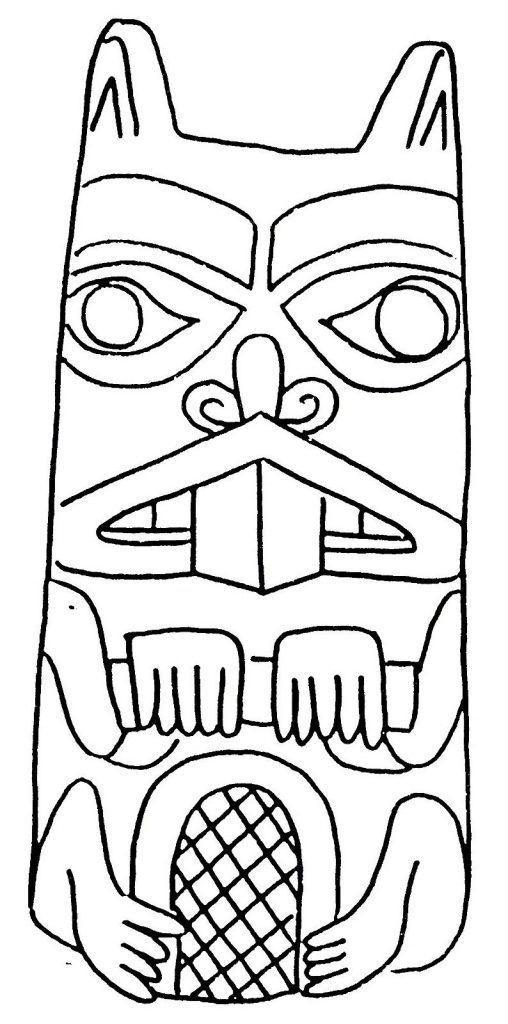
A growing collection of high-resolution coloring sheets — animals, cartoon characters, holidays, and more. Print and enjoy at home or in the classroom.
Explore the CollectionWelcome
Coloring Fun for Every Child
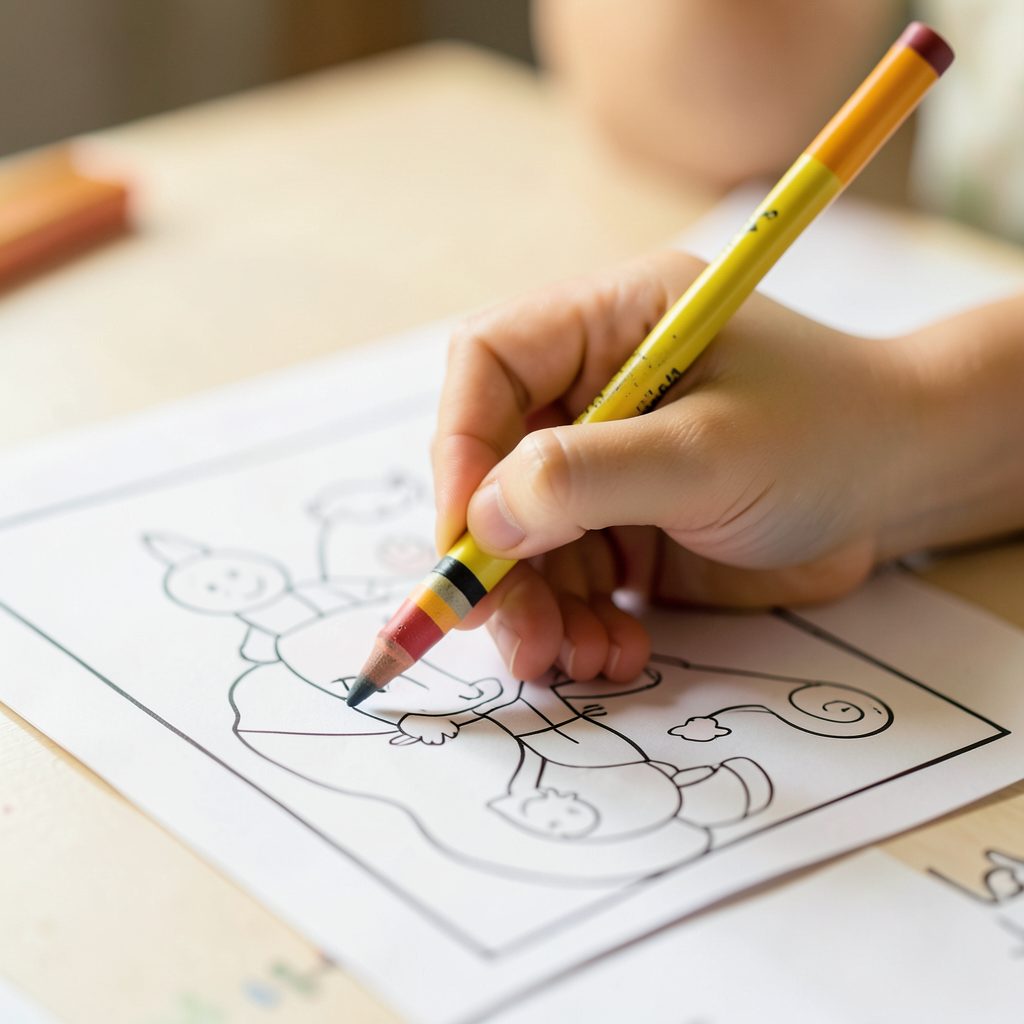
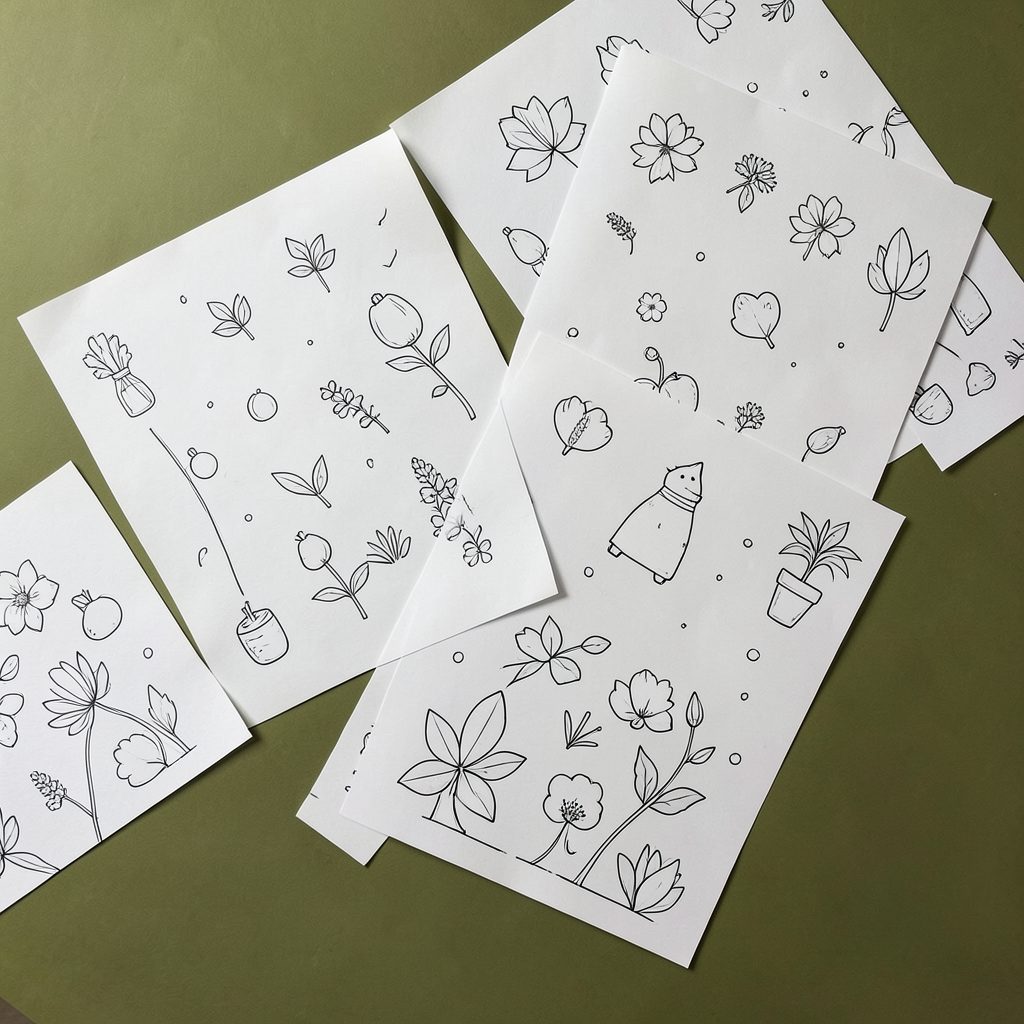
presentcontemporaryart brings together an extensive library of free printable coloring pages. From friendly giraffes and adventure-time characters to seasonal holiday sheets, there is something here to spark every child's creativity. All pages are easy to download and print at high resolution — perfect for rainy afternoons, classroom activities, or quiet time at home.
Animals & Nature
Giraffes, goldfinches, orioles, and woodland creatures — a wide selection of animal coloring pages for young nature lovers.
Cartoon Characters
Adventure Time, Land Before Time, Justin Time, and more beloved characters ready to be brought to life with color.
Holidays & Seasons
Halloween, New Year, and seasonal coloring sheets to celebrate special times throughout the year.
Printable bird species coloring pages for nature study
Birds make an engaging starting point for children learning about the natural world. A simple outline can lead to conversations about feathers, beaks, nests, habitats, food and seasonal behaviour. Printable bird species colouring pages give children a hands-on way to notice these details while developing pencil control.
For Australian families and classrooms, local species add extra meaning. A child in Sydney may recognise a rainbow lorikeet in a gum tree, while a family in Brisbane might hear a kookaburra before breakfast. Children can also explore birds they may see on bush walks, at wetlands or in suburban gardens.
Colouring is especially useful when paired with observation. Children can compare the long legs of an emu with the compact shape of a fairy-wren, or look at how a cockatoo’s crest differs from a magpie’s head. The activity becomes a gentle nature lesson rather than a task focused only on staying inside the lines.
Free printable pages are convenient for home learning, early years programs and Australian classrooms. They can be downloaded without registration, printed when needed and used alongside library books, birdwatching walks or a visit to a local park.
Choosing familiar and distinctive bird species
Begin with birds children are likely to recognise. Kookaburras, Australian magpies, sulphur-crested cockatoos and rainbow lorikeets offer clear shapes and memorable features. These species also provide opportunities to discuss calls, social behaviour and the places where birds live.
Add less familiar examples to broaden the activity. A tawny frogmouth introduces camouflage and nocturnal habits, while an emu encourages discussion about flightless birds and open habitats. A superb fairy-wren can lead to comparisons between male and female plumage, size and movement.
Colouring pages should have enough detail to support observation without becoming frustrating. Large outlines work well for preschool children, while older students can use more detailed bird illustrations to label body parts or create accurate colour patterns.
Turning colouring into close observation
Before children add colour, encourage them to inspect the illustration. They can identify the eye, beak, wing, tail and feet, then predict which features might help the bird feed, move or stay safe. This approach keeps the activity connected to biology.
Use real-life references rather than asking children to rely on memory alone. A field guide, photograph or short video can help them choose suitable colours and recognise variations. Explain that nature is not always uniform: feathers may include several shades, and lighting can change how a bird appears.
In Australia, observation can be linked to local surroundings. Children in Melbourne might record birds visiting a balcony or school oval, while students in Perth could compare garden birds with species seen near coastal scrub. These small connections make a printable worksheet feel relevant to daily life.
Bird features and habitat connections
The guide below can support a short research activity before or after colouring. Children may colour the bird first, then match it with a habitat and one special adaptation.
| Bird species | Noticeable feature | Common setting | Nature study prompt |
|---|---|---|---|
| Kookaburra | Large beak and pale head | Open woodland and gardens | Why might its call carry a long distance? |
| Rainbow lorikeet | Bright green, blue and orange feathers | Eucalypts, parks and suburbs | What foods might its brush-like tongue help it collect? |
| Emu | Long legs and small wings | Grasslands and scrub | How does its body suit running rather than flying? |
| Tawny frogmouth | Mottled camouflage | Woodland and tree branches | How could its colours help it remain hidden? |
| Sulphur-crested cockatoo | Yellow crest and curved beak | Urban areas, forests and parks | What might its strong beak be used for? |
A comparison chart also helps children understand that colour is only one part of identification. Shape, habitat, behaviour and sound can be just as useful. Ask students to circle the feature they noticed first and explain why it stood out.
For younger children, focus on matching birds to simple environments such as tree, pond, beach or grassland. Older students can add a short fact file covering diet, nesting, movement and whether the species is active during the day or at night.
Simple activities for home and school
Pair a printable page with a short outdoor observation session. Children can sit quietly in a garden, courtyard or park and record what they see without touching nests or feeding wild birds. In Australian schools, this can fit into a morning nature walk or a science rotation.
Useful activity materials include:
- Coloured pencils, crayons or washable markers
- A child-friendly bird guide or printed photographs
- A notebook for sketches, sounds and sightings
- Recycled card for making a bird fact display
After colouring, invite children to extend their work with:
- A labelled bird diagram
- A habitat collage made from leaves and paper
- A “sound map” of birds heard nearby
- A class tally of species observed during the week
These activities work in a classroom in Adelaide, a home in Canberra or a community group in Darwin. They also suit different weather conditions, allowing nature study to continue indoors during a rainy day.
Bringing bird learning into the classroom
Bird illustrations can support literacy as well as science. Children might write a short description using words such as “feathered”, “camouflaged”, “curved” and “nocturnal”. Younger learners can practise letter sounds with bird names, while older students can write a first-person diary entry from the viewpoint of a migratory bird.
A themed display can combine student artwork with maps, habitat labels and interesting facts. For ideas connected with school-based creative work, these classroom colouring ideas can sit alongside the bird activity without requiring complicated preparation.
Teachers can also connect the lesson with Australian seasons. In spring, children may discuss nesting and new chicks; in summer, they can explore how birds find water and shade. A class display featuring local species helps students see that science is present in the school grounds, not only in textbooks.
Making a lasting nature study resource
Store completed pages in a simple nature journal or portfolio. Children can return to the same bird later and add new notes after seeing it outdoors. Over time, their drawings may show improved observation, vocabulary and understanding of animal adaptations.
Printable bird worksheets are also useful for quiet activity stations, holiday programs and library sessions. Keep a small selection of local and international species available so children can compare Australian birds with birds from forests, wetlands, deserts and coastlines around the world.
The best results come from giving children time to look carefully. A page featuring a kookaburra, fairy-wren or cockatoo can become a starting point for questions about habitat, behaviour and conservation, making creative work a natural part of exploring the living world.
Also Discover
A Legacy in Contemporary Art
Beyond coloring pages, presentcontemporaryart has a history as an association of art collectors and patrons — Associazione di Collezionisti e Mecenati. The organization promoted international exhibitions connecting Chinese, Italian, and international artists, with past events in Shanghai and Berlin.


Ready to Start Coloring?
Browse the full collection of free printable coloring pages — all just a click away.
View All Coloring Pages