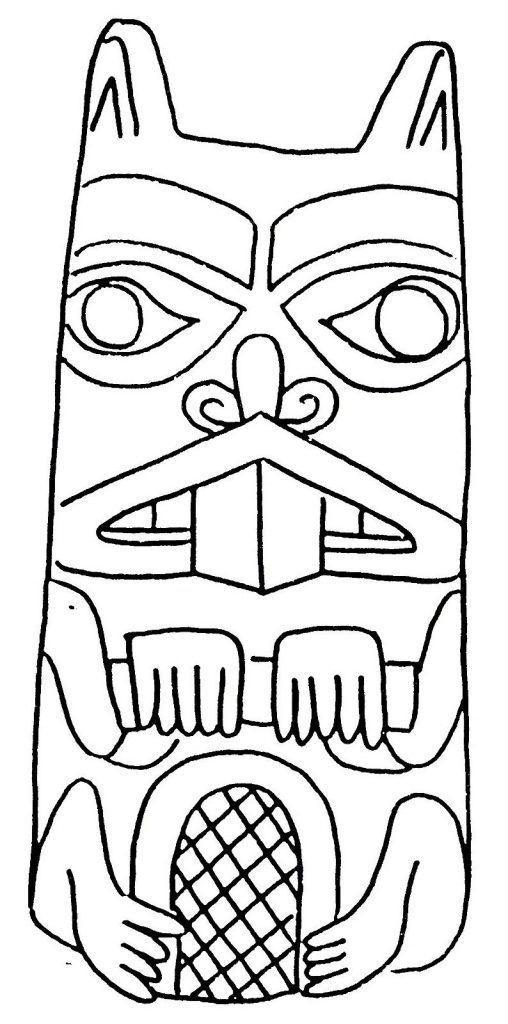
A growing collection of high-resolution coloring sheets — animals, cartoon characters, holidays, and more. Print and enjoy at home or in the classroom.
Explore the CollectionWelcome
Coloring Fun for Every Child
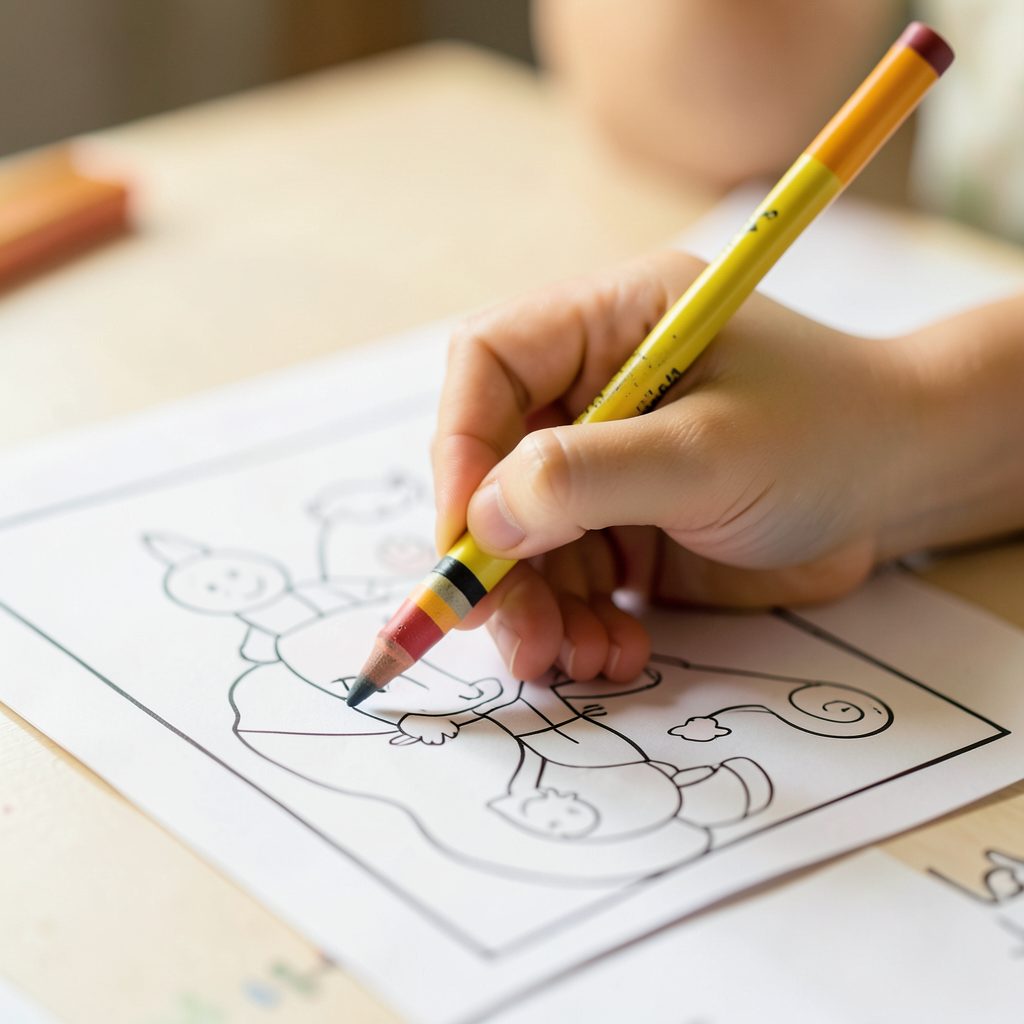
presentcontemporaryart brings together an extensive library of free printable coloring pages. From friendly giraffes and adventure-time characters to seasonal holiday sheets, there is something here to spark every child's creativity. All pages are easy to download and print at high resolution — perfect for rainy afternoons, classroom activities, or quiet time at home.
Animals & Nature
Giraffes, goldfinches, orioles, and woodland creatures — a wide selection of animal coloring pages for young nature lovers.
Cartoon Characters
Adventure Time, Land Before Time, Justin Time, and more beloved characters ready to be brought to life with color.
Holidays & Seasons
Halloween, New Year, and seasonal coloring sheets to celebrate special times throughout the year.
How to Use Coloring Pages to Teach Kids About Nature
Coloring can be more than a quiet creative activity. With the right prompts, a simple printable picture becomes a starting point for learning about animals, plants, habitats, seasons, and the relationships that connect living things.
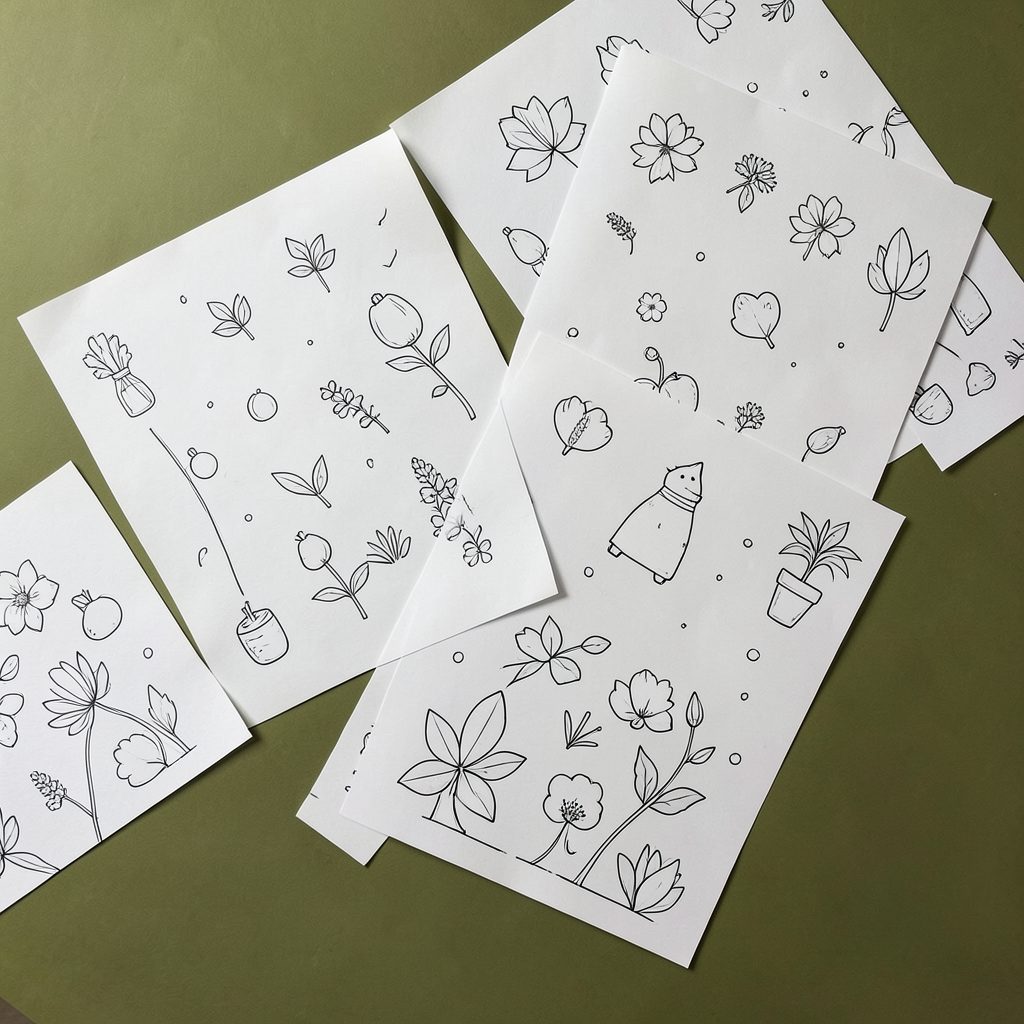
Present Contemporary Art offers free coloring pages featuring wildlife, flowers, trees, insects, birds, and other nature-inspired subjects. Because the pages can be downloaded and printed without registration, parents and teachers can quickly add them to home learning, classroom centers, or an outdoor study session.
Choosing a starting point in nature
Begin with a subject that matches the child’s age and interests. Younger children may enjoy coloring a butterfly, puppy, tree, or sunflower while learning basic names and colors. Older children can explore pages showing ocean animals, forest ecosystems, reptiles, birds of prey, or endangered species.
Use the illustration as a visual prompt rather than expecting children to color it in a scientifically exact way. Ask them to notice body parts, textures, patterns, and shapes. A page showing a frog, for example, can lead to a conversation about moist skin, webbed feet, ponds, and the difference between tadpoles and adult frogs.
Turning pictures into observation lessons
Nature coloring sheets work especially well after children have seen the real subject. Take a short walk around a garden, park, or schoolyard and invite them to look for leaves, feathers, insects, bark, or signs of animal activity. When they return to the printable page, they can connect the drawing with what they observed outdoors.
Encourage careful looking with prompts such as “What do you notice first?” or “Which parts help this animal survive?” Children might identify a bird’s beak as a tool for finding food or recognize that a cactus has features that help it live in a dry environment. This approach develops observation skills and introduces basic adaptation concepts.
Building vocabulary through coloring
A coloring activity gives children time to repeat and use new science words. Label parts of the picture together, including wing, root, stem, shell, antenna, petal, fur, and habitat. For early readers, adults can write the words on sticky notes and let children match each label to the correct part.
Older children can create a short fact card beside their artwork. Ask them to include the organism’s name, where it lives, what it eats, and one interesting feature. Terms such as camouflage, migration, pollination, ecosystem, and nocturnal can be introduced gradually and reinforced through conversation.
Comparing habitats and living things
Print pages from different nature categories and arrange them by habitat. Children can compare a polar bear with a desert lizard, or a pond frog with a rainforest parrot. The contrast encourages them to think about temperature, water, shelter, food, and physical adaptations.
| Nature subject | Habitat focus | Useful discussion prompt | Creative extension |
|---|---|---|---|
| Frog | Pond or wetland | What does it need to stay moist? | Draw a pond with plants and insects |
| Polar bear | Arctic region | How does its body stay warm? | Add ice, snow, and ocean water |
| Butterfly | Meadow or garden | How does it help flowers? | Design a pollinator garden |
| Owl | Forest or woodland | Why might it be active at night? | Create a nighttime forest background |
| Cactus | Desert | How does it conserve water? | Add rocks, sand, and desert animals |
Children can also sort pictures into groups such as mammals, birds, insects, reptiles, and plants. This simple classification exercise strengthens comparison skills while keeping the lesson visual and accessible.
Connecting art with seasonal science
Seasonal coloring pages provide a natural way to explain change over time. Autumn leaves can introduce deciduous trees, seed dispersal, and changing daylight. Winter animals can lead to discussions about hibernation, migration, insulation, and food availability.
Spring and summer offer opportunities to study growth and reproduction. Children can color flowers and bees while learning about pollination, or arrange pictures to show a seed becoming a mature plant. Drawing arrows between stages turns a creative page into a simple life-cycle diagram.
Extending learning beyond the page
A coloring sheet becomes more memorable when children use it as part of a larger project. Keep the activity flexible and let the child choose colors, materials, and presentation style while guiding the scientific discussion.
- Pair each page with a short outdoor observation or nature walk.
- Invite children to add a labeled habitat around the illustration.
- Use books or safe online resources to verify one fact about the subject.
- Create a seasonal nature folder with drawings, notes, and collected observations.
- Display completed pages as a classroom ecosystem or family nature gallery.
You can also combine coloring with storytelling. A child might write about a bee traveling between flowers, a turtle searching for a nesting place, or a seed waiting for rain. Creative writing helps children imagine how environmental conditions affect living things and encourages empathy for wildlife.
Choose free printable pages from Present Contemporary Art to create an engaging nature lesson at home or in the classroom. Download a few animal, plant, or seasonal designs, add simple observation prompts, and let children learn through coloring, conversation, and careful attention to the world around them.
Also Discover
A Legacy in Contemporary Art
Beyond coloring pages, presentcontemporaryart has a history as an association of art collectors and patrons — Associazione di Collezionisti e Mecenati. The organization promoted international exhibitions connecting Chinese, Italian, and international artists, with past events in Shanghai and Berlin.


Ready to Start Coloring?
Browse the full collection of free printable coloring pages — all just a click away.
View All Coloring Pages