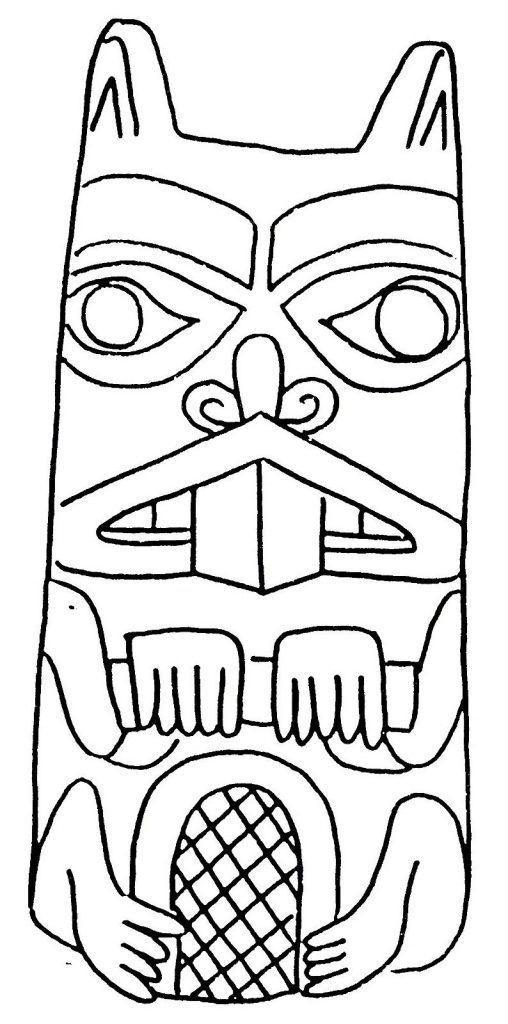
A growing collection of high-resolution coloring sheets — animals, cartoon characters, holidays, and more. Print and enjoy at home or in the classroom.
Explore the CollectionWelcome
Coloring Fun for Every Child
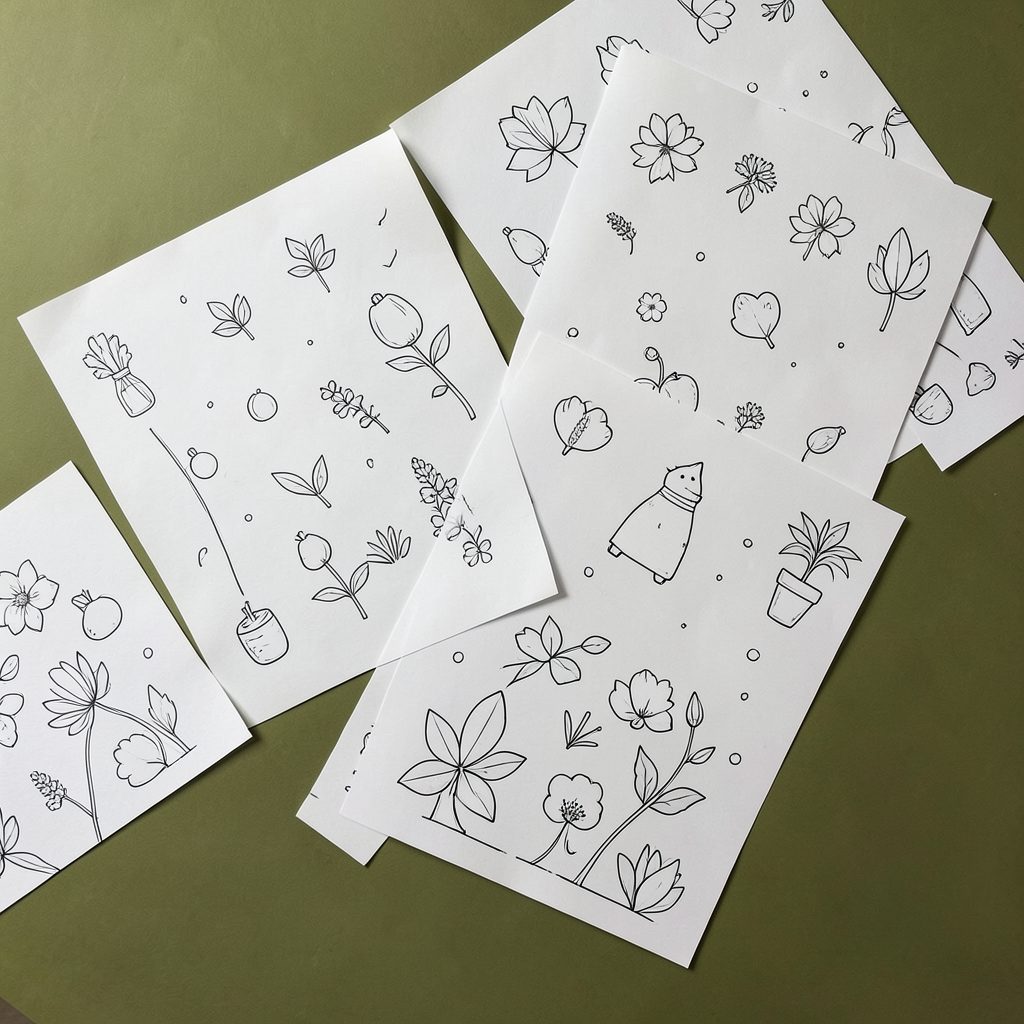
presentcontemporaryart brings together an extensive library of free printable coloring pages. From friendly giraffes and adventure-time characters to seasonal holiday sheets, there is something here to spark every child's creativity. All pages are easy to download and print at high resolution — perfect for rainy afternoons, classroom activities, or quiet time at home.
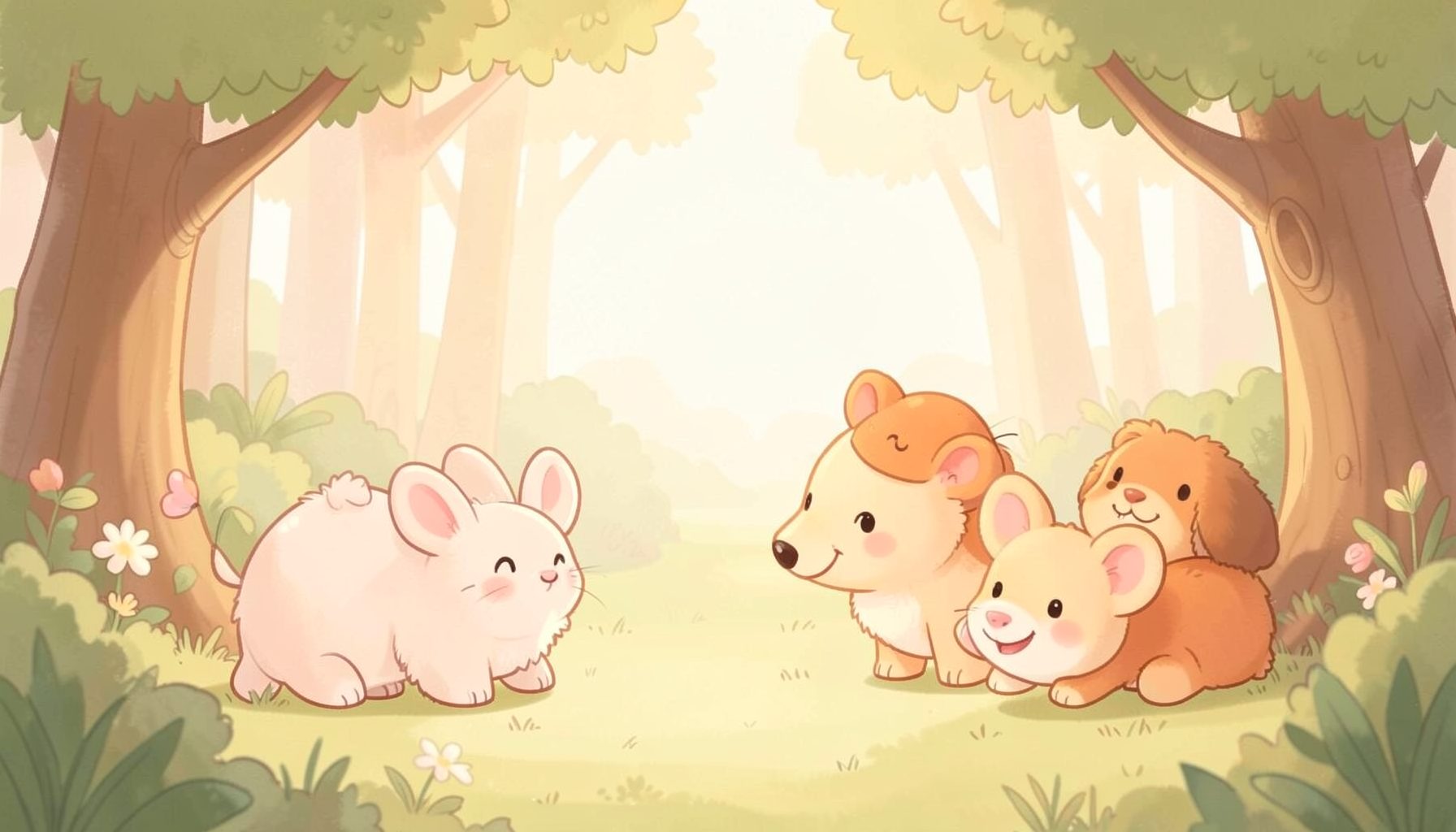
Animals & Nature
Giraffes, goldfinches, orioles, and woodland creatures — a wide selection of animal coloring pages for young nature lovers.
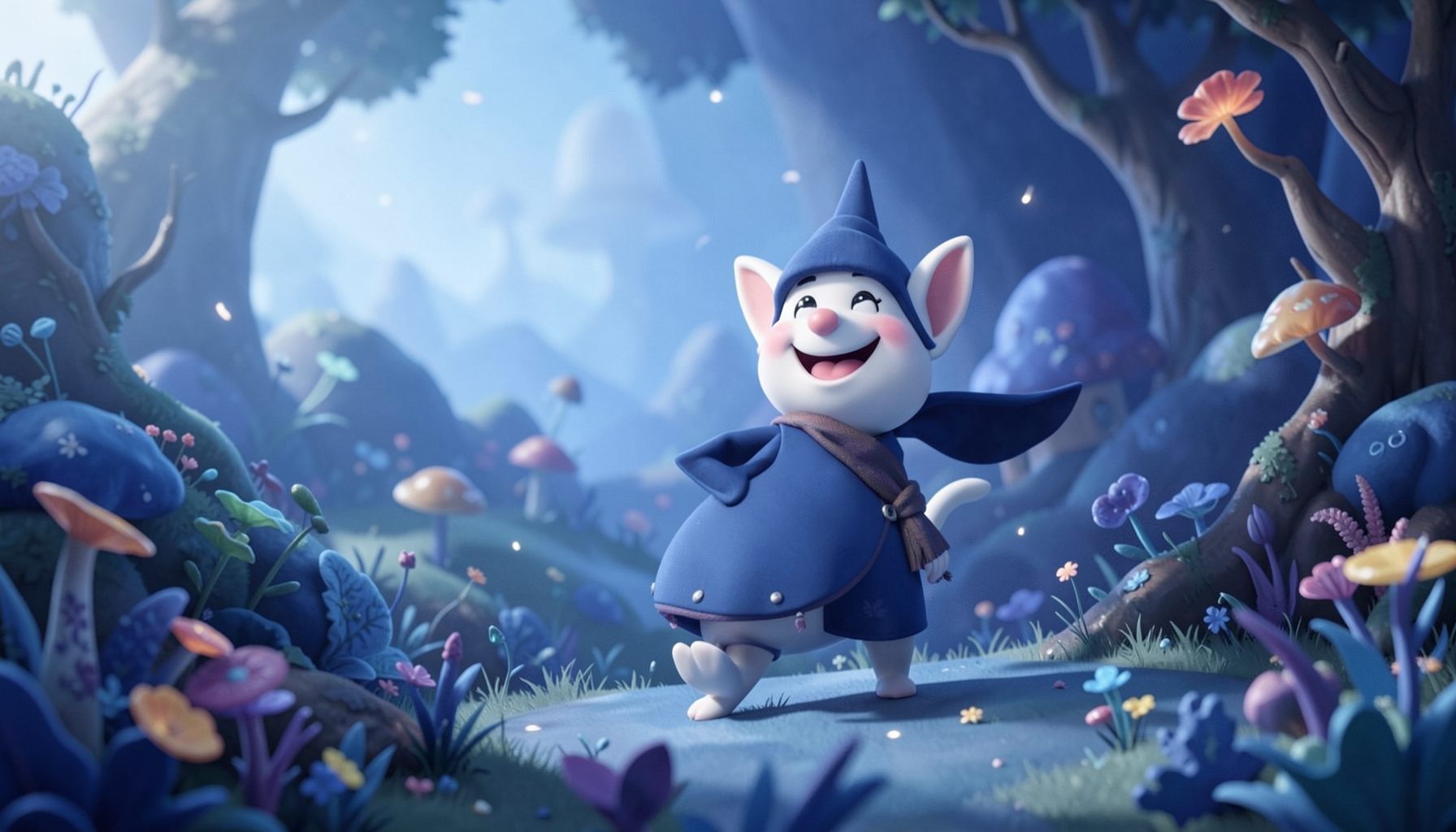
Cartoon Characters
Adventure Time, Land Before Time, Justin Time, and more beloved characters ready to be brought to life with color.

Holidays & Seasons
Halloween, New Year, and seasonal coloring sheets to celebrate special times throughout the year.
Colouring Pages for Teaching Emotional Regulation
Using colouring pages to teach emotional regulation gives children a calm, concrete way to name feelings, make choices and recover from a busy moment. A picture offers less pressure than talking straight through a difficult experience, while the simple act of colouring can hold attention and encourage a steadier pace. The goal is not perfect colouring; it is co-regulation and growing awareness of what helps.
Colouring works best when adults join calmly rather than direct every choice. Children can select a page, decide how long to work and explain what their picture means, if they wish. This sense of control supports confidence, and the finished sheet can remind them of a coping strategy. Printable material also gives teachers and carers a screen-free option for home, classrooms and quiet spaces.
Why colour helps regulation
For many children, the repeated hand movements, manageable choices and clear endpoint of a colouring task can settle attention. Naming a colour or adding simple details gives the mind a neutral focus while feelings are still present. That focus can support a child who feels worried, frustrated, overwhelmed or unable to start an unfamiliar task.
The benefit comes from pairing the activity with emotional language. An adult might say, “Your body looks tense; would colouring help?” The child then chooses: breathe, colour, draw, talk or take a break. Colouring is not a test of obedience or artistic skill, and children should never feel pressured to reveal private worries.
Build a predictable routine
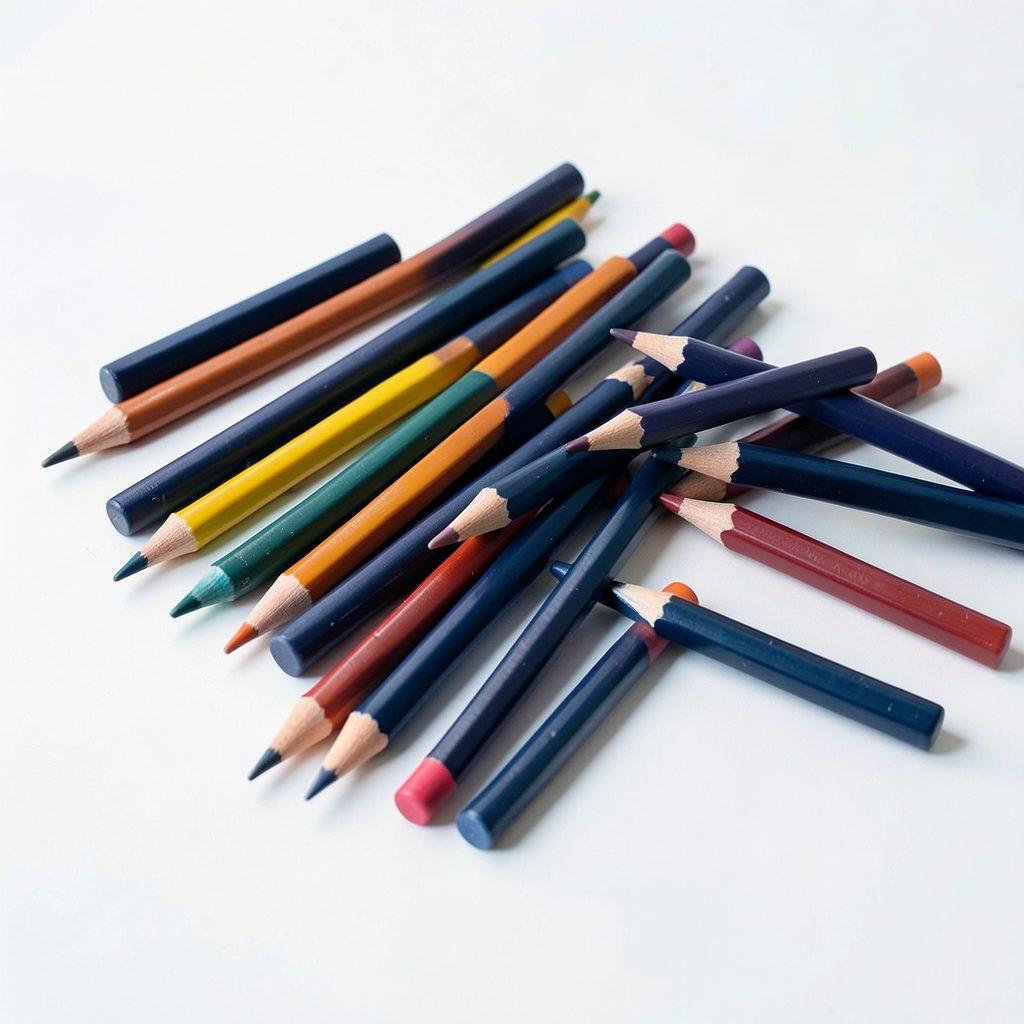
A short, repeated sequence helps children know what comes next. Try naming the present feeling, taking one slow breath, choosing a suitable page, colouring for a set period, then choosing a calming action. Keep the same basket of paper and pencils in a quiet corner so the routine is easy to begin at school or at home.
In Sydney homes, this might happen after school before screens begin; in regional and rural Australia, it can fit into a calm evening activity. Adults can offer two page choices, use a visual timer and finish with a brief check-in: “Did this change your body?” A predictable routine reduces demands on a tired or emotionally activated child.
Give feelings a visual language
Invite children to link colours, lines and shapes with feelings without claiming that one emotion always has one correct colour. “Blue might mean calm for you,” a child might decide, while sharp black lines represent noise or tension. Creating a personal feelings key makes abstract words such as disappointed, jealous, proud or overwhelmed easier to notice and discuss.
Adults can also ask where a feeling sits in the body, whether it feels heavy, hot, tight or buzzy, and what the child needs now. The site’s about the collection provides background on its free printable themes, and pages can be downloaded without registration. Choose a theme that matches the child’s attention and interests, while keeping prompts open-ended so the artwork remains their own emotional expression.
Connect the activity to Australian life
Familiar subjects can make regulation practice more inviting. Families might choose pages featuring local wildlife, coastal scenery or an Australian sport, while Easter designs offer a seasonal example many children recognise. For a weekend activity connected with a Melbourne market, children can colour a simple picture and describe what they notice, making the outing a calm transition.
Australian classrooms are strengthened by acknowledging the Traditional Custodians of the land where learning takes place and welcoming cultural knowledge held by families. In a multicultural lesson, a visit to Country Sint Maarten can begin a respectful conversation about Caribbean island communities, places and celebrations. Comparing these experiences with children’s own lives supports listening and belonging, provided the activity avoids stereotypes and treats every community equally.
Match pages to emotional goals
Choose a page according to what the child needs in the moment, not only what looks attractive. A detailed scene may suit a child ready to concentrate, while broad shapes and fewer lines can reduce visual load. For a child with big feelings, invite them to add a safe object, a comforting colour or a path through the picture before deciding what to do next.
Keep prompts gentle: “What part of your body needs attention?” or “What would help you feel safe?” Avoid suggesting that colouring removes a feeling. The purpose is to identify it, make one manageable choice and practise a response. Different pages on different days show children that support can change with the situation.
| Emotional need | Page choice | Simple prompt | Follow-up action |
|---|---|---|---|
| Worry or uncertainty | A calm animal or landscape | “What colour shows what your body needs?” | Choose one slow breath before finishing |
| Frustration | A bold cartoon scene | “Where can you spot a safe place?” | Mark a boundary and try one movement |
| Sadness or grief | A gentle nature scene | “What might comfort you today?” | Add something comforting to the picture |
| Anger or sensory overload | A large-shape animal page | “What does your body need before the feeling grows?” | Pause, breathe and choose a coping action |
| Low confidence | A celebration or sports page | “What success would feel good?” | Draw or describe one small strength |
Notice progress without judgement
A brief reflection can show whether a strategy helped. Ask what the child noticed in their body, which part they liked and what they might try next time. A simple journal can record the feeling, chosen strategy and child’s rating without collecting unnecessary details. Repeated patterns may help adults plan quieter times or introduce other coping options.
Persistent distress, aggression or fear should not be treated as a colouring problem. Teachers can involve a school wellbeing coordinator, while families can speak with a GP or child psychologist when concerns continue or affect daily life. With gentle adult support, colouring pages become an accessible tool for emotional vocabulary, choice and connection.
Also Discover
A Legacy in Contemporary Art
Beyond coloring pages, presentcontemporaryart has a history as an association of art collectors and patrons — Associazione di Collezionisti e Mecenati. The organization promoted international exhibitions connecting Chinese, Italian, and international artists, with past events in Shanghai and Berlin.



Ready to Start Coloring?
Browse the full collection of free printable coloring pages — all just a click away.
View All Coloring Pages