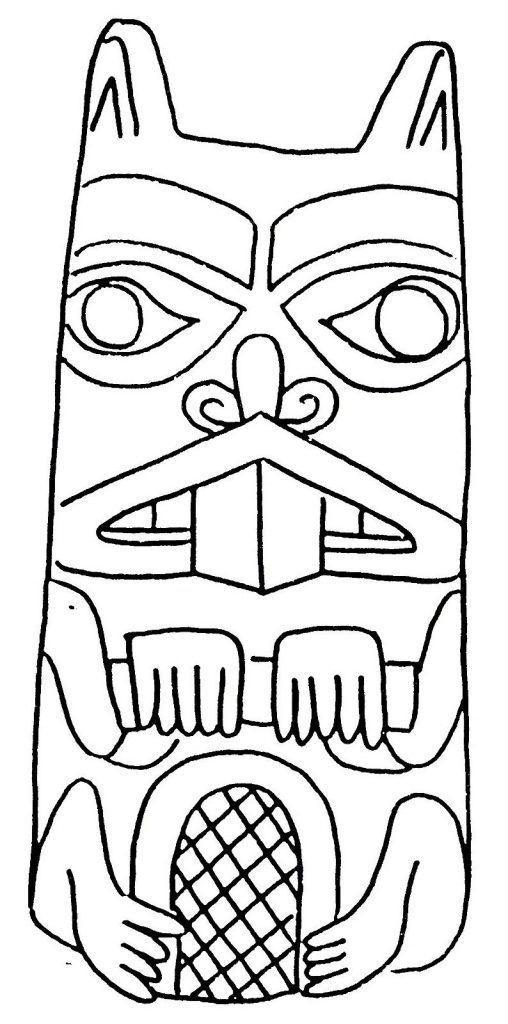
A growing collection of high-resolution coloring sheets — animals, cartoon characters, holidays, and more. Print and enjoy at home or in the classroom.
Explore the CollectionWelcome
Coloring Fun for Every Child
presentcontemporaryart brings together an extensive library of free printable coloring pages. From friendly giraffes and adventure-time characters to seasonal holiday sheets, there is something here to spark every child's creativity. All pages are easy to download and print at high resolution — perfect for rainy afternoons, classroom activities, or quiet time at home.
Animals & Nature
Giraffes, goldfinches, orioles, and woodland creatures — a wide selection of animal coloring pages for young nature lovers.
Cartoon Characters
Adventure Time, Land Before Time, Justin Time, and more beloved characters ready to be brought to life with color.
Holidays & Seasons
Halloween, New Year, and seasonal coloring sheets to celebrate special times throughout the year.
How to Use Coloring Pages to Teach Counting and Numbers
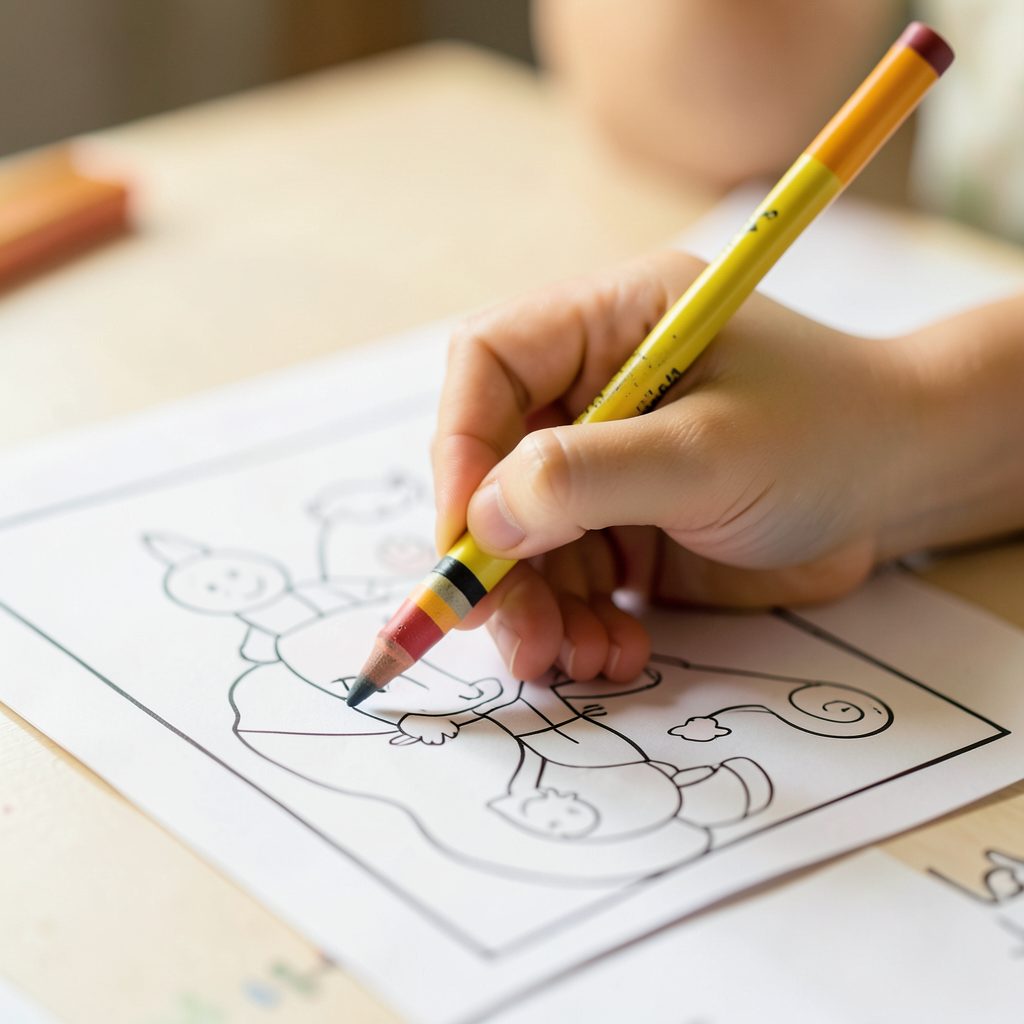
Colouring pages can turn early maths practice into a hands-on activity that feels creative rather than repetitive. As children colour objects, count pictures and trace numerals, they connect number symbols with real quantities and strengthen their fine motor skills at the same time.
This approach works at home, in a childcare setting or in an Australian primary classroom. Free printable worksheets are easy to prepare for a rainy afternoon in Melbourne, a school activity in Brisbane or a quiet learning session before weekend sport.
Choose Pages With Clear Number Concepts
Start with illustrations that show a manageable number of familiar objects. A page with five apples, seven fish or ten balloons helps children match a written numeral to a visible quantity. Animal, nature, transport and seasonal pictures are especially useful because children can name and count each item aloud.
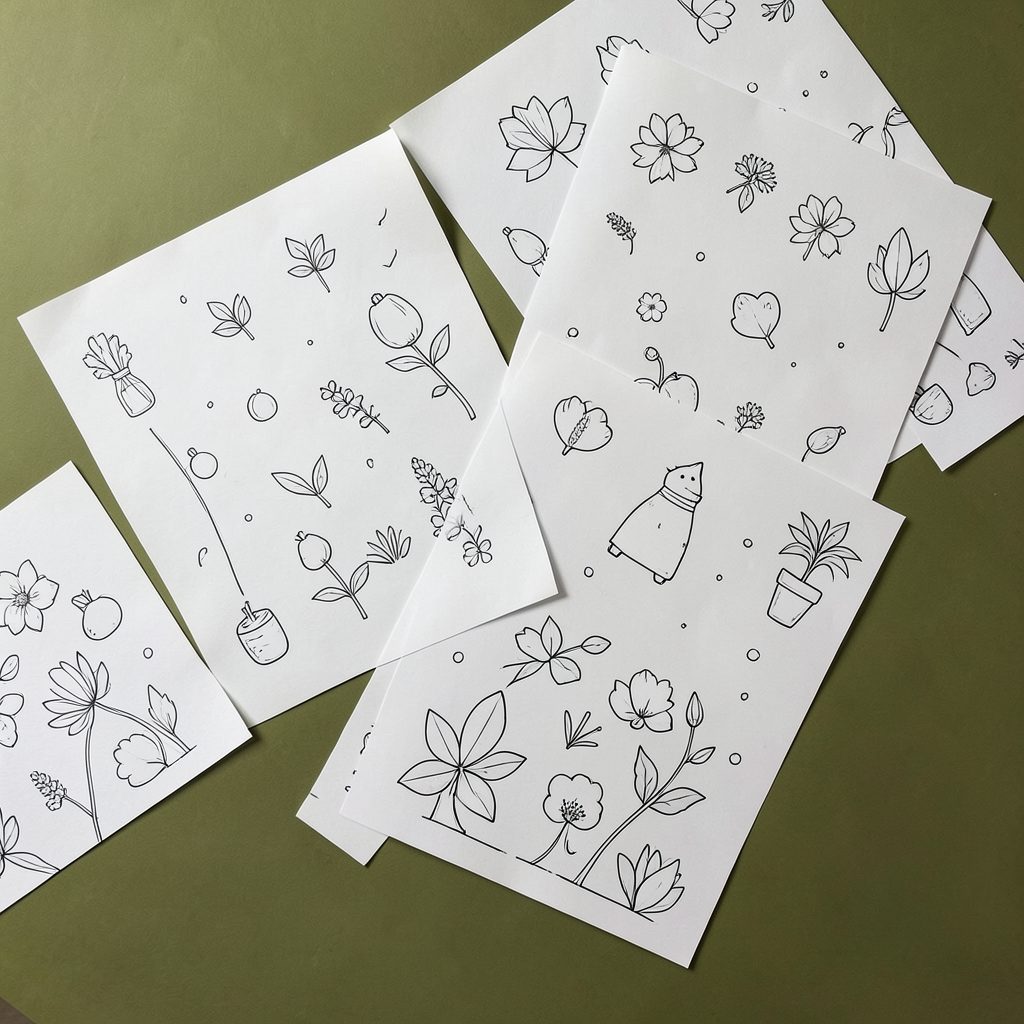
The printable colouring collection offers a broad selection of animal, cartoon, holiday and nature designs. Choose images according to the child’s level: fewer objects for beginners, larger groups for developing counters and pages with repeated patterns for children ready to compare quantities.
Ask children to colour one object at a time while saying the counting sequence. This slows the activity down and reduces the habit of rushing through numbers or skipping objects.
Build Number Recognition Step By Step
Children need to see numbers in several forms before recognition becomes automatic. On a worksheet, write a large numeral beside the matching group of pictures. Invite the child to trace the number, colour the objects and then draw the same number of dots in an empty box.
Use simple prompts such as “Show me three,” “Which group has more?” and “What number comes after six?” These questions develop one-to-one correspondence, number order and comparison vocabulary without turning the session into a formal test.
For older preschoolers, cover the numeral and ask them to identify the number from the quantity alone. Then reverse the task by showing the numeral and asking them to colour the correct number of pictures. This strengthens the link between counting and written symbols.
Turn Colouring Into Active Maths
A colouring sheet can become the starting point for movement and sorting games. After finishing a page, children might collect five toy cars, jump eight times or place three counters beneath a picture. These activities help transfer number knowledge from paper to everyday objects.
Try using Australian references that feel familiar. Count gum leaves, shells from a beach walk or players in a local footy team, while remembering that small parts should be supervised around younger children. A visit to a market in Adelaide or Perth can also become a counting exercise: count oranges, compare baskets or identify prices with adult guidance.
Keep language precise. Say “There are six birds” rather than relying only on “six,” and encourage children to explain how they know. Speaking about quantities supports mathematical thinking as well as vocabulary.
Use These Quick Classroom Activities
Short, repeatable games work well in a prep classroom, homeschool routine or after-school care programme. Print several copies, place them in a folder and reuse the same format with different themes.
- Colour the group that shows the called-out number.
- Add dots, tallies or stickers to reach a target.
- Circle the largest and smallest groups.
- Cut out numbered pictures and arrange them in order.
For a second round of practice, make the activity more social and sensory:
- Give each child a number card and matching colouring page.
- Ask pairs to compare who has more objects.
- Hide numeral cards around the room for a counting hunt.
- Use counters, blocks or pasta to model each answer.
These tasks suit mixed-ability groups because children can work with numbers from one to five, one to ten or beyond. The same worksheet can therefore support individual practice without making every child complete identical work.
Connect Digital And Printable Learning
Printable pages are valuable because they do not require a device, login or internet connection. They can be used at a kitchen table, in a classroom literacy corner or during travel. This is helpful for families managing screen time or sharing one tablet among several children.
If digital resources are included, keep the purpose clear and discuss online safety. Children should understand the difference between an educational counting game and commercial entertainment; even general mobile gaming coverage can provide a useful prompt for adults about age suitability, advertising and responsible online habits. Young children should use internet-connected devices with an adult nearby.
A balanced routine might include ten minutes of screen-free colouring, five minutes of manipulatives and a short digital activity for reinforcement. The printable page remains a visible record of learning that children can revisit later.
Compare Printable Number Formats
Different worksheet designs support different stages of number development. Choose a format based on the skill being practised rather than the child’s age alone.
| Printable format | Main skill | Useful prompt |
|---|---|---|
| Numeral with matching objects | Number recognition | “How many pictures match this number?” |
| Groups of different sizes | Counting and comparison | “Which group has more?” |
| Number tracing page | Numeral formation | “Start at the dot and follow the line.” |
| Missing-number worksheet | Number sequence | “What comes before or after?” |
| Colour-by-number design | Following instructions | “Which colour belongs to number four?” |
Finish each activity with a quick review. Ask the child to point to a numeral, count a group again or explain a choice. Keep corrections calm and specific, such as “Let’s touch each object once,” rather than simply saying an answer is wrong.
Regular short practice is usually more effective than a long worksheet session. With familiar pictures, clear prompts and plenty of encouragement, colouring becomes a practical way to develop counting, number recognition and early mathematical confidence.
Also Discover
A Legacy in Contemporary Art
Beyond coloring pages, presentcontemporaryart has a history as an association of art collectors and patrons — Associazione di Collezionisti e Mecenati. The organization promoted international exhibitions connecting Chinese, Italian, and international artists, with past events in Shanghai and Berlin.



Ready to Start Coloring?
Browse the full collection of free printable coloring pages — all just a click away.
View All Coloring Pages