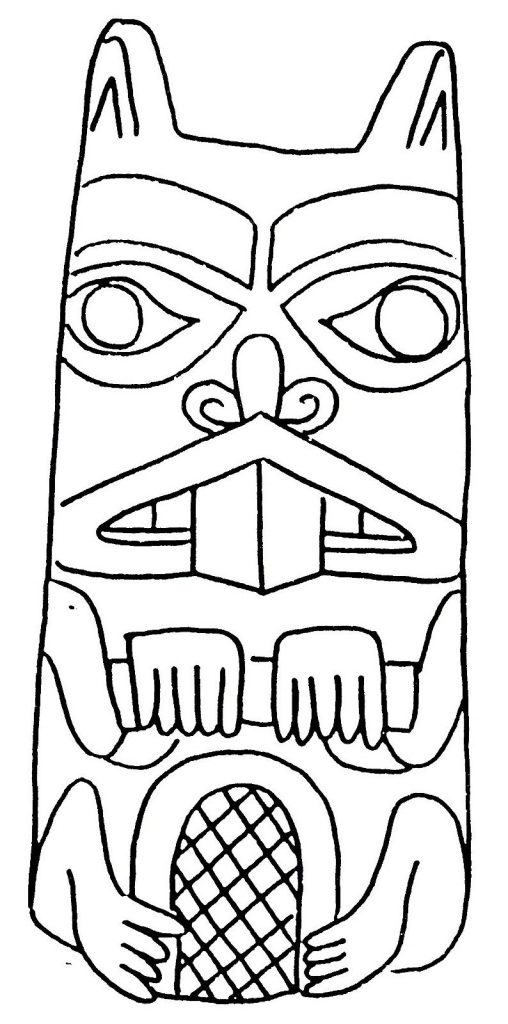
A growing collection of high-resolution coloring sheets — animals, cartoon characters, holidays, and more. Print and enjoy at home or in the classroom.
Explore the CollectionWelcome
Coloring Fun for Every Child
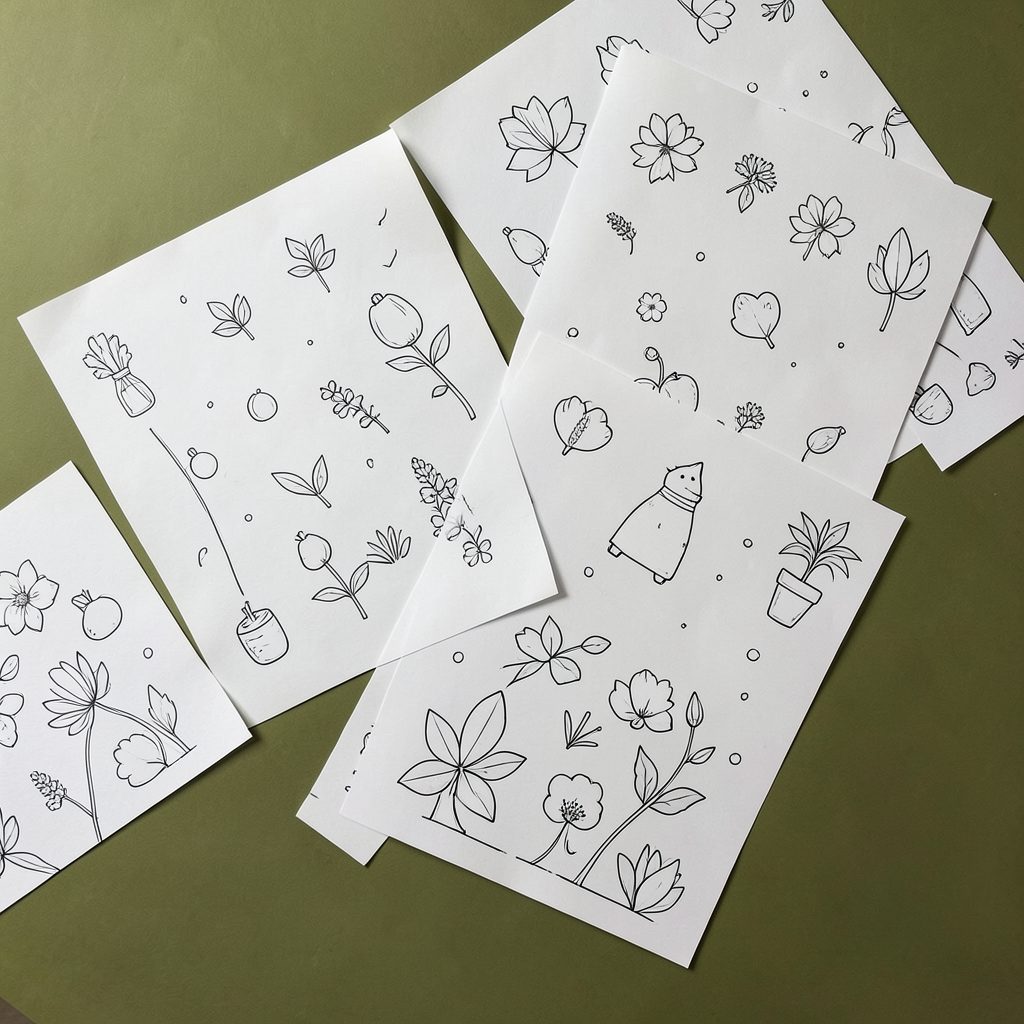
presentcontemporaryart brings together an extensive library of free printable coloring pages. From friendly giraffes and adventure-time characters to seasonal holiday sheets, there is something here to spark every child's creativity. All pages are easy to download and print at high resolution — perfect for rainy afternoons, classroom activities, or quiet time at home.
Animals & Nature
Giraffes, goldfinches, orioles, and woodland creatures — a wide selection of animal coloring pages for young nature lovers.
Cartoon Characters
Adventure Time, Land Before Time, Justin Time, and more beloved characters ready to be brought to life with color.
Holidays & Seasons
Halloween, New Year, and seasonal coloring sheets to celebrate special times throughout the year.
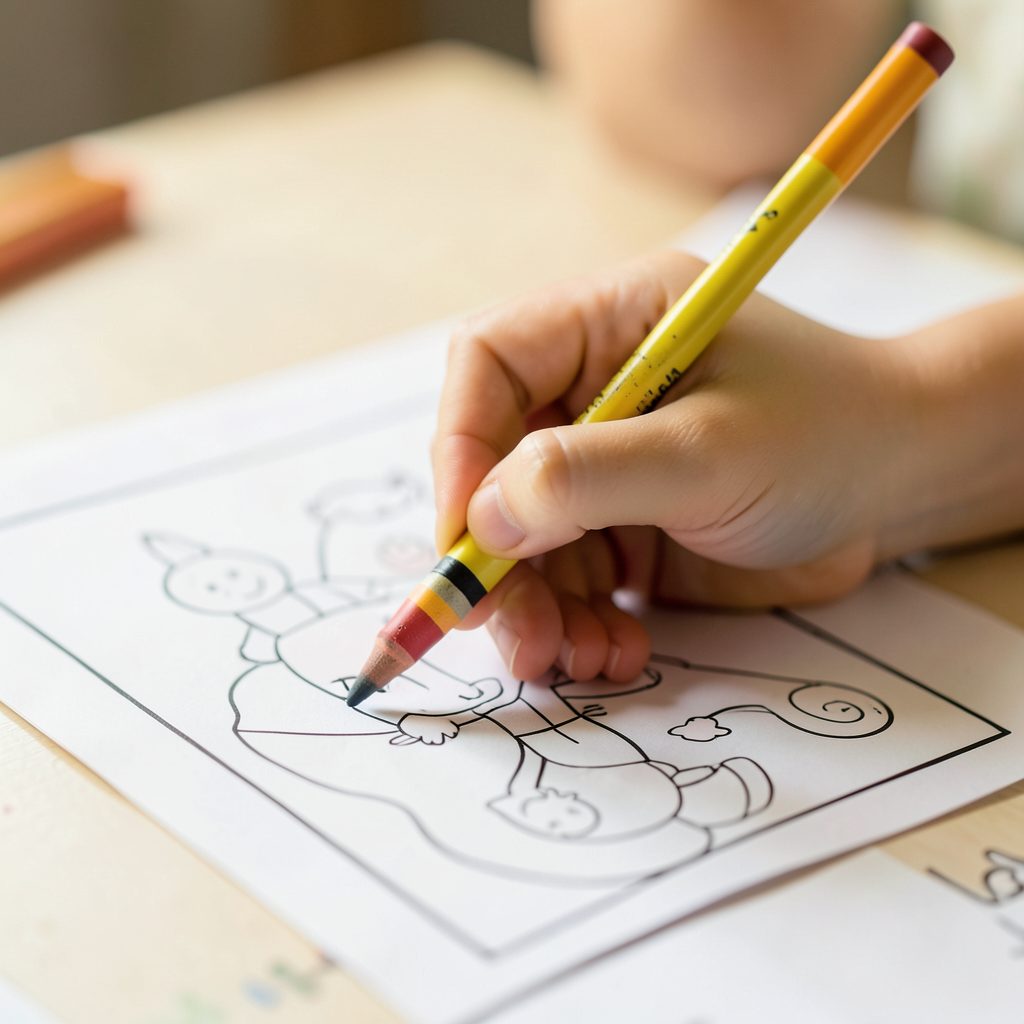
How to use coloring pages to teach color recognition
Colour recognition is one of the earliest visual skills a child develops, and printable colouring sheets turn that learning moment into something hands-on and enjoyable. For parents and educators across Australia, this approach blends play with clear learning outcomes, especially in the early years when children are absorbing language and visual cues at a remarkable pace.
A well-chosen colouring page does more than keep little hands busy. It invites repeated exposure to colour names, encourages fine motor control, and gives children a reason to pause, observe and choose. When guided by an adult, even a simple colouring session becomes a structured lesson in perception and decision-making.
In Australian households, kindergartens and long daycare centres, free printable resources are particularly valuable. Centres in Melbourne, Sydney, Brisbane, Perth and regional towns often look for flexible materials that fit the Early Years Learning Framework without adding to tight classroom budgets. Colouring pages meet that need while supporting literacy and numeracy goals through visual cues.
The following guide explores practical ways to turn a stack of printables into a rich learning experience. From selecting the right illustrations to building vocabulary and tracking progress, each step helps children move from simply filling shapes to genuinely identifying and naming colours.
Choosing printable pages that reinforce colour learning
The first step is selecting designs that naturally prompt colour choices. Pages with clearly defined sections, bold outlines and recognisable subjects help children focus on choosing hues rather than figuring out what to colour. Animal illustrations such as a kangaroo, koala or wombat are familiar to Australian children and create instant engagement.
Cartoon characters and seasonal themes also work well, particularly around Easter, Christmas or the back-to-school period in late January. Younger children respond to images that reflect their world, so a page featuring a galah, a frilled-neck lizard or a surf lifesaver can spark conversation as well as colouring. The key is to choose illustrations where the colour choice feels intuitive, like making the ocean blue or the gum leaves green.
Avoid overly detailed designs for beginners. Tiny shapes and complex patterns can overwhelm a child who is still learning basic colour names, leading to frustration rather than confidence. Save intricate mandalas and realistic scenery for older children or for when basic recognition is already secure.
Building colour vocabulary through guided sessions
Naming colours while colouring turns a quiet activity into a shared conversation. Instead of asking a child to "colour the sky", an adult can offer two crayons and ask "which one looks more like the sky we saw at Bondi Beach?" This phrasing introduces comparison, observation and language in a single step.
Repeating colour names throughout the session helps retention. Phrases like "you're using the burnt sienna on the kangaroo's fur" or "that's a lovely turquoise for the reef fish" introduce descriptive vocabulary beyond the basic primary colours. Children in Australian prep classes often surprise adults by picking up nuanced shades once these words are used consistently.
It also helps to slow down. Pause when a child selects a colour and gently confirm or expand their choice. A simple "yes, that's exactly the colour of a magpie's wing" reinforces both the visual match and the spoken word. Over time, these small interactions build a strong internal colour library.
Comparing different printable styles for different goals
| Page style | Best for | Skill focus | Age range |
|---|---|---|---|
| Bold animal outlines | First colour recognition | Basic hue naming | 3–5 years |
| Seasonal scenes | Vocabulary building | Descriptive colour words | 4–6 years |
| Cartoon characters | Engagement and choice | Colour preference | 4–7 years |
| Nature landscapes | Observation skills | Real-world matching | 5–8 years |
| Abstract patterns | Fine motor control | Shade gradation | 6–9 years |
This comparison helps adults pick pages that match a child's current stage. A four-year-old in a Brisbane childcare centre will benefit most from bold outlines, while a school-age child can handle the more nuanced shade work found in landscapes.
Sorting and grouping activities with finished pages
Once a child has completed several sheets, the pages themselves become learning tools. Cutting out coloured shapes and sorting them into jars, envelopes or paper plates by colour family helps children see relationships between shades. This is a popular activity in many long daycare centres in Adelaide and Canberra.
Children can also group finished pages by theme. Put all the Australian animal sheets together, the seasonal designs in another pile, and the cartoon characters in a third. This builds categorisation skills alongside colour awareness and gives a sense of ownership over their completed work.
For a more active approach, lay several pages on the floor and ask the child to hop to the page with the most green, or crawl to the page with the most blue. Movement keeps younger children engaged and links colour recognition to a kinesthetic memory that often lasts longer than visual recall alone.
Taking colour learning outside the classroom
Australian weather lends itself beautifully to outdoor colouring sessions. Setting up a table in the backyard, on a veranda or at a local park allows children to compare their crayon choices to real life. The red of a bottlebrush flower, the grey of a possum at dusk, or the orange dirt of the outback all become reference points.
Nature walks before colouring sessions are especially effective. Ask children to point out three green things, two brown things and one yellow thing. Back at the colouring page, they can then apply those exact shades. This bridges the gap between abstract colour names and the living environment they encounter every day.
Even simple outings, like a trip to a farmers' market in Hobart or a visit to Taronga Zoo, can become colour scavenger hunts. Bringing these experiences into the colouring activity makes the learning feel connected to the child's actual world rather than something confined to a worksheet.
Matching printed colours to everyday objects
A fun extension is to ask children to find objects at home that match colours they used on a page. A red crayon might lead them to a tomato, a fire truck toy or a strawberry. This activity strengthens memory and shows children that colours exist everywhere, not just on paper.
Household sorting games work well too. Children can group socks, pencils or building blocks by colour after a colouring session, reinforcing the same categorisation in a different context. Parents often find this approach quietly extends learning into everyday routines without needing extra materials.
Teachers in Australian primary schools sometimes pair colouring pages with classroom displays. Children contribute coloured shapes that are then arranged into a class mural, linking individual work to a shared visual outcome. It builds pride and gives colour recognition a social dimension.
Simple strategies that make colour learning stick
- Read colour names aloud while colouring and ask the child to repeat them.
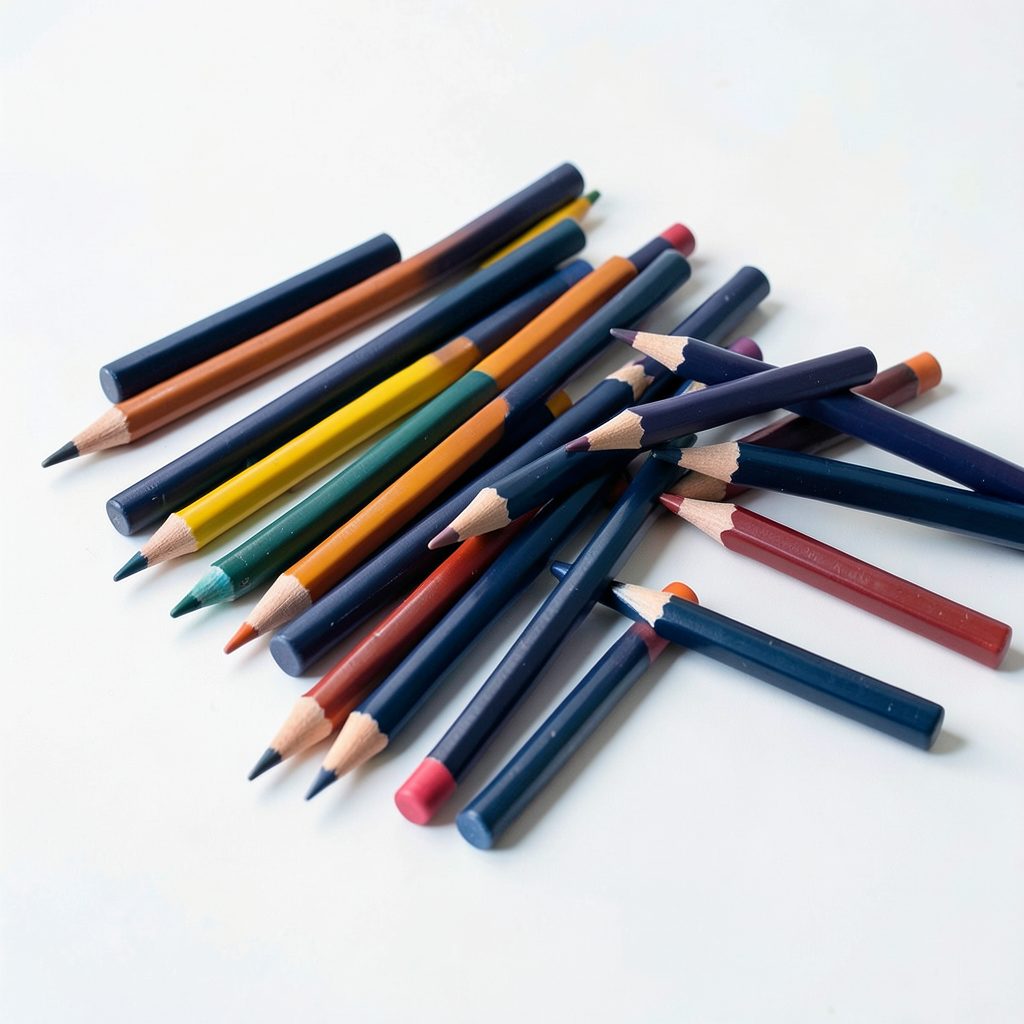
- Limit the crayon box to a few colours at a time so choices feel meaningful.
- Use completed pages as sorting materials for follow-up games.
- Tie colouring to recent experiences like a beach trip or a visit to the garden.
- Celebrate progress by displaying finished work at child height where it can be admired.
For families and educators looking to expand their collection, reaching out through the contact page is a straightforward way to request themed sets or share feedback on what works best in local classrooms. Suggestions from centres in regional towns often help shape new resources suited to Australian seasonal celebrations and the varied ways children engage with colour from their very first crayon.
Also Discover
A Legacy in Contemporary Art
Beyond coloring pages, presentcontemporaryart has a history as an association of art collectors and patrons — Associazione di Collezionisti e Mecenati. The organization promoted international exhibitions connecting Chinese, Italian, and international artists, with past events in Shanghai and Berlin.



Ready to Start Coloring?
Browse the full collection of free printable coloring pages — all just a click away.
View All Coloring Pages