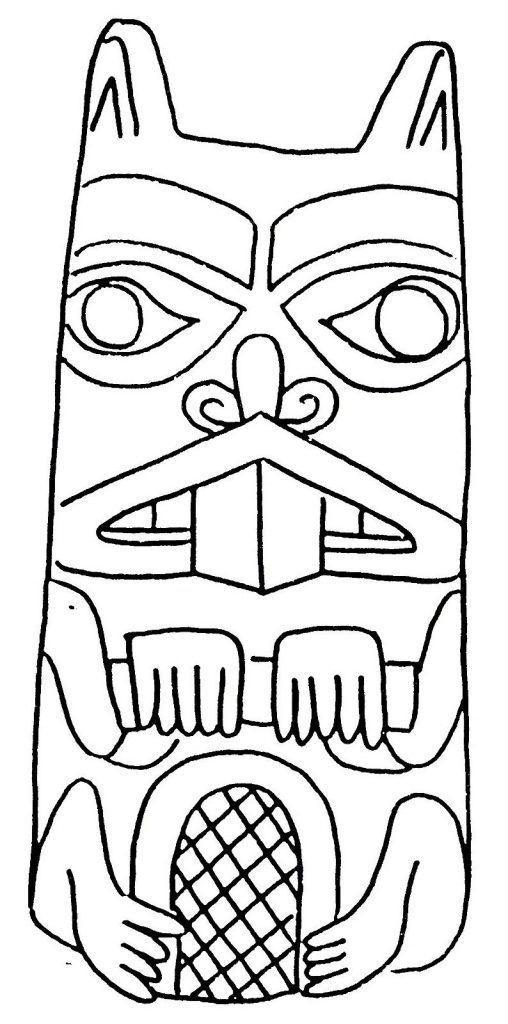
A growing collection of high-resolution coloring sheets — animals, cartoon characters, holidays, and more. Print and enjoy at home or in the classroom.
Explore the CollectionWelcome
Coloring Fun for Every Child
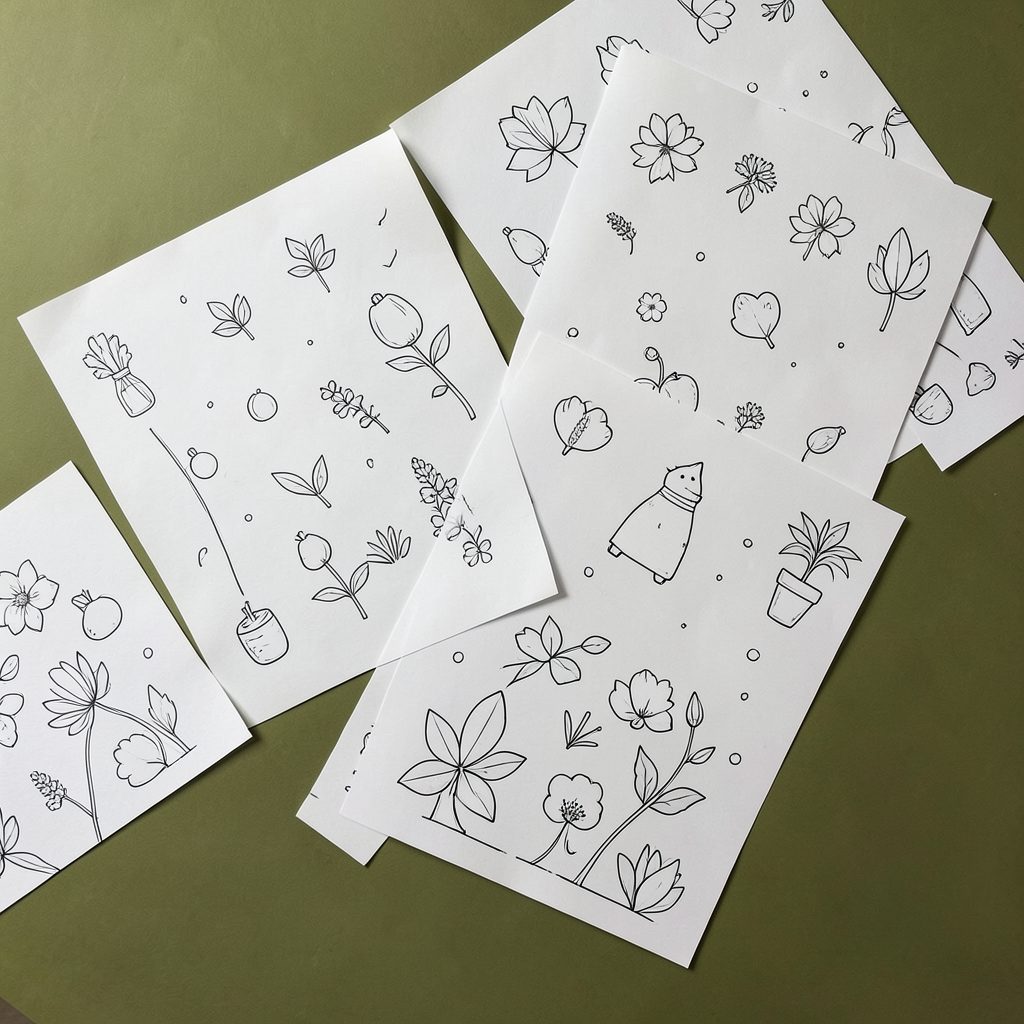
presentcontemporaryart brings together an extensive library of free printable coloring pages. From friendly giraffes and adventure-time characters to seasonal holiday sheets, there is something here to spark every child's creativity. All pages are easy to download and print at high resolution — perfect for rainy afternoons, classroom activities, or quiet time at home.
Animals & Nature
Giraffes, goldfinches, orioles, and woodland creatures — a wide selection of animal coloring pages for young nature lovers.
Cartoon Characters
Adventure Time, Land Before Time, Justin Time, and more beloved characters ready to be brought to life with color.
Holidays & Seasons
Halloween, New Year, and seasonal coloring sheets to celebrate special times throughout the year.
How Printable Colouring Pages Teach Colour Mixing
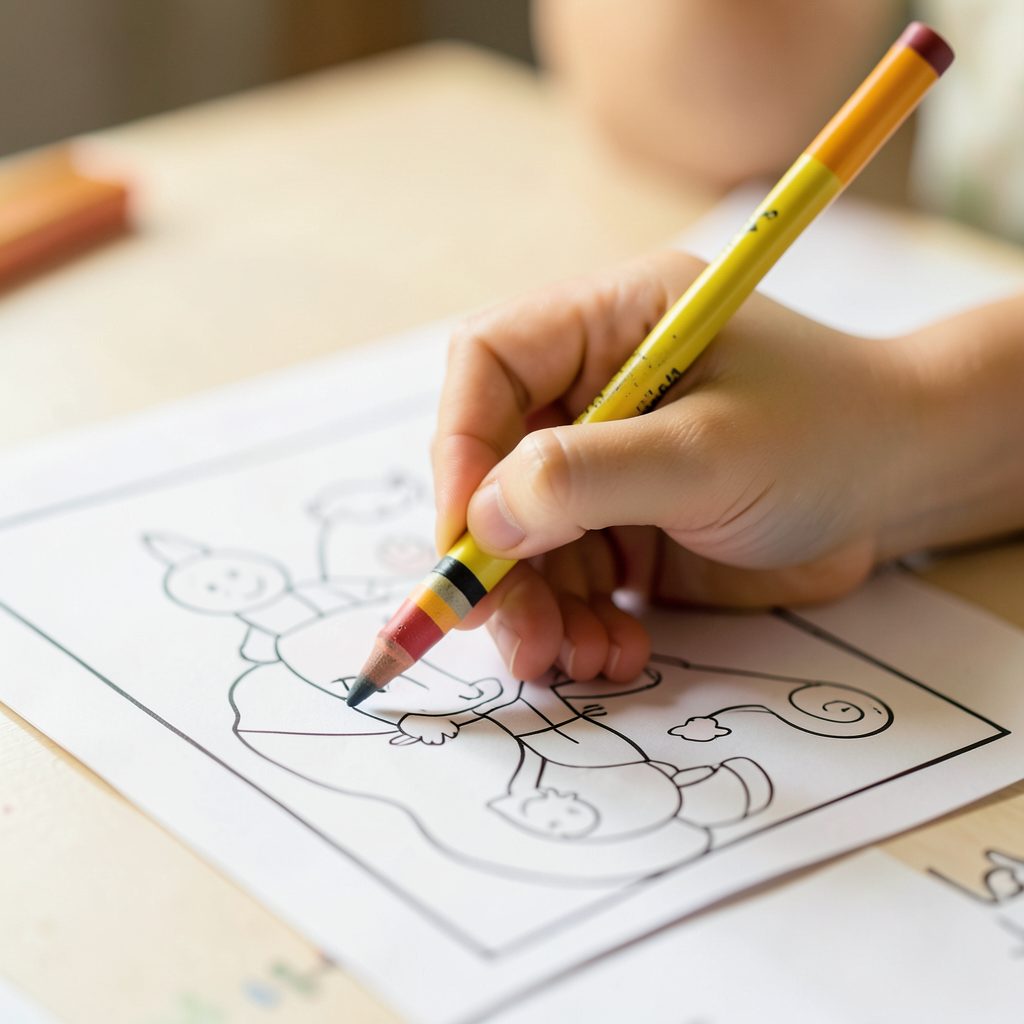
Colour mixing becomes easier for children when they can see the results of each small change. A printed picture gives them a clear space to test what happens when blue meets yellow, or when a little white turns red into pink.
This activity connects art with early science. Children make a prediction, apply a colour, observe the result and explain what changed. The process works at home, in an Australian primary classroom or during a relaxed creative afternoon.
Free worksheets are especially useful because every child can begin with the same outline. Families can print several copies, while teachers can prepare a class set without registration or a large materials budget.
Animal, nature, seasonal and cartoon designs help keep the lesson inviting. A child who is excited to colour a koala, footy ball or coral reef is often willing to experiment with shades for longer.
Why Colour Mixing Belongs on the Page
Colouring pages give children an immediate visual record of their choices. Instead of mixing paint on a palette and wiping it away, they can compare several versions of the same object on one sheet.
Start with the three primary colours: red, yellow and blue. Ask children to predict the result of combining two colours, then let them test the idea with pencils, crayons, markers or paint. The prediction makes the activity thoughtful rather than purely decorative.
Prepare a Simple Colour Lab
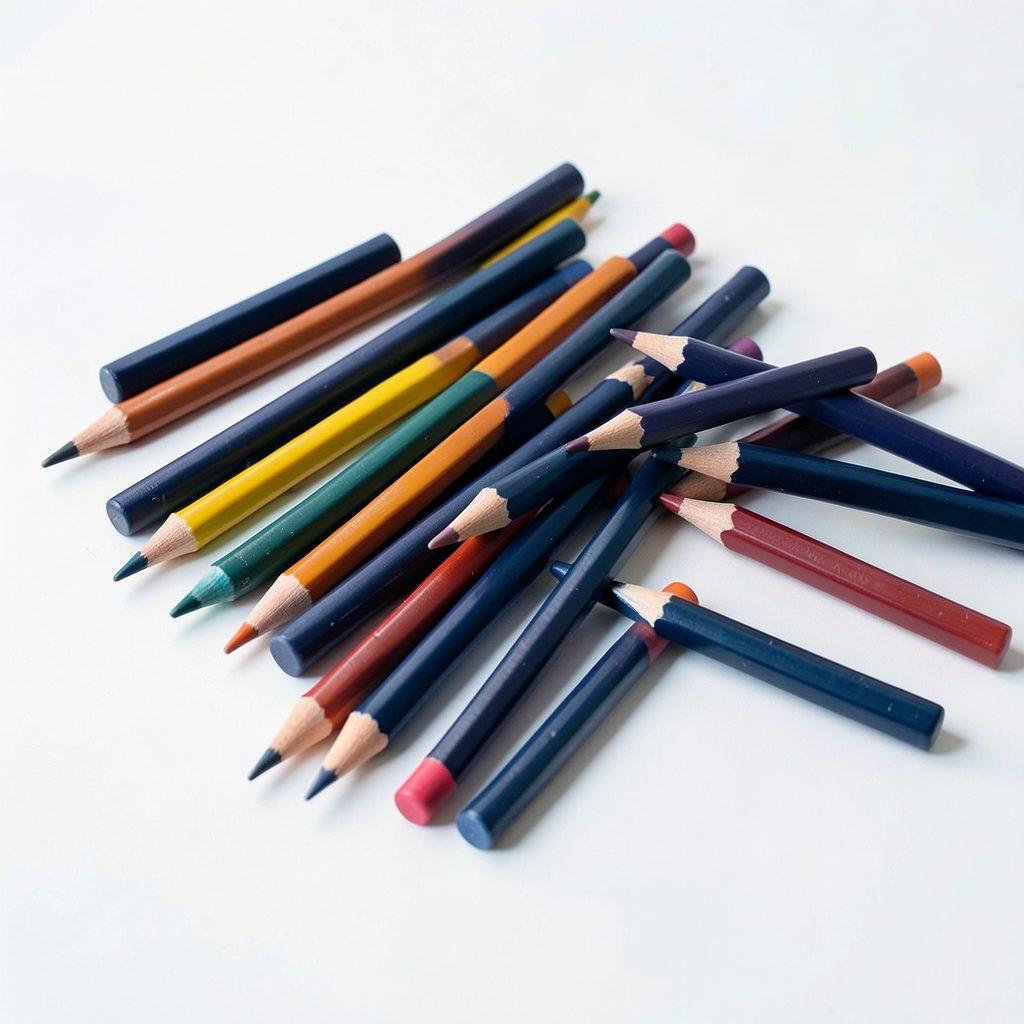
Set out red, yellow, blue, black and white supplies, along with scrap paper for trials. Watercolours and poster paint show blending clearly, while coloured pencils are easier to control for younger children. A small amount of water and a protective mat are helpful for busy family rooms or classrooms.
Choose printable colouring pages with large, uncomplicated shapes. An animal face, flower or vehicle allows children to fill one area with a pure colour and another with a mixed shade.
Build Colour Vocabulary Step by Step
Introduce primary, secondary and tertiary colours through practical examples. Red and yellow make orange, yellow and blue make green, and blue and red make purple. Children can create a mini colour wheel around the edge of the page.
Add language such as tint, shade, light, dark, warm and cool. White creates a tint, while black creates a shade. Encourage phrases like “I used more yellow” or “This green is cooler” so children connect visual changes with precise vocabulary.
Connect Pictures With Australian Surroundings
Local subjects make colour theory feel relevant. A gum leaf can lead to several greens, an Uluru-inspired landscape can explore reds and oranges, and a Great Barrier Reef scene can include turquoise, blue-green and coral tones. These examples support discussions about nature without requiring a complicated lesson.
Seasonal pages can reflect Australian conditions too. Children might colour a sunny beach scene, a rainy winter garden or a spring wildflower design. A short “arvo” art session at home can become a calm way to explore how adding white or a neighbouring colour changes the mood of an image.
Use Short Games to Reinforce Learning
Keep practice active by turning each page into a small colour challenge. Children can work alone, with a sibling or in pairs, then compare how different quantities produced different results.
Useful prompts include:
- Mix a new green for a frog or gum leaf.
- Create three blues for sky, ocean and shadow.
- Make a warm orange and a cool orange.
- Find a tint that would suit a cloud or flower.
A teacher can display the finished pages on a classroom wall, while families can place them on the fridge. The emphasis should be on noticing and explaining colour choices, rather than producing a perfect picture.
Support Different Ages And Learning Needs
Younger children can begin with two colours and large shapes. Offer a limited palette and let them repeat the same experiment several times. Older children can mix tertiary colours, record ratios and investigate complementary colours such as blue and orange.
A simple observation list helps adults notice progress:
- Names primary and secondary colours.
- Predicts a likely result before mixing.
- Adjusts a colour using white, black or another hue.
- Explains a choice with descriptive language.
For children who find fine-motor tasks difficult, use thicker crayons, broad markers or larger printable designs. Visual colour cards, verbal modelling and shared painting can make the activity accessible without reducing its creative value.
Compare Colour Mixing Activities
Different materials produce different learning experiences. Choosing the right format depends on the child’s age, the available time and whether the goal is experimentation, control or vocabulary development.
| Activity format | Best for | Colour result | Adult preparation |
|---|---|---|---|
| Watercolour painting | Seeing gradual blending | Soft and transparent | Moderate |
| Poster paint | Strong primary and secondary colours | Bold and opaque | Moderate |
| Coloured pencils | Controlled shading | Layered and precise | Low |
| Wax crayons | Younger children and quick practice | Bright with limited blending | Very low |
| Markers | Fast colour comparison | Clear, saturated areas | Low |
A printable outline can be reused with several media, allowing children to compare how the same red, yellow or blue behaves in paint, pencil and crayon. This makes the learning visible and gives Australian families and schools a practical activity that is affordable, flexible and easy to store.
Also Discover
A Legacy in Contemporary Art
Beyond coloring pages, presentcontemporaryart has a history as an association of art collectors and patrons — Associazione di Collezionisti e Mecenati. The organization promoted international exhibitions connecting Chinese, Italian, and international artists, with past events in Shanghai and Berlin.


Ready to Start Coloring?
Browse the full collection of free printable coloring pages — all just a click away.
View All Coloring Pages