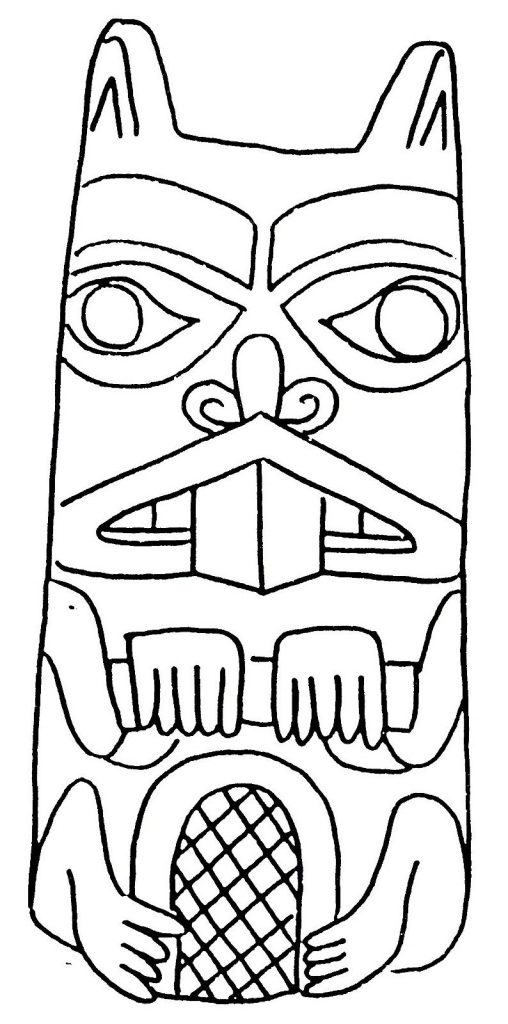
A growing collection of high-resolution coloring sheets — animals, cartoon characters, holidays, and more. Print and enjoy at home or in the classroom.
Explore the CollectionWelcome
Coloring Fun for Every Child
presentcontemporaryart brings together an extensive library of free printable coloring pages. From friendly giraffes and adventure-time characters to seasonal holiday sheets, there is something here to spark every child's creativity. All pages are easy to download and print at high resolution — perfect for rainy afternoons, classroom activities, or quiet time at home.
Animals & Nature
Giraffes, goldfinches, orioles, and woodland creatures — a wide selection of animal coloring pages for young nature lovers.
Cartoon Characters
Adventure Time, Land Before Time, Justin Time, and more beloved characters ready to be brought to life with color.
Holidays & Seasons
Halloween, New Year, and seasonal coloring sheets to celebrate special times throughout the year.
How to Use Coloring Pages in Homeschool Lessons
Coloring pages can turn an ordinary homeschool activity into a flexible learning experience. A child may begin by choosing colors, yet the same printable worksheet can lead into reading, science, geography, handwriting, or creative storytelling.
The key is to connect the picture with a clear learning goal. An animal illustration can support a nature study, while a holiday design can introduce history, cultural traditions, or descriptive writing. This approach keeps lessons hands-on without requiring complicated materials.
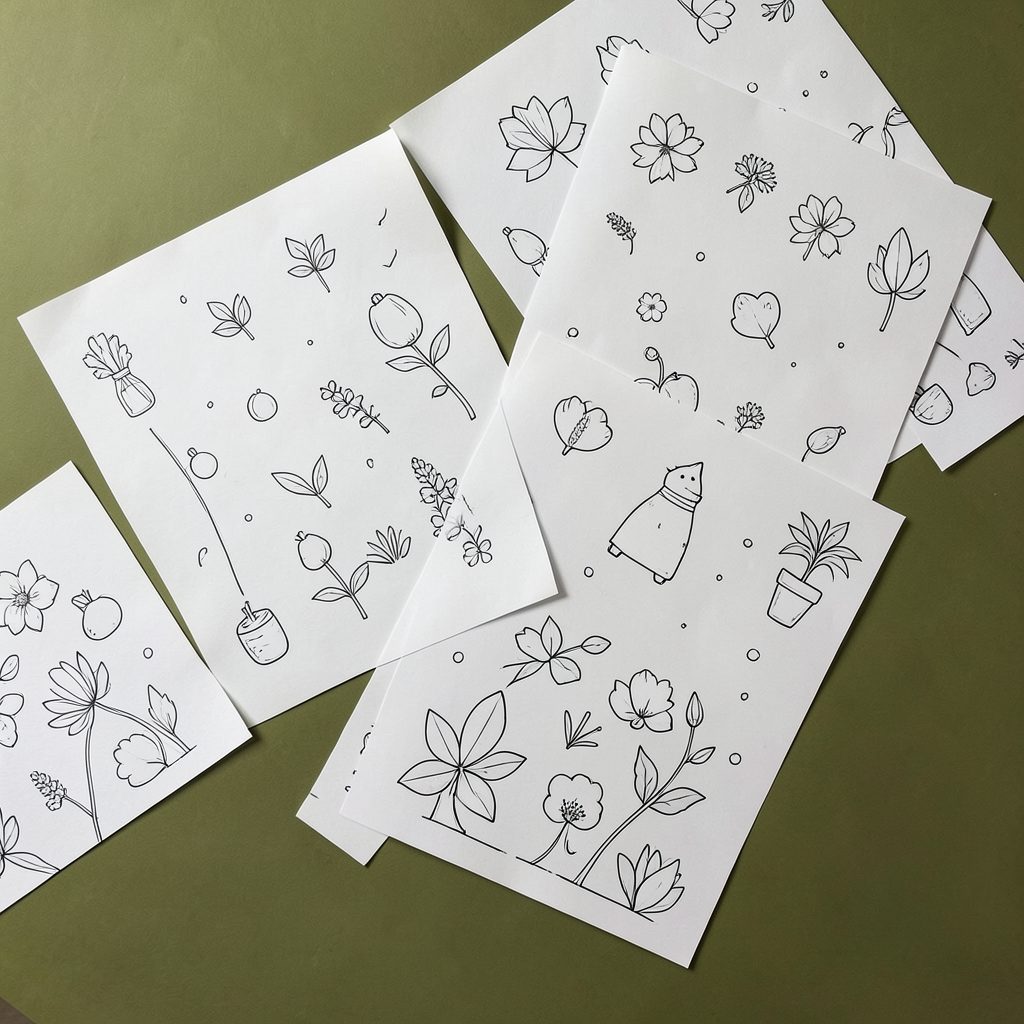
Present Contemporary Art offers free, printable coloring pages organized into themes such as animals, nature, cartoons, sports, holidays, and seasons. Families can download pages without registration and use them at home, in a co-op, or during independent creative time.
Turn a coloring page into a lesson starter
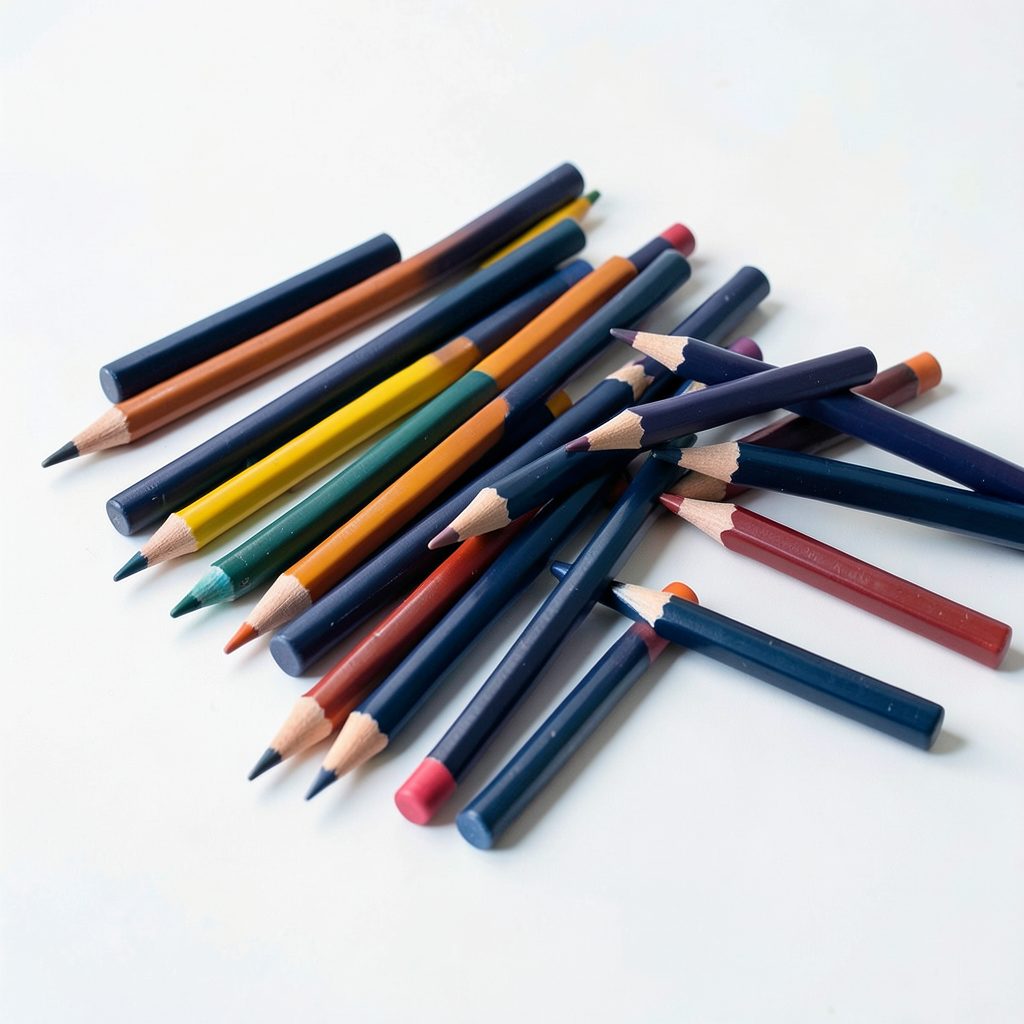
Begin with a short conversation before giving your child crayons or colored pencils. Ask them to identify objects in the picture, describe what they notice, or predict where the scene might take place. These prompts build observation skills and encourage complete-sentence answers.
For younger learners, name colors, shapes, and familiar objects together. Older children can research the subject before coloring. A page featuring a frog, for example, could introduce amphibian habitats, life cycles, diet, and vocabulary such as “camouflage” or “metamorphosis.”
Support reading and language arts
A printable coloring sheet can become a simple reading comprehension tool. Choose a character or setting and ask your child to create a short story around the image. They might write a beginning, middle, and ending, then color details that match the events.
You can also use themed pages for vocabulary practice. A sports illustration may inspire action words, while a seasonal design can support descriptive adjectives. Ask children to label objects, write a caption, or create a five-sentence paragraph based on the finished picture.
Reinforce science and social studies
Nature coloring pages work especially well with elementary science. After coloring an insect, plant, or wild animal, children can sort it by habitat, classify its features, or explain how it survives. Pairing art with a brief book or video helps connect visual learning to factual knowledge.
Holiday and cultural illustrations can support age-appropriate social studies lessons. Discuss the origins of a celebration, compare traditions, or locate a related country on a map. Encourage respectful curiosity and explain that customs may vary between families and communities.
| Learning goal | Suitable page themes | Follow-up activity |
|---|---|---|
| Animal science | Farm, zoo, forest, and ocean animals | Label body parts or research habitats |
| Early literacy | Cartoon characters and familiar objects | Tell a story or practice beginning sounds |
| Geography | Cultural, travel, and seasonal scenes | Find a location on a map |
| Health and movement | Sports and active games | Describe rules, muscles, or teamwork |
| Nature study | Flowers, trees, insects, and weather | Keep a seasonal observation journal |
Practice math through visual details
Coloring activities can provide informal math practice without feeling like a worksheet. Ask children to count objects, compare sizes, identify patterns, or group items by color. A page with several sports balls can introduce sorting, tally marks, and simple addition.
Older students can create their own math questions from an illustration. They might calculate how many objects would remain after some are removed or measure the perimeter of a simple shape. Patterned designs also offer opportunities to discuss symmetry, repetition, and geometric forms.
Build fine-motor and independent learning skills
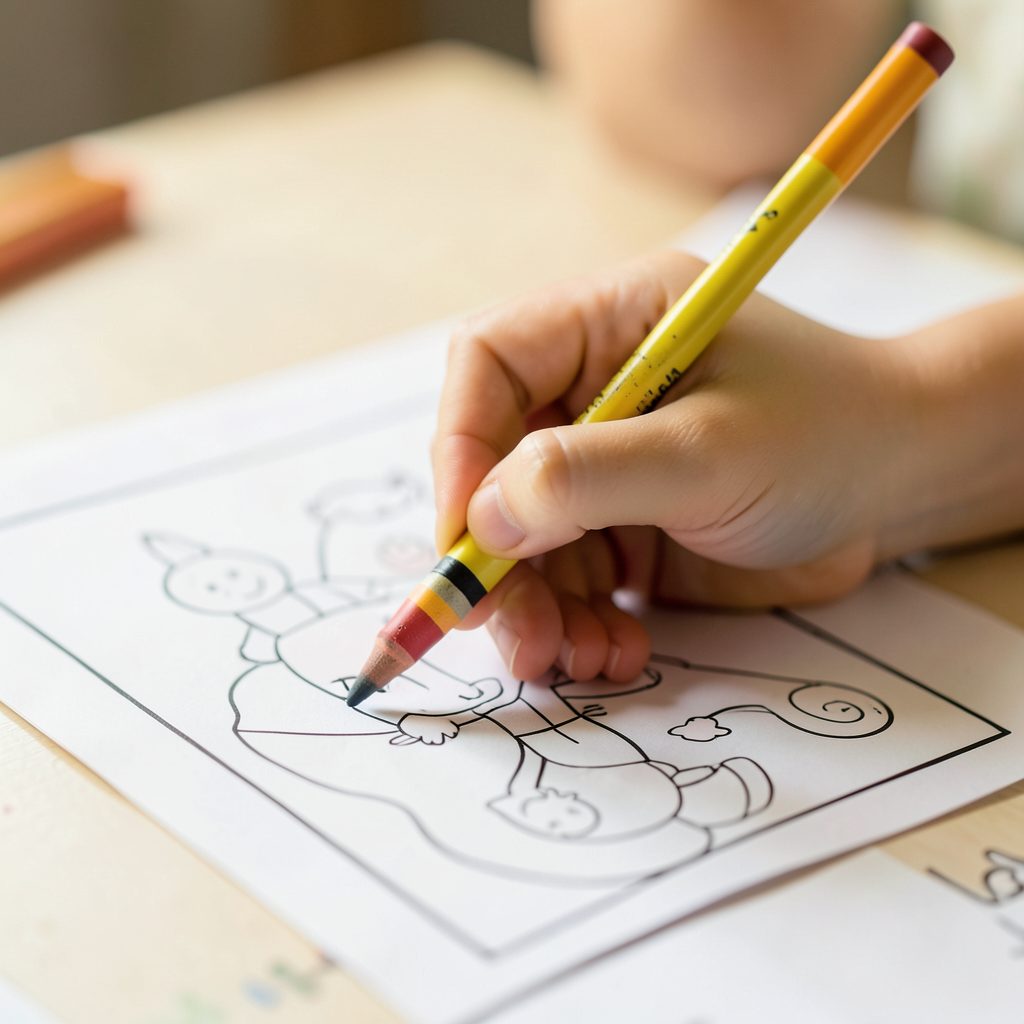
Holding crayons, pencils, or markers helps young children develop hand strength and coordination. Encourage a comfortable grip and allow them to work at their own pace. Staying within lines can be a goal, but creative control matters more than perfect precision.
Give older children responsibility for selecting a page, gathering supplies, and deciding how to present their work. This creates a small independent study routine. A child may choose an animal page for a science notebook or prepare a seasonal illustration for a homeschool display.
Practical ways to plan creative lessons
A little structure helps coloring remain connected to the broader homeschool schedule. Choose pages that match current units, but leave room for personal interests. A child who loves dinosaurs, for instance, may be more willing to practice writing or research when the topic begins with a favorite illustration.
Keep basic supplies accessible and store completed work in portfolios or subject folders. Reviewing the pages later can show progress in handwriting, detail, knowledge, and confidence.
- Match each page with one simple learning objective.
- Let children choose colors and add original details.
- Combine coloring with books, nature walks, maps, or experiments.
- Use finished artwork as a prompt for speaking or writing.
- Save selected pages to document growth over the school year.
Adapt activities for different ages
Preschool children may focus on color recognition, vocabulary, and hand control. Early elementary students can add labels, short sentences, counting tasks, or simple research. Middle school learners may use an illustration as the starting point for a longer report, presentation, or design project.
Siblings can work with the same theme at different levels. One child might color and name parts of a flower, while another explains pollination and writes a paragraph about ecosystems. This keeps family learning connected while respecting individual abilities.
Make creativity part of the routine
Coloring pages fit naturally into morning baskets, unit studies, quiet afternoons, and lesson reviews. They can provide a calm transition between subjects or a meaningful activity for children who finish early. Since the pages are printable and easy to organize, parents can prepare a small selection for the week.
Browse the free collection at Present Contemporary Art, choose a theme that supports your current homeschool goals, and turn a simple coloring page into an engaging opportunity to learn, create, and share ideas.
Also Discover
A Legacy in Contemporary Art
Beyond coloring pages, presentcontemporaryart has a history as an association of art collectors and patrons — Associazione di Collezionisti e Mecenati. The organization promoted international exhibitions connecting Chinese, Italian, and international artists, with past events in Shanghai and Berlin.



Ready to Start Coloring?
Browse the full collection of free printable coloring pages — all just a click away.
View All Coloring Pages