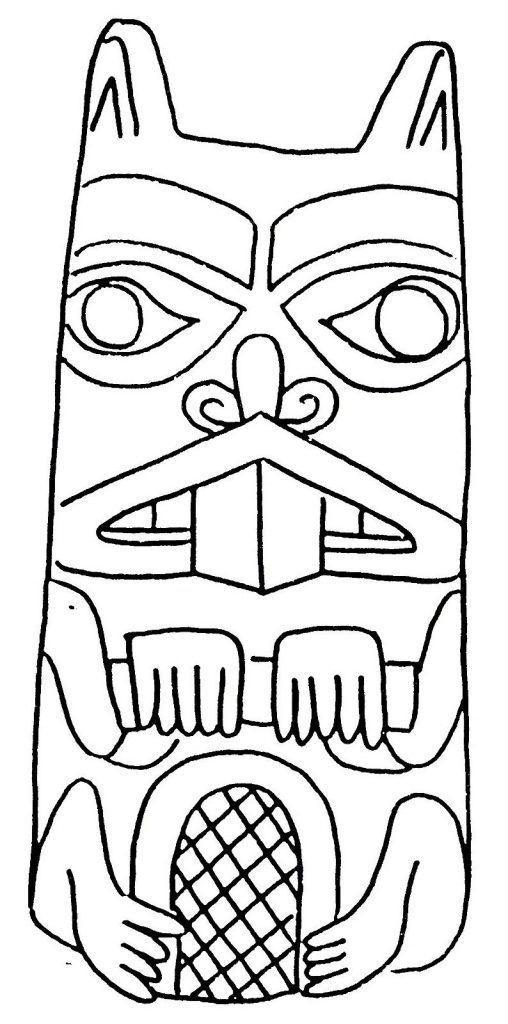
A growing collection of high-resolution coloring sheets — animals, cartoon characters, holidays, and more. Print and enjoy at home or in the classroom.
Explore the CollectionWelcome
Coloring Fun for Every Child
presentcontemporaryart brings together an extensive library of free printable coloring pages. From friendly giraffes and adventure-time characters to seasonal holiday sheets, there is something here to spark every child's creativity. All pages are easy to download and print at high resolution — perfect for rainy afternoons, classroom activities, or quiet time at home.
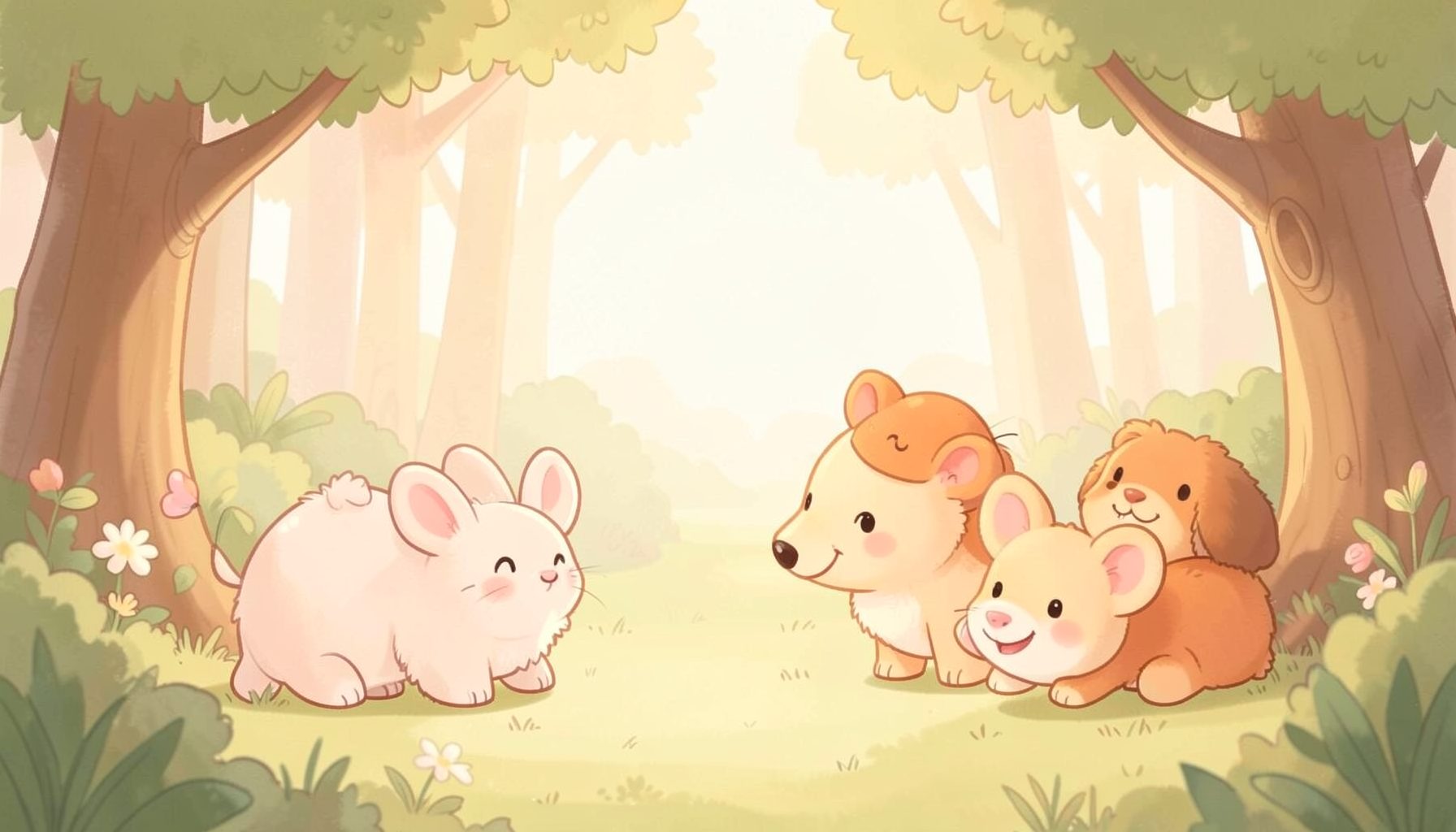
Animals & Nature
Giraffes, goldfinches, orioles, and woodland creatures — a wide selection of animal coloring pages for young nature lovers.
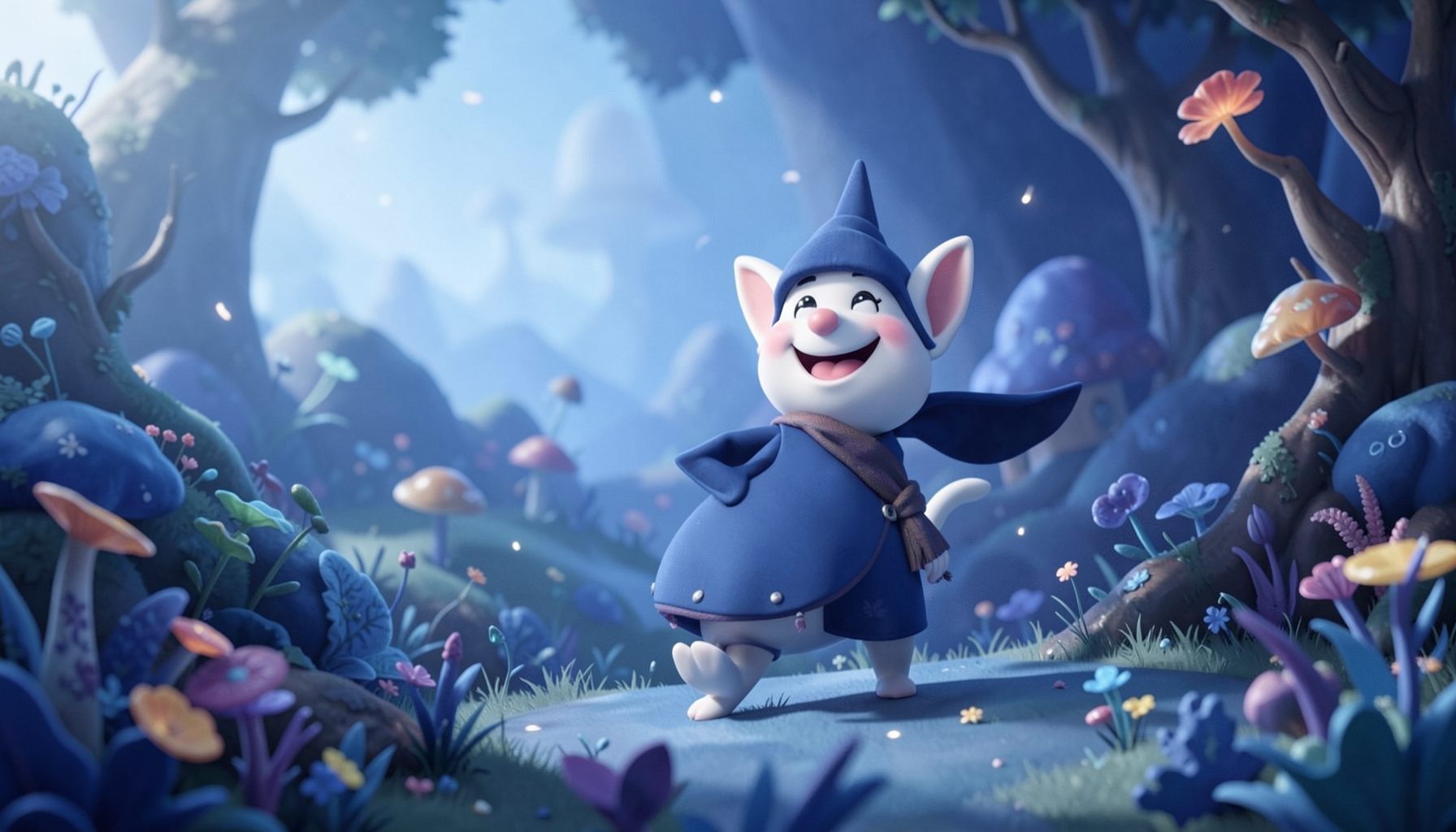
Cartoon Characters
Adventure Time, Land Before Time, Justin Time, and more beloved characters ready to be brought to life with color.
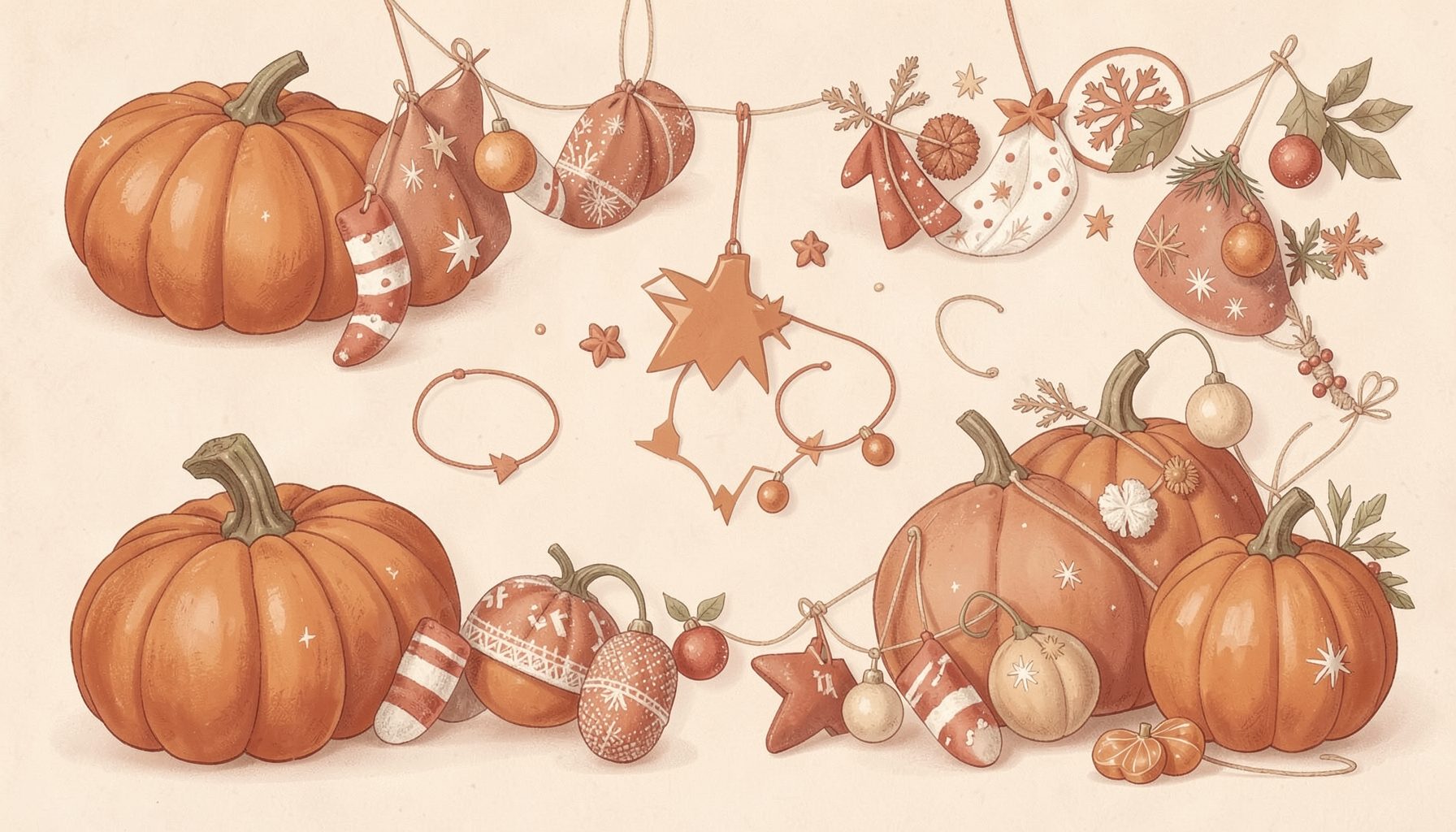
Holidays & Seasons
Halloween, New Year, and seasonal coloring sheets to celebrate special times throughout the year.
Using colouring pages for mindful calm with kids
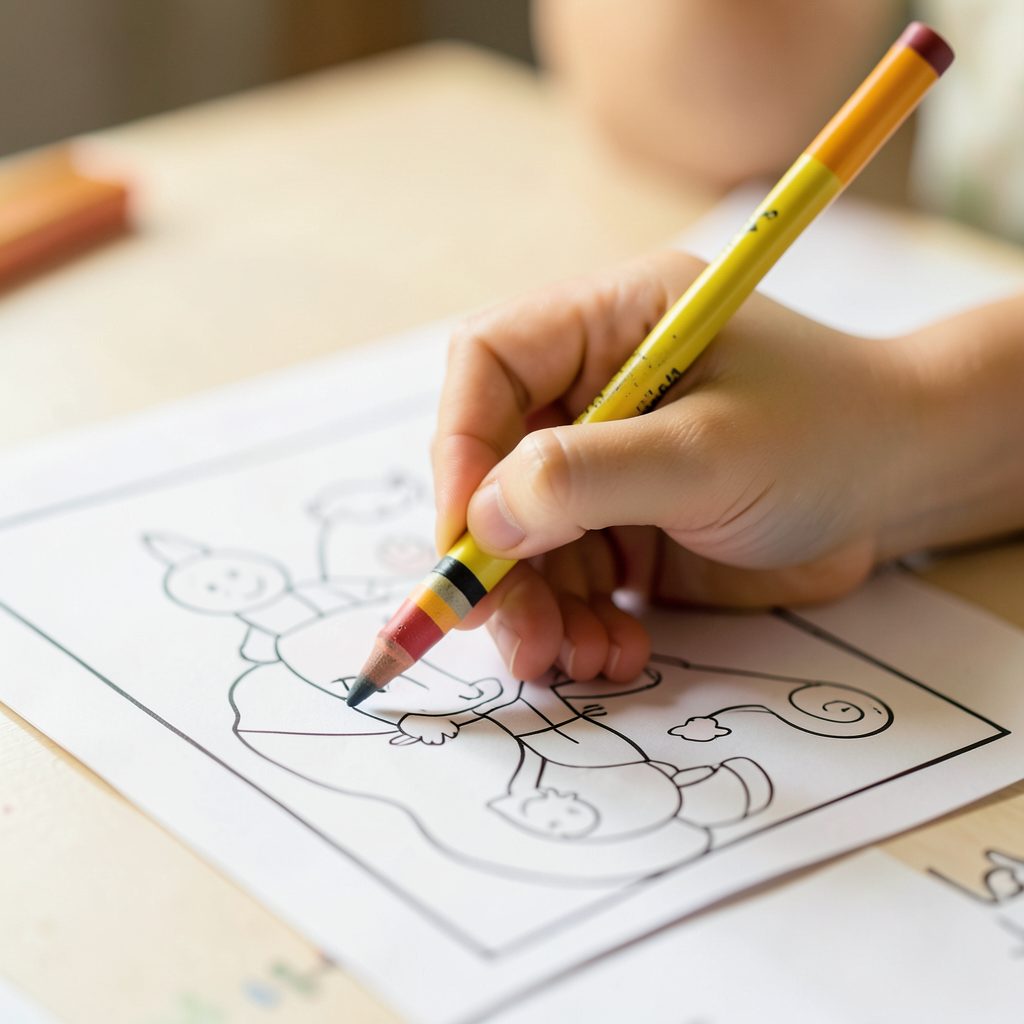
Using colouring pages for mindfulness with kids can turn an ordinary creative activity into a shared moment of calm. At Present Contemporary Art, children can choose free, printable pictures without an adult creating an account. Animals, nature scenes, cartoon characters, sports and seasonal designs make it easy for each child to find an image that holds their attention.
The goal is not a perfect finished picture. It is a gentle shift from racing thoughts to noticing the page, the breath and the person beside you. Young children may need simple directions, while older children can experiment with colour, pattern and space. The same quiet setting works at the kitchen table, in a primary-school classroom or during a community craft session.
Australian routines can make this approach easy to fit in. After the school run, perhaps during an arvo when Brisbane is hot, families can spend ten minutes together rather than adding another noisy activity. Free downloads suit tight budgets, and no-registration access means a parent, teacher or playgroup leader can print a page and begin immediately.
| Mindful colouring | Busy-work colouring |
|---|---|
| Focuses on breath, attention and choice | Focuses on speed, neatness and completion |
| Accepts pauses and unfinished areas | Treats every space as something to fill |
| Encourages gentle conversation | Often becomes a solitary task |
| Builds emotional awareness | Rewards accuracy over feelings |
Start with a calm setup
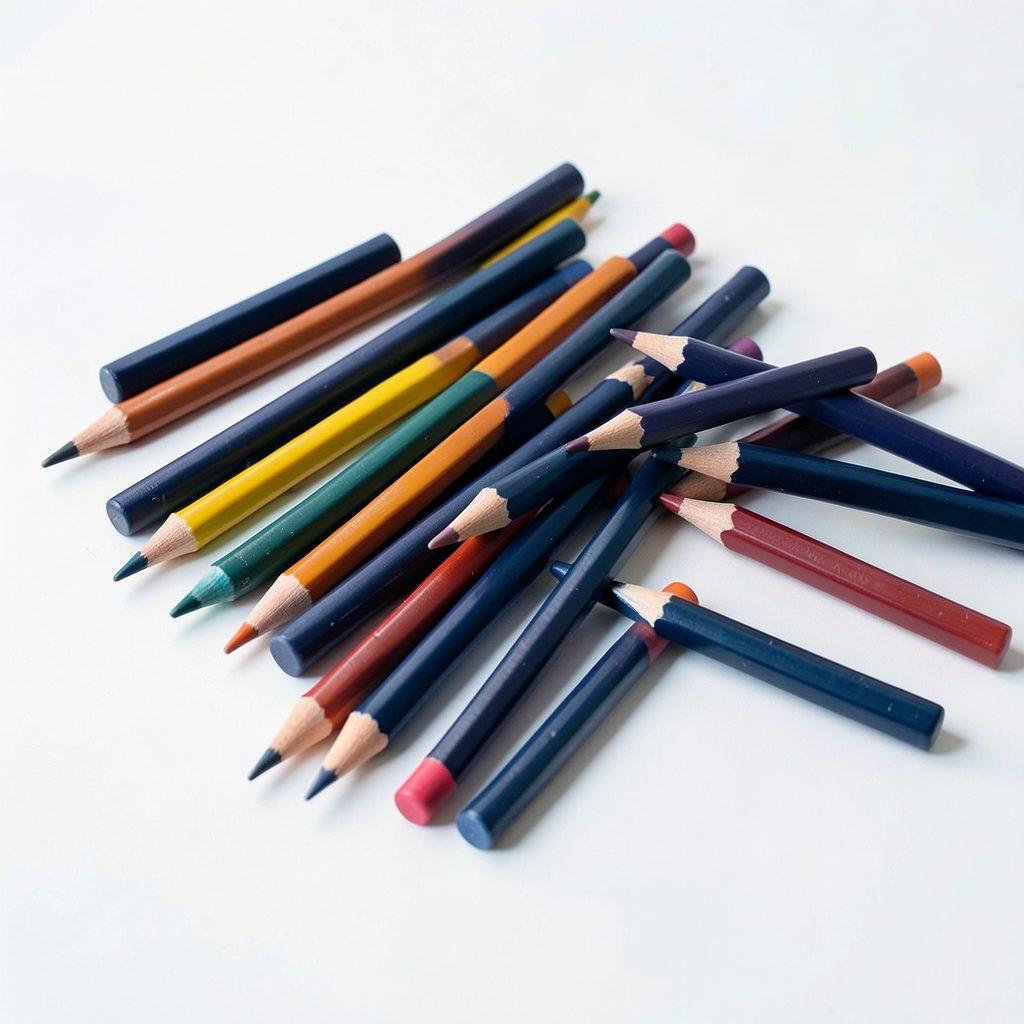
Choose an image that feels welcoming rather than difficult. A favourite animal can make starting easier for a restless child, while an open landscape offers room for simple shapes and slow colouring. Put pencils, water and the page within reach, then let the first few minutes be about settling in, not producing a polished result.
Invite children to check in with their bodies before they begin. They might notice that their shoulders are tight, their breathing is fast or their hands feel warm. This kind of body scan takes only a minute and gives adults a natural opening to ask how someone is feeling without demanding a full explanation.
Pair the page with breathing
Breathe slowly enough that the rise and fall of the belly can be felt. Children can trace a broad line while breathing in, then release their breath as they add another line or choose a colour. The exercise need not follow a strict count; matching the rhythm to the drawing keeps it playful and accessible.
Adults can join in by colouring a separate section of the page or a second printout. Copying the child’s slow pace models regulation without turning the activity into a test. If someone becomes tired or irritated, pausing for a drink or a stretch is more useful than insisting on calmness.
Guide attention through small details
Directing the gaze gives busy minds something manageable to notice. Ask a child to look for the animal’s whiskers, the spaces between leaves or the smallest shape in the background. Describing one detail aloud can anchor the whole activity, especially when worries have made concentration feel difficult.
Leaving some areas blank is part of this approach. The white space becomes a natural resting point for the eyes and hands, just as a quiet pause gives the mind room to reset. Children who rush to fill every gap can be encouraged to treat untouched sections as breathing spaces rather than mistakes.
Notice feelings and body signals
Colour choice can provide an easy conversation starter. A child might say that yellow feels cheerful, blue feels calm or red looks energetic, and an adult can respond with curiosity rather than interpretation. The artwork can open a conversation about named feelings without suggesting that a colour has one fixed meaning.
Regular awareness of body changes complements preventive care, although colouring cannot diagnose a health problem. These early detection stories show why noticing changes and seeking prompt help can matter. If a child repeatedly reports headaches, stomach pain, sleep problems or emotional distress, a family doctor or child psychologist can provide appropriate guidance.
Build a repeatable family or school ritual
A short, predictable session is often easier to sustain than a long one. Ten minutes before dinner, during reading time or after the school run can become a familiar pause. Keep the same basket of pencils and offer two or three page choices so children feel involved without having to make many decisions.
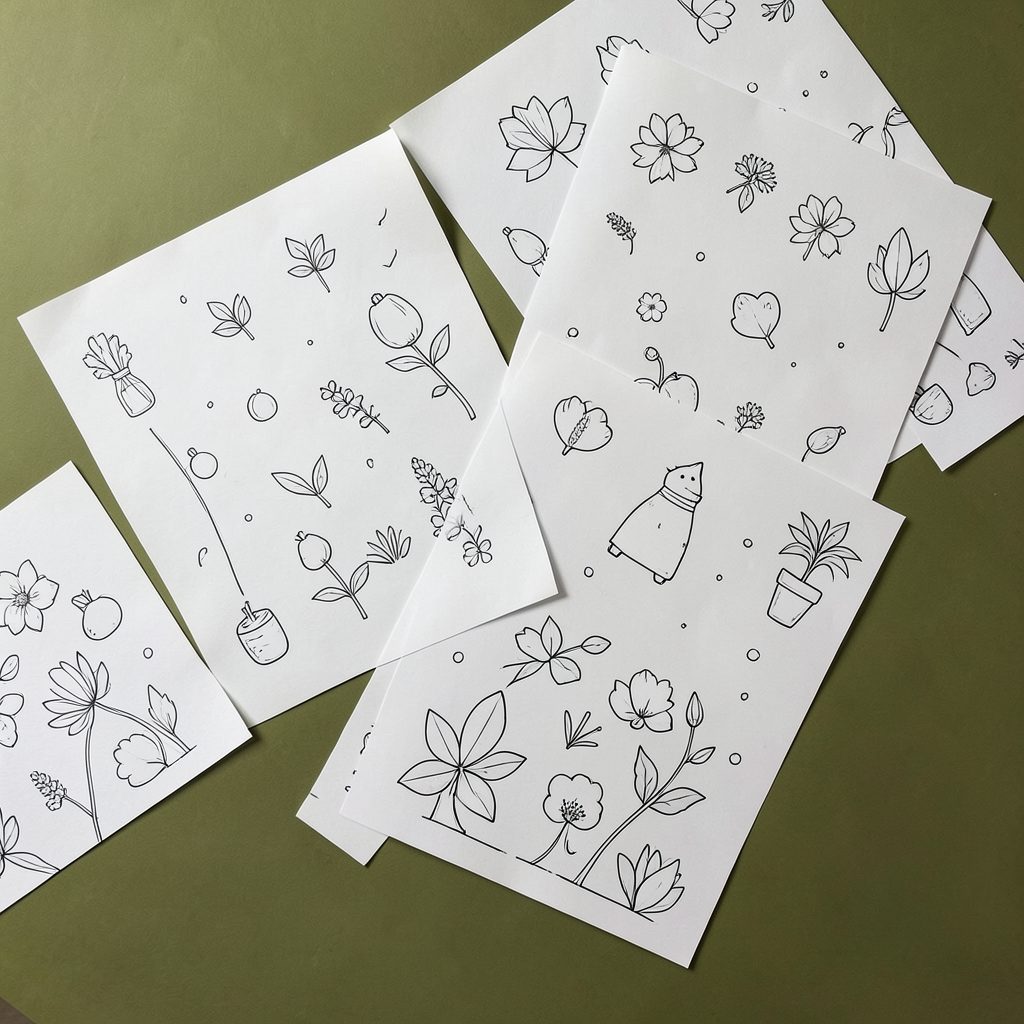
The free, print-at-home model works well for Australian households, public libraries, playgroups and classrooms because it removes the need to buy a book or register for an account. Teachers can print a themed set for a weekly rotation, while families can keep a small folder of favourites for weekends, school holidays or travel.
Add movement and conversation
After colouring, invite a gentle stretch that resembles something on the page: reaching like a giraffe, curling like a koala or balancing on one foot like a bird. Movement can release physical tension and return energy to a child who has been concentrating hard. A walk around the room is enough when time is limited.
Use open prompts that keep attention on the present: “What detail did you notice first?” “Did your breathing change?” or “Where did you feel relaxed?” Australian families can keep the language light and familiar; saying “That was a fair dinkum busy day” can acknowledge a hard moment without turning it into a problem to solve.
Keep the practice flexible
Some children find colouring soothing, while others prefer drawing, stickers or arranging cut-out shapes. Keep the same breathing and noticing elements, but let the child choose the format. A seasonal picture, an Australian animal or a simple radial pattern can replace the original page whenever motivation fades.
Avoid rewarding neatness, speed or staying still for a fixed length. A warm welcome, a few shared breaths and genuine interest matter more than a tidy result. Small pauses built around colour and breath can become a reassuring part of family life, with the finished artwork simply reflecting the calm found along the way.
Also Discover
A Legacy in Contemporary Art
Beyond coloring pages, presentcontemporaryart has a history as an association of art collectors and patrons — Associazione di Collezionisti e Mecenati. The organization promoted international exhibitions connecting Chinese, Italian, and international artists, with past events in Shanghai and Berlin.



Ready to Start Coloring?
Browse the full collection of free printable coloring pages — all just a click away.
View All Coloring Pages