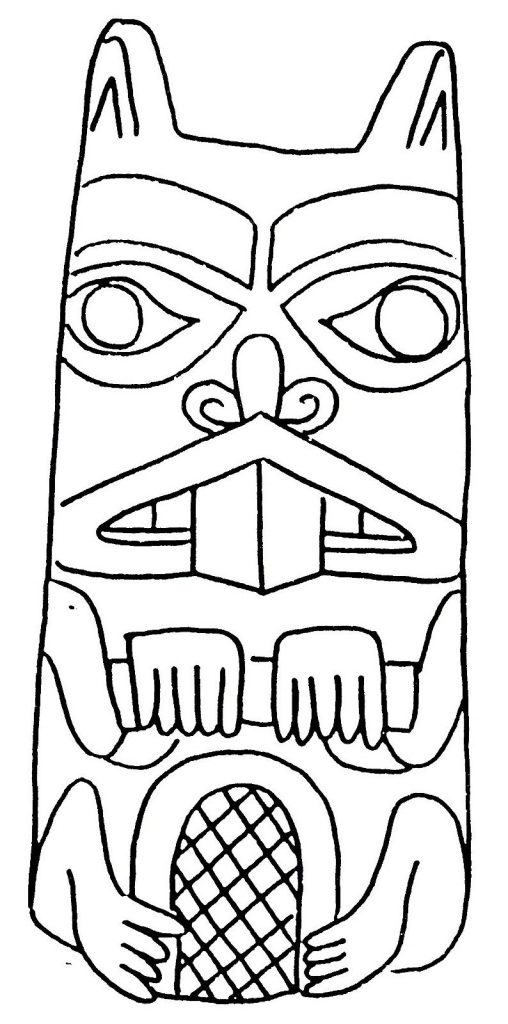
A growing collection of high-resolution coloring sheets — animals, cartoon characters, holidays, and more. Print and enjoy at home or in the classroom.
Explore the CollectionWelcome
Coloring Fun for Every Child
presentcontemporaryart brings together an extensive library of free printable coloring pages. From friendly giraffes and adventure-time characters to seasonal holiday sheets, there is something here to spark every child's creativity. All pages are easy to download and print at high resolution — perfect for rainy afternoons, classroom activities, or quiet time at home.
Animals & Nature
Giraffes, goldfinches, orioles, and woodland creatures — a wide selection of animal coloring pages for young nature lovers.
Cartoon Characters
Adventure Time, Land Before Time, Justin Time, and more beloved characters ready to be brought to life with color.
Holidays & Seasons
Halloween, New Year, and seasonal coloring sheets to celebrate special times throughout the year.
Make color learning engaging with printable coloring pages
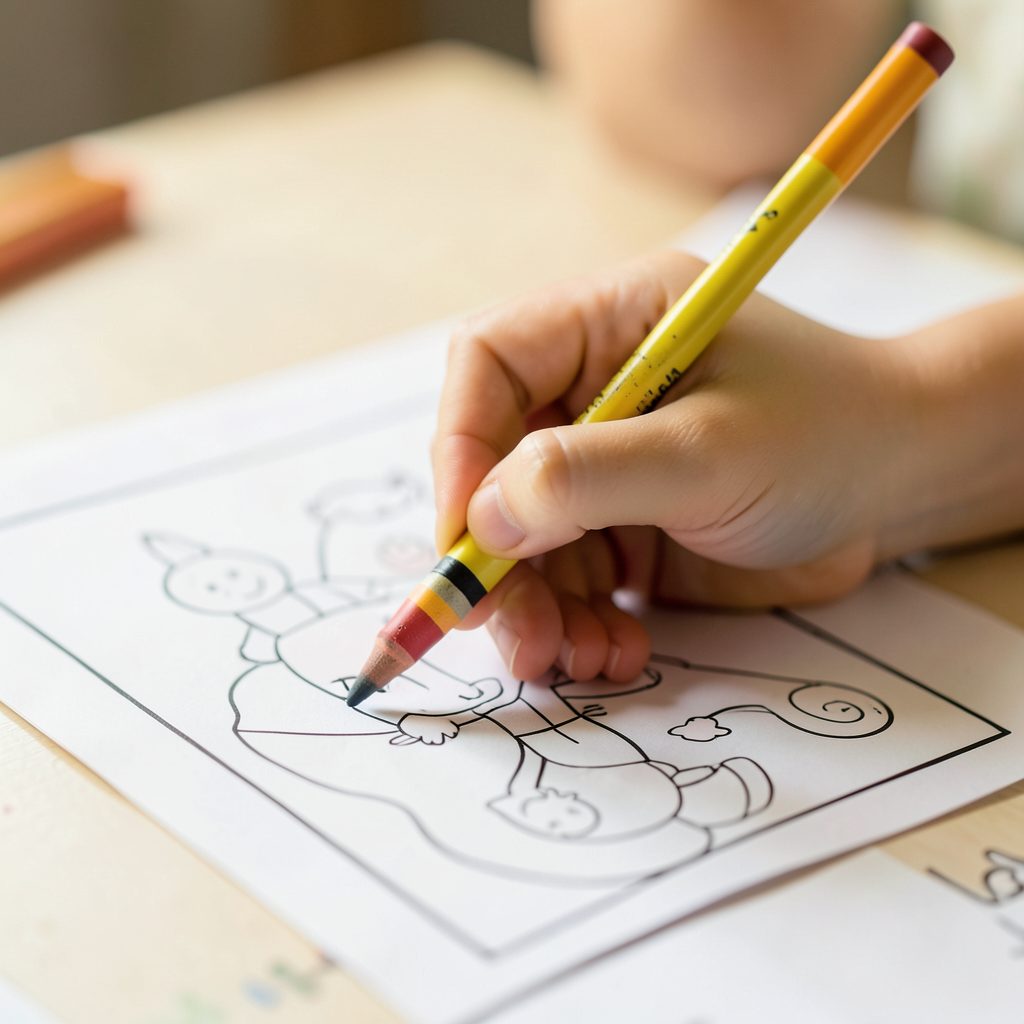
Coloring turns an abstract lesson into a hands-on experience. As children choose crayons, fill shapes, and compare finished pictures, they begin to recognize color names and understand how colors appear in familiar objects.
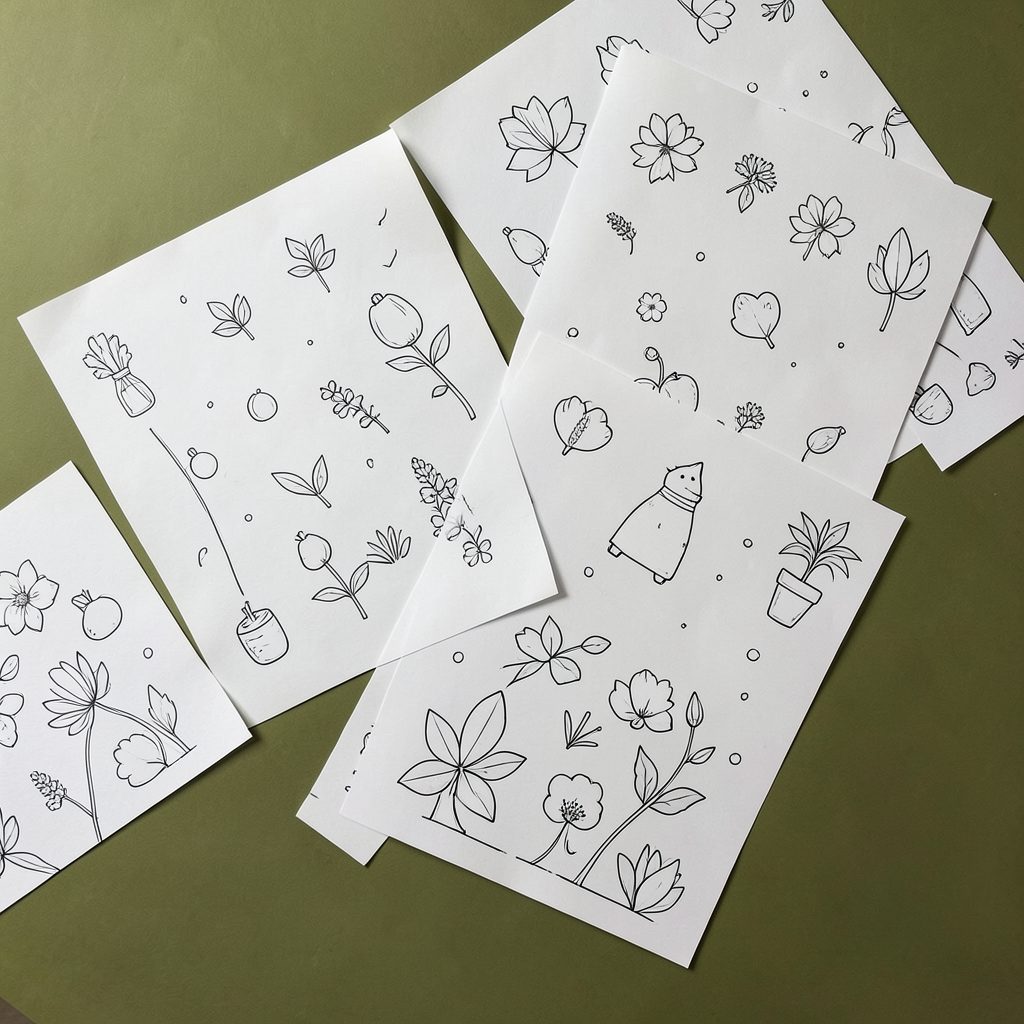
Present Contemporary Art offers free printable coloring pages featuring animals, nature scenes, cartoon characters, sports, holidays, and seasonal themes. Because the pages can be downloaded without registration, parents and teachers can quickly choose an activity for home learning, classroom practice, or creative play.
Using coloring pages for learning colors works best when the activity goes beyond asking children to fill every shape. A few simple prompts can encourage observation, vocabulary, sorting, memory, and early artistic decision-making.
Select pages that support a clear color goal
Choose an illustration with large, recognizable objects when a child is beginning to learn basic colors. An animal page, for example, may include grass, flowers, clouds, and the animal itself. These separate areas make it easier to practice words such as green, yellow, blue, and brown.
For a more focused lesson, select pages that naturally feature a particular color family. A garden scene can encourage children to find different shades of green, while a winter illustration creates opportunities to discuss white, gray, blue, and icy colors. Simple pages are often more useful than highly detailed designs for early learners.
Begin with naming and observation
Before children start coloring, spend a minute looking at the picture together. Point to one object and name its likely color, then invite the child to identify another object. This warm-up connects spoken language with visual recognition and gives children a reason to examine the page carefully.
Use descriptive phrases rather than isolated words. Say “a bright yellow sun” or “a dark green leaf” to introduce color vocabulary naturally. Older children can compare shades, such as light blue and navy blue, and explain why they chose a particular crayon.
Avoid correcting every choice immediately. Some children may color a purple tree or a pink dog as part of imaginative play. Acknowledge the creative decision, then gently distinguish between realistic colors and pretend colors when appropriate.
Add matching, sorting, and memory games
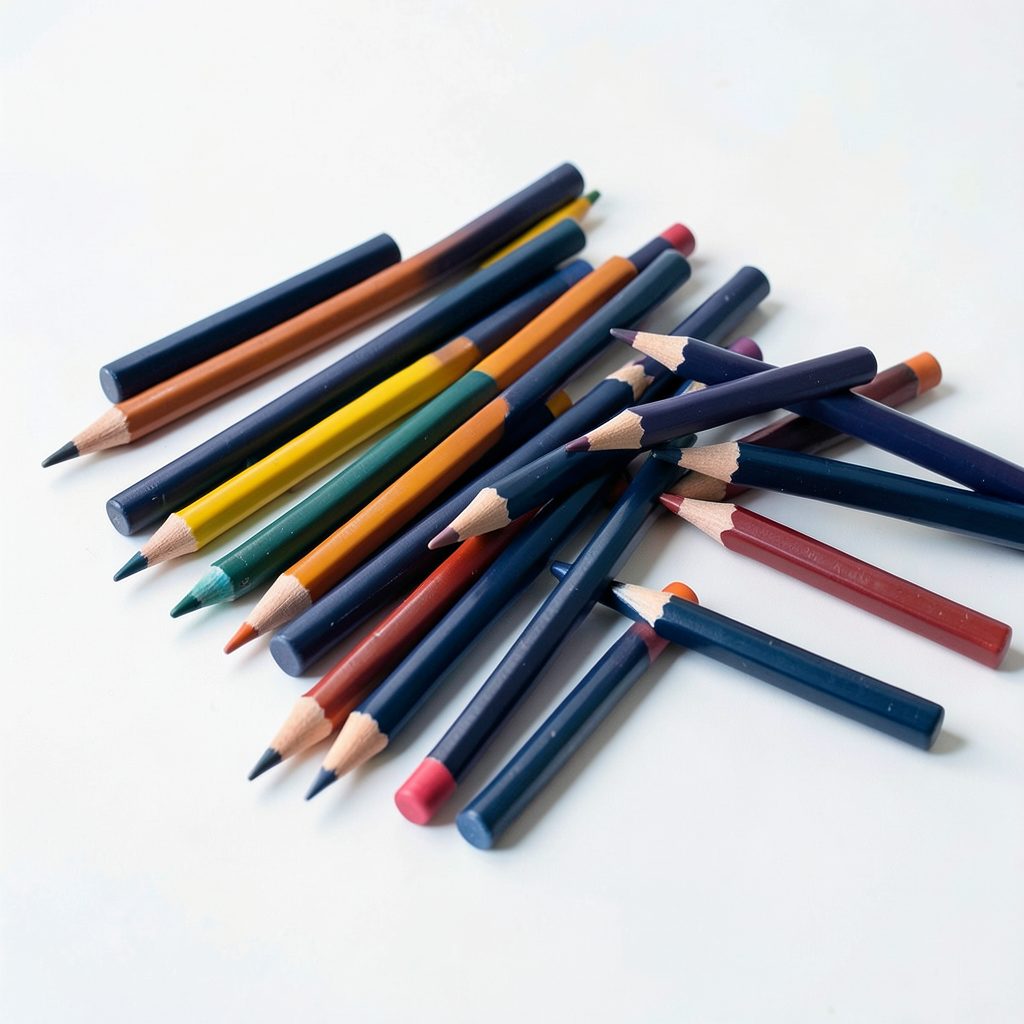
Coloring sheets can become reusable learning tools when paired with small games. Place crayons beside the page and ask children to match each crayon to an object before coloring. They can also group crayons into warm and cool colors or arrange them from lightest to darkest.
After the picture is complete, ask children to recall which colors they used. Cover part of the page and invite them to identify the hidden color, or point to several objects and ask which ones share a color. These activities reinforce visual memory and help children use color words in complete sentences.
Match activities to learning goals
Different coloring exercises support different stages of development. The same printable page can be used several times with new instructions, making it practical for families and teachers who want flexible learning materials.
| Learning goal | Coloring activity | Useful language |
|---|---|---|
| Recognize basic colors | Color named objects on the page | red, blue, yellow, green |
| Identify shades | Use light and dark versions of one color | pale, bright, dark, light |
| Practice matching | Pair crayons with objects before coloring | same, different, matches |
| Develop memory | Recall colors after finishing | I used, I remember, I forgot |
| Explore creativity | Choose imaginative colors | pretend, unusual, surprising |
For classroom use, print several copies of the same design and assign different color challenges. One group might use only primary colors, while another explores a limited palette of warm colors. Comparing the results teaches children that a shared image can look different because of individual choices.
Connect the page to the world around them
Color learning becomes stronger when children see the same ideas beyond the worksheet. After coloring a nature scene, take a short walk and look for green leaves, brown tree bark, or yellow flowers. A sports-themed page can lead to a search for team colors on clothing, balls, or signs.
Seasonal and holiday pages provide useful context as well. A fall picture may introduce orange, red, gold, and brown, while a spring illustration can highlight pink, purple, and fresh greens. Linking printable activities to real surroundings helps children remember color names and recognize them in daily life.
Adapt the activity for different ages
Preschool children usually benefit from a small set of bold crayons, repeated color naming, and uncomplicated pictures. Encourage them to stay within the lines if they are ready, but place greater emphasis on identifying colors and enjoying the process.
Early elementary learners can work with color mixing, patterns, and written labels. Ask them to create a repeated color sequence, shade an object in two tones, or write the names of the colors they used. They can also design a second version of the page using a completely different palette.
Older children may explore color theory by separating warm and cool colors, creating complementary contrasts, or discussing how color changes the mood of an illustration. Animal, cartoon, sports, and landscape pages all provide accessible starting points for these conversations.
Make each coloring session purposeful
A short activity is often enough to build steady progress. Keep directions simple and vary the challenge from day to day so children practice recognition, speaking, comparison, and creativity without feeling tested.
- Introduce two or three color words before adding new ones.
- Ask children to find and name colors in the picture before coloring.
- Use free printable pages from several categories to maintain interest.
- Display finished work and describe the colors together.
- Revisit familiar pages to check which color names children remember.
Print a selection of animal, nature, cartoon, sports, holiday, and seasonal designs from Present Contemporary Art, then turn each page into an opportunity for conversation and discovery. Download the illustrations without registration and bring color practice into the home, classroom, or next creative activity.
Also Discover
A Legacy in Contemporary Art
Beyond coloring pages, presentcontemporaryart has a history as an association of art collectors and patrons — Associazione di Collezionisti e Mecenati. The organization promoted international exhibitions connecting Chinese, Italian, and international artists, with past events in Shanghai and Berlin.



Ready to Start Coloring?
Browse the full collection of free printable coloring pages — all just a click away.
View All Coloring Pages