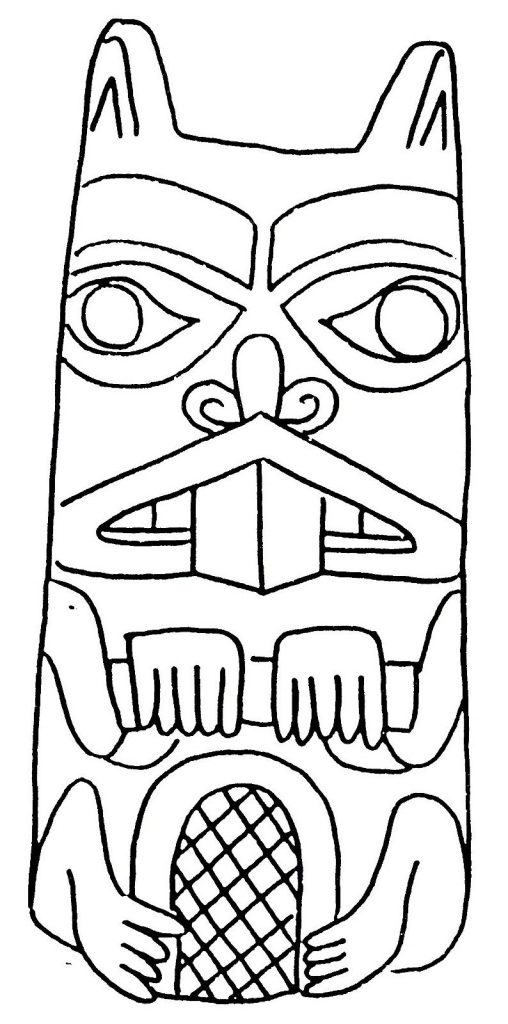
A growing collection of high-resolution coloring sheets — animals, cartoon characters, holidays, and more. Print and enjoy at home or in the classroom.
Explore the CollectionWelcome
Coloring Fun for Every Child
presentcontemporaryart brings together an extensive library of free printable coloring pages. From friendly giraffes and adventure-time characters to seasonal holiday sheets, there is something here to spark every child's creativity. All pages are easy to download and print at high resolution — perfect for rainy afternoons, classroom activities, or quiet time at home.
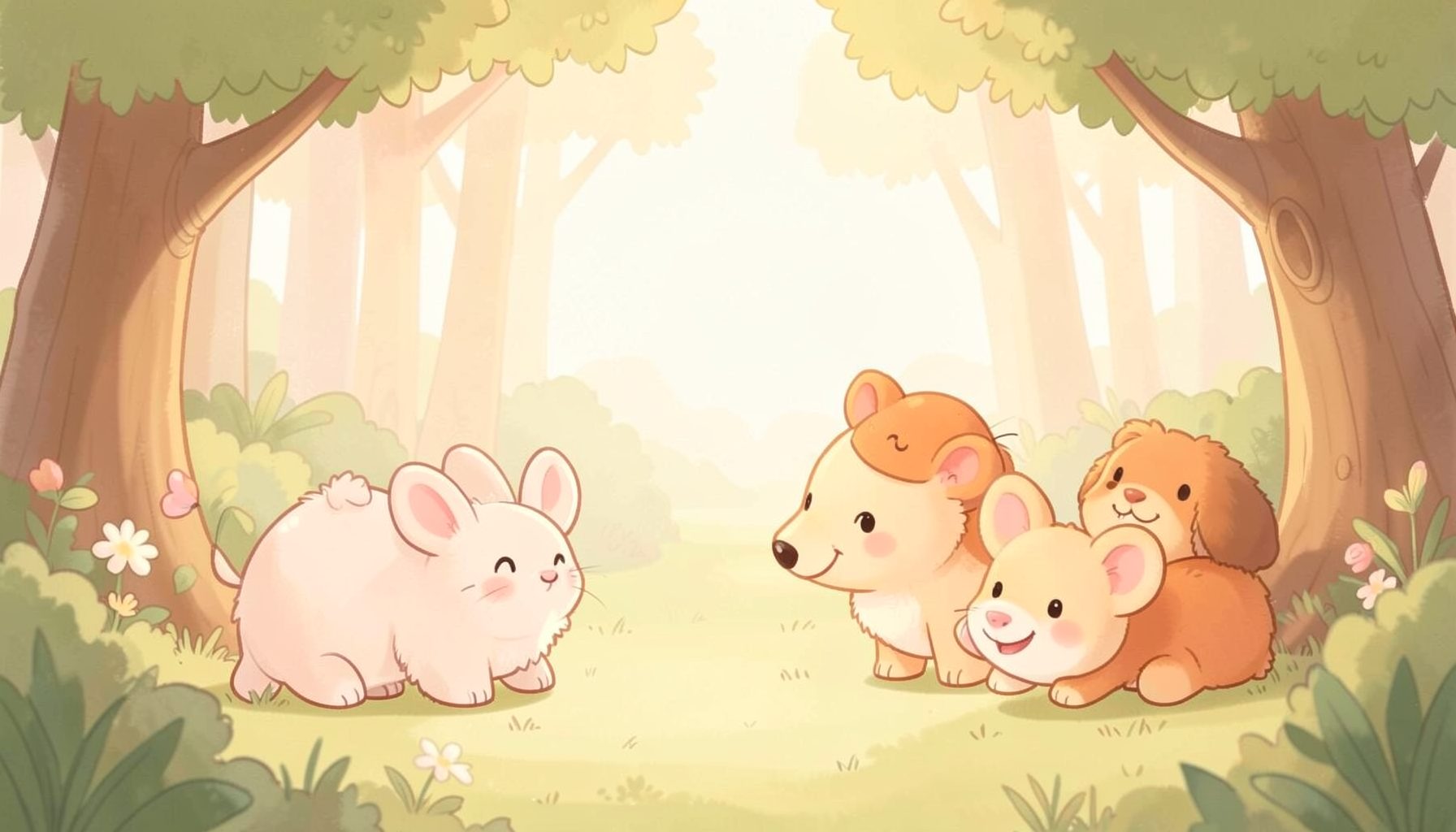
Animals & Nature
Giraffes, goldfinches, orioles, and woodland creatures — a wide selection of animal coloring pages for young nature lovers.
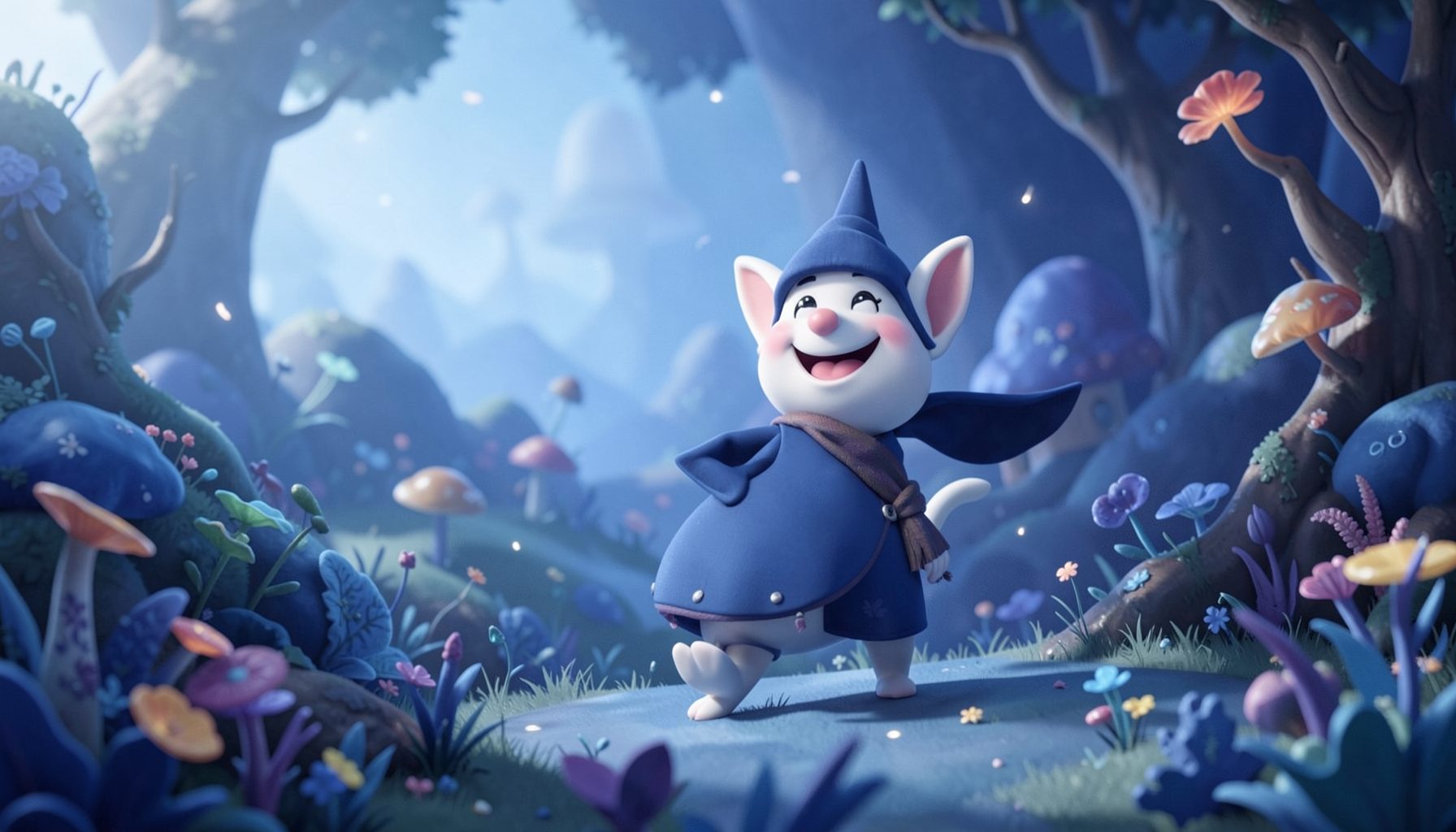
Cartoon Characters
Adventure Time, Land Before Time, Justin Time, and more beloved characters ready to be brought to life with color.
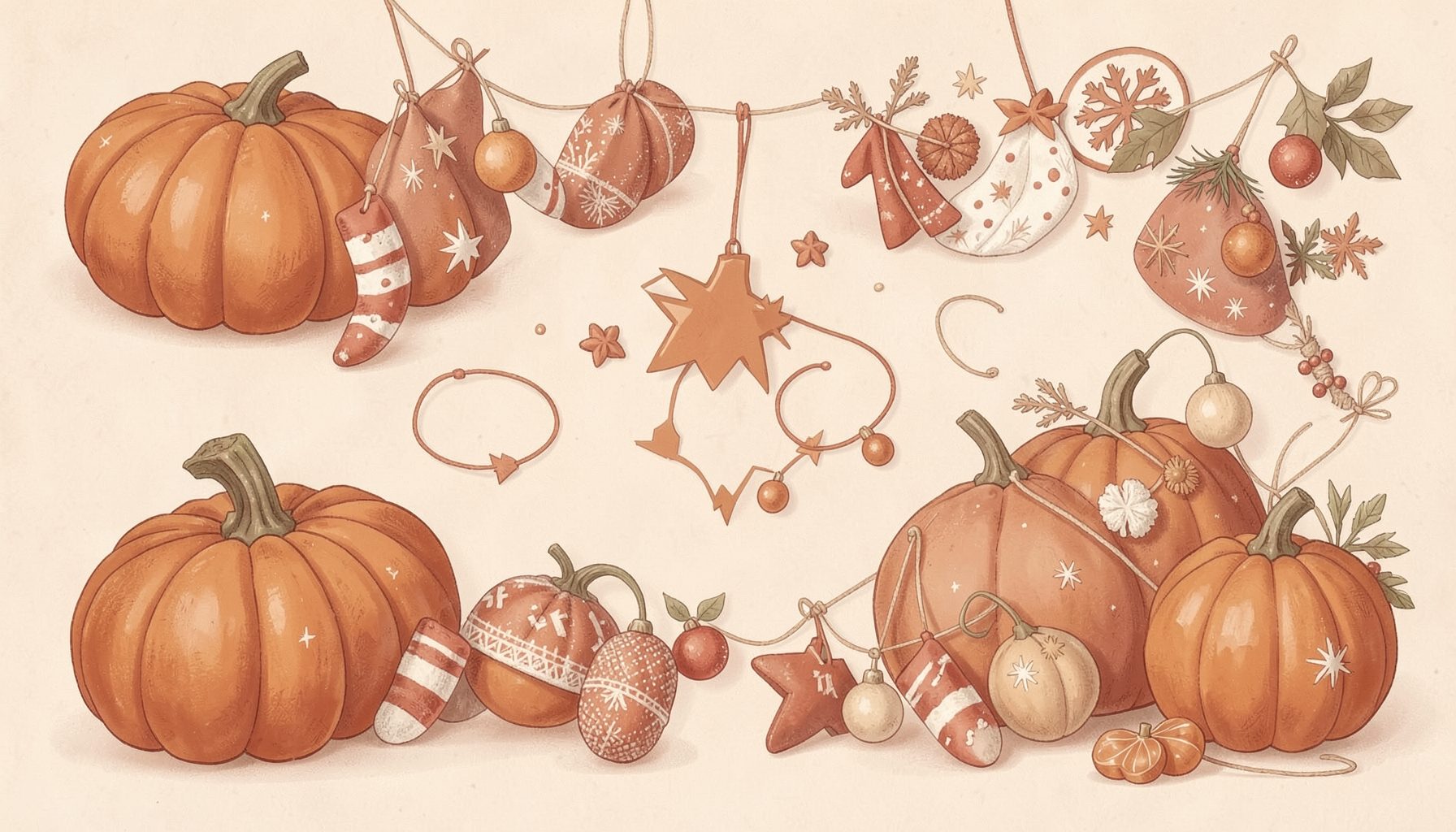
Holidays & Seasons
Halloween, New Year, and seasonal coloring sheets to celebrate special times throughout the year.
How to Use Coloring Pages for Group Art Therapy
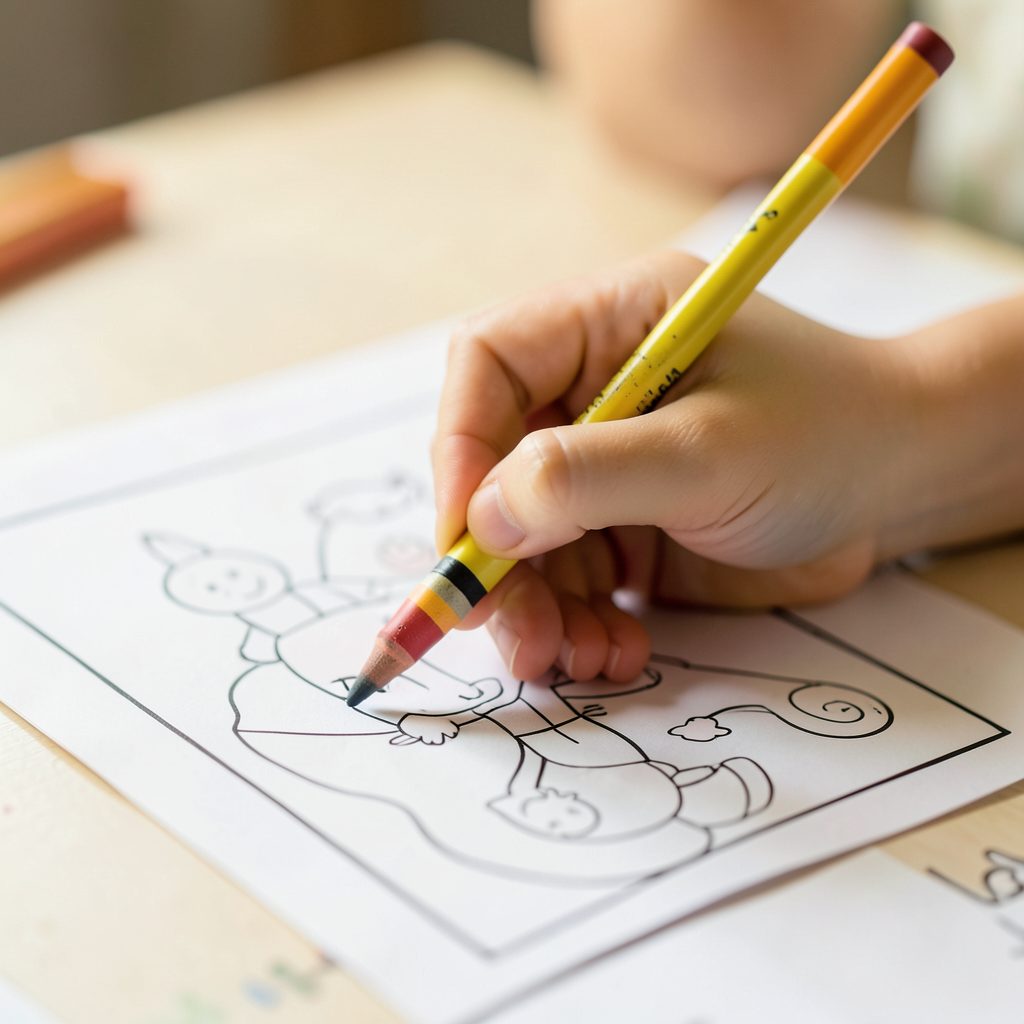
How to Use Coloring Pages for Group Art Therapy starts with a simple idea: a shared visual activity can make conversation feel safer and more natural. Printable drawings give participants a familiar structure while leaving room for personal choices, emotions and interpretation.
This approach can suit children, teenagers, older adults and mixed-ability groups in schools, community centres, hospitals or private practices. Free resources such as printable colouring pages make preparation affordable, especially when a facilitator needs several themes for different ages or support needs.
| Approach | Best suited to | Useful materials | Facilitator focus |
|---|---|---|---|
| Individual colouring | Quiet reflection and emotional regulation | Printed pages, pencils, markers | Calm observation |
| Paired artwork | Social connection and gentle communication | Two copies or one shared page | Turn-taking |
| Collaborative mural | Group belonging and cooperation | Large paper, crayons, collage items | Shared decision-making |
| Themed activity | Grief, confidence or transitions | Relevant illustrations and prompts | Emotional safety |
Choosing A Suitable Group Format
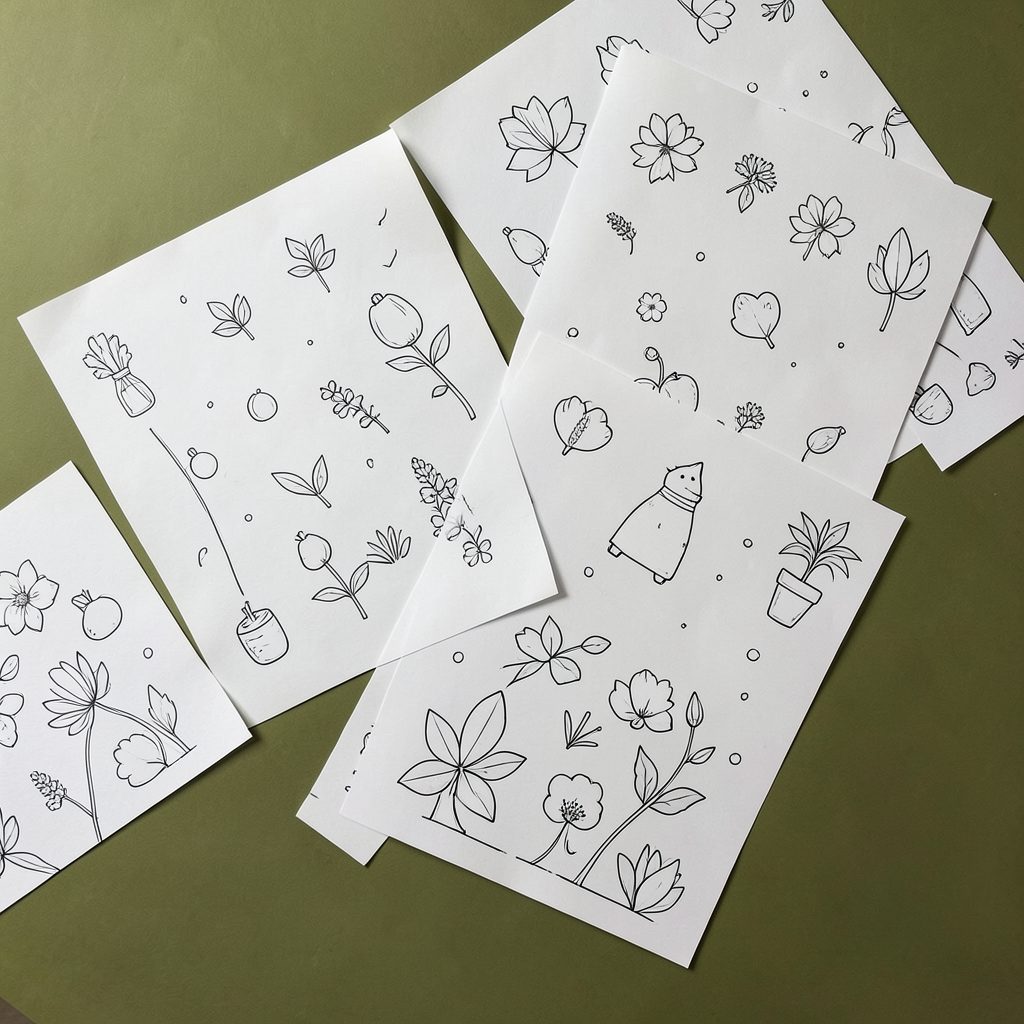
Begin by considering the group’s age, attention span, sensory preferences and therapeutic goals. A small group of primary school children may benefit from animal or nature colouring pages, while teenagers might respond to sport, music or identity-themed images. Older participants may prefer flowers, landscapes, local wildlife or detailed patterns that support concentration.
The facilitator can offer a choice of two or three designs rather than distributing one identical sheet. Choice supports autonomy and avoids making participants feel tested. A library with categories for seasons, holidays, cartoons and nature can help a practitioner prepare alternatives without requiring registration or a large budget.
For a group in Melbourne, a garden, koala or beach scene may feel more familiar than an abstract worksheet. In a Sydney youth service, an illustration connected to sport or the harbour can create an easy starting point for conversation. The image should open possibilities rather than dictate what a participant is expected to feel.
Preparing A Safe Creative Space
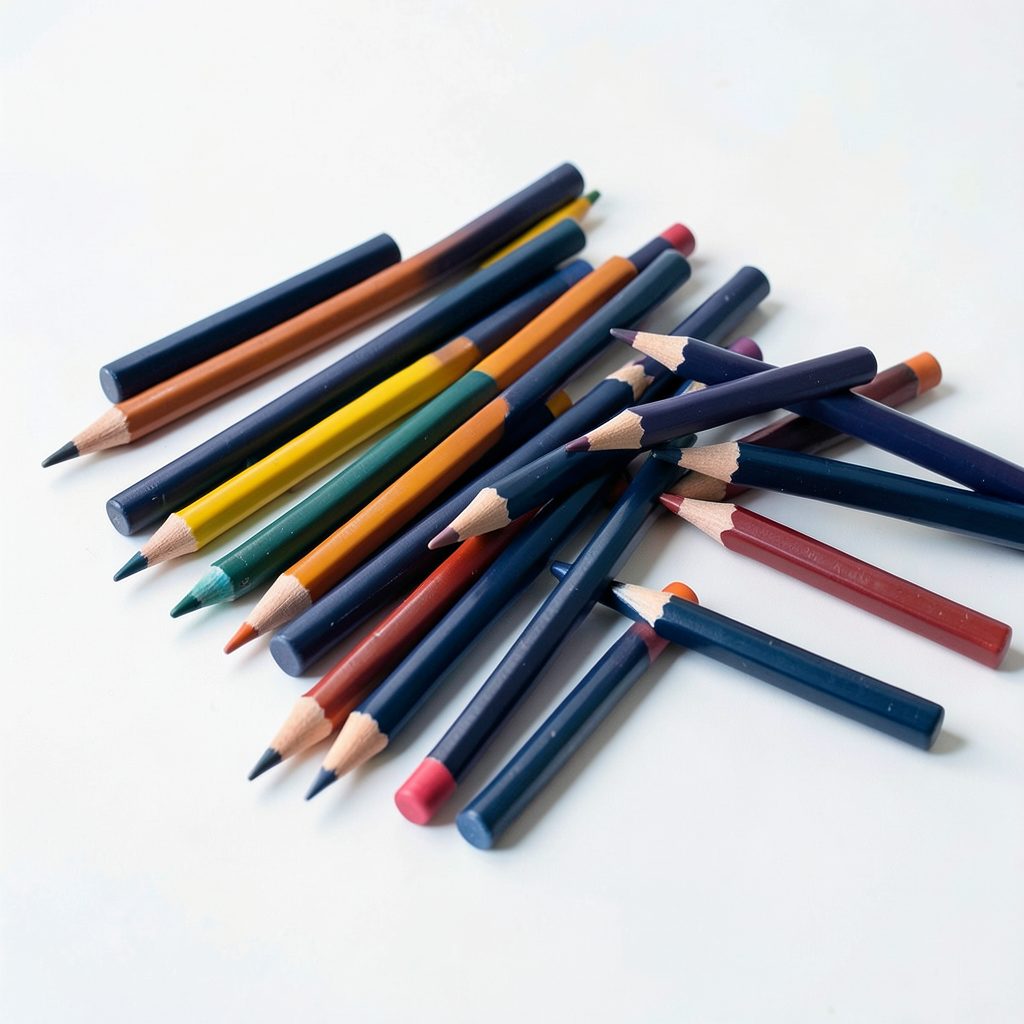
Arrange tables so people can see the shared materials without feeling watched. Provide pencils, washable markers, crayons and thicker tools for participants with limited grip strength. A4 paper is practical because it fits common folders and home printers, while larger sheets are useful for collaborative art projects.
Explain that there is no correct way to colour and that participants may pause, change pages or work quietly. Avoid interpreting colours or shapes as psychological evidence. Instead, use open observations such as, “I noticed you chose many bright colours,” and allow the person to decide whether that choice has meaning.
A short grounding activity can help the group settle before the art begins. Invite participants to notice their feet on the floor, listen for nearby sounds or choose a colour that matches their current energy. This is especially useful in busy Australian settings such as school wellbeing rooms, neighbourhood houses and community health programs.
Turning Pages Into Shared Expression
Colouring can become a gentle form of art therapy when the activity includes reflection and connection. After several minutes, invite participants to give their artwork a title, add a background or select one detail that represents a strength. They can share verbally, write a few words or simply hold up the page.
Collaborative colouring works well when the group creates a single landscape, garden or imaginary place. Assign no permanent ownership to a section; instead, encourage people to add, adapt and respond to one another’s marks. This builds cooperation while keeping the task less demanding than direct group discussion.
For children, a story-based prompt can support emotional literacy: a coloured animal might be travelling, resting, helping someone or finding shelter. Adults may prefer prompts about a place that feels safe, a personal resource or a pattern that helps them focus. The facilitator should keep the language optional and avoid pressing for personal disclosure.
Adapting Activities For Australian Communities
Local context can make group art feel more relevant. Seasonal planning should reflect Australia’s calendar: summer beach scenes may suit January sessions, while winter activities in Queensland can differ from those in Hobart. Holiday pages can be useful, though facilitators should check whether Christmas, Easter or other celebrations are comfortable for everyone.
Cultural care matters when using Indigenous-inspired imagery. During NAIDOC Week or other First Nations-focused activities, use resources created or approved by Aboriginal and Torres Strait Islander artists and avoid copying sacred symbols or presenting culture as a decorative theme. A local cultural organisation can guide respectful programming.
Budget-conscious services can print at home, use recycled paper or purchase bulk art supplies from Australian retailers such as Officeworks and Kmart. Schools and community groups may also combine printable pages with locally collected leaves, gum nuts or photographs, provided natural materials are gathered responsibly and safely.
Recommendations For A Thoughtful Session
Keep the session predictable while allowing personal choice. A simple structure might include a welcome, a short grounding exercise, 20 minutes of colouring, optional sharing and a calm closing activity. This rhythm helps participants understand what will happen without making the creative process feel rigid.
Use these practical recommendations:
- Prepare at least two image themes and offer participants a genuine choice.
- Check pencils, markers and paper for allergies, choking risks and sensory sensitivities.
- Keep conversation optional, with quiet participation treated as valid.
- Use descriptive, non-judgemental language instead of analysing artwork.
- Record participation and wellbeing observations without assigning meaning to colours or symbols.
Finish by displaying work only with permission, or let participants take it home in a folder. In a classroom, a rotating gallery can celebrate effort without ranking artwork. In a counselling or community setting, privacy may be more important than display. The central aim is a welcoming shared activity where creativity supports connection, regulation and self-expression.
Also Discover
A Legacy in Contemporary Art
Beyond coloring pages, presentcontemporaryart has a history as an association of art collectors and patrons — Associazione di Collezionisti e Mecenati. The organization promoted international exhibitions connecting Chinese, Italian, and international artists, with past events in Shanghai and Berlin.



Ready to Start Coloring?
Browse the full collection of free printable coloring pages — all just a click away.
View All Coloring Pages