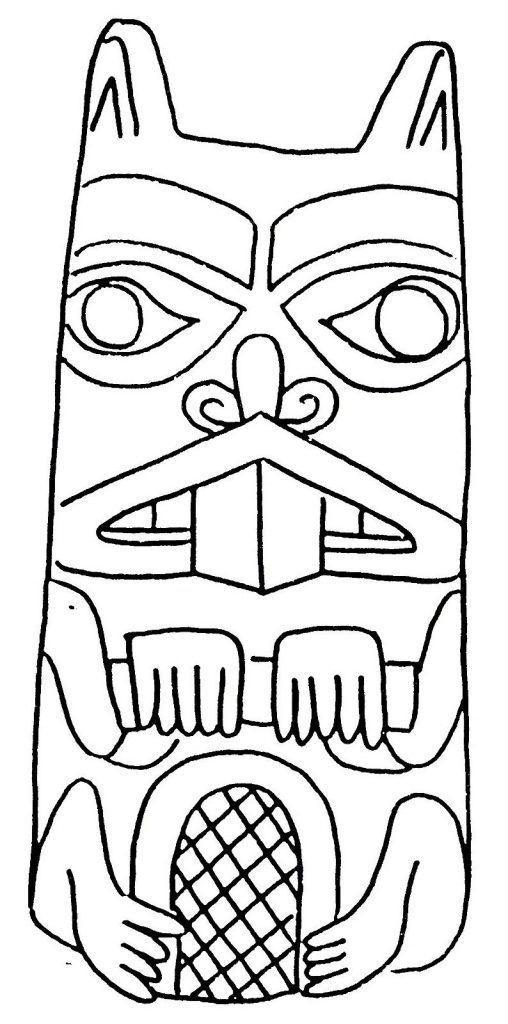
A growing collection of high-resolution coloring sheets — animals, cartoon characters, holidays, and more. Print and enjoy at home or in the classroom.
Explore the CollectionWelcome
Coloring Fun for Every Child
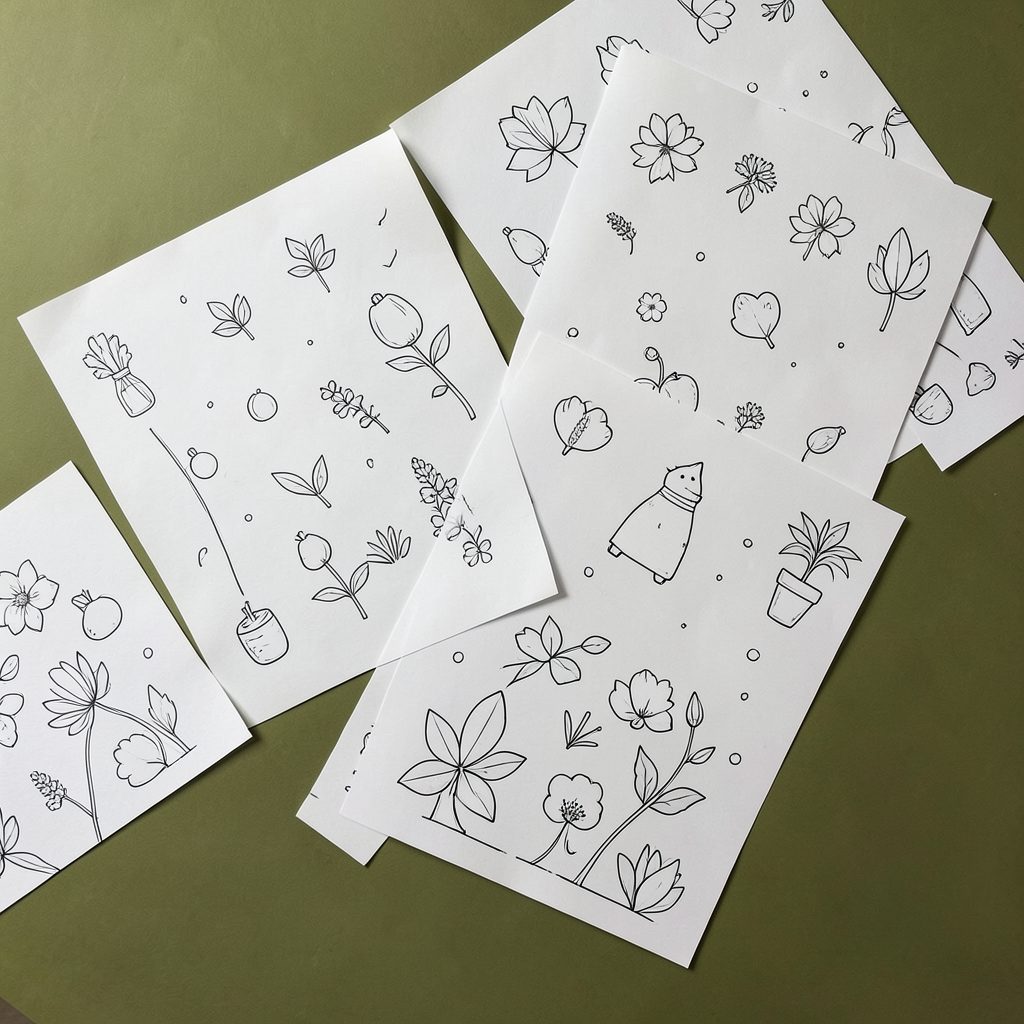
presentcontemporaryart brings together an extensive library of free printable coloring pages. From friendly giraffes and adventure-time characters to seasonal holiday sheets, there is something here to spark every child's creativity. All pages are easy to download and print at high resolution — perfect for rainy afternoons, classroom activities, or quiet time at home.
Animals & Nature
Giraffes, goldfinches, orioles, and woodland creatures — a wide selection of animal coloring pages for young nature lovers.
Cartoon Characters
Adventure Time, Land Before Time, Justin Time, and more beloved characters ready to be brought to life with color.
Holidays & Seasons
Halloween, New Year, and seasonal coloring sheets to celebrate special times throughout the year.
How to Turn Coloring Pages into Homemade Puzzles
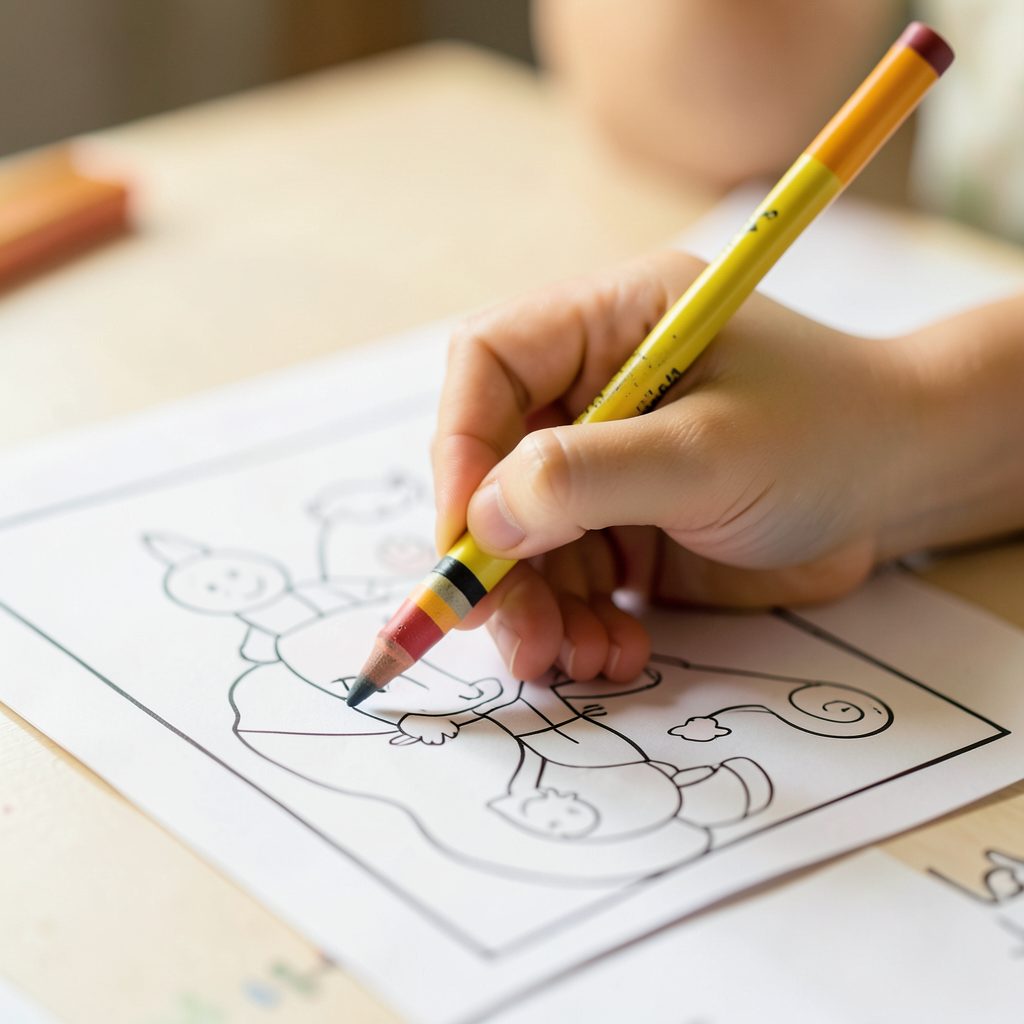
Homemade puzzles give children a creative project that continues after the coloring is finished. A printable illustration becomes a hands-on game when it is mounted, divided into pieces, and mixed up for someone to solve. This activity supports fine motor skills, visual reasoning, and patient concentration without requiring expensive supplies.
Present Contemporary Art offers free coloring pages that work especially well for this project. Children can choose animals, nature scenes, cartoon characters, sports pictures, holiday designs, or seasonal artwork, then personalize the image before transforming it into a puzzle.
The process can be as simple or detailed as needed. Younger children may enjoy a large six-piece design, while older children can manage smaller pieces, irregular cuts, or a double-sided challenge.
Choose an Image That Works Well
Start with a printable page containing clear shapes and recognizable details. Bold outlines are easier to color and cut than very intricate artwork. An animal with a large body, a simple landscape, or a favorite cartoon character can provide strong visual clues when the pieces are mixed.
The child’s interests should guide the choice. For example, musical instrument pages can become an engaging activity for children who enjoy music, while sports and transportation designs may appeal to energetic young learners.
Print the picture on ordinary paper for a quick activity or on heavier cardstock for a sturdier result. Leave enough white space around the artwork if you plan to add a border, title, or storage label.
Gather Simple Craft Supplies
A homemade puzzle requires very little equipment. Prepare the printed coloring page, crayons or colored pencils, scissors, a pencil, glue, and a firm backing such as cereal-box cardboard or craft board. A ruler can help create neat straight sections, although freehand cutting creates a more traditional puzzle appearance.
If the page is printed on thin paper, glue it to the backing before drawing the puzzle pattern. Spread the adhesive evenly and smooth the paper from the center outward to reduce wrinkles. Place a clean book on top while it dries.
For extra protection, cover the finished image with clear adhesive film or wide transparent tape. Test the covering on a spare piece of paper first, since some markers and crayons can smudge under pressure.
Decide How Challenging It Should Be
The number and shape of pieces should match the child’s age, cutting ability, and solving experience. Large pieces with straight edges are reassuring for beginners. Older children may enjoy a greater number of smaller pieces with curves, corners, and less predictable shapes.
| Puzzle Style | Suggested Pieces | Best For | Cutting Approach |
|---|---|---|---|
| Beginner | 4–6 | Preschool children | Large squares or rectangles |
| Easy | 8–12 | Early elementary learners | Wide pieces with simple curves |
| Intermediate | 15–24 | Independent puzzlers | Mixed shapes and varied sizes |
| Challenging | 25 or more | Older children and families | Small irregular pieces |
A useful way to increase difficulty is to avoid cutting directly through the most recognizable features. If a face, animal, or object remains mostly intact on one piece, children can use it as a visual anchor. For a greater challenge, divide the artwork across several pieces.
Draw the pattern on the back of the mounted page so pencil marks do not appear on the colored picture. Keep pieces reasonably large and avoid narrow points that can tear during cutting.
Cut the Pieces Carefully
Use child-safe scissors for young makers, with an adult handling thick cardboard or complicated cuts. Begin around the outside edge, then cut along the internal lines. Turning the paper rather than forcing the scissors into sharp angles usually produces smoother results.
For a classic interlocking effect, draw simple tabs and spaces along the dividing lines. They do not need to be perfectly symmetrical. Rounded bumps are easier to cut than tiny hooks and make the finished puzzle more durable.
If the child is still learning to use scissors, let them color and trace the pattern while an adult completes the cuts. Another option is to use straight lines only. A grid puzzle still offers sorting and matching practice and can be completed safely with minimal craft work.
Add Storage and Game Variations
A small envelope, resealable bag, or decorated paper pouch keeps the pieces together. Write the puzzle title and piece count on the front, or attach a miniature reference picture for younger children. A shoebox can hold several homemade puzzles in different themes.
Turn the activity into a family game by mixing two puzzles and asking players to sort the pieces before assembling them. Children can also race against a timer, solve the picture without a guide, or exchange puzzles with a sibling or classmate.
For classroom use, write the child’s name on the back of each piece. Teachers can place completed sets in activity centers, while parents can pack them for quiet travel entertainment.
Make Each Puzzle More Durable
Laminate the page before cutting if the puzzle will be used frequently. A laminating machine creates a smooth, firm surface, but clear contact paper works for a lower-cost version. Seal the edges of cardboard pieces with transparent tape when they begin to fray.
Store puzzles flat and away from moisture. If pieces become bent, place them between two books for several hours. Replacing a damaged piece is easy when the original coloring page has been saved or photographed.
Useful recommendations for a successful craft include:
- Choose thick paper or mount the design to cardboard before cutting.
- Match the number of pieces to the child’s age and patience.
- Keep the first puzzle simple, then increase the challenge gradually.
- Add a storage envelope so pieces do not get lost.
- Save finished pages as templates for future puzzle designs.
Turn Printable Art into Play
Coloring, cutting, and solving can become one connected creative session. Children first make artistic decisions, then practice hand control while cutting, and finally use memory and visual matching to rebuild the image. The finished puzzle also gives them a satisfying way to revisit their own artwork.
Print a favorite design from the Present Contemporary Art collection, set out the craft supplies, and let the child create a personalized puzzle to solve, share, and enjoy again.
Also Discover
A Legacy in Contemporary Art
Beyond coloring pages, presentcontemporaryart has a history as an association of art collectors and patrons — Associazione di Collezionisti e Mecenati. The organization promoted international exhibitions connecting Chinese, Italian, and international artists, with past events in Shanghai and Berlin.



Ready to Start Coloring?
Browse the full collection of free printable coloring pages — all just a click away.
View All Coloring Pages