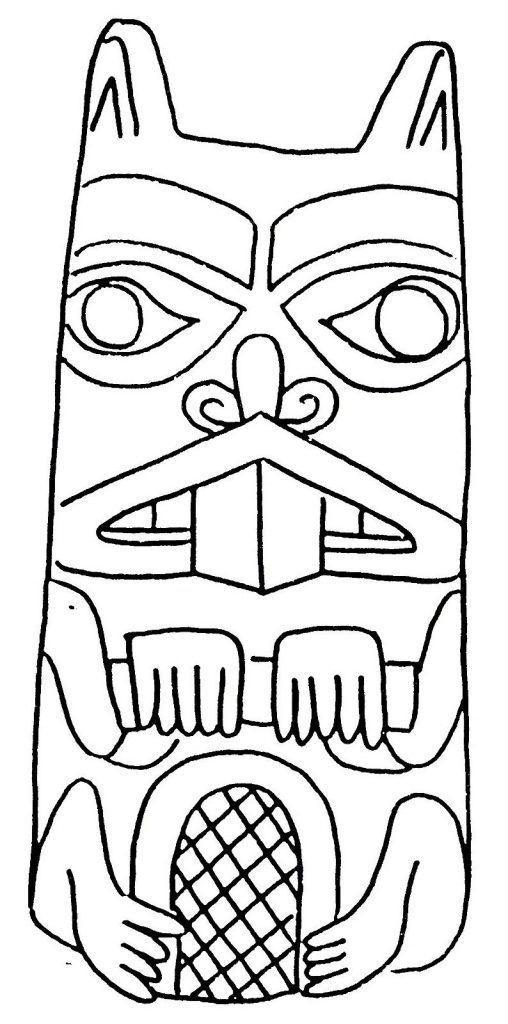
A growing collection of high-resolution coloring sheets — animals, cartoon characters, holidays, and more. Print and enjoy at home or in the classroom.
Explore the CollectionWelcome
Coloring Fun for Every Child
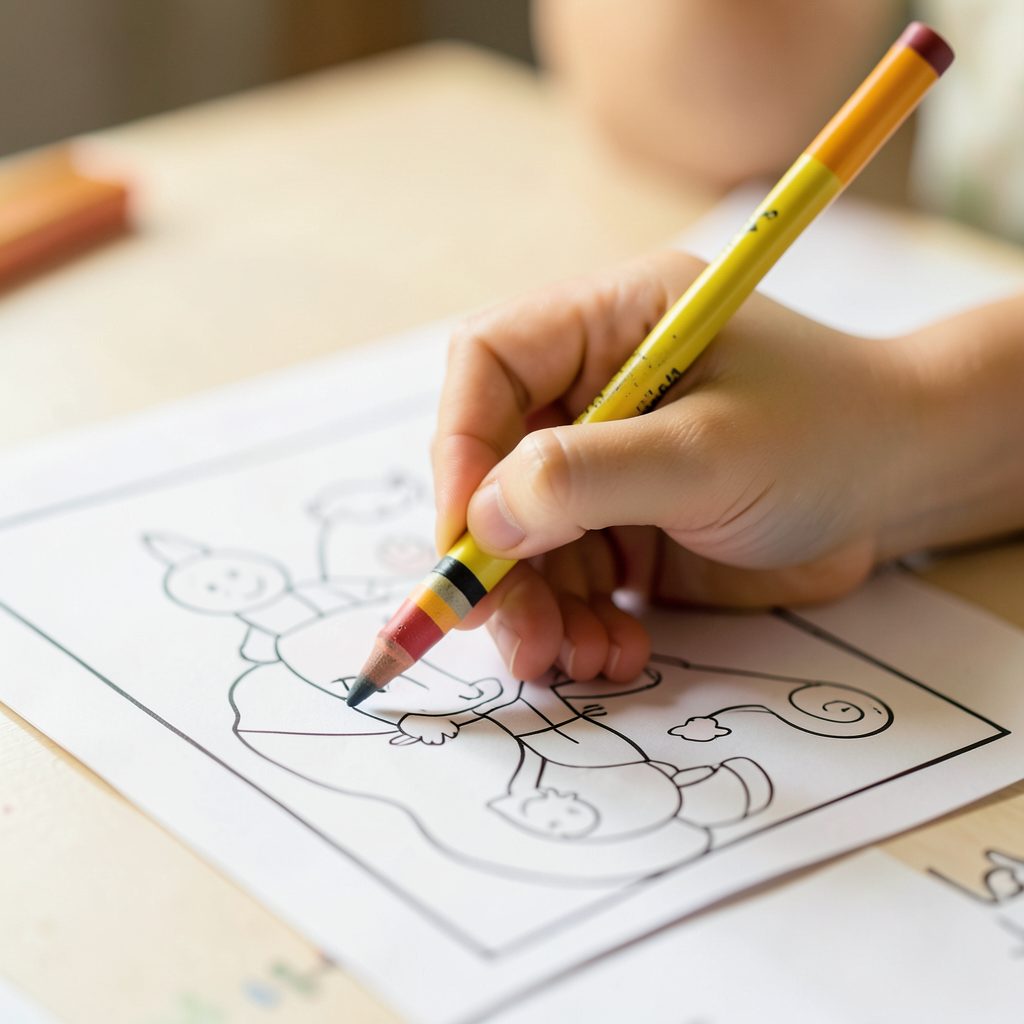
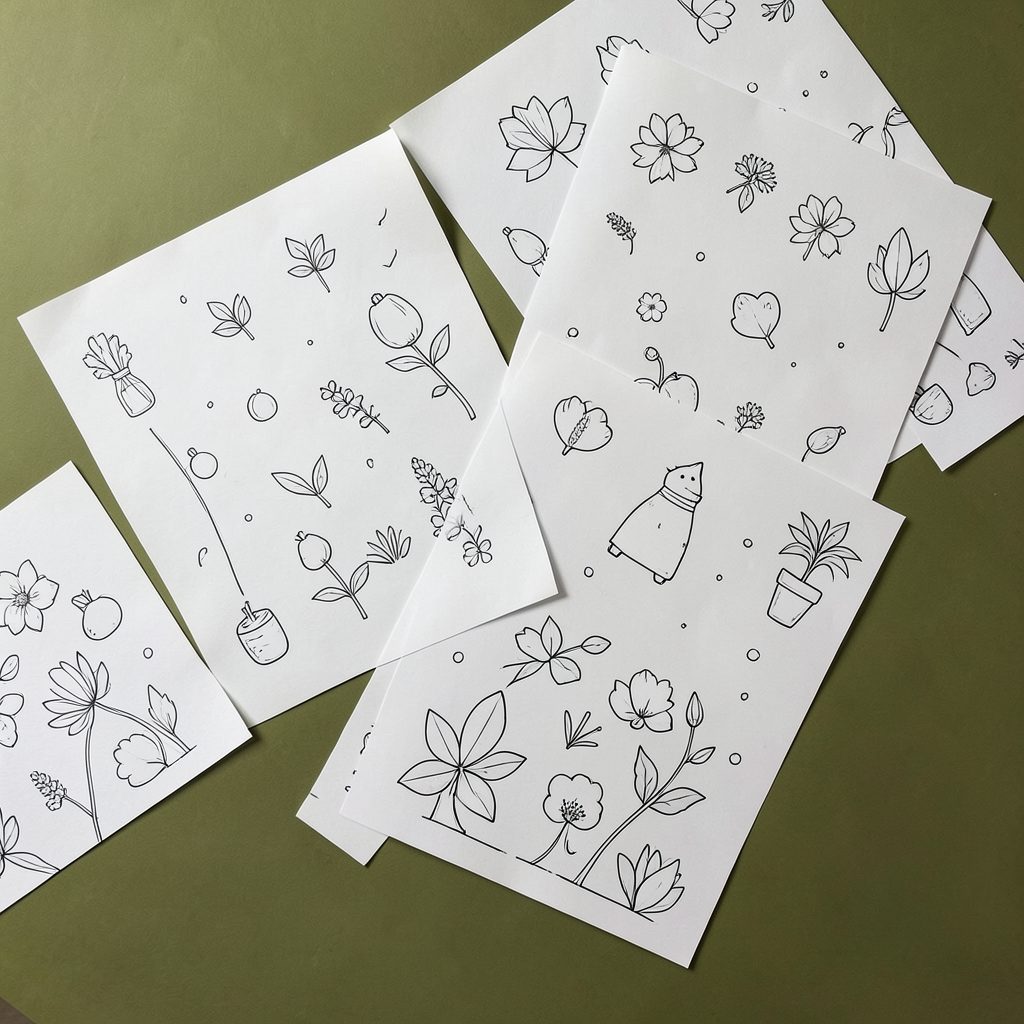
presentcontemporaryart brings together an extensive library of free printable coloring pages. From friendly giraffes and adventure-time characters to seasonal holiday sheets, there is something here to spark every child's creativity. All pages are easy to download and print at high resolution — perfect for rainy afternoons, classroom activities, or quiet time at home.
Animals & Nature
Giraffes, goldfinches, orioles, and woodland creatures — a wide selection of animal coloring pages for young nature lovers.
Cartoon Characters
Adventure Time, Land Before Time, Justin Time, and more beloved characters ready to be brought to life with color.
Holidays & Seasons
Halloween, New Year, and seasonal coloring sheets to celebrate special times throughout the year.
How to Turn Coloring Pages into Educational Games
Coloring pages can become much more than quiet creative activities. With a few simple rules, an animal, cartoon, holiday, or nature illustration can support reading, counting, observation, memory, and problem-solving skills.
Printable worksheets are especially useful because they are inexpensive, easy to prepare, and flexible enough for home learning or classroom stations. Children can color first and then use the finished picture in a game designed around their age and interests.
Create a Picture-Based Scavenger Hunt
Choose a page with several recognizable objects, such as a farm scene, forest animals, or a busy playground. Before children begin coloring, give them a list of details to find: three round objects, two living things, something that flies, or an item beginning with the letter “B.”
You can turn the activity into a listening game by reading clues aloud. Younger children can point to each answer, while older learners can write or draw the objects they discover. Afterward, ask them to explain how each item matches the clue, encouraging careful observation and descriptive language.
For a seasonal version, use winter coloring pages and ask children to identify patterns, shapes, clothing, and signs of cold weather. The same page can support vocabulary practice in a language class or a discussion about winter science.
Turn Coloring into a Vocabulary Game
A colored picture provides a useful setting for learning new words. Select a theme such as transportation, ocean life, sports, or food, then prepare cards containing nouns, verbs, and adjectives related to the image. Children draw a card and find a way to use the word while describing their page.
For a simple matching game, write vocabulary words on one set of cards and draw small symbols or provide definitions on another. Children pair the cards, then color the related object using a chosen shade. This combines word recognition with visual memory and gives repeated practice without making the activity feel like a test.
Older children can create short stories based on their illustrations. Encourage them to include a beginning, a problem, and an ending. A cartoon character might lose a ball, meet a new friend, or travel to an unfamiliar place, giving learners a natural reason to practice sequencing and sentence construction.
Add Counting, Sorting, and Pattern Challenges
Many coloring sheets contain repeated objects that can be used for early mathematics. Ask children to count animals, flowers, stars, or pieces of sports equipment. They can record the totals, compare groups, and identify which category has the most or fewest items.
Sorting activities work well with pages that include different colors, sizes, or types of objects. Children might circle all the large shapes, color living things green, or divide objects into land, air, and water groups. These tasks strengthen classification skills and introduce mathematical language such as equal, greater, smaller, and fewer.
Patterns create another level of challenge. Ask learners to color objects in a repeating sequence, such as red-blue-red-blue, or invent a pattern for a border. Once they understand the sequence, cover part of it and ask them to predict what color or shape should come next.
Match Activities to Learning Goals
A single illustration can support different subjects when the rules change. The chart below shows how to adapt common printable themes into focused educational games.
| Learning goal | Suitable page theme | Game idea | Skill practiced |
|---|---|---|---|
| Letter recognition | Animals or objects | Find items beginning with a target sound | Phonics and vocabulary |
| Counting | Nature or food | Count, record, and compare objects | Number sense |
| Memory | Cartoon characters | Study the page, hide it, and recall details | Working memory |
| Science observation | Weather or seasons | Identify clues about temperature and habitat | Observation and reasoning |
| Storytelling | Adventure scenes | Arrange events and invent dialogue | Sequencing and language |
Keep the instructions short and adjust the challenge to the child’s level. A preschool learner may count five objects, while an older student can calculate totals, write captions, or explain relationships between items.
Use Coloring Pages for Memory and Logic
For a memory game, allow children to study a completed page for one minute. Hide it or turn it over, then ask questions about colors, positions, and objects. “What was above the tree?” or “How many yellow items were there?” encourages visual recall and attention to detail.
You can also make a “what changed?” challenge. Prepare two copies of the same image and alter a few details on one copy, such as changing a hat’s color or removing a flower. Children compare the pages and mark every difference they find.
Logic puzzles can be built around the same idea. Give instructions such as “The animal beside the tree is blue” or “The smallest object must be yellow.” Children must listen, reason, and apply each clue before choosing colors. This works particularly well with simple line art that has plenty of open space.
Make Learning Social and Hands-On
Educational coloring games become more engaging when children work in pairs or small groups. One child can describe an object without naming it while the others guess. Another option is a cooperative mural in which each learner colors one section and contributes a fact, sentence, or question about the subject.
Add movement by placing printed pictures around the room. Call out a category, number, or color, and have children walk to the matching page. For classroom use, groups can rotate between stations for vocabulary, counting, drawing, and storytelling.
Simple Ways to Extend the Activity
- Let children design their own rules after playing a teacher-created game.
- Use a timer for quick rounds, but prioritize accuracy over speed.
- Invite learners to explain their answers instead of giving only a color or number.
- Save completed pages in a learning folder to show progress over time.
- Combine several pages into a themed board game with spaces, cards, and rewards.
The best activities are easy to repeat with new illustrations. Select a printable page, identify the skill you want to practice, and add one clear game rule. With that small change, coloring becomes a flexible learning resource that encourages creativity, conversation, and independent thinking. Print a few themed pages today and turn the next coloring session into an opportunity to play and learn.
Also Discover
A Legacy in Contemporary Art
Beyond coloring pages, presentcontemporaryart has a history as an association of art collectors and patrons — Associazione di Collezionisti e Mecenati. The organization promoted international exhibitions connecting Chinese, Italian, and international artists, with past events in Shanghai and Berlin.



Ready to Start Coloring?
Browse the full collection of free printable coloring pages — all just a click away.
View All Coloring Pages