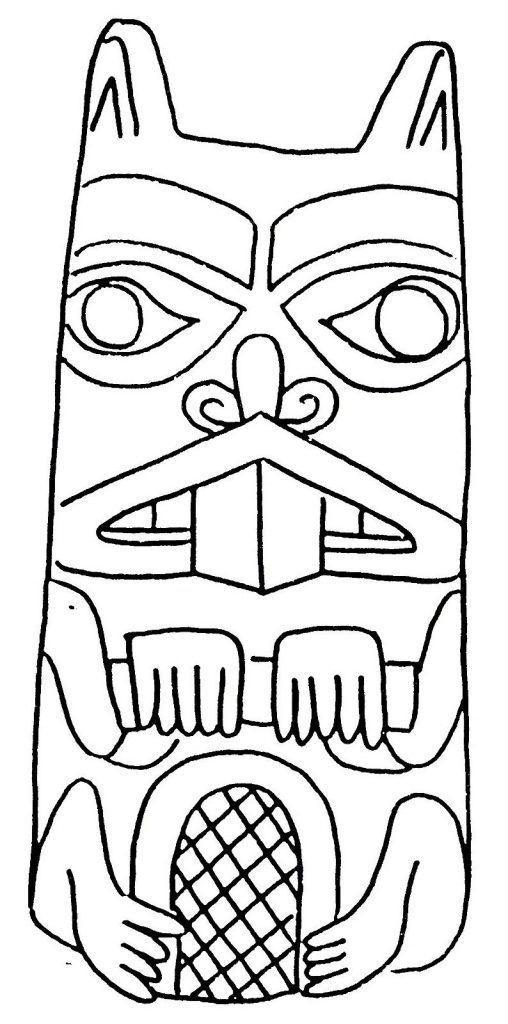
A growing collection of high-resolution coloring sheets — animals, cartoon characters, holidays, and more. Print and enjoy at home or in the classroom.
Explore the CollectionWelcome
Coloring Fun for Every Child
presentcontemporaryart brings together an extensive library of free printable coloring pages. From friendly giraffes and adventure-time characters to seasonal holiday sheets, there is something here to spark every child's creativity. All pages are easy to download and print at high resolution — perfect for rainy afternoons, classroom activities, or quiet time at home.
Animals & Nature
Giraffes, goldfinches, orioles, and woodland creatures — a wide selection of animal coloring pages for young nature lovers.

Cartoon Characters
Adventure Time, Land Before Time, Justin Time, and more beloved characters ready to be brought to life with color.
Holidays & Seasons
Halloween, New Year, and seasonal coloring sheets to celebrate special times throughout the year.
How to organize a coloring station at home
A dedicated coloring station gives children a clear, welcoming place to draw, color, and explore creative ideas. It does not need to take up an entire room. A small desk, a corner of the kitchen table, or a low shelf with a nearby work surface can become an inviting art area.
The most useful setup combines easy access with simple organization. Children should be able to choose a coloring page, find the right pencils or crayons, and begin working without waiting for an adult to gather supplies.
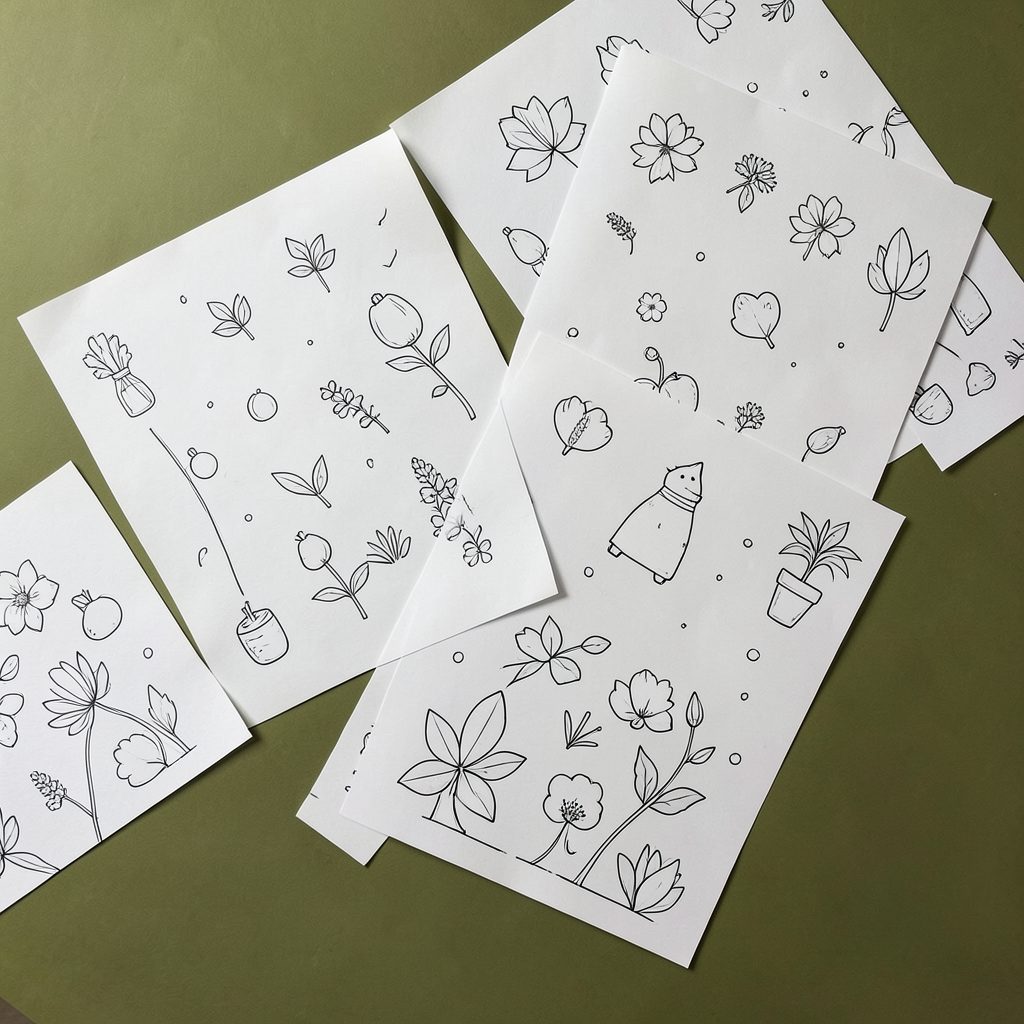
Free printable coloring pages make it easy to refresh the station whenever interest changes. Present Contemporary Art offers animal, nature, cartoon, sports, holiday, and seasonal designs that can be printed at home without registration.
Choose a comfortable location
Select a spot with good natural light or place an adjustable lamp nearby. Bright, even lighting helps children see small details and reduces eye strain during longer creative sessions. A washable floor or table surface is especially helpful when using markers, paint, or glue.
Keep the station close enough for supervision, while allowing children to work independently. A dining area, playroom, or quiet corner of a living room can all work well. Leave enough space for a chair, coloring book, and a few containers without making the area feel crowded.
Protect the work surface with a plastic mat, old tablecloth, or large sheet of recycled cardboard. This creates a defined creative zone and makes cleanup faster after an art activity.
Gather supplies children can reach
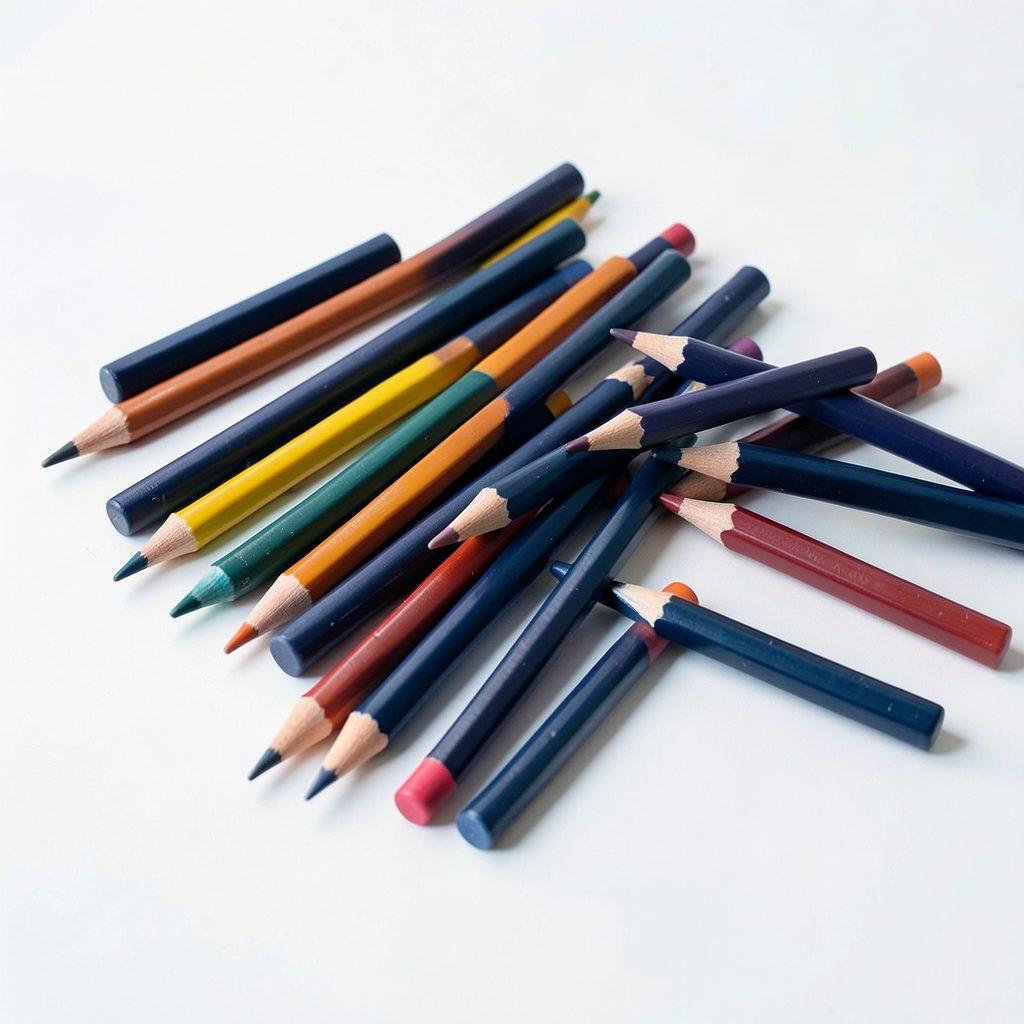
Use low bins, open baskets, or small drawers so children can see and return their materials. Store similar items together: crayons in one container, colored pencils in another, and washable markers in a separate cup. A shallow tray can hold the supplies needed for one coloring session.
Choose materials according to the child’s age. Chunky crayons are easier for younger children to grip, while older artists may enjoy fine-tip colored pencils, gel pens, or blending tools. Keep scissors, glue, and other items that require supervision in a higher location.
| Supply | Helpful storage | Best use |
|---|---|---|
| Crayons | Open cup or divided tray | Large areas and younger children |
| Colored pencils | Pencil holder or case | Details, patterns, and shading |
| Washable markers | Lidded container | Bold colors and quick projects |
| Printer paper | Labelled vertical file | Fresh coloring sheets |
| Protective mat | Beside the work surface | Easy cleanup |
A small pencil sharpener with a built-in container prevents shavings from spreading across the station. Check supplies regularly and remove dried markers, broken crayons, or pencils that have become too short to use comfortably.
Organize printable pages by interest
A simple filing system keeps coloring sheets from becoming a messy stack. Use labeled folders such as “animals,” “nature,” “vehicles,” “characters,” and “holidays.” Children can then select a theme based on their mood instead of searching through every page.
Print several designs at once and place them in a “ready to color” folder. Keep extra pages in a separate supply file so the active area stays uncluttered. Reusing the back of one-sided pages for practice drawings can also reduce paper waste.
Seasonal folders are useful for rotating the selection throughout the year. Snowflakes and winter animals can appear in colder months, while flowers, insects, and outdoor scenes can be introduced in spring or summer.
Make cleanup part of the routine
Organization works best when putting supplies away is as easy as taking them out. Add picture labels to containers if younger children cannot read yet. A crayon symbol, pencil drawing, or marker color can show where each item belongs.
Keep a small cleaning kit near the station with tissues, a damp cloth, and a recycling bin. Children can wipe the table, collect scraps, and return tools before moving to another activity. Turning cleanup into the final step of coloring teaches responsibility without making art feel like a chore.
For wet or messy projects, use a separate tray that can be carried to the kitchen. This keeps glue, paint, and water away from the everyday coloring area and makes it easier to protect nearby furniture.
Create a flexible creative routine
A coloring station can support both quiet independent play and shared family time. Set aside a regular period after school, before dinner, or on weekend mornings. A predictable routine helps children settle into focused activity and gives them something enjoyable to anticipate.
Offer choices without taking over the project. You might provide a page with an animal theme and invite the child to choose the colors, add a background, or create a story around the picture. Open-ended prompts encourage imagination while preserving the relaxed nature of coloring.
The station can also become the center of a small gathering. If friends or relatives are visiting, use ideas from this guide to host a coloring party, with themed pages, shared supplies, and a display area for finished work.
Refresh the station with simple changes
Children often return to a creative space more enthusiastically when it feels new. Change the visible pages every week or two, introduce a different color palette, or add a small seasonal decoration. These minor updates can renew interest without requiring expensive supplies.
Display completed artwork with clips, magnets, or a string and clothespins. A rotating gallery gives children a sense of achievement and encourages them to discuss their choices. Keep a folder for favorite pieces so the display can change without throwing work away.
Use these practical ideas to keep the area inviting:
- Place the most-used supplies at child height.
- Keep five to ten coloring pages visible and store the rest in labeled folders.
- Add a timer for short, focused coloring sessions.
- Include recycled paper for free drawing and experimenting.
- Review the station weekly and replace worn-out materials.
Turn a small corner into an art habit
An effective home coloring area is defined by accessibility, comfort, and a manageable routine rather than its size. With a suitable surface, organized materials, and a rotating collection of printable designs, children can begin creating with very little preparation.
Set up one small section of your home today, print a few pages that match your child’s interests, and place the materials within easy reach. A consistent creative corner can become a lasting source of calm, imagination, and family connection.
Also Discover
A Legacy in Contemporary Art
Beyond coloring pages, presentcontemporaryart has a history as an association of art collectors and patrons — Associazione di Collezionisti e Mecenati. The organization promoted international exhibitions connecting Chinese, Italian, and international artists, with past events in Shanghai and Berlin.



Ready to Start Coloring?
Browse the full collection of free printable coloring pages — all just a click away.
View All Coloring Pages