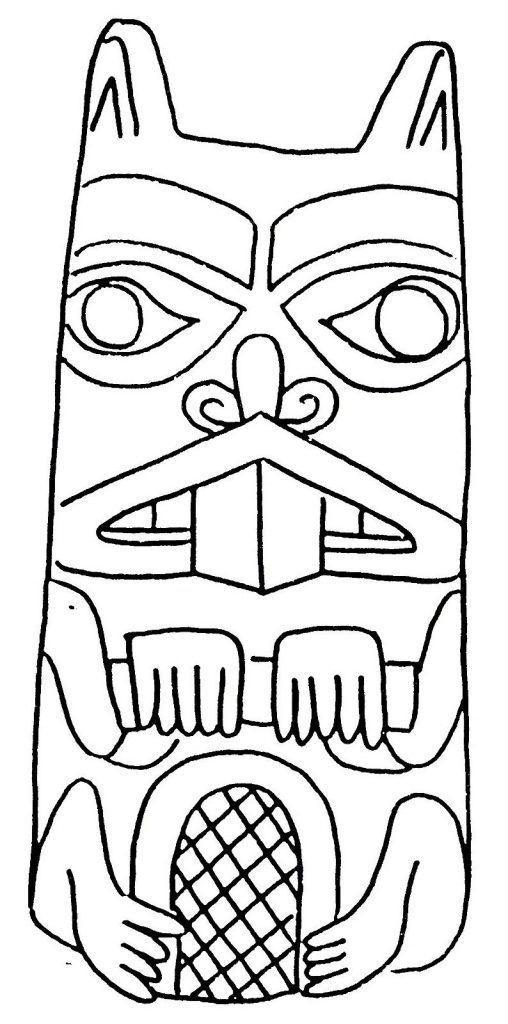
A growing collection of high-resolution coloring sheets — animals, cartoon characters, holidays, and more. Print and enjoy at home or in the classroom.
Explore the CollectionWelcome
Coloring Fun for Every Child
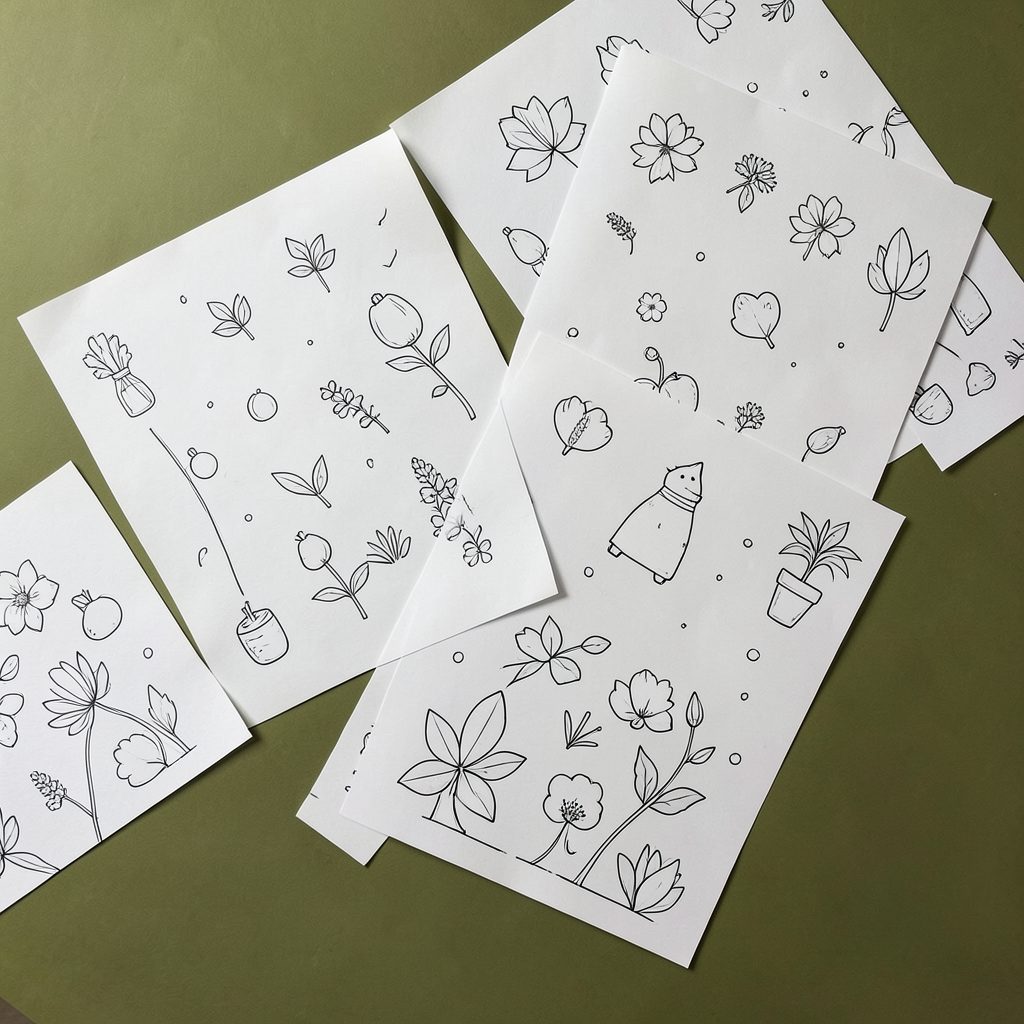
presentcontemporaryart brings together an extensive library of free printable coloring pages. From friendly giraffes and adventure-time characters to seasonal holiday sheets, there is something here to spark every child's creativity. All pages are easy to download and print at high resolution — perfect for rainy afternoons, classroom activities, or quiet time at home.
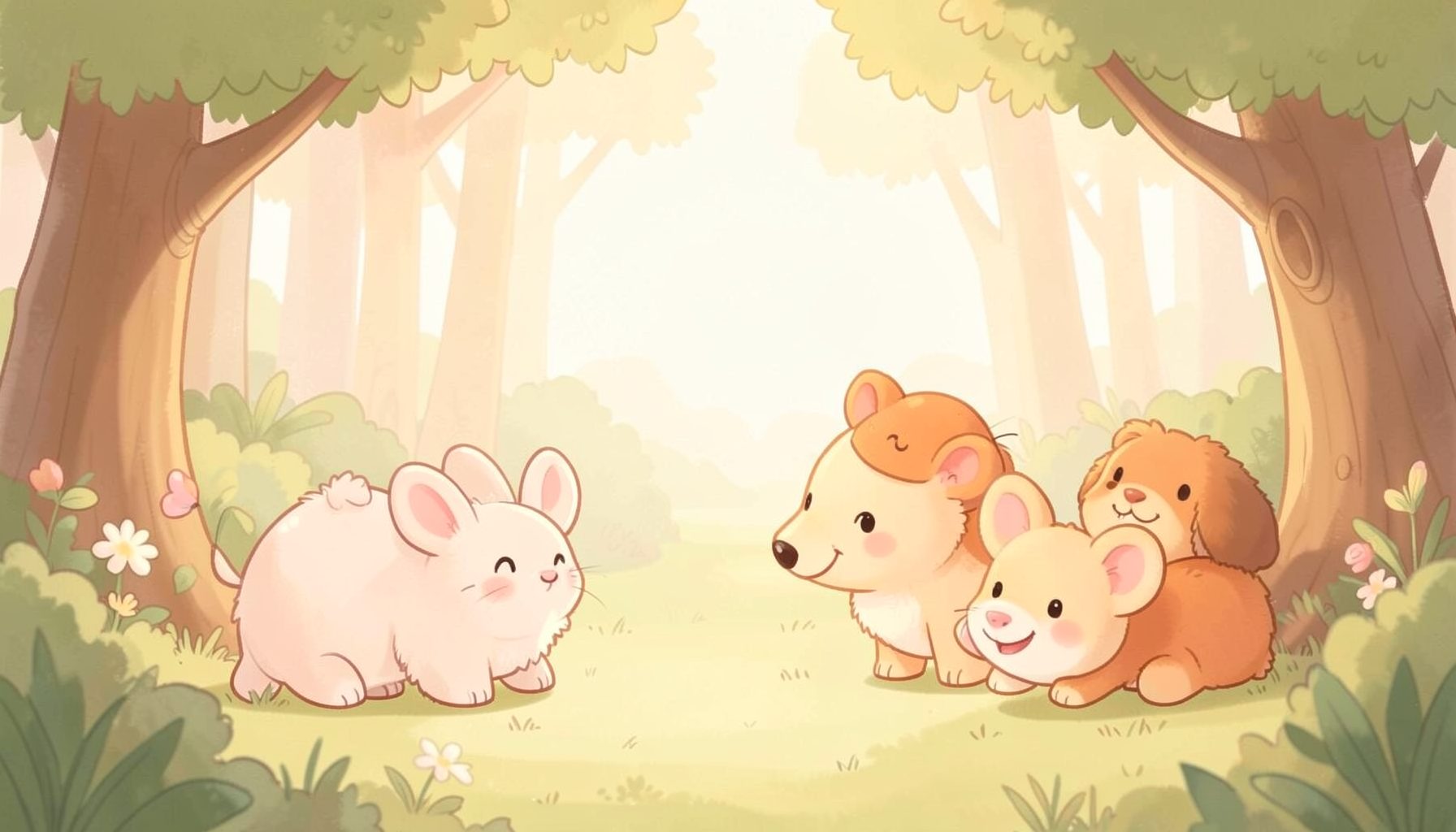
Animals & Nature
Giraffes, goldfinches, orioles, and woodland creatures — a wide selection of animal coloring pages for young nature lovers.
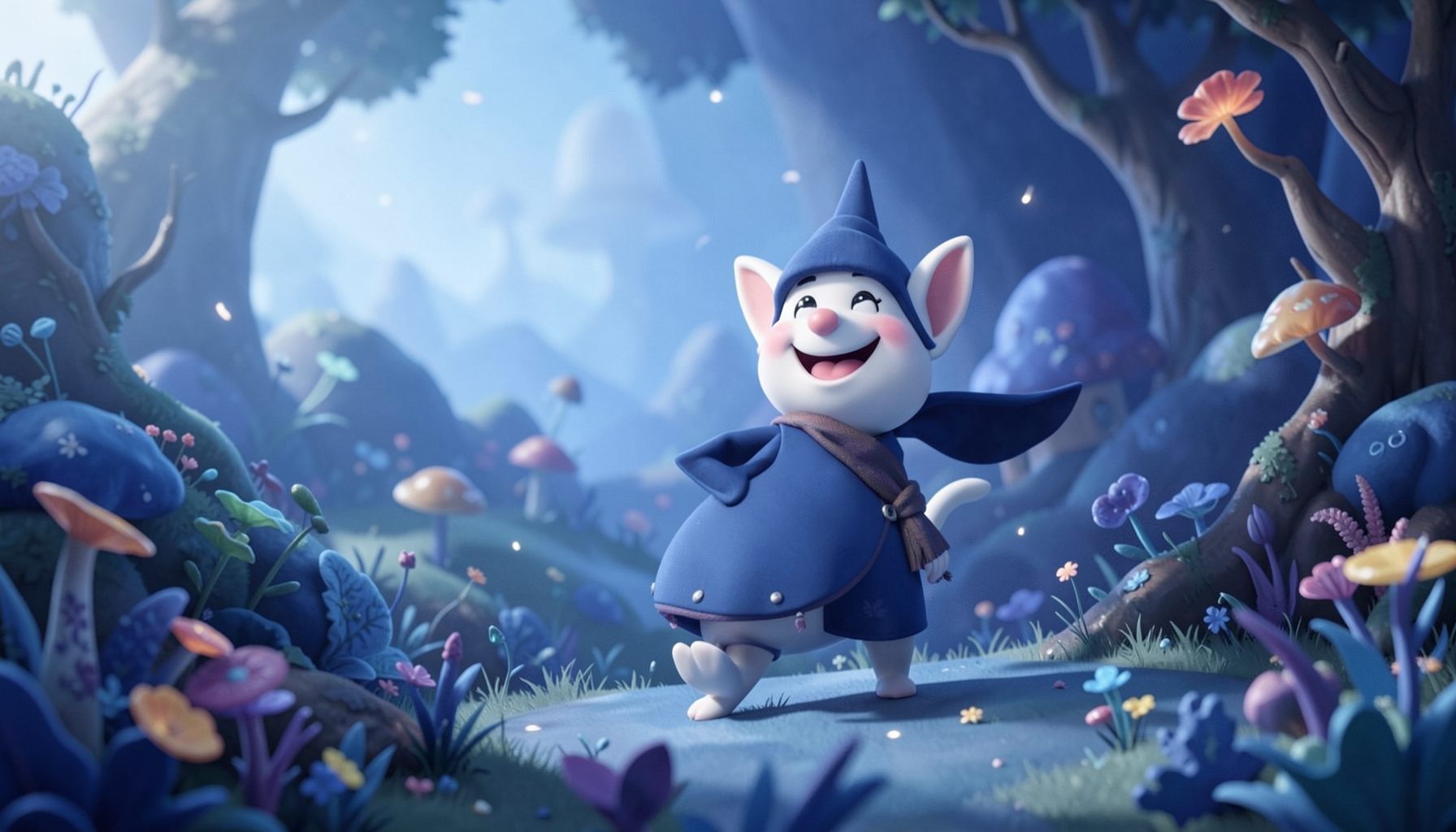
Cartoon Characters
Adventure Time, Land Before Time, Justin Time, and more beloved characters ready to be brought to life with color.
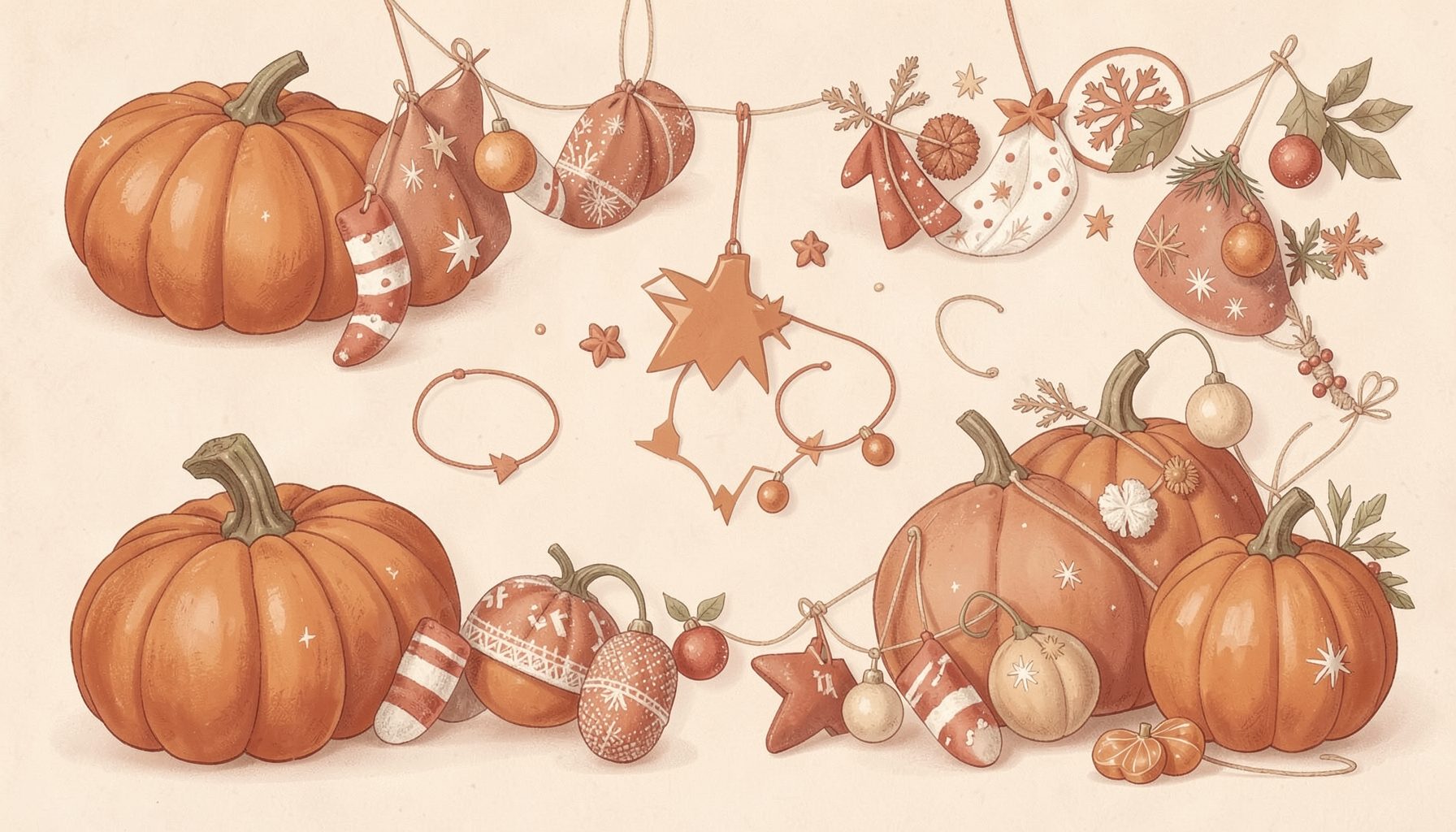
Holidays & Seasons
Halloween, New Year, and seasonal coloring sheets to celebrate special times throughout the year.
Making Printable Colouring Pages Educational for Toddlers
Colouring pages can support much more than quiet time. For toddlers, a simple picture of a koala, rainbow, farm animal or football can encourage new words, hand control, decision-making and early understanding of the world. The activity becomes educational when an adult adds gentle conversation and purposeful play.
Free printable designs are especially useful for Australian families, playgroups and early learning centres. Pages can be downloaded without registration, printed on ordinary A4 paper and used at home, during a rainy afternoon in Melbourne or as a calm activity after outdoor play in Perth.
Choose pictures that invite conversation
Start with familiar subjects that toddlers recognise from daily life. Animals, vehicles, fruit, weather and household objects are useful because children can connect the image with real experiences. A picture of a kangaroo may lead to a chat about hopping, grass, babies in pouches and visits to a wildlife park.
Use short, open prompts while the child colours. Ask, “What sound does the cow make?” or “Can you find the green leaf?” Avoid turning the activity into a test. Toddlers learn through repetition, and a relaxed chat about a beach, a gum tree or a backyard bird can build vocabulary naturally.
Choose colouring sheets with large shapes, bold outlines and limited detail. Complicated scenes may frustrate small children, while clear pictures give them space to practise holding a crayon and staying within a shape.
Link colouring with early literacy
Colouring pages can become a gentle pre-reading activity. Name the subject, repeat its first sound and invite the child to listen: “S is for sun.” You can write the word underneath the picture, but keep the focus on hearing and speaking rather than expecting a toddler to copy letters.
Add simple storytelling to extend language. A decorated picture of a dog might become a short story about walking to the park, meeting a friend and finding a red ball. Encourage the child to describe colours, sizes and actions using complete phrases when they are ready.
Songs and rhymes work well too. A farm animal page can accompany familiar Australian preschool songs, while a weather picture can prompt words such as sunny, windy, rainy and cold. These repeated language patterns help children remember new vocabulary.
| Learning focus | How to use a colouring page | Skills supported |
|---|---|---|
| Colours | Name two or three colours and let the child choose the rest | Vocabulary and decision-making |
| Counting | Count animals, spots, wheels or flowers | One-to-one counting |
| Shapes | Find circles, lines, triangles and large spaces | Visual recognition |
| Nature | Talk about habitats, seasons and local wildlife | Observation and knowledge |
| Storytelling | Invent a short event around the picture | Listening and expressive language |
Practise numbers, shapes and sorting
A printable page can introduce early maths without looking like a worksheet. Count the apples on a tree, the wheels on a truck or the legs on an insect. Touch each item as you count so the child connects number words with real objects.
Sorting games add another layer of learning. If the page includes several animals, ask which ones are big or small, which can fly and which live in water. After colouring, sort crayons into warm and cool colours or place finished pictures in size order.
Shapes are easy to notice in everyday illustrations. Wheels, balls and suns are circles; windows may be squares or rectangles. Keep explanations brief and playful. The purpose is to help toddlers observe patterns, compare objects and use mathematical language during an enjoyable creative activity.
Develop fine motor skills safely
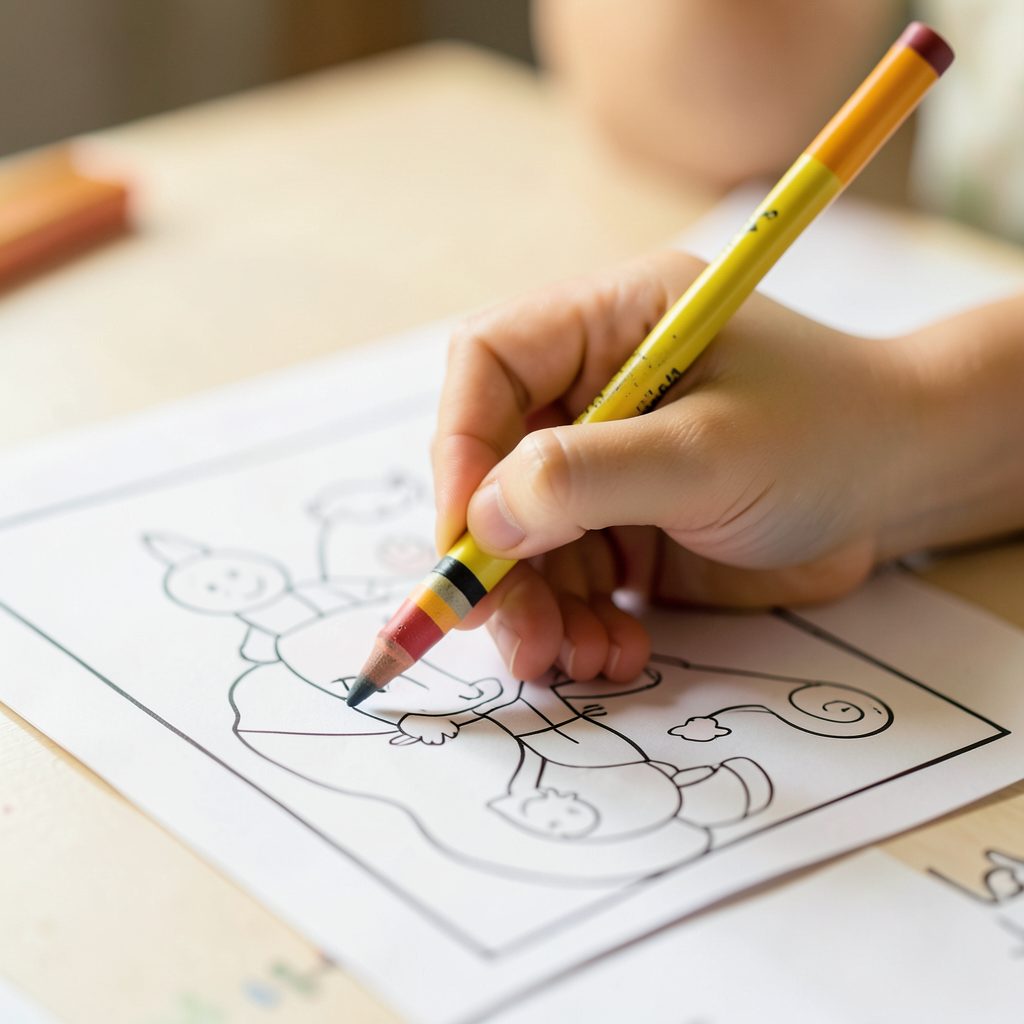
Colouring supports the small hand movements needed for drawing, dressing and using cutlery. Offer chunky crayons, washable markers or triangular pencils that are comfortable for young children. Short sessions are usually enough; ten focused minutes can be more valuable than pushing a tired toddler to finish a page.
Place the paper on a stable surface and let the child use whichever hand feels natural. Adults can demonstrate gentle strokes, dots and lines, but should avoid correcting every mark. Scribbling, crossing boundaries and changing colours are normal parts of early development.
Supervise materials carefully, especially with children who still mouth objects. Use age-appropriate, non-toxic supplies and keep scissors, small stickers and pencil sharpeners out of reach. In an Australian long day care setting or kindy, educators can connect the activity with fine-motor goals while still allowing individual expression.
Connect pages with real-world play
The strongest learning often happens after the colouring is finished. A sea-life picture can lead to a walk near the coast, a visit to an aquarium or a discussion about protecting beaches. A bush animal page can be paired with a nature hunt in the garden, where children look for leaves, birds and insects without touching wildlife.
Seasonal pages can reflect local life. During an Australian summer, children might colour sun hats, beaches and watermelons; in winter, they may explore raincoats, puddles and warm clothing. Holiday designs can introduce family traditions while leaving room for different cultural experiences.
Display completed artwork at the child’s level and invite them to talk about it later. A small gallery on the fridge or a classroom wall gives children a reason to revisit words, colours and stories. Free printable colouring pages then become part of an ongoing learning routine rather than a one-off craft task.
Also Discover
A Legacy in Contemporary Art
Beyond coloring pages, presentcontemporaryart has a history as an association of art collectors and patrons — Associazione di Collezionisti e Mecenati. The organization promoted international exhibitions connecting Chinese, Italian, and international artists, with past events in Shanghai and Berlin.


Ready to Start Coloring?
Browse the full collection of free printable coloring pages — all just a click away.
View All Coloring Pages