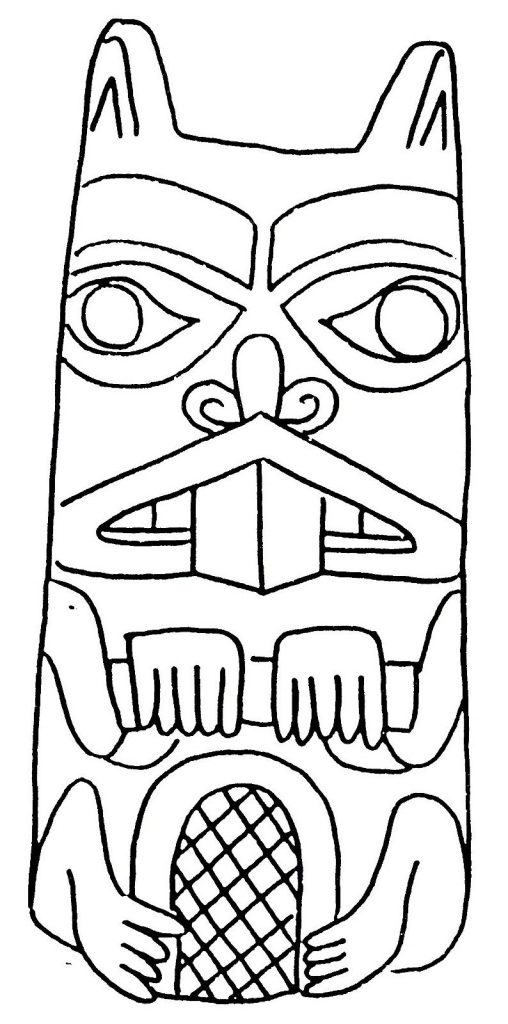
A growing collection of high-resolution coloring sheets — animals, cartoon characters, holidays, and more. Print and enjoy at home or in the classroom.
Explore the CollectionWelcome
Coloring Fun for Every Child
presentcontemporaryart brings together an extensive library of free printable coloring pages. From friendly giraffes and adventure-time characters to seasonal holiday sheets, there is something here to spark every child's creativity. All pages are easy to download and print at high resolution — perfect for rainy afternoons, classroom activities, or quiet time at home.
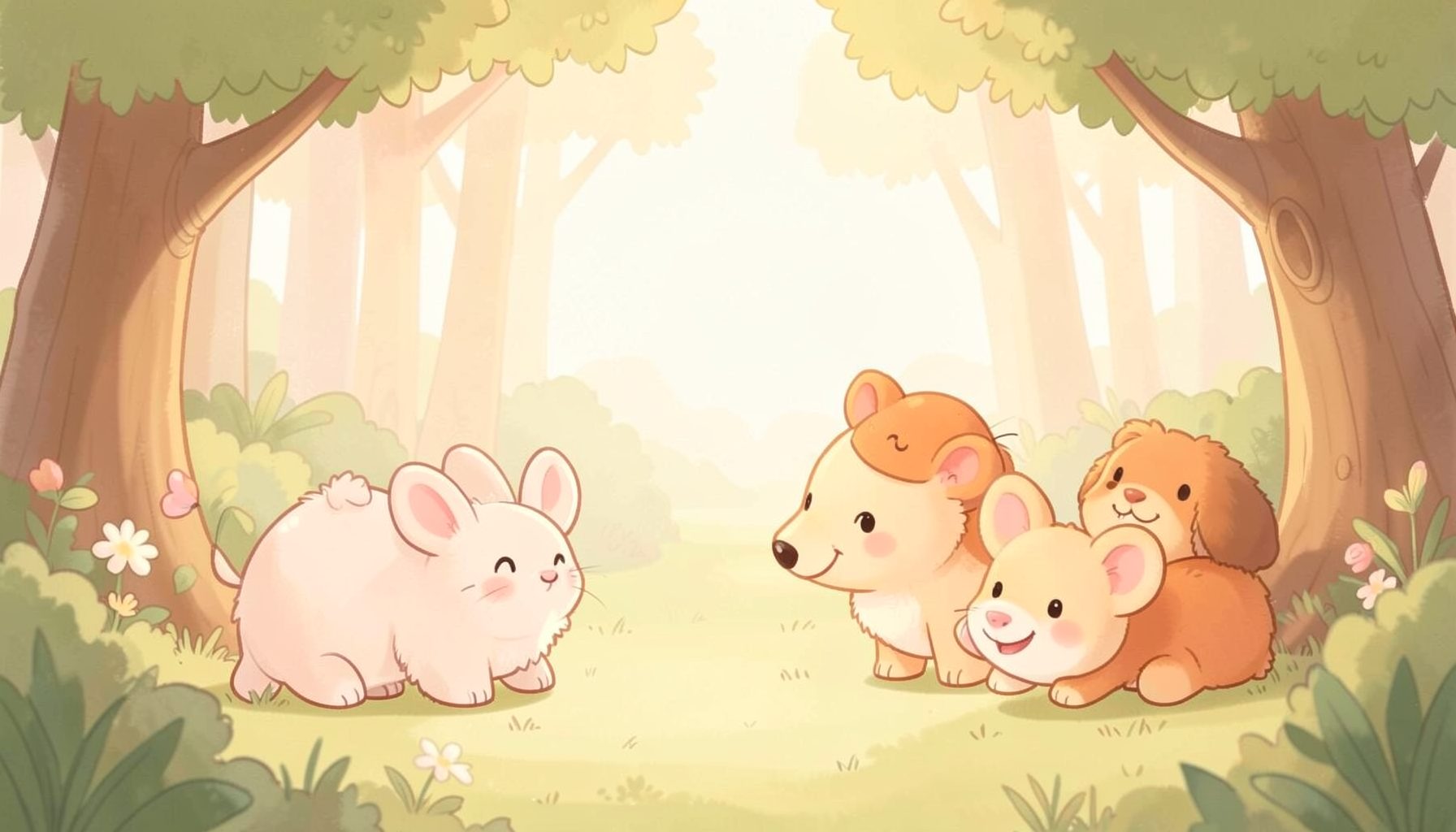
Animals & Nature
Giraffes, goldfinches, orioles, and woodland creatures — a wide selection of animal coloring pages for young nature lovers.
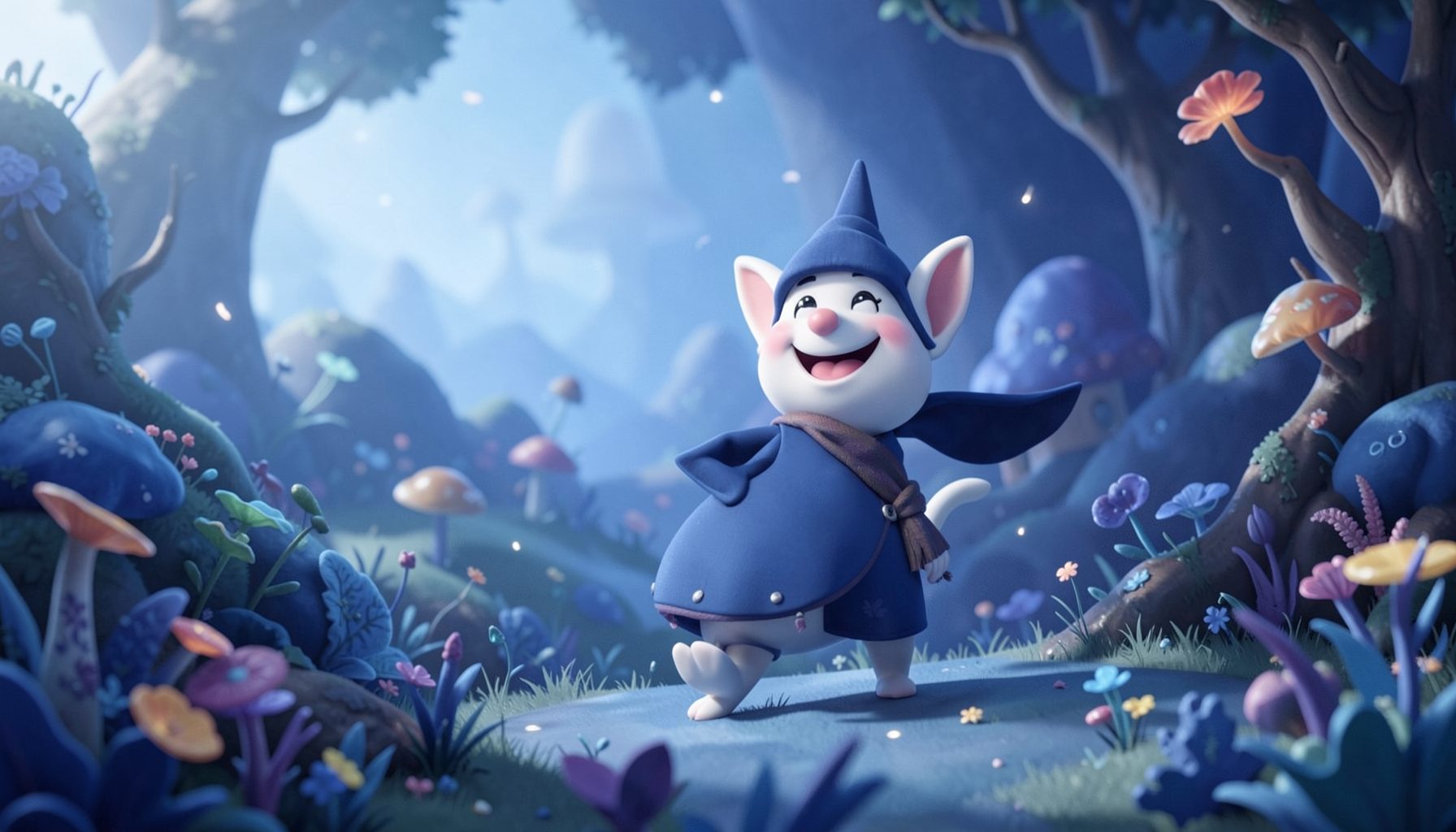
Cartoon Characters
Adventure Time, Land Before Time, Justin Time, and more beloved characters ready to be brought to life with color.

Holidays & Seasons
Halloween, New Year, and seasonal coloring sheets to celebrate special times throughout the year.
Making Coloring Pages Accessible for Children With Disabilities
Coloring can support self-expression, fine-motor development, communication, and calm, yet a standard worksheet may create barriers. Small details such as faint outlines, crowded backgrounds, or paper that slips across a desk can make a creative activity tiring or frustrating for a child with a disability.
Accessible coloring pages give children more control over the way they participate. A page may be simplified, enlarged, printed on a different surface, or paired with adapted tools so that children with low vision, motor disabilities, autism, intellectual disability, or sensory differences can enjoy the same activity alongside their peers.
| Common Page Feature | More Accessible Alternative |
|---|---|
| Thin, pale outlines | Thick, high-contrast black lines |
| Busy background | Simple shapes with generous spacing |
| A4 portrait only | Large-print options and flexible orientation |
| Tiny enclosed areas | Larger sections with clear boundaries |
| One expected method | Crayons, markers, paint, collage, or digital colouring |
| Slippery loose paper | Card, clipboard, non-slip mat, or folder |
Start With Clear, Flexible Designs
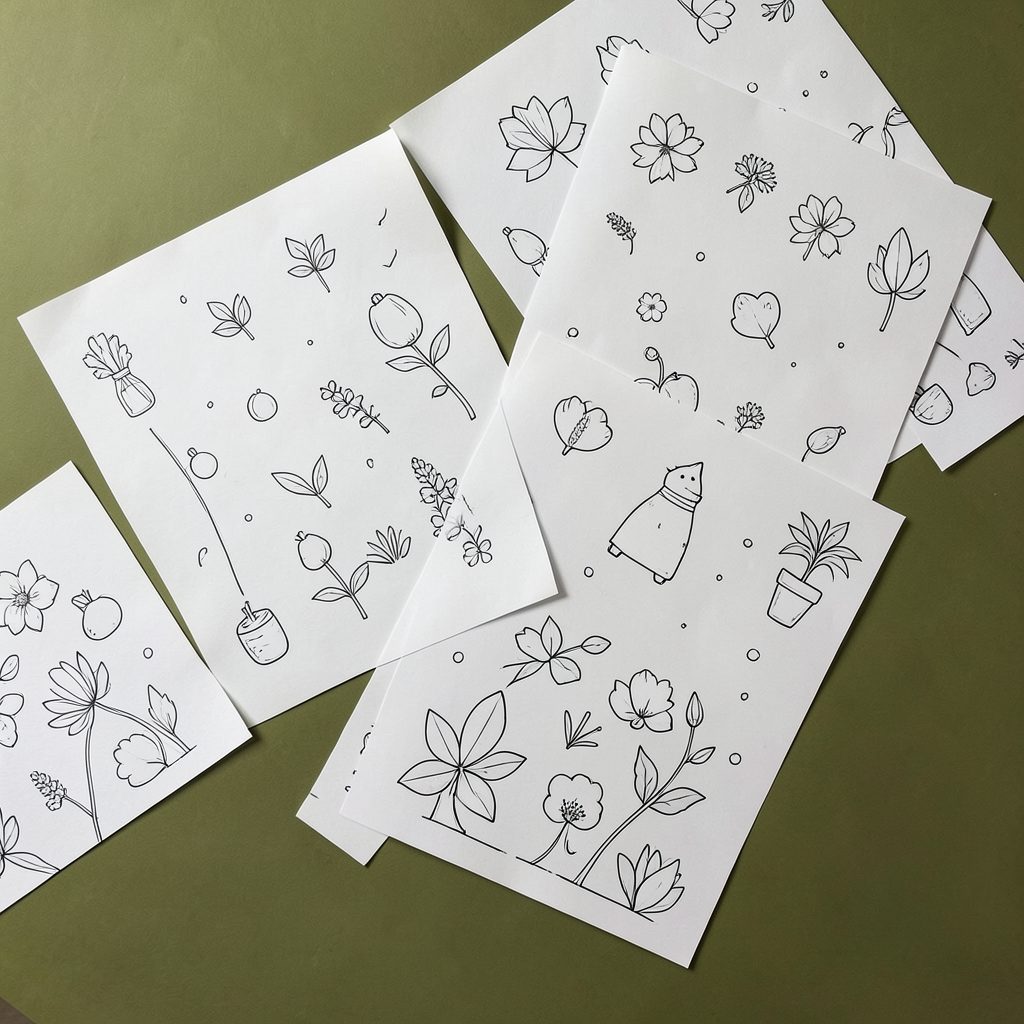
A useful accessible coloring page has a clear subject and a predictable visual structure. Bold outlines, open spaces, and limited decorative detail help children identify the image without having to process a crowded scene. Animals, leaves, vehicles, and familiar objects often work well because their shapes are easy to recognise.
Offer several complexity levels rather than assuming every child needs the same adjustment. A simple kangaroo silhouette may suit a child developing visual-motor control, while an older child might prefer a detailed native bird or sports illustration. Free printable pages from art exhibitions can also inspire themes that connect colouring with broader creative experiences.
Make Printing And Paper Work Better
Australian homes and classrooms commonly rely on A4 printers, so accessible resources should print clearly at that size without requiring specialist equipment. Use strong contrast, generous margins, and lines that remain visible when a page is printed in draft mode. A thicker 120–200 gsm sheet can reduce tearing and make the surface easier to stabilise.
For children who press heavily or use paint, attach the page to lightweight card or place it inside a reusable plastic sleeve. A clipboard, non-slip drawer liner, or small pieces of removable tape can prevent movement. In Melbourne, Sydney, Brisbane, and regional classrooms, these low-cost adjustments are often more practical than purchasing specialised equipment for a single activity.
Support Low Vision And Visual Processing
Children with low vision may benefit from enlarged images, high-contrast outlines, and uncluttered backgrounds. Avoid relying on colour alone to communicate instructions; pair colour cues with words, symbols, texture, or verbal guidance. A teacher or carer can describe the image and allow the child to explore the page before colouring begins.
Lighting also matters. Glare from glossy paper can make outlines harder to see, especially near windows or under bright classroom lights. Matte paper, a tilted work surface, and a desk lamp positioned to the side may improve visibility. Descriptions such as “colour the large circle red” are clearer than pointing to a small area from across the table.
Adapt Tools For Motor Access
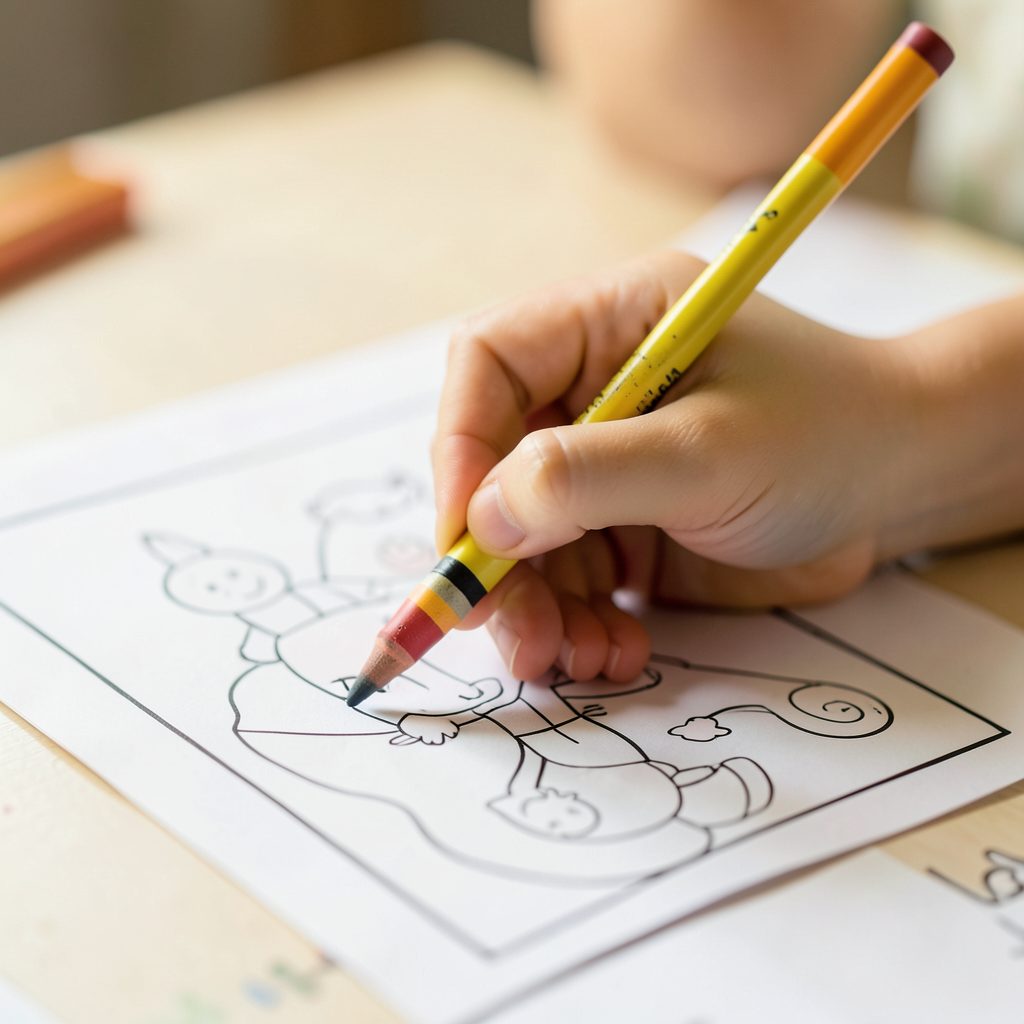
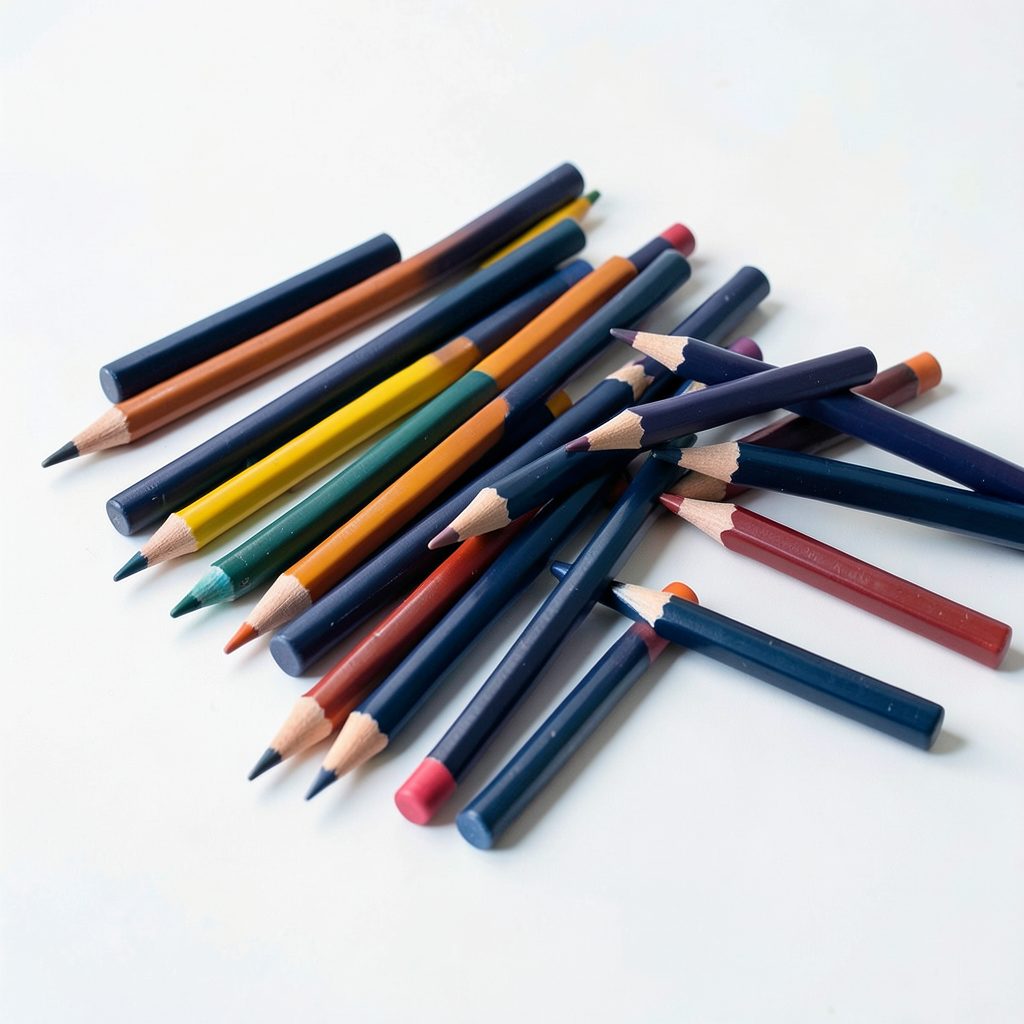
Thick triangular crayons, jumbo pencils, short markers, and pencil grips can make grasping easier for children with limited hand strength or coordination. Some children may prefer a paintbrush, sponge dabber, stamp, adaptive stylus, or tablet instead of a conventional pencil. The aim is participation, rather than producing neat lines or filling every space.
Keep the page within comfortable reach and support the child’s forearm if needed. Slanted boards can reduce wrist strain, while a non-slip mat can help a child who has difficulty holding paper still. Offer breaks and allow colouring outside the lines; forcing precise movements may turn a relaxing task into an exhausting one.
Reduce Sensory And Cognitive Load
A predictable page can be especially helpful for children with autism, attention differences, or intellectual disability. Use one clear image, short instructions, and a consistent layout. If the task has several steps, present them one at a time: choose a tool, select a colour, colour one section, and pause.
Some children dislike the smell or sound of particular materials, including scented markers, waxy crayons, or noisy pencil sharpeners. Keep unscented options available and avoid presenting too many colours at once. Australian seasonal themes can be adapted to local routines, such as beach scenes for summer, gum leaves for autumn, or winter clothing during the cooler months in Canberra and Tasmania.
Build Inclusive Activities In Everyday Settings
Accessibility works best when children can choose how they join in. A child might colour independently, dictate colour choices to a peer, use hand-over-hand support, or decorate a page with stickers and textured materials. In Australian schools, reasonable adjustments are supported by the Disability Discrimination Act 1992, while individual needs may also be discussed with families, occupational therapists, and support staff.
The National Disability Insurance Scheme may support some children through personalised goals, although ordinary printable colouring resources are generally simple household or classroom materials rather than a guaranteed NDIS-funded item. Remote and regional communities may also face limited access to specialist suppliers, making downloadable pages and locally available tools valuable.
Use these practical recommendations when preparing a colouring activity:
- Provide at least two levels of visual complexity.
- Print a high-contrast version on sturdy matte paper.
- Offer thick crayons, markers, paint, or digital alternatives.
- Secure pages with a clipboard, tape, or non-slip mat.
- Give verbal descriptions and short, step-by-step instructions.
- Allow children to choose colours, tools, pace, and finishing method.
- Record successful adjustments so they can be used in future activities.
Inclusive colouring is a process of removing unnecessary barriers while preserving creativity. When pages, tools, instructions, and surroundings are flexible, children with disabilities can take part meaningfully at home, in Australian classrooms, libraries, and community art sessions.
Also Discover
A Legacy in Contemporary Art
Beyond coloring pages, presentcontemporaryart has a history as an association of art collectors and patrons — Associazione di Collezionisti e Mecenati. The organization promoted international exhibitions connecting Chinese, Italian, and international artists, with past events in Shanghai and Berlin.



Ready to Start Coloring?
Browse the full collection of free printable coloring pages — all just a click away.
View All Coloring Pages