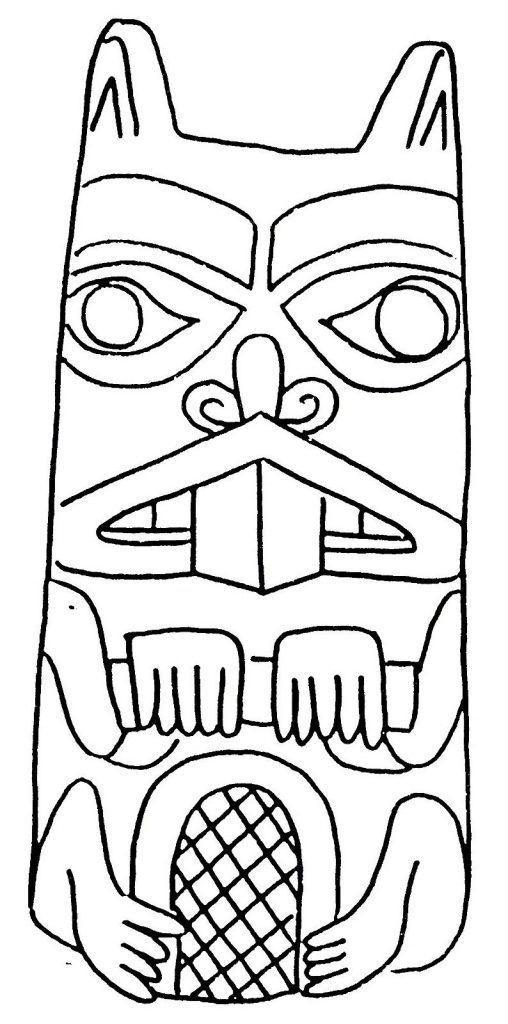
A growing collection of high-resolution coloring sheets — animals, cartoon characters, holidays, and more. Print and enjoy at home or in the classroom.
Explore the CollectionWelcome
Coloring Fun for Every Child
presentcontemporaryart brings together an extensive library of free printable coloring pages. From friendly giraffes and adventure-time characters to seasonal holiday sheets, there is something here to spark every child's creativity. All pages are easy to download and print at high resolution — perfect for rainy afternoons, classroom activities, or quiet time at home.
Animals & Nature
Giraffes, goldfinches, orioles, and woodland creatures — a wide selection of animal coloring pages for young nature lovers.
Cartoon Characters
Adventure Time, Land Before Time, Justin Time, and more beloved characters ready to be brought to life with color.
Holidays & Seasons
Halloween, New Year, and seasonal coloring sheets to celebrate special times throughout the year.
How to Make a Giant Coloring Poster with Printables
A giant coloring poster turns a simple creative activity into a shared project. Instead of giving each child one small sheet, you can connect several printable coloring pages and create a wall-sized scene for a classroom, birthday party, playroom, or rainy afternoon at home.
The project is flexible because you can choose a theme that matches the children’s interests. Animals, outer space, gardens, sports, cartoon-inspired figures, holidays, and seasonal pictures all work well. Free printable pages make it easy to begin without special software or registration.
The finished artwork can be colorful and carefully planned, or loose and spontaneous. The most important goal is to give children enough space to draw, make choices, and contribute to something they can see growing piece by piece.
Pick a Theme and Poster Size
Start with a central idea that can be divided into several connected areas. An ocean poster might include fish, shells, seaweed, boats, and bubbles. A farm scene could feature animals, a barn, vegetables, clouds, and a tractor. A simple theme is often easier for younger children to understand and decorate.
Decide how large the final artwork should be before printing. Four pages may be enough for a tabletop activity, while twelve or more sheets can cover a classroom wall. Measure the available space and leave a small border around the finished design so it does not look cramped.
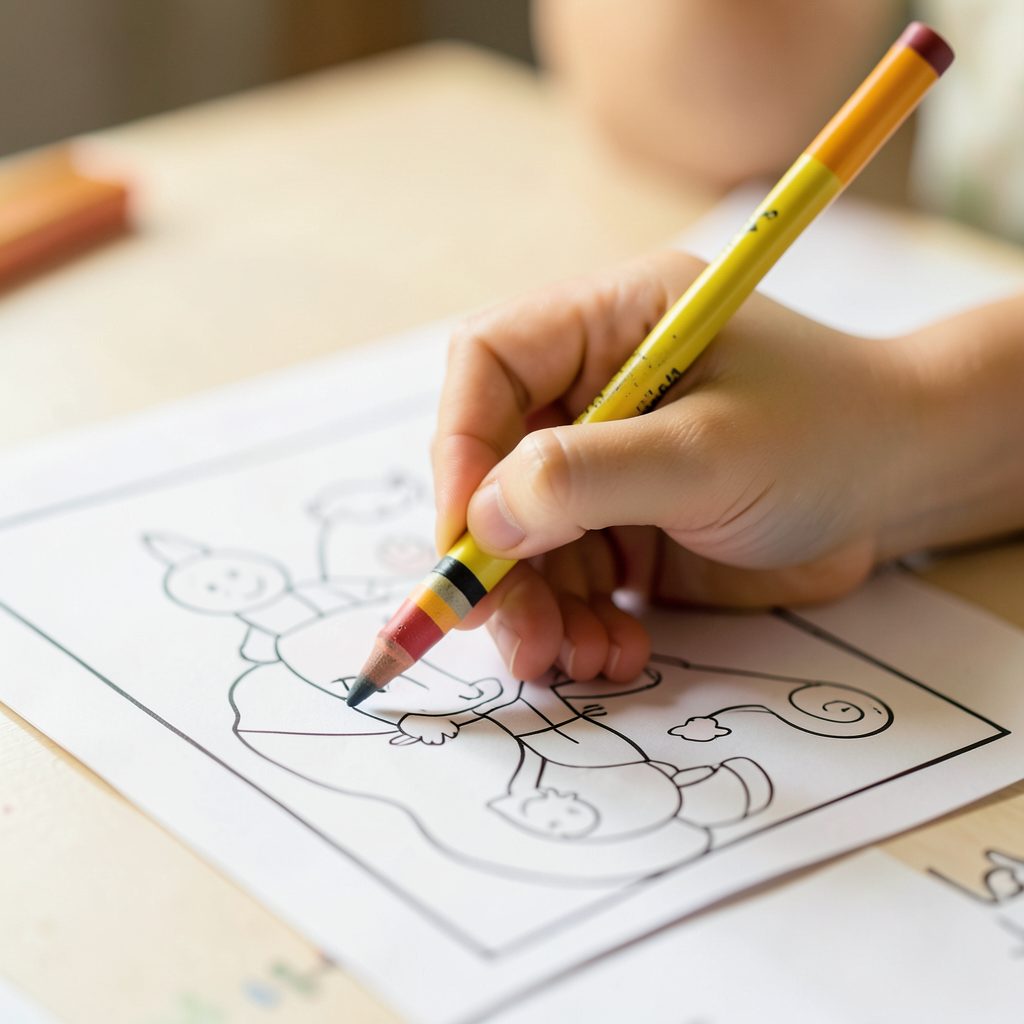
For preschool groups, choose bold outlines and uncomplicated pictures. A collection of simple coloring pages is especially useful because large shapes are easier for small hands to color without frustration.
Gather Paper and Creative Supplies
Standard printer paper is suitable for most indoor posters, but slightly heavier paper will resist tearing when children use crayons, markers, or paint sticks. If you plan to hang the artwork, matte paper is usually easier to tape and less slippery than glossy stock.
Prepare the materials before the activity begins. You may need:
- Printable coloring sheets and extra blank paper
- A printer with enough ink
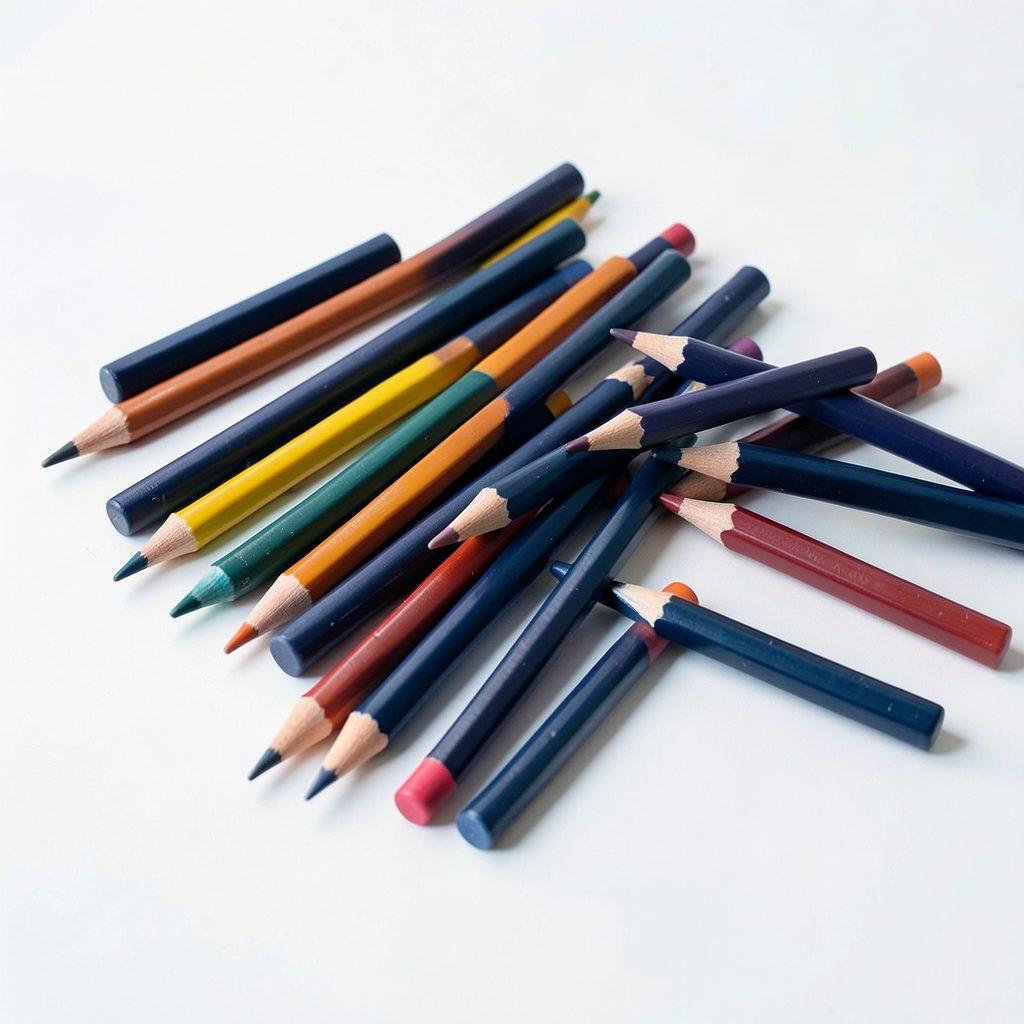
- Crayons, colored pencils, washable markers, or tempera sticks
- Scissors, glue sticks, and removable tape
- A ruler, pencil, and large backing paper
- Labels or small cards for adding names and captions
Keep several colors available in shared containers. A limited palette can make the final poster look coordinated, while a full selection of colors gives children more freedom. Washable supplies are a practical choice for younger artists.
Arrange the Printable Pages
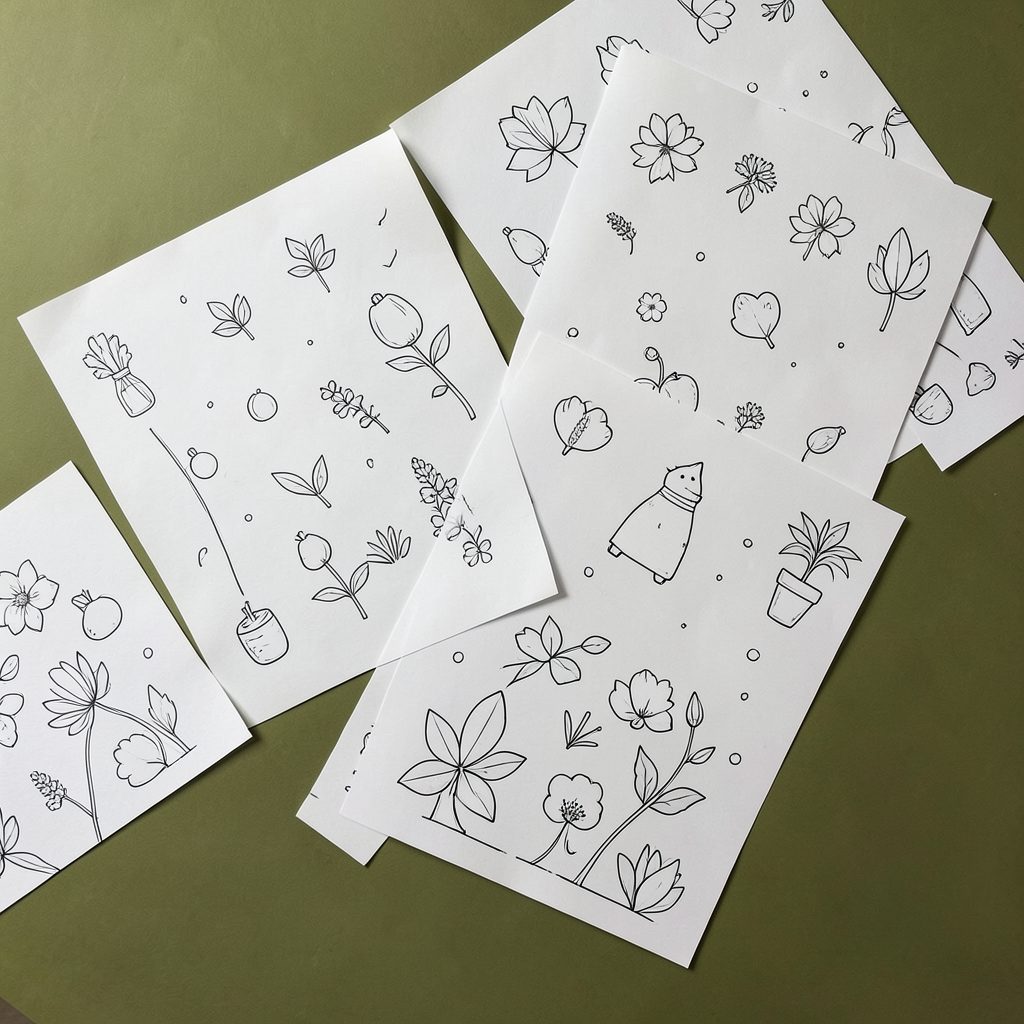
Lay all the printed sheets on the floor or a large table before gluing anything. Move the pages around until the main subjects form a natural scene. Keep related images near one another, such as birds in the sky, flowers along the ground, or players near a sports field.
You can overlap pages slightly, trim white margins, or leave narrow gaps between sections. If the printer has a “poster” or “tile” setting, use it to enlarge one illustration across several sheets. Otherwise, combine individual coloring pages into a collage-style composition.
| Poster style | Suitable page count | Best setting | Assembly approach |
|---|---|---|---|
| Small display | 4–6 sheets | Home or reading corner | Tape pages to backing paper |
| Group scene | 8–12 sheets | Preschool or classroom | Arrange by theme and glue in sections |
| Wall mural | 15–30 sheets | Hallway or activity room | Mount on large paper or cardboard |
| Event backdrop | 20+ sheets | Party or community space | Add a title and decorative border |
Mark the back of each sheet with a light pencil number if the arrangement is complicated. This small step prevents confusion after the pages are moved for coloring or drying.
Add Background Details
Once the main illustrations are placed, fill open spaces with easy-to-draw details. Children can add sun rays, grass, roads, stars, footprints, rainbows, patterns, or speech bubbles. These additions help separate the poster from a collection of unrelated pages and make it feel like one shared picture.
Leave some areas intentionally open. Empty space gives children room to add their own ideas and prevents the design from becoming too crowded. You can also reserve a strip at the bottom for children’s names, short descriptions, or a group message.
For a more polished display, create a border from colored paper or repeated small shapes. A winter poster might use snowflakes, while a jungle scene could have leaves and vines around the edges. Use removable adhesive when displaying artwork on painted walls.
Make Coloring a Group Activity
Assign each child a page, character, or section, then explain how the pieces will connect later. Children can work independently while still contributing to a common result. For a large group, create small teams responsible for the sky, ground, characters, background, or decorative frame.
Offer creative prompts without requiring identical results. Ask children to choose unusual animal colors, invent a new planet, design team uniforms, or add a hidden object to the scene. These prompts support storytelling and keep the activity engaging after the basic coloring is complete.
Allow time for pages to dry before cutting or mounting them. If markers are used, place scrap paper underneath to protect tables and prevent ink from transferring. When the poster is finished, invite the group to describe what is happening in the picture and display those ideas beside it.
Plan the Project for Easy Success
A little preparation makes a printable mural easier to manage and more enjoyable for children of different ages.
- Print a few extra pages in case of mistakes or torn paper.
- Test the coloring tools on the chosen paper before the activity.
- Use large, clear images for preschoolers and more detailed designs for older children.
- Create a simple layout guide before handing out the sheets.
- Photograph the finished poster before it is taken down.
The best giant coloring posters balance structure with personal expression. A clear theme provides direction, while blank spaces and open-ended details allow every child to leave a visible mark.
Gather a few printable designs, prepare a welcoming workspace, and let the picture grow across the pages. With simple supplies and shared creativity, an ordinary coloring activity can become a memorable mural ready to display.
Also Discover
A Legacy in Contemporary Art
Beyond coloring pages, presentcontemporaryart has a history as an association of art collectors and patrons — Associazione di Collezionisti e Mecenati. The organization promoted international exhibitions connecting Chinese, Italian, and international artists, with past events in Shanghai and Berlin.



Ready to Start Coloring?
Browse the full collection of free printable coloring pages — all just a click away.
View All Coloring Pages