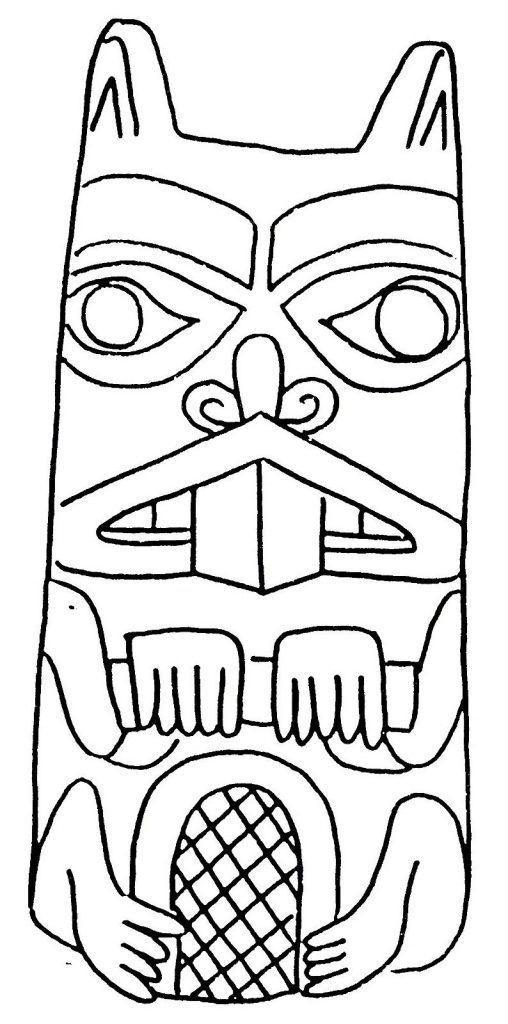
A growing collection of high-resolution coloring sheets — animals, cartoon characters, holidays, and more. Print and enjoy at home or in the classroom.
Explore the CollectionWelcome
Coloring Fun for Every Child
presentcontemporaryart brings together an extensive library of free printable coloring pages. From friendly giraffes and adventure-time characters to seasonal holiday sheets, there is something here to spark every child's creativity. All pages are easy to download and print at high resolution — perfect for rainy afternoons, classroom activities, or quiet time at home.
Animals & Nature
Giraffes, goldfinches, orioles, and woodland creatures — a wide selection of animal coloring pages for young nature lovers.

Cartoon Characters
Adventure Time, Land Before Time, Justin Time, and more beloved characters ready to be brought to life with color.
Holidays & Seasons
Halloween, New Year, and seasonal coloring sheets to celebrate special times throughout the year.
How to make a coloring placemat for mealtime
A homemade coloring placemat turns an ordinary meal into a small creative activity. Children can color while waiting for food, use the pictures as conversation starters, and enjoy a personal place setting that feels made especially for them.
The project requires only a printable design, paper, coloring materials, and a little protection against spills. You can create one placemat for a special occasion or prepare several designs for everyday meals, classroom celebrations, and family gatherings.
Choose a theme children will enjoy
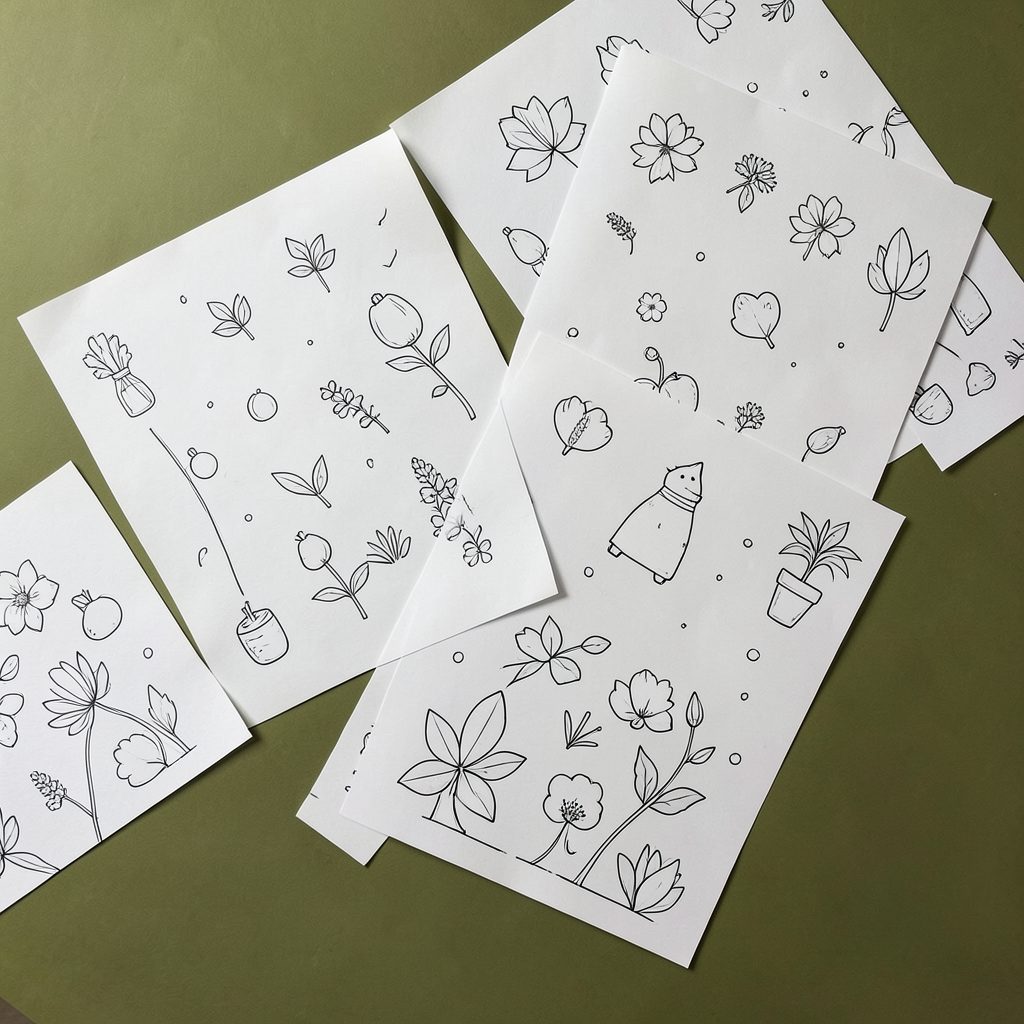
Start with a subject that matches the meal, season, or child’s interests. Animals, dinosaurs, gardens, vehicles, sports, ocean life, and cartoon-style characters all work well. For a birthday meal, choose festive balloons and cakes; for a picnic, try flowers, insects, and outdoor scenes.
A large collection of printable coloring pages can provide suitable artwork without requiring registration or special software. Select an image with clear outlines and enough open space for easy coloring. Very detailed illustrations may look attractive, but simpler shapes are usually better for younger children.
Gather supplies and set the size
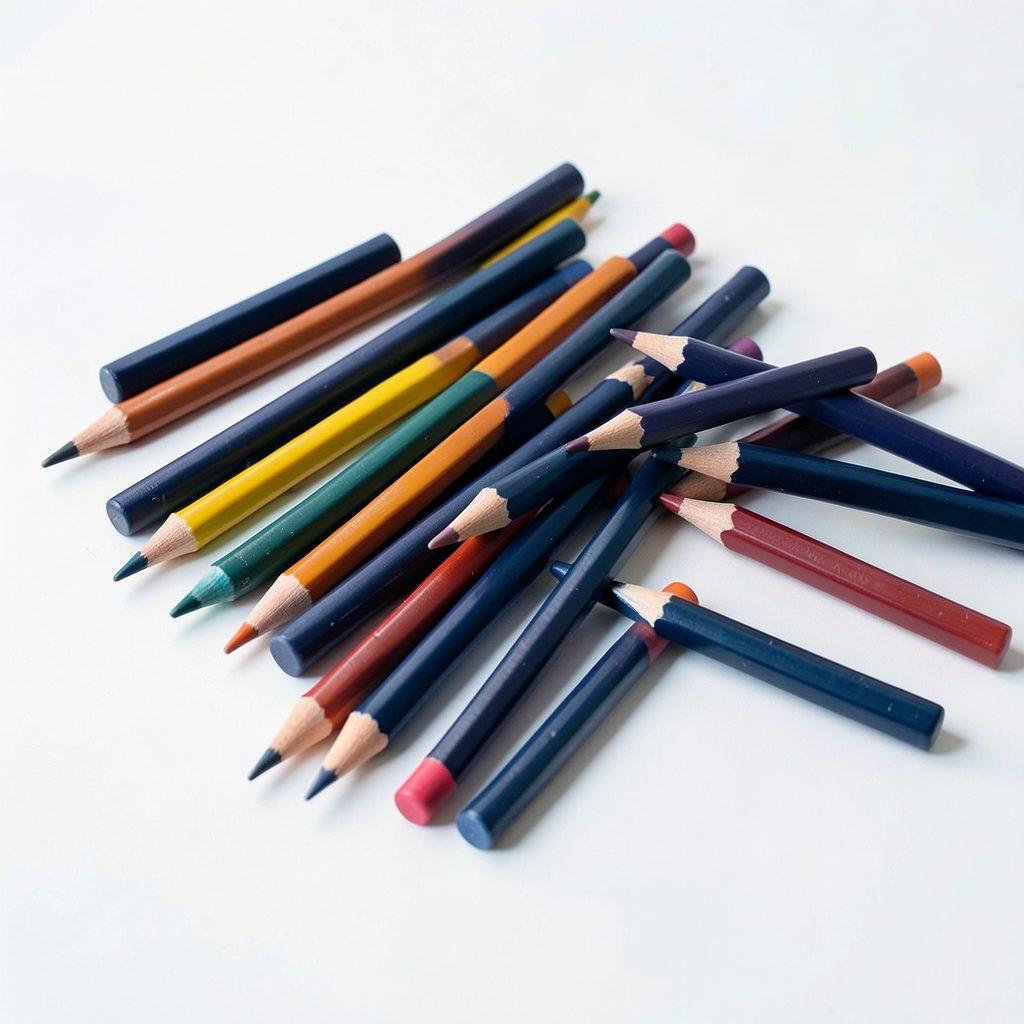
Use standard letter or A4 paper for a convenient placemat that fits most tables. Heavier paper, cardstock, or matte photo paper will feel sturdier and hold markers better than thin printer paper. You will also need crayons, colored pencils, or washable markers, plus scissors if you plan to trim the edges.
Before printing, check the page settings. Choose portrait or landscape orientation according to the shape of the illustration, and leave a narrow margin around the artwork. A landscape layout often gives children more room for a name, small games, and decorative borders.
Build a useful placemat layout
Place the main coloring picture where it will be easy to see but leave a clear area for a plate, cup, and utensils. A border can make the page look finished while helping children understand where the usable surface ends. You can draw a simple frame by hand or add one in a basic word-processing or design program.
Include the child’s name at the top if the placemat will be used at a party or in a classroom. Small additions such as a smiling face to color, a few stars, or a “favorite food” box can make the design more interactive without overcrowding it.
| Placemat element | Best purpose | Helpful design choice |
|---|---|---|
| Large central picture | Main coloring activity | Use bold outlines and open areas |
| Name line | Personal ownership | Place it near the top edge |
| Decorative border | Defines the work area | Keep it simple and symmetrical |
| Mini activity | Extra entertainment | Add a maze, matching task, or count-and-color prompt |
| Empty space | Practical table use | Reserve room for dishes and utensils |
Add gentle learning activities
A coloring mat can do more than provide decoration. Add a short prompt such as “Color three leaves green,” “Circle the largest animal,” or “Draw your favorite fruit.” These tasks support observation, counting, vocabulary, and fine motor skills while keeping the activity relaxed.
For younger children, use matching pictures, simple tracing lines, or large shapes. Older children may enjoy a word search, a food-themed riddle, or a space to write one thing they are thankful for. Keep instructions brief so the placemat remains suitable for mealtime rather than becoming a worksheet.
Protect the finished design
For a reusable placemat, place the completed page inside a clear sheet protector or laminate it with a home laminator. Leave a small sealed border around the paper so moisture cannot reach the artwork. Laminated surfaces can be wiped clean with a damp cloth, making them practical for repeated use.
If you do not have laminating equipment, cover the front with wide strips of transparent contact paper. Apply each strip slowly to reduce bubbles, then trim the edges with care. Avoid placing paper directly beneath very hot plates, and supervise children when using scissors or any sharp trimming tool.
Adapt the project for every age
Toddlers benefit from thick outlines, familiar objects, and plenty of blank space. Crayons are usually easier for small hands to control than fine-tip markers. A placemat with only two or three large images can hold their attention without becoming frustrating.
Preschoolers can handle more varied scenes, simple counting prompts, and color-matching tasks. School-age children may enjoy designing part of the border, writing a short greeting, or creating a themed placemat for a sibling. Letting children choose the palette and add personal details gives the finished page a stronger sense of ownership.
Refresh the designs throughout the year
Keep a small collection of uncolored pages ready for different occasions. Use ocean creatures during summer, leaves and pumpkins in autumn, snow scenes in winter, and flowers in spring. Holiday artwork can make a family dinner feel special without requiring elaborate decorations.
- Print several copies before a party so each child has a fresh page.
- Match the theme to the menu, such as fruit, farm animals, or garden vegetables.
- Offer crayons in a tray or cup to keep the table organized.
- Save finished placemats in a folder and date them as keepsakes.
- Replace heavily marked or damaged pages with a new design.
A coloring placemat is simple to personalize, inexpensive to prepare, and flexible enough for daily meals or special gatherings. Print a favorite illustration, add a name and a few playful details, protect the page if desired, and place it at the table ready for coloring.
Also Discover
A Legacy in Contemporary Art
Beyond coloring pages, presentcontemporaryart has a history as an association of art collectors and patrons — Associazione di Collezionisti e Mecenati. The organization promoted international exhibitions connecting Chinese, Italian, and international artists, with past events in Shanghai and Berlin.


Ready to Start Coloring?
Browse the full collection of free printable coloring pages — all just a click away.
View All Coloring Pages