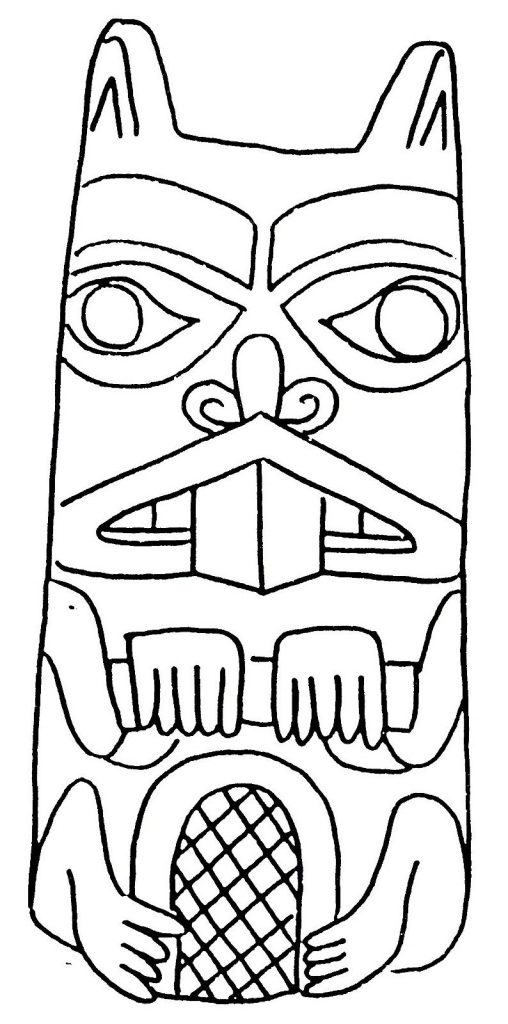
A growing collection of high-resolution coloring sheets — animals, cartoon characters, holidays, and more. Print and enjoy at home or in the classroom.
Explore the CollectionWelcome
Coloring Fun for Every Child
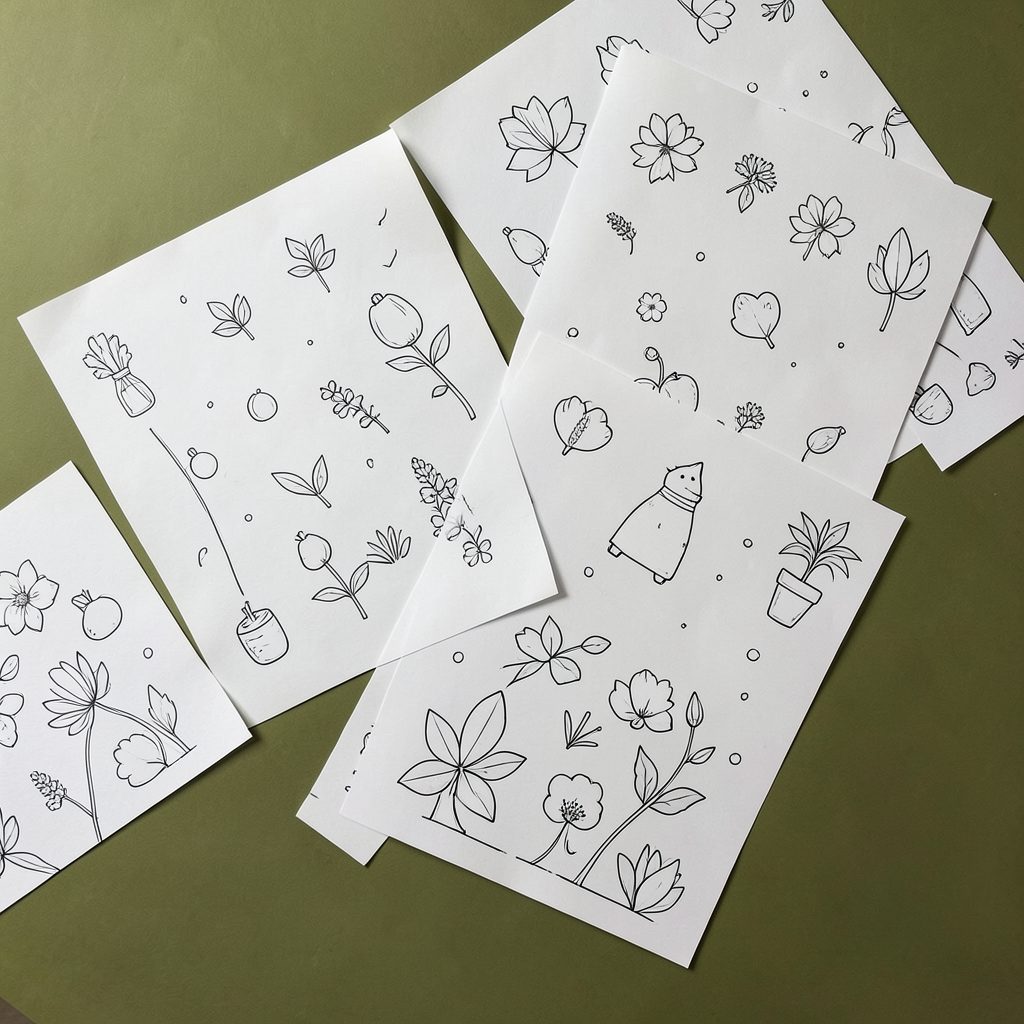
presentcontemporaryart brings together an extensive library of free printable coloring pages. From friendly giraffes and adventure-time characters to seasonal holiday sheets, there is something here to spark every child's creativity. All pages are easy to download and print at high resolution — perfect for rainy afternoons, classroom activities, or quiet time at home.
Animals & Nature
Giraffes, goldfinches, orioles, and woodland creatures — a wide selection of animal coloring pages for young nature lovers.
Cartoon Characters
Adventure Time, Land Before Time, Justin Time, and more beloved characters ready to be brought to life with color.
Holidays & Seasons
Halloween, New Year, and seasonal coloring sheets to celebrate special times throughout the year.
Turning a Colouring Page into a DIY Puzzle at Home
Parents and printables often look for fresh ways to keep kids entertained on quiet afternoons or during the long summer holidays that stretch from early December through late January across Australia. A free colouring sheet from a large online library can easily be transformed into a homemade jigsaw, giving children a two-stage activity: first they colour the artwork, then they cut it apart and solve it again. This approach suits family budgets, classroom budgets, and anyone who enjoys a low-cost craft that produces a finished toy.
This guide walks through the entire process, from choosing a printable design to selecting backing materials available at Officeworks, Woolworths, or Bunnings. It also covers safety guidelines aligned with Australian standards and practical tips for teachers, grandparents, and holiday-program coordinators in Brisbane, Melbourne, Sydney, and beyond.
Choosing the right colouring page design
The first step is selecting a printable that suits the puzzle format you have in mind. Simple illustrations with bold outlines and large areas of colour work best for younger children, while intricate designs offer a satisfying challenge for primary-aged puzzlers. Animal and nature scenes, holiday themes, and cartoon characters all translate well because the finished image gives helpful visual clues when the pieces are reassembled.
For Australian classrooms, choosing a design that ties into a current unit of inquiry, such as native wildlife, summer beach scenes, or Australia Day motifs, adds educational value. Teachers following the Australian Curriculum often look for resources that connect to HASS or Visual Arts strands, so a colouring page that doubles as a puzzle becomes a cross-curricular tool. Print several copies of the same image so children can swap and trade once their puzzles are finished.
Materials to buy at Officeworks, Woolworths, or Bunnings
Most of the items needed are already on shelves at major Australian retailers. A ream of A4 cardstock from Officeworks costs around ten Australian dollars and provides enough backing for several puzzles. A pack of foam board sheets from Bunnings offers a thicker, more durable option, while Woolworths and Coles stock basic PVA glue, coloured markers, and child-safe scissors in their stationery aisles during school holiday promotions.
If you prefer not to buy glue separately, double-sided tape or clear contact paper from the kitchenware section works just as well. Many Australian families already keep a craft drawer with these supplies, so the only new purchase might be a print of the colouring page itself. Budget-conscious households can often repurpose the back of used wrapping paper or cereal-box cardboard for thinner puzzle versions.
| Backing material | Cost (AUD, approx.) | Durability | Best age group |
|---|---|---|---|
| Cardstock (200 gsm) | $0.30 per sheet | Light | 4–6 years |
| Recycled cardboard | Free (from kitchen) | Medium | 5–8 years |
| Foam board (5 mm) | $2.50 per sheet | High | 6–12 years |
| Laminated cardstock | $1.00 per sheet | Very high | All ages |
Printing and preparing the sheet
Once you have downloaded a colouring page, print it on standard A4 paper or directly onto cardstock if your home printer accepts thicker stock. Adjust the printer settings to best quality so the lines appear crisp, which makes cutting easier later on. Allow the ink to dry for a few minutes, especially if you used a colour printer, to avoid smudging during the next stage.
Glue the printed sheet firmly onto your chosen backing material. Spread a thin, even layer of PVA glue across the cardboard or foam board, then press the print down from the centre outwards to remove air bubbles. Place a heavy book on top for fifteen minutes, or slip the sheet under a clean tea towel and press with a warm iron on a low setting for an even smoother finish.
Colouring and decorating the puzzle surface
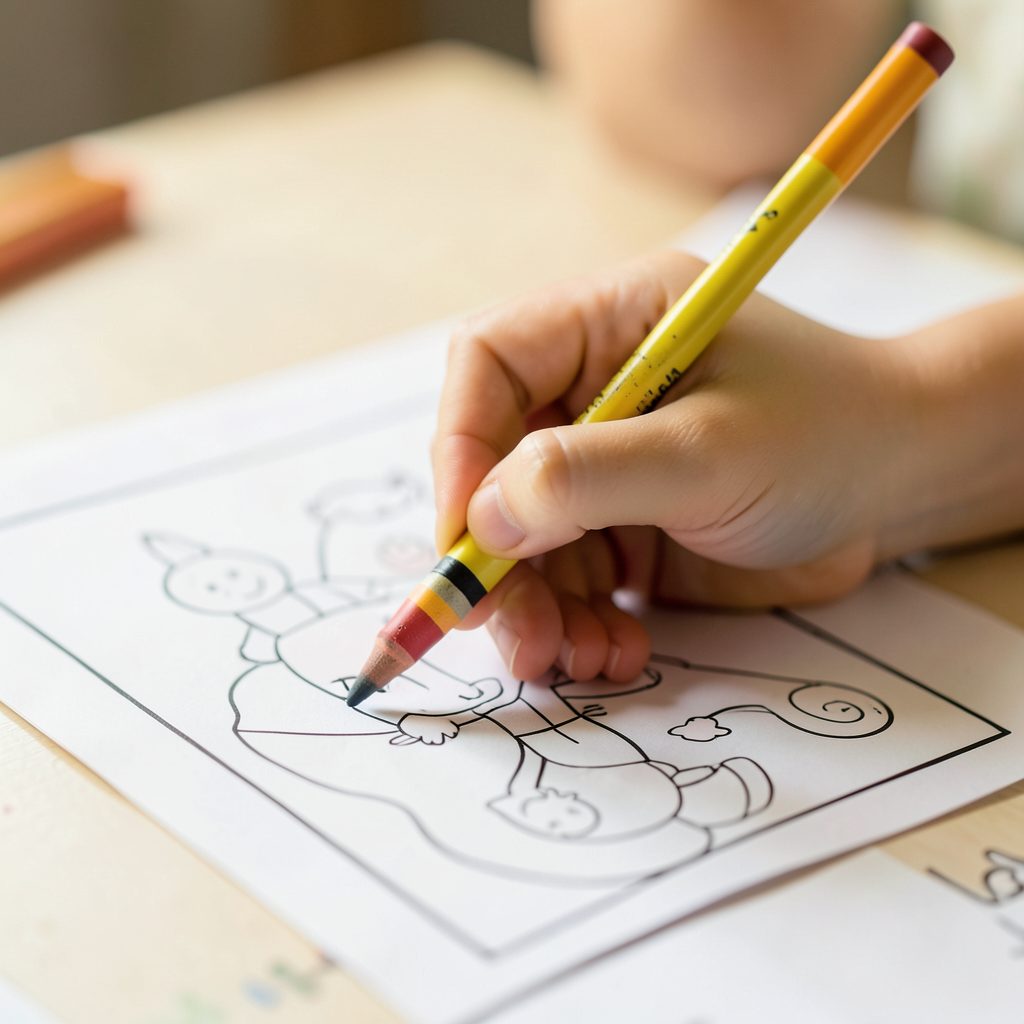
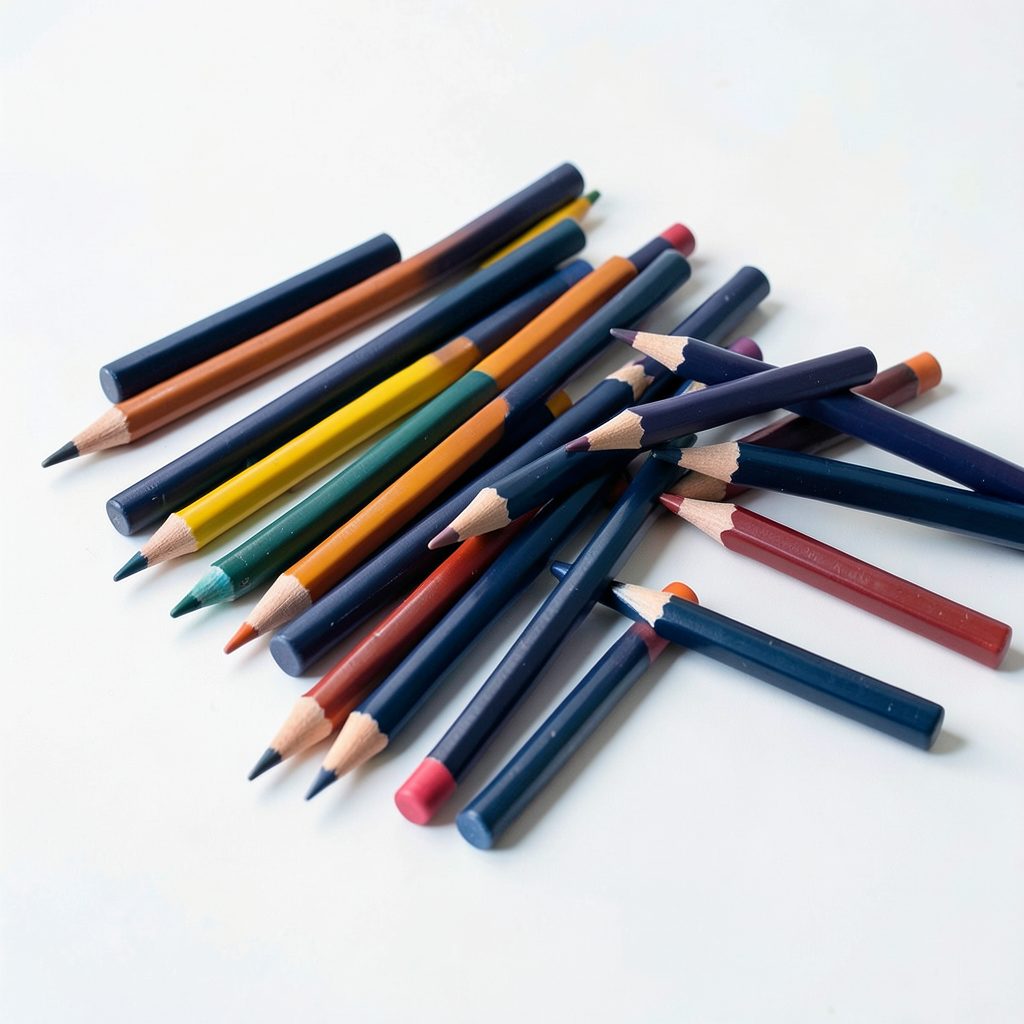
After the glue has fully dried, children can colour the design using pencils, textas, or water-based paint. Encourage them to fill large spaces with bright, contrasting colours, since the puzzle pieces will be separated later and need clear visual boundaries. For a more textured look, try layering crayon and watercolour, or adding stickers and glitter glue for a festive touch.
Australian summer afternoons can be hot and sticky in Brisbane or Darwin, so set up the colouring station indoors near a fan or air conditioner. If you are crafting during a Melbourne winter, take advantage of those grey, rainy days by laying out all supplies on the kitchen table and turning the activity into a full weekend project. Once the colouring is complete, seal the surface with a light coat of clear-drying Mod Podge or a spray sealant to prevent smudges.
Cutting, laminating, and puzzle construction
Decide on the number of pieces before you begin cutting. A simple grid of four by four works well for beginners, while larger or irregular shapes provide a stiffer mental challenge. Trace light pencil guidelines on the back of the sheet if needed, then cut slowly with sharp scissors or a craft knife supervised by an adult. Round the corners of each piece slightly so they handle comfortably.
For puzzles that will be used repeatedly, run each finished piece through a home laminator if you have one, or peel-and-stick clear contact paper over both sides. This step protects the colours and strengthens the cardboard, which is especially useful for childcare centres and out-of-school-hours care programs that reuse resources term after term. Store completed puzzles in labelled zip-lock bags sorted by difficulty.
Safety, standards, and Australian guidelines
Whenever children handle craft knives, scissors, or hot laminators, adult supervision is essential. In Australia, toys and craft kits supplied to children under fourteen are expected to comply with AS/NZS 8124, the joint safety standard covering mechanical and flammability requirements. Small pieces also pose a choking risk for toddlers, and ACCC product-safety rules recommend keeping finished puzzles away from children under three.
If you are running a craft session at a vacation care program in Sydney or a community centre in Perth, follow the standard WHS check before starting: clear workspace, age-appropriate tools, and a first-aid kit nearby. Check with your local council about recycling any offcuts, since rules differ across municipalities such as the City of Melbourne, Brisbane City Council, and the City of Adelaide.
Storage, packaging, and gift ideas
Finished puzzles make thoughtful, low-cost gifts for birthdays, Christmas stockings, or end-of-term classroom exchanges across Australian primary schools. Slip the bagged puzzle into a recycled greeting card, tie it with a ribbon, and add a handwritten note from the child. Many families in Hobart and Canberra host handmade gift markets during the cooler months, and personalised puzzles sell well at school fêtes for a few dollars each.
Long-term storage is straightforward: keep puzzles flat in a shoebox labelled with the theme and piece count. Avoid humid spots such as laundries or bathroom cupboards, which are common in tropical Queensland homes, as moisture can warp cardboard and cause ink to bleed. With a little care, a single colouring page can become a treasured keepsake that children return to again and again.
Also Discover
A Legacy in Contemporary Art
Beyond coloring pages, presentcontemporaryart has a history as an association of art collectors and patrons — Associazione di Collezionisti e Mecenati. The organization promoted international exhibitions connecting Chinese, Italian, and international artists, with past events in Shanghai and Berlin.


Ready to Start Coloring?
Browse the full collection of free printable coloring pages — all just a click away.
View All Coloring Pages