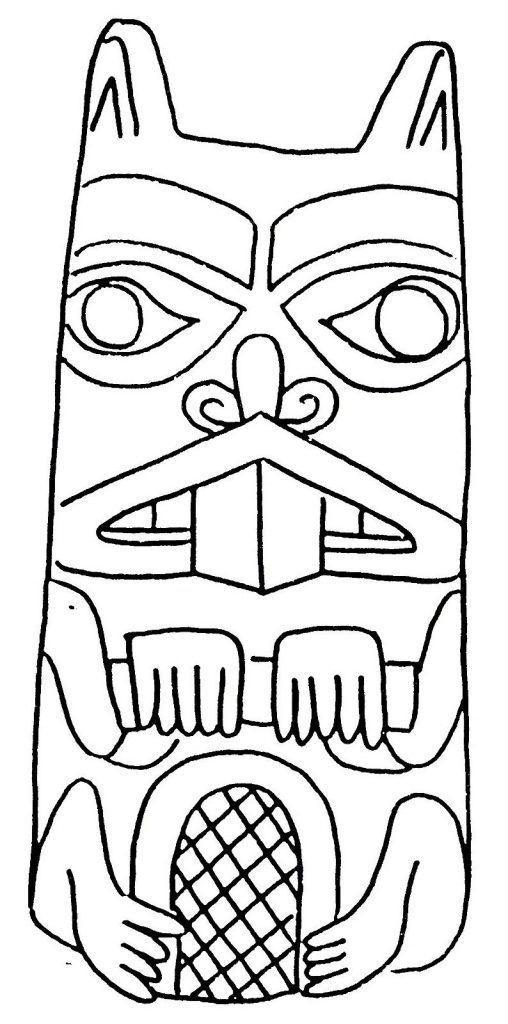
A growing collection of high-resolution coloring sheets — animals, cartoon characters, holidays, and more. Print and enjoy at home or in the classroom.
Explore the CollectionWelcome
Coloring Fun for Every Child
presentcontemporaryart brings together an extensive library of free printable coloring pages. From friendly giraffes and adventure-time characters to seasonal holiday sheets, there is something here to spark every child's creativity. All pages are easy to download and print at high resolution — perfect for rainy afternoons, classroom activities, or quiet time at home.
Animals & Nature
Giraffes, goldfinches, orioles, and woodland creatures — a wide selection of animal coloring pages for young nature lovers.
Cartoon Characters
Adventure Time, Land Before Time, Justin Time, and more beloved characters ready to be brought to life with color.
Holidays & Seasons
Halloween, New Year, and seasonal coloring sheets to celebrate special times throughout the year.
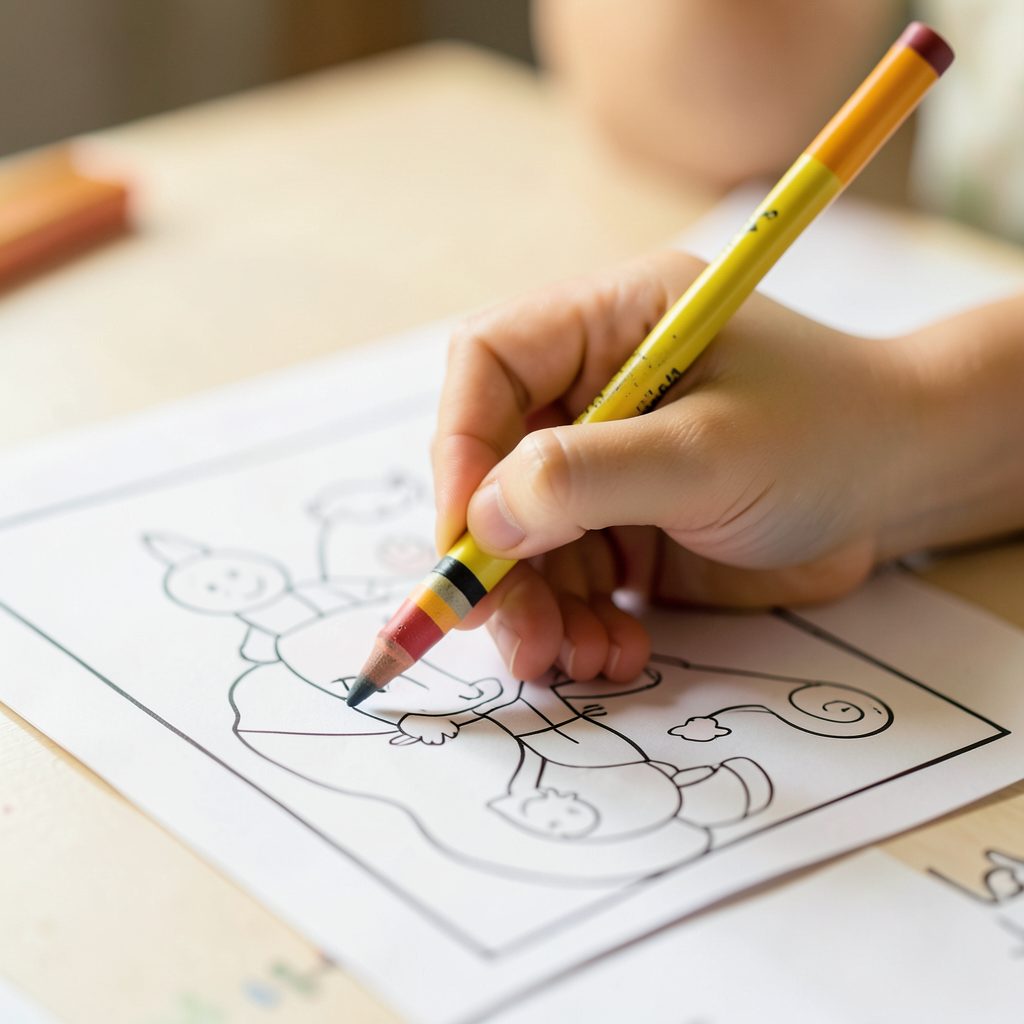
How to make a coloring book from your child’s drawings
A homemade coloring book turns a collection of sketches into something your child can read, color, share, and keep. It also gives everyday artwork a lasting purpose instead of letting favorite drawings disappear into a folder or pile.
The process can be simple and inexpensive. With paper, a phone or scanner, basic editing tools, and a printer, you can create a personalized activity book for home, travel, classroom use, or a thoughtful family gift.
Your child’s drawings do not need to look perfect. Uneven lines, imaginative characters, and unusual details are what make the finished coloring book personal.
Gather the drawings and choose a theme
Start by collecting artwork from a particular period or subject. You might select animals, family scenes, imaginary creatures, vehicles, holidays, or a mixture of your child’s favorite ideas. A clear theme helps the book feel connected, even when the drawings were made on different days.
Choose around 10 to 20 pictures for a first edition. Include a variety of simple and detailed designs so the pages do not feel repetitive. Ask your child to help decide which drawings belong in the book, giving them ownership of the creative project.
Prepare clean digital copies
A scanner produces the clearest results, but a smartphone can work well when the room is bright and the camera is held directly above the page. Place each drawing on a flat, uncluttered surface and avoid shadows across the paper.
After capturing the images, crop away the background and straighten the pages. Increase brightness and contrast so the pencil or crayon lines are easy to see. If the original paper is gray or colored, convert the image to black and white while keeping the artwork’s character intact.
Turn sketches into printable coloring pages
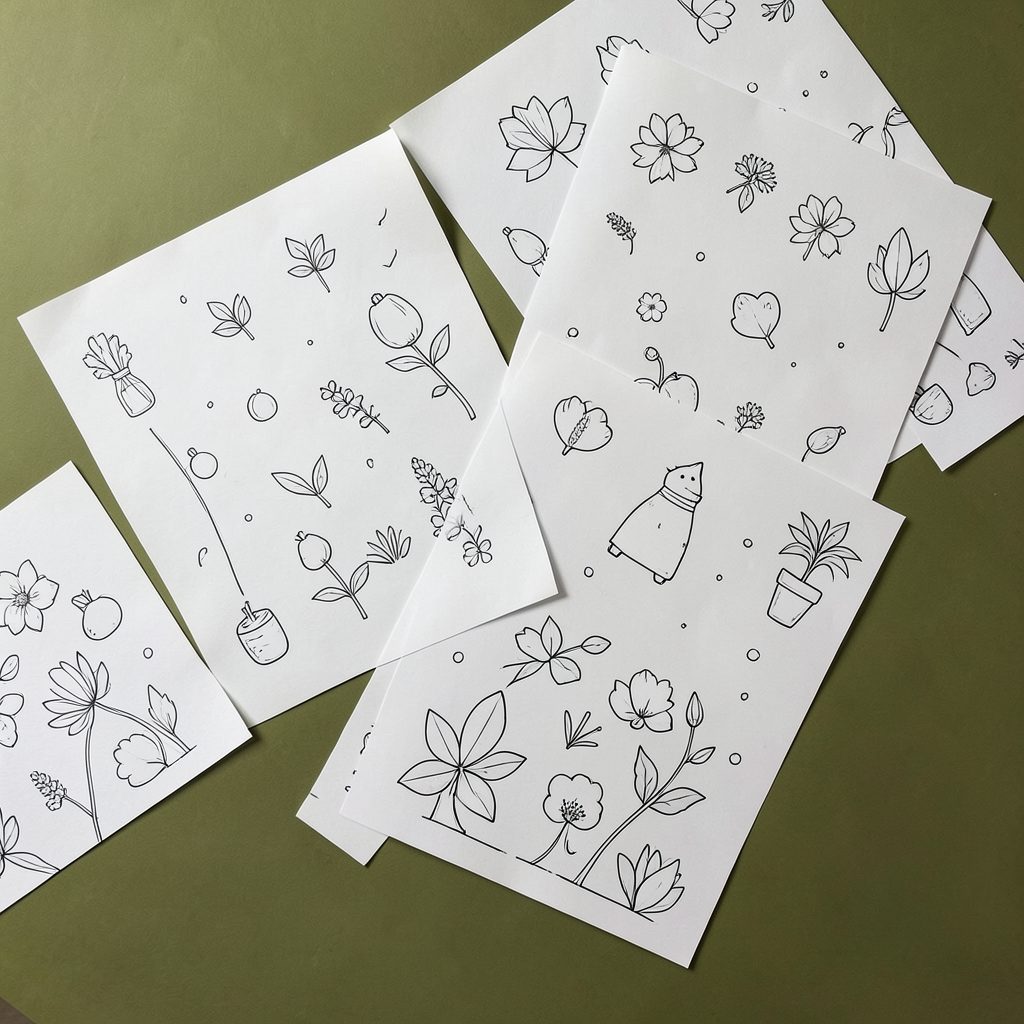
Some drawings may already be ready to print, while others need small adjustments. Darkening thin outlines can make them easier to color, and removing stray marks can give the page a cleaner appearance. Avoid excessive editing, since the handmade quality is part of the charm.
For additional pages, browse printable coloring pages featuring animals, nature, cartoons, sports, holidays, and seasonal subjects. These can complement your child’s drawings while providing extra activities in the same book.
| Page element | Useful choice | Why it works |
|---|---|---|
| Paper size | US Letter or A4 | Easy to print at home |
| Image placement | Centered with wide margins | Leaves room for coloring and binding |
| Line weight | Medium to bold outlines | Remains visible after printing |
| Page count | 10–20 drawings | Manageable for a young artist |
| File format | Preserves layout across devices |
Design the book layout
Use one drawing per page and leave enough white space around it. A simple layout usually works better than a crowded design, especially for younger children who need room to move crayons or markers. Add a title page with the book’s name, your child’s first name, and the year.
You can also include a short blank page after each illustration for notes, a story, or a second picture. If your child enjoys storytelling, place a sentence beneath each drawing and invite them to complete the scene with colors or words.
Arrange pages in a logical order, such as beginning with characters, moving to settings, and ending with favorite pictures. Save the finished file as a PDF before printing so the images remain in the correct position.
Print and assemble the coloring book
Print a test page first. Check that the lines are dark enough, the margins are not cut off, and the drawing is large enough for comfortable coloring. Standard printer paper is suitable for crayons and colored pencils; thicker paper is preferable for markers.
There are several easy binding options. Folded sheets can be stapled along the edge, punched and tied with ribbon, or placed in a slim folder. For a more polished book, print a heavier cover and use a local copy shop for spiral binding.
Keep a digital backup of the original scans and final PDF. You can print another copy later, create a smaller travel version, or share the file with grandparents and teachers.
Make the finished book personal
Add a cover illustration, a dedication, or a page titled “About the Artist.” Stickers, stamps, and handwritten captions can make the book feel like a real publication while preserving your child’s own style.
Consider leaving a few pages for future drawings. A growing book can become a record of changing interests and artistic development. Date each new edition so your family can see how characters, line work, and storytelling evolve over time.
Helpful choices for a smoother project
Before printing the complete book, keep these practical details in mind:
- Use a consistent page size so the finished book is easy to bind.
- Scan or photograph original artwork at a high resolution.
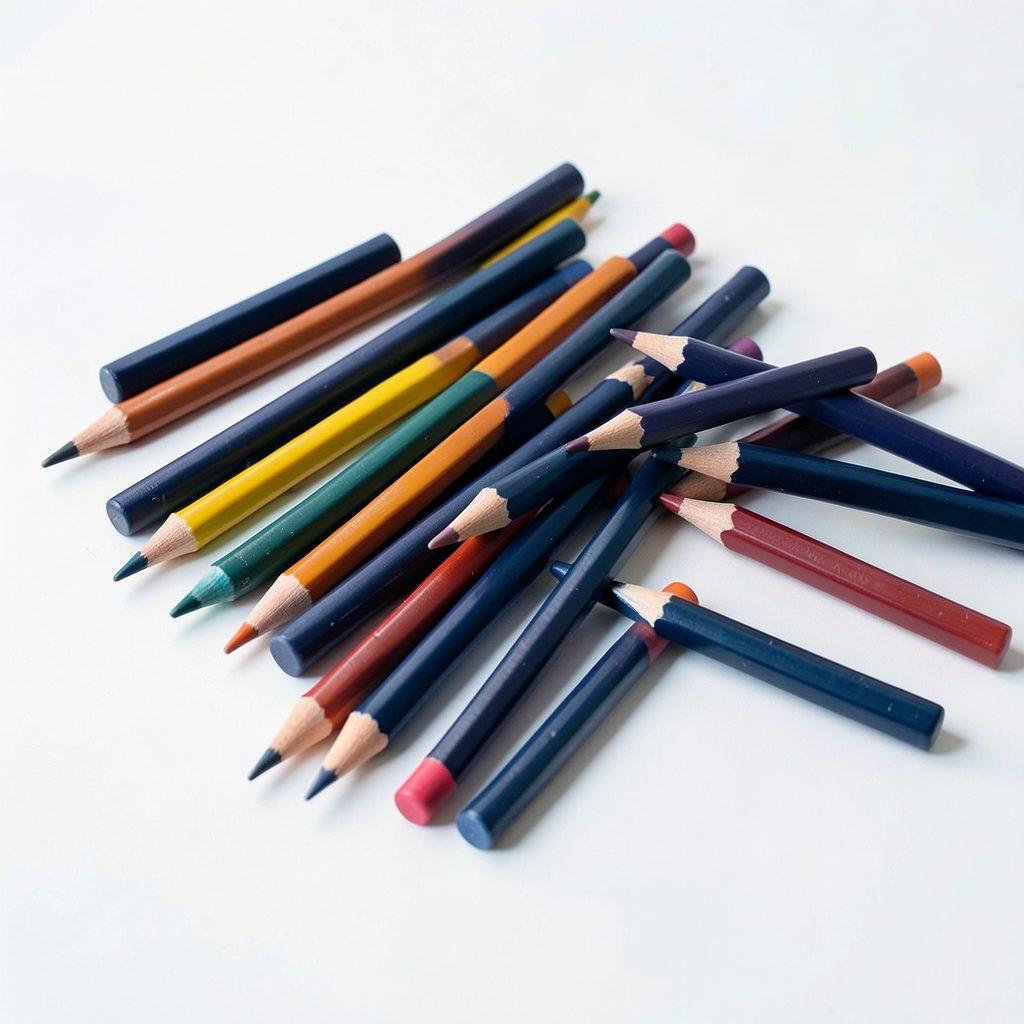
- Test crayons, pencils, and markers on the chosen paper.
- Keep the child’s original drawings safely stored after digitizing them.
- Let your child choose the title, cover, and page order.
Creating a coloring book from your child’s own drawings is a rewarding family activity as well as a way to preserve their imagination. Set aside an afternoon to collect the artwork, prepare the pages, and print the first personal edition.
Also Discover
A Legacy in Contemporary Art
Beyond coloring pages, presentcontemporaryart has a history as an association of art collectors and patrons — Associazione di Collezionisti e Mecenati. The organization promoted international exhibitions connecting Chinese, Italian, and international artists, with past events in Shanghai and Berlin.



Ready to Start Coloring?
Browse the full collection of free printable coloring pages — all just a click away.
View All Coloring Pages