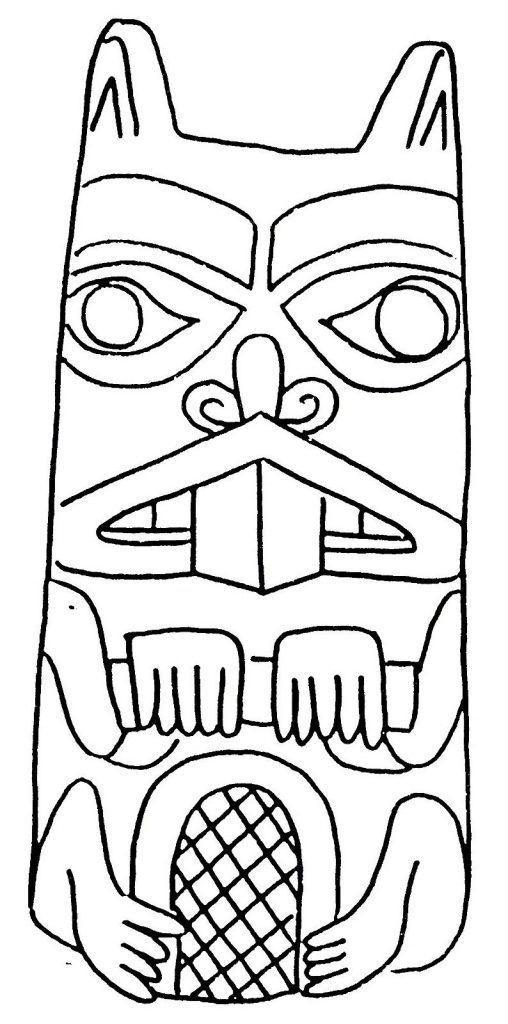
A growing collection of high-resolution coloring sheets — animals, cartoon characters, holidays, and more. Print and enjoy at home or in the classroom.
Explore the CollectionWelcome
Coloring Fun for Every Child
presentcontemporaryart brings together an extensive library of free printable coloring pages. From friendly giraffes and adventure-time characters to seasonal holiday sheets, there is something here to spark every child's creativity. All pages are easy to download and print at high resolution — perfect for rainy afternoons, classroom activities, or quiet time at home.
Animals & Nature
Giraffes, goldfinches, orioles, and woodland creatures — a wide selection of animal coloring pages for young nature lovers.
Cartoon Characters
Adventure Time, Land Before Time, Justin Time, and more beloved characters ready to be brought to life with color.
Holidays & Seasons
Halloween, New Year, and seasonal coloring sheets to celebrate special times throughout the year.
How to incorporate coloring into story time
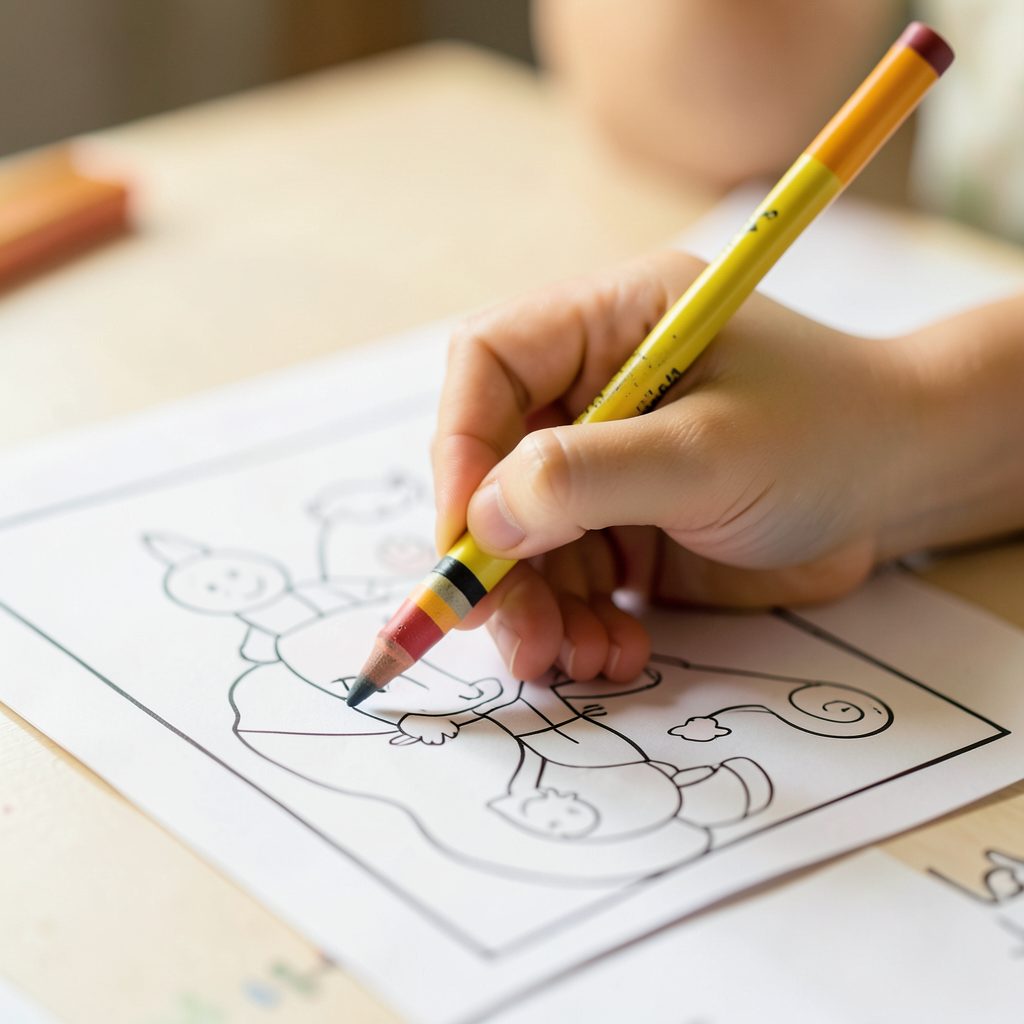
Coloring gives children an active role in a story. Rather than listening passively, they can decide what a character wears, invent a setting, and show the ending with colour and marks.
A short session works well when the activity has a clear purpose. Choose one page, read a brief tale, and save a little time for the child to add their own details.
Children do not need artistic skill for the story to work. Scribbles, symbols and carefully coloured areas all communicate choices, and those choices can become part of the retelling.
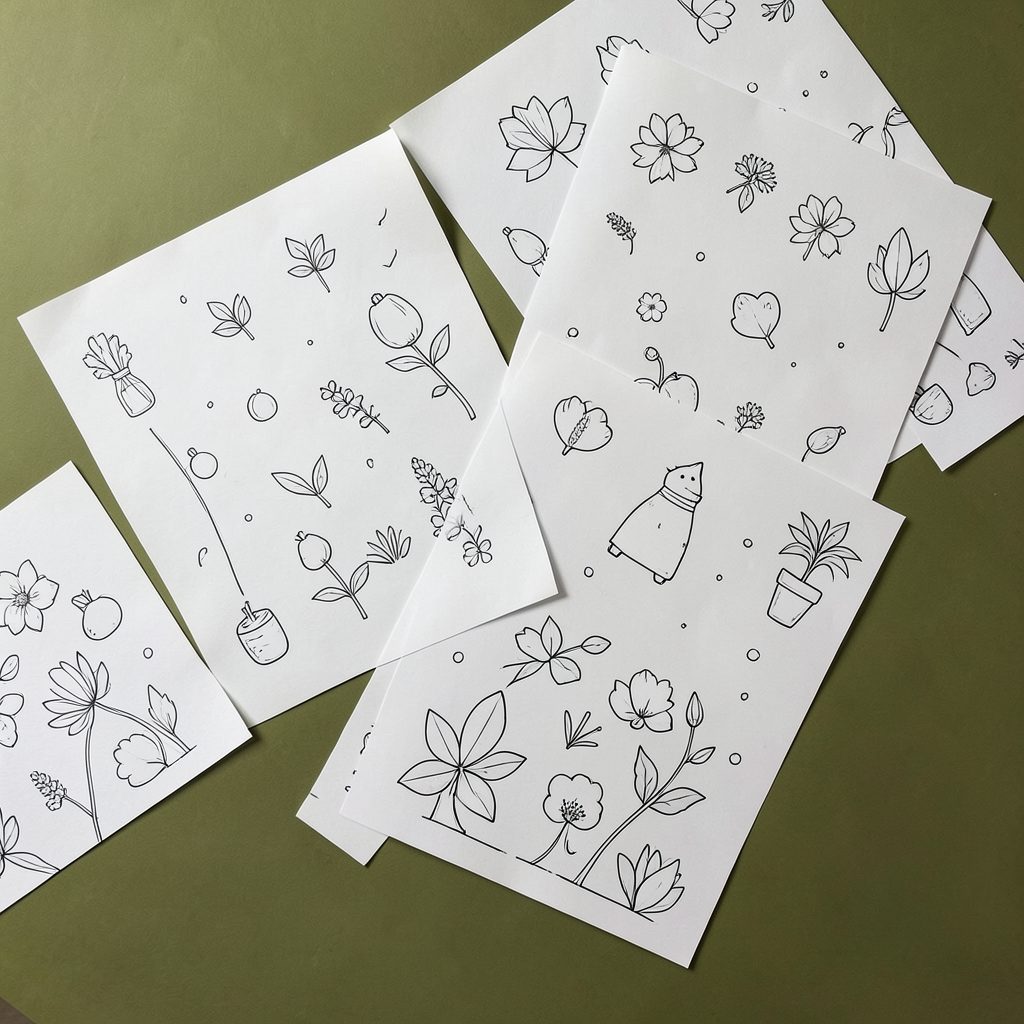
Present Contemporary Art’s printable colouring pages make this easy because families can download a design, print it on A4 paper and begin without creating a registration account or buying a special book.
Set up the page before the story begins
Choose a picture that matches the mood or problem in the story. A calm woodland scene may suit a gentle bedtime tale, while a funny animal page can support a playful narrative. Print a spare copy if the page may be revisited later.
Offer crayons, coloured pencils or washable felt pens, and protect the table with a sheet of paper. A ten-minute colouring burst suits younger children better than expecting a finished picture, while older children may want more detail.
Match the illustration to the story
Look for an image with one obvious focal point and enough empty space for invention. For a lively movement story, dance-themed coloring pages offer a strong starting point; the child can imagine a class, a stage or a backyard performance around the pictured dancer.
Decide whether the page will appear before, during or after the reading. Showing it first can create a prediction, revealing it midway can explain an event, and leaving it until the end lets the child design the final scene.
Turn the page into a conversation
As you read, connect the words to the illustration without turning the session into a test. Point to an object and invite the child to name it, then ask what the character might be thinking or feeling.
Ask the child to choose colours for a mood, such as calm, sunny or mysterious. Give them a sentence to complete, such as “This colour shows that the character is...” and let them dictate the ending so it can be written beside the page.
The same illustration can support different rhythms:
| Story goal | Quiet colouring rhythm | Active colouring rhythm |
|---|---|---|
| Build vocabulary | Name objects and colours | Give objects silly voices |
| Check understanding | Point to a clue | Act out a character’s choice |
| Maintain focus | Colour one small area | Alternate colouring with movement |
| End creatively | Dictate one final sentence | Retell the ending to a toy |
Whichever rhythm feels natural, return to the child’s interpretation rather than correcting it. A blue sun or a purple tree may be a deliberate imaginative choice, and explaining that idea can deepen language and comprehension.
Add movement, sound and character voices
Let the child perform small actions while you read: clap for a loud drum, tiptoe for a quiet mouse or stretch both arms for a tall giraffe. These gestures give non-readers a way to join in and make the plot easier to follow.
Use sound effects and changes of voice to mark each part of the story. Invite the child to whisper the narrator, speak for the hero or announce the final scene. Keep the performance loose and silly rather than polished.
Build an Australian sense of place
Set the tale somewhere familiar, such as a tram stop in Melbourne, a ferry crossing Sydney Harbour or a path beside the Brisbane Botanic Gardens. Ordinary Australian details—school hats, esky bags, verandahs and backyard mangoes—can make a fictional event feel close to home.
Let Australian language shape the characters too. A relaxed voice might say “no worries” or mention doing something “arvo”, while an excited character may declare “fair dinkum!” Use these expressions naturally and explain them if needed, rather than turning every line into a joke.
Fit the activity into Australian routines
Plan around the rhythm of family life. Story time can sit between arvo tea and homework, fill part of a long weekend, or occupy the end of a hot day when indoor play is welcome. During school holidays, one printed page can keep a small group happily occupied without special materials.
Public libraries across Australia, including branches in Melbourne, Sydney and Brisbane, often run rhyme and story sessions for early learners. Families can also use the free printable library for take-home activities. For educators seeking another way to pace a session, interactive story prompts can add fresh questions and narration cues.
Carry the story beyond one sitting
Keep the finished page with the book and revisit it before the next chapter. Ask the child to point to the favourite detail, explain one changed colour, or retell the scene from a toy character’s point of view. The artwork then becomes a map of what the child understood and imagined.
Next time, reverse the order: create the picture first, then build a story around its shapes, colours and hidden objects. This simple variation develops narrative skills, confidence and imagination while making each colouring session feel like a shared creation.
Also Discover
A Legacy in Contemporary Art
Beyond coloring pages, presentcontemporaryart has a history as an association of art collectors and patrons — Associazione di Collezionisti e Mecenati. The organization promoted international exhibitions connecting Chinese, Italian, and international artists, with past events in Shanghai and Berlin.



Ready to Start Coloring?
Browse the full collection of free printable coloring pages — all just a click away.
View All Coloring Pages