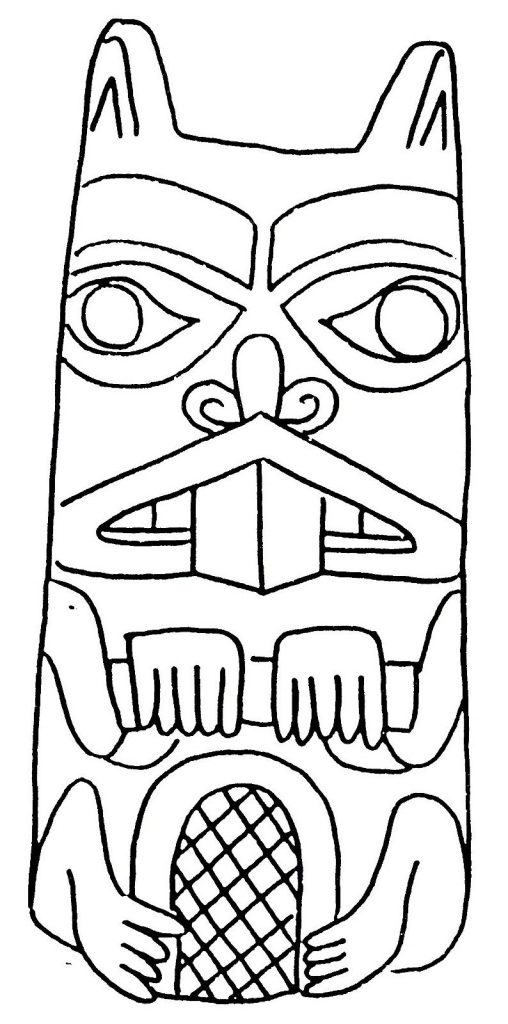
A growing collection of high-resolution coloring sheets — animals, cartoon characters, holidays, and more. Print and enjoy at home or in the classroom.
Explore the CollectionWelcome
Coloring Fun for Every Child
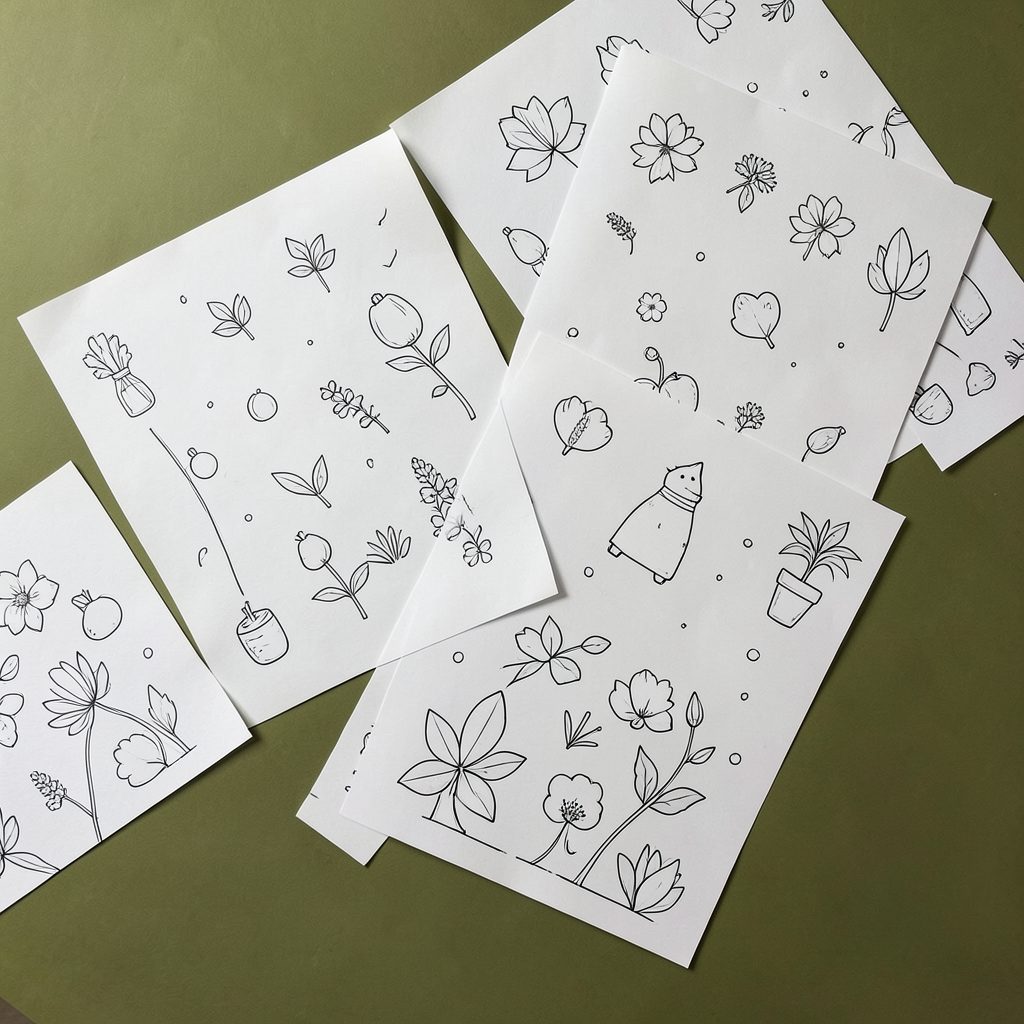
presentcontemporaryart brings together an extensive library of free printable coloring pages. From friendly giraffes and adventure-time characters to seasonal holiday sheets, there is something here to spark every child's creativity. All pages are easy to download and print at high resolution — perfect for rainy afternoons, classroom activities, or quiet time at home.
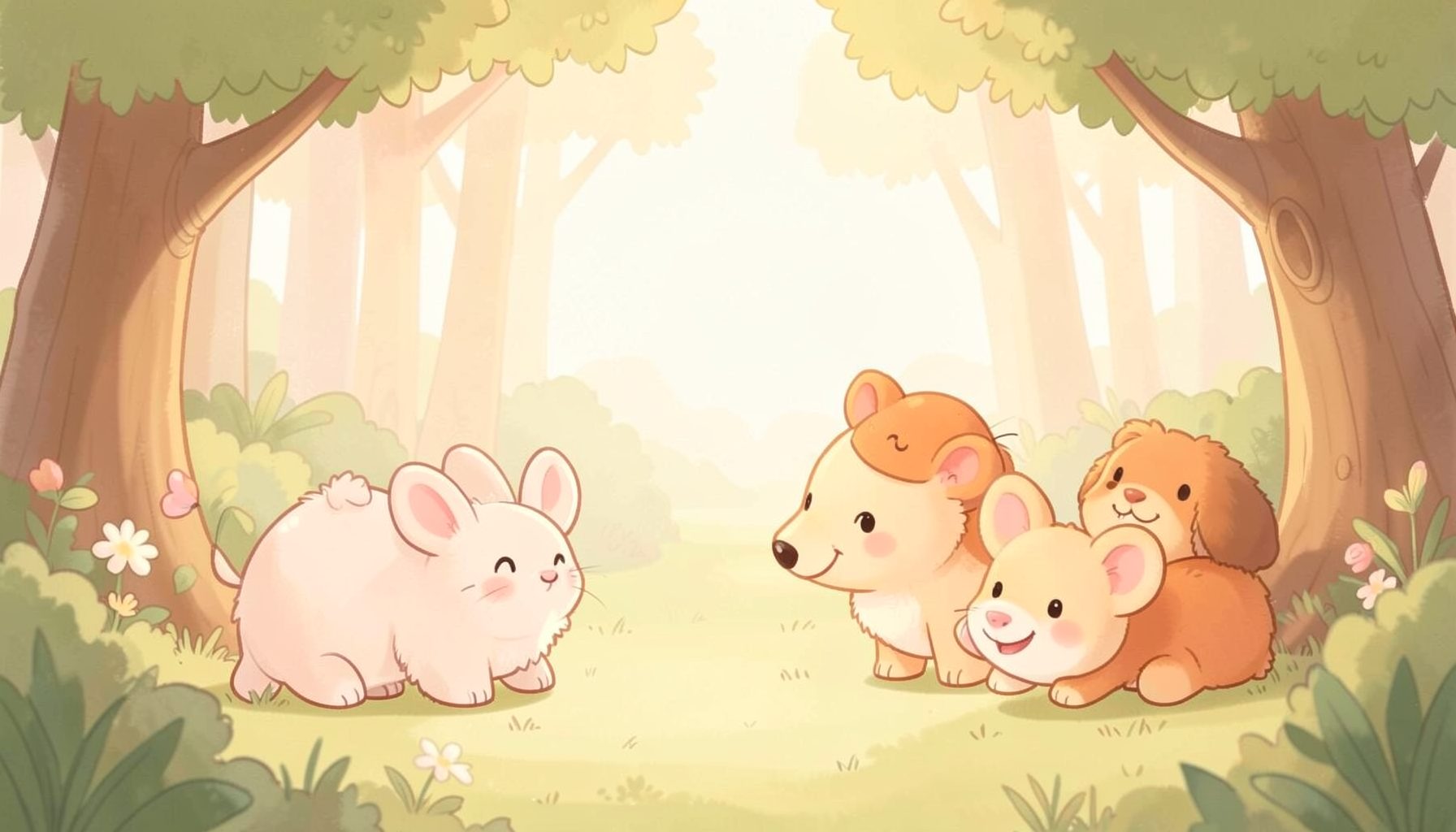
Animals & Nature
Giraffes, goldfinches, orioles, and woodland creatures — a wide selection of animal coloring pages for young nature lovers.
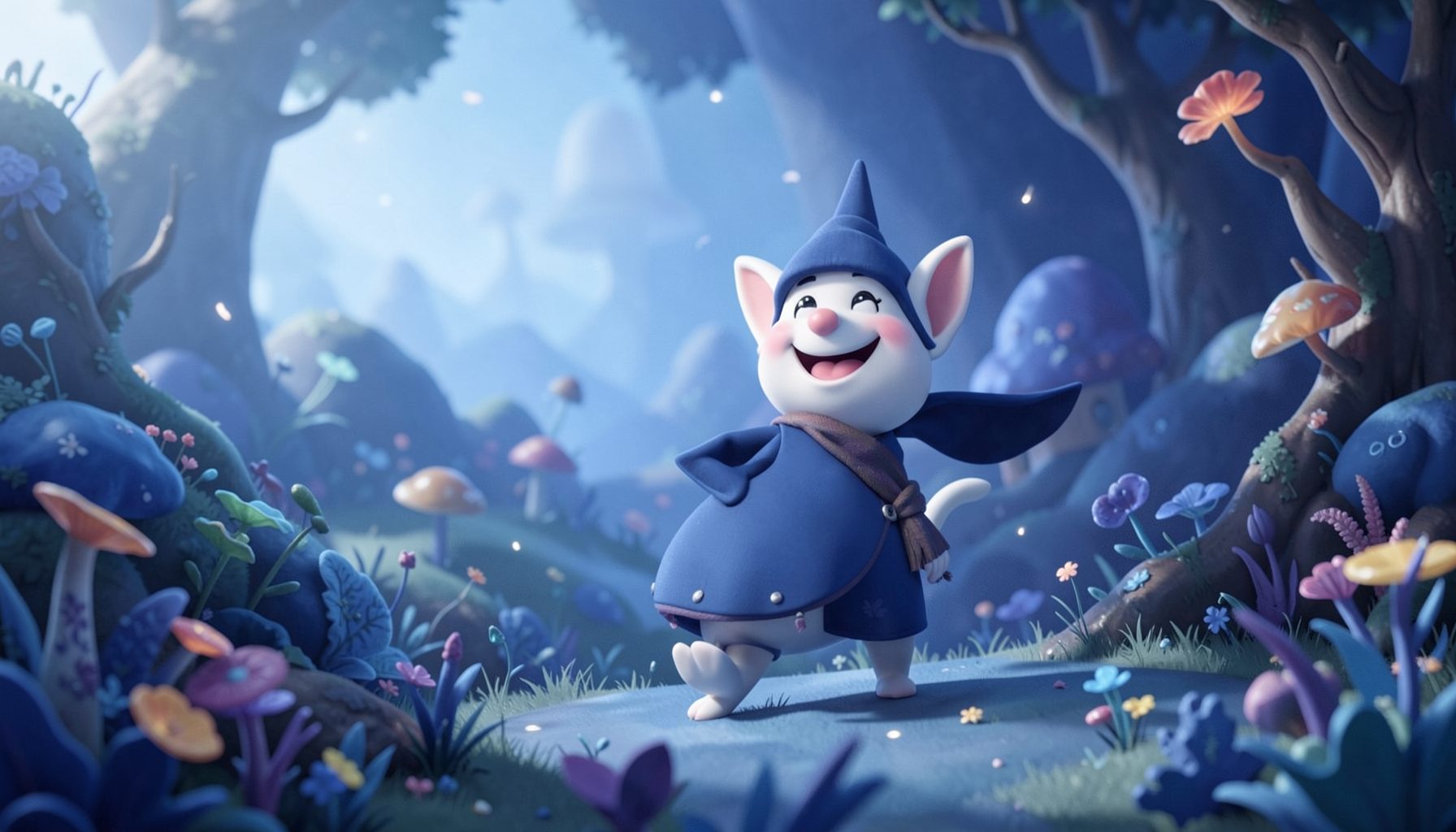
Cartoon Characters
Adventure Time, Land Before Time, Justin Time, and more beloved characters ready to be brought to life with color.
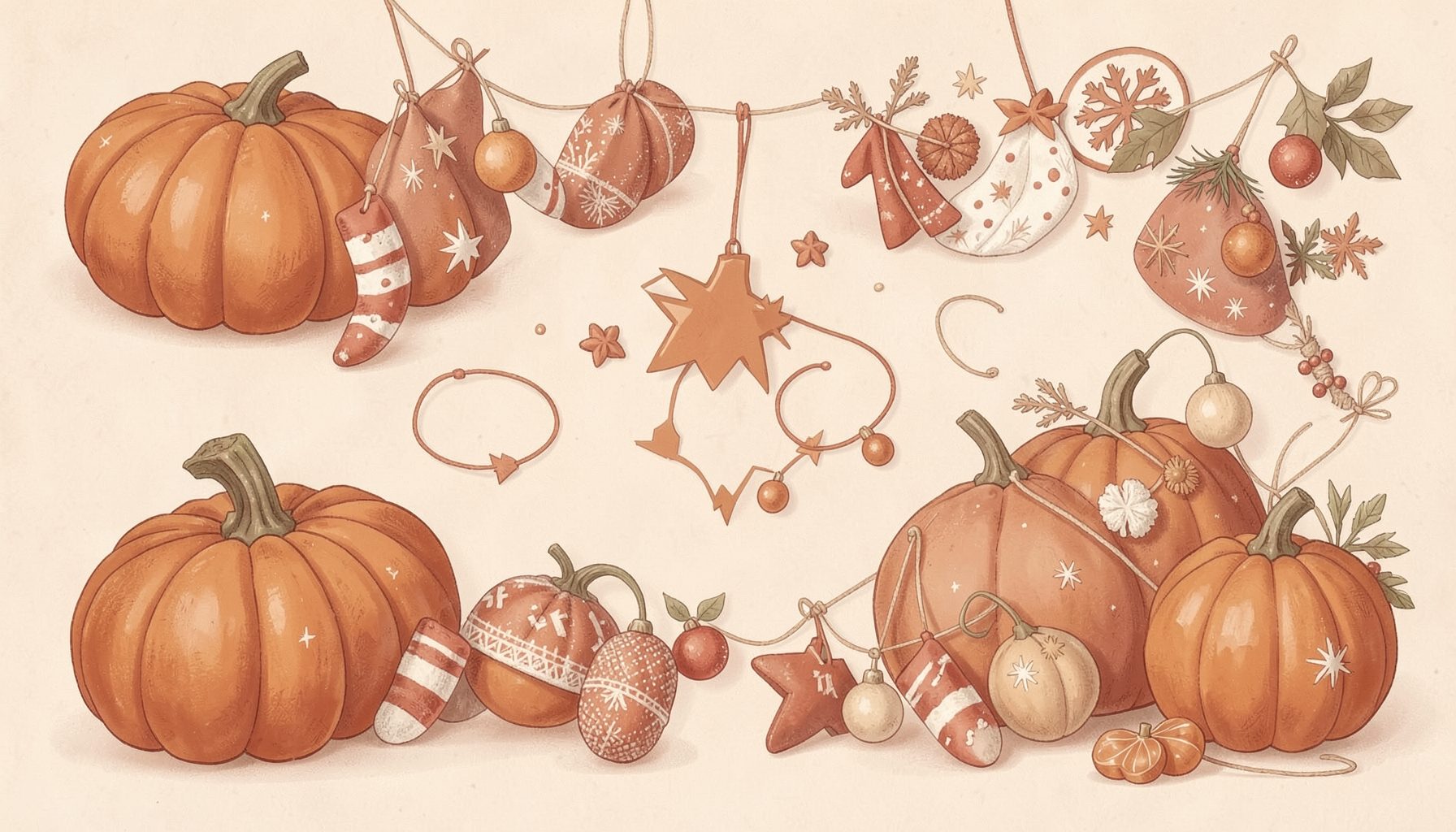
Holidays & Seasons
Halloween, New Year, and seasonal coloring sheets to celebrate special times throughout the year.
How to design your own coloring pages for kids
Creating custom coloring pages for children can be a rewarding creative outlet, whether you are a parent, teacher, or budding illustrator. Australia has a vibrant community of small-scale creators who share printable resources through libraries, school newsletters, and weekend markets across cities like Melbourne and Brisbane. With the right approach, you can design engaging sheets that entertain and educate young children in homes, daycare centres, and classrooms.
Before you start sketching, consider what age group you are designing for and what themes resonate locally. Many Australian families look for illustrations that reflect familiar landscapes, native animals, or seasonal celebrations tied to the southern hemisphere calendar. Planning with these elements in mind helps your finished pages feel relevant and fun for the kids who colour them.
Choosing themes that capture young imaginations
Kids gravitate towards subjects they recognise from everyday life. Think about Australian backyards, beach scenes, footy matches, or characters from popular storybooks read aloud in kindergartens. You might draw a page featuring a family having a barbecue at the park, or a coastal scene with seagulls and sailboats that reminds children of weekends spent at Bondi or St Kilda.
Seasonal themes also work well, especially when tied to the Australian school year. Autumn pages suit March and April, while summer designs fit the December-January holidays. Easter, Anzac Day, and Australia Day each offer strong visual motifs, from poppies to native wildflowers. When you align your artwork with cultural moments, children feel a deeper connection to what they colour.
Digital tools and software for beginners
Digital design has opened up colouring page creation to almost anyone with a tablet or laptop. Free programs like Krita and Inkscape allow you to draw clean, scalable outlines suitable for printing at A4 size. Tablet users often prefer Procreate or Autodesk Sketchbook for their pressure-sensitive brushes, which mimic traditional pen work.
If you prefer a simpler start, Canva offers pre-made colouring page templates you can customise with drag-and-drop elements. For educators and parents in Australia, this low barrier to entry means you can produce a sheet in under an hour, then print multiple copies for a classroom or playgroup. The key is to keep line weights bold and consistent, as faint lines can disappear when printed on standard copy paper.
Hand-drawn techniques and traditional methods
Not every great colouring page starts on a screen. Many illustrators begin with pencil sketches in a visual diary, then trace over their favourite lines with a fine-liner pen. Using tracing paper lets you refine a design without redrawing it entirely. Once your outline is ready, scan it at 300 DPI or higher for a crisp digital copy.
Hand-drawn artwork carries a warmth that children often love. Imperfect wobbles and organic shapes feel friendly and approachable. If you plan to share your pages, remember that Australian copyright law protects original artwork automatically, so always credit yourself when posting online or selling at markets.
Age-appropriate detail and line complexity
Designing for different age groups requires adjusting the level of detail. Toddlers benefit from large shapes and minimal lines, reducing frustration as they practise grip and hand control. Preschoolers can handle slightly more intricate patterns, while primary school children enjoy hidden details, mazes, or small scenes within a larger illustration.
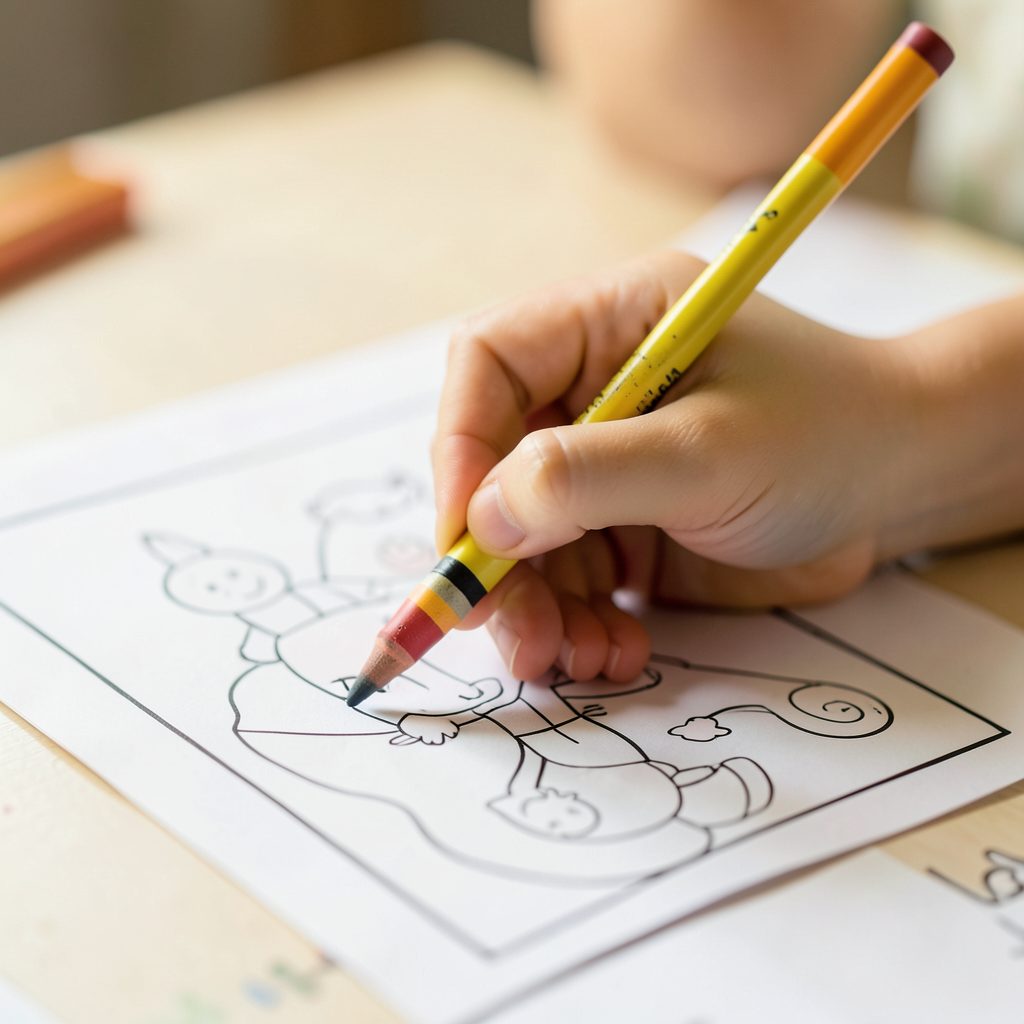
A simple test is to imagine a child holding a crayon. If the spaces are too small for chubby fingers, the page becomes discouraging rather than enjoyable. For five to seven year olds, include backgrounds with several elements, such as a park scene with trees, ducks, and a picnic blanket. For older kids, mandalas or themed puzzles work beautifully.
| Method | Cost | Skill level | Best for |
|---|---|---|---|
| Hand-drawn with pen | Low | Beginner | Warm, organic style |
| Digital vector software | Free options available | Intermediate | Clean, scalable pages |
| Canva templates | Free with paid extras | Beginner | Quick classroom use |
| Procreate or tablet | Paid subscription | Intermediate | Professional polish |
Layout, composition, and page sizing
Standard A4 paper remains the most practical choice in Australia, as it fits home printers and most classroom displays. Centre your main illustration on the page and leave generous margins so the image does not get cut off. A clear focal point helps young eyes know where to start colouring.
Consider whether your page will be a single image or a collection of smaller drawings. Activity sheets with several items, such as a word search paired with a colouring section, work well for after-school care programs. Whatever you choose, keep the orientation consistent, especially if you plan to bind pages into a booklet.
Printing, paper, and sharing your pages
Once your design is finished, test print it before producing a full batch. Use 80 to 100 GSM paper for everyday colouring, or upgrade to 120 GSM for a sturdier feel that handles markers without bleeding. Many Australian households recycle single-sided prints for colouring practice, which is a sustainable habit that saves money.
You can share your creations through community channels. Local libraries often welcome donations of themed pages for school holiday programs, and teachers frequently exchange resources on social media groups. If you want to distribute your work more widely, read about Present Contemporary Art for inspiration on organising collections by category and audience.
Common mistakes to avoid
- Cramming too many small details into a single page
- Using faint grey lines that vanish when photocopied
- Forgetting to leave enough margin around the edges
- Skipping the test print before sharing with children
Practical tips before you print
- Save your final file as a high-resolution PDF for sharp lines
- Check that your printer uses pigment ink for fade-resistant results
- Number or date your pages if you plan to build a portfolio
- Keep a backup copy on cloud storage in case your device fails
Also Discover
A Legacy in Contemporary Art
Beyond coloring pages, presentcontemporaryart has a history as an association of art collectors and patrons — Associazione di Collezionisti e Mecenati. The organization promoted international exhibitions connecting Chinese, Italian, and international artists, with past events in Shanghai and Berlin.


Ready to Start Coloring?
Browse the full collection of free printable coloring pages — all just a click away.
View All Coloring Pages