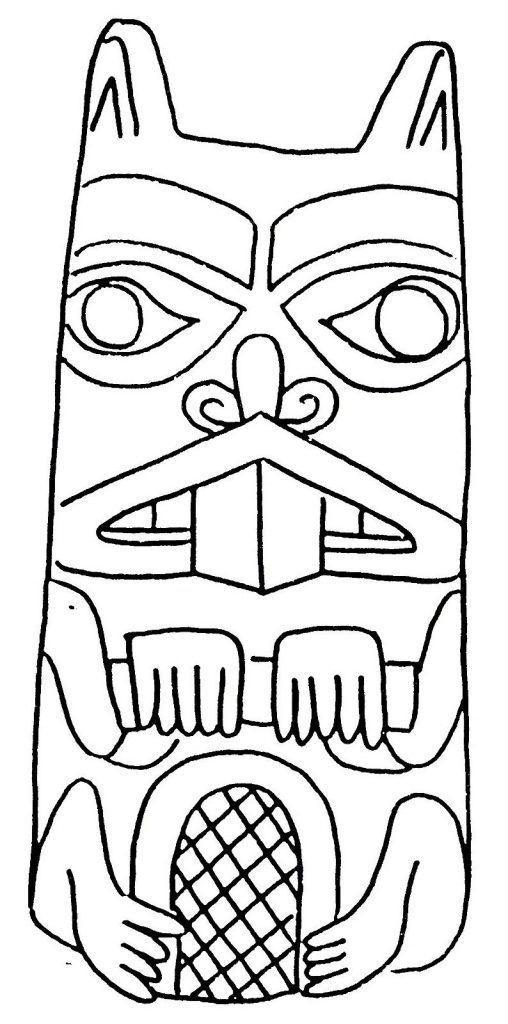
A growing collection of high-resolution coloring sheets — animals, cartoon characters, holidays, and more. Print and enjoy at home or in the classroom.
Explore the CollectionWelcome
Coloring Fun for Every Child
presentcontemporaryart brings together an extensive library of free printable coloring pages. From friendly giraffes and adventure-time characters to seasonal holiday sheets, there is something here to spark every child's creativity. All pages are easy to download and print at high resolution — perfect for rainy afternoons, classroom activities, or quiet time at home.
Animals & Nature
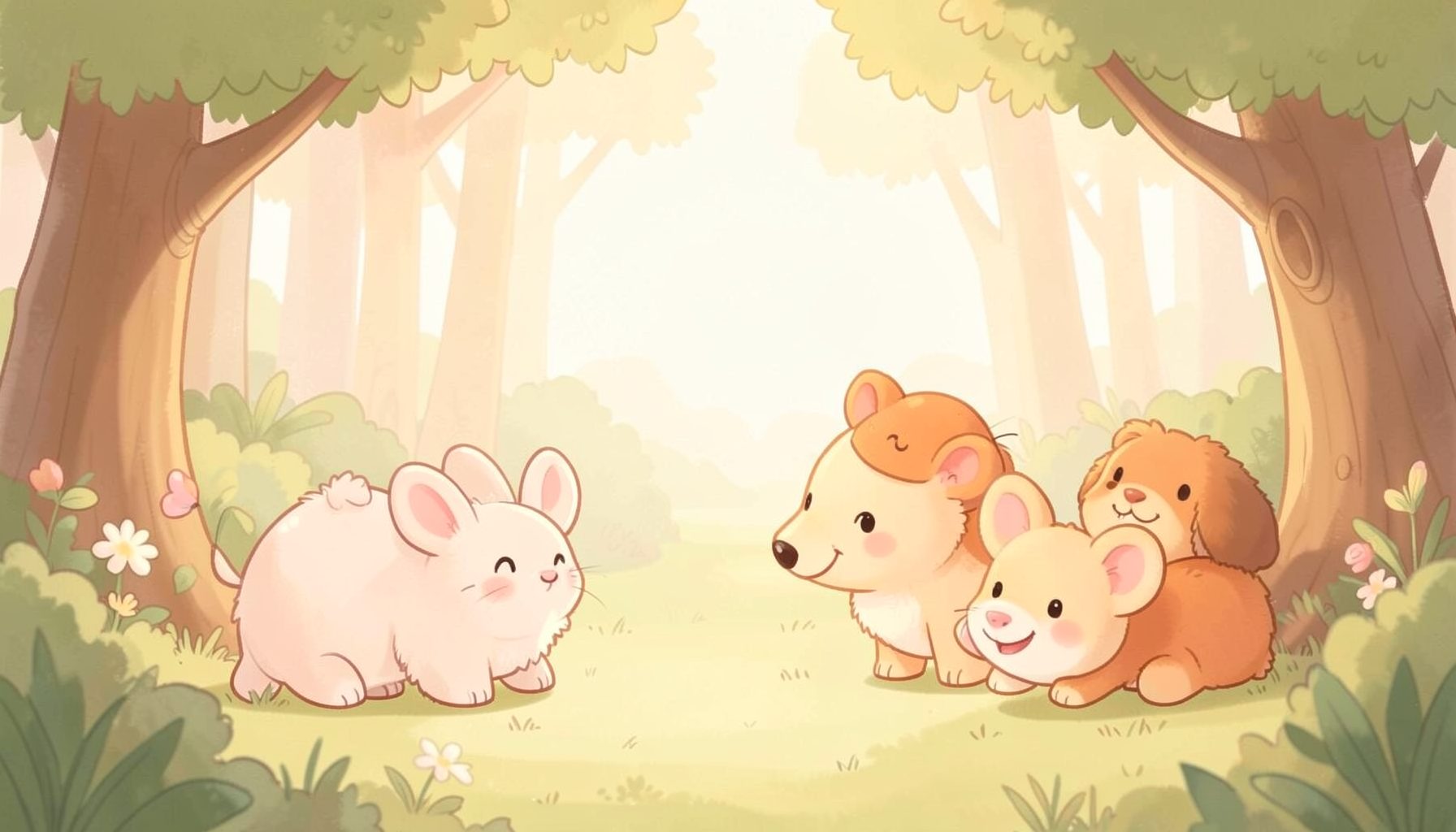
Giraffes, goldfinches, orioles, and woodland creatures — a wide selection of animal coloring pages for young nature lovers.

Cartoon Characters
Adventure Time, Land Before Time, Justin Time, and more beloved characters ready to be brought to life with color.
Holidays & Seasons
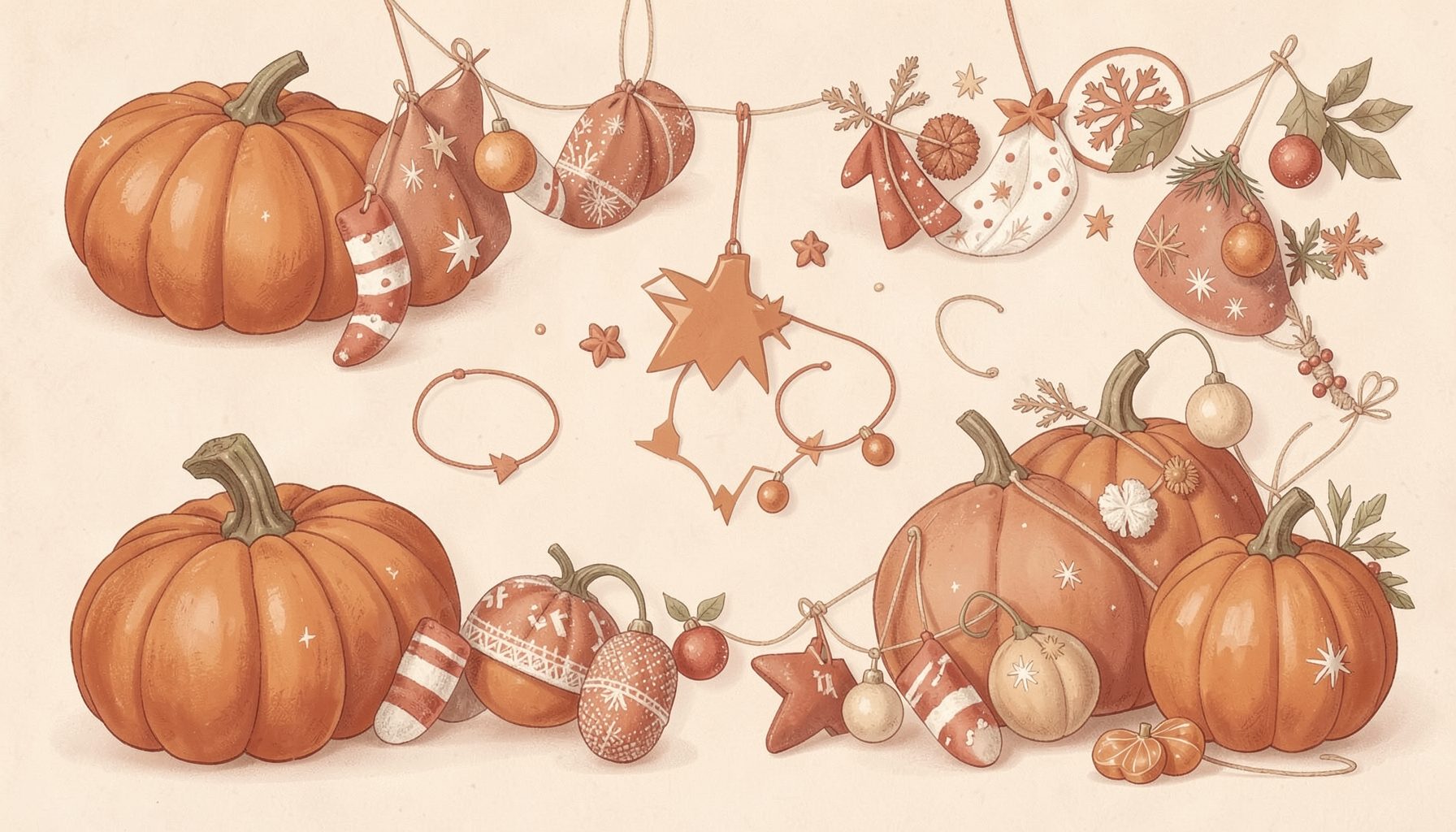
Halloween, New Year, and seasonal coloring sheets to celebrate special times throughout the year.
How to create a seasonal colouring calendar for kids
A seasonal colouring calendar gives children a year-long reason to draw. Each month becomes a large panel that can be coloured, displayed and revisited as the weather and celebrations change. This guide explains how to create a seasonal coloring calendar for kids while keeping the project manageable, inexpensive and cheerful.
In Australia, summer runs from December to February, autumn from March to May, winter from June to August, and spring from September to November. The same seasonal order applies in Melbourne, Sydney, Brisbane and Perth, although local weather differs: Perth summers are dry, Brisbane often humid, and Melbourne can shift from heat to cool rain within a week.
The calendar can sit on a fridge, in a kindy display area or in a classroom corridor. It may become a quiet after-school-care activity, a lunchbox project during homework time, or a weekend craft shared with siblings. Building it around familiar routines makes it more likely to be used than a complicated schedule kept out of sight.
Start with one blank panel per month, then add seasonal pictures, prompts and a small date box. Children colour the pictures and write or stamp the dates, while an adult handles cutting, gluing and display. This division of work suits mixed-age groups and avoids turning the project into a test of neatness.
Map the year to familiar Australian rhythms
Use the national season pattern, but mark the school term structure used in most Australian states: a summer break around Christmas, terms beginning in late January or early February, two shorter breaks during the year, and a longer summer holiday. Local calendars vary slightly, so copy dates from your state education website rather than guessing.
Include community events without making every month crowded. Easter, school holidays and Christmas may matter to your family, while some children will also mark birthdays, cultural festivals or religious occasions. Leave blank areas for personal dates and invite children to choose symbols that feel meaningful to them.
Choose a durable layout before decorating begins
A4 landscape sheets are the easiest option: print twelve, stack them with a month label, and hang them on a wall. A3 is better for group viewing, while six folded cards can become a flip calendar. Choose based on the available display space and the number of children using it, not on which design looks most impressive.
Before reproducing downloaded artwork, check the terms attached to it. Under the Copyright Act 1968 (Cth), original artistic works can be protected, and a free download does not automatically grant permission to publish or sell a reproduced calendar. The source’s permission may cover personal or classroom use, but verify its licence and credit the artist where requested.
Collect seasonal motifs children recognise
Aim for three or four images a month rather than filling every space. Useful motifs include beach shade, swimming, summer camp, bushwalks, vegie gardens, raincoats, Easter eggs, wattle, eucalyptus and native animals such as kangaroos, koalas and rainbow lorikeets.
For warm-weather extras, the free printable library’s summer camp colouring pages can provide a starting point for December and January panels. Ask children to match colours to local landscapes and include ordinary Australian details—sunscreen hats, thongs, a green grocer bag or a takeaway lunch—without suggesting every family spends summer in the same way.
Make the making process part of the routine
Set out one month at a time in a labelled envelope or clear sleeve. Demonstrate how to read a panel, complete its date box and choose two or three colours before handing over the crayons. A five-minute tidy rule keeps the table ready for the next session, and older children can check a simple material list.
Build in options instead of chasing perfect results. Younger children can colour broad shapes and stamp dates; older children can cut, label and write about their chosen season. At home, store completed panels in a portfolio between months. In a classroom, a wall display lets each child revisit the same pictures later.
Compare calendar formats for different homes
The best format matches your space, attention span and budget. Test-print one sheet first because ink coverage, page strength and writing space vary by design. The main choices are below.
| Format | Best for | Main materials | Watch-out |
|---|---|---|---|
| Twelve A4 sheets | Families needing a simple project | Standard printer paper, glue, tape | Many pages to stack and store |
| A3 year grid | Classrooms and shared walls | A3 printer or print shop, larger paper | Less writing space for each child |
| Six-card flip calendar | Small rooms and repeat display | Card, ruler, hole punch, cord | Folding and alignment take extra time |
An A4 sheet calendar usually offers the gentlest workload and uses supplies found at Australian stationery chains such as Officeworks or discount stores such as Kmart. An A3 grid is visually striking but needs a large wall and longer preparation. Flip calendars save wall space, yet they require careful folding and stronger card.
Finish with a simple family checklist
Once all panels are complete, protect them with a clear sleeve or laminate them, then bind or pin them in calendar order. Ask each child to sign the cover and add a favourite Australian memory, such as a Sydney harbour scene or a Perth beach sunset. Keep the display within reach so the calendar remains part of daily life.
When buying extra supplies, check age guidance for small or sharp craft items and ensure an adult handles any cutting. These steps keep the final assembly calm and prevent the project from spilling into the next school holiday.
- Print a test panel and confirm month labels, writing space and colour visibility before copying the full set.
- Store uncoloured pages in month order and finish one panel at a time to keep the project moving.
- Display the calendar where children already gather, such as beside the homework folder or near the kitchen table.
- Review it at the start of each season and let children add one new family tradition.
Also Discover
A Legacy in Contemporary Art
Beyond coloring pages, presentcontemporaryart has a history as an association of art collectors and patrons — Associazione di Collezionisti e Mecenati. The organization promoted international exhibitions connecting Chinese, Italian, and international artists, with past events in Shanghai and Berlin.



Ready to Start Coloring?
Browse the full collection of free printable coloring pages — all just a click away.
View All Coloring Pages