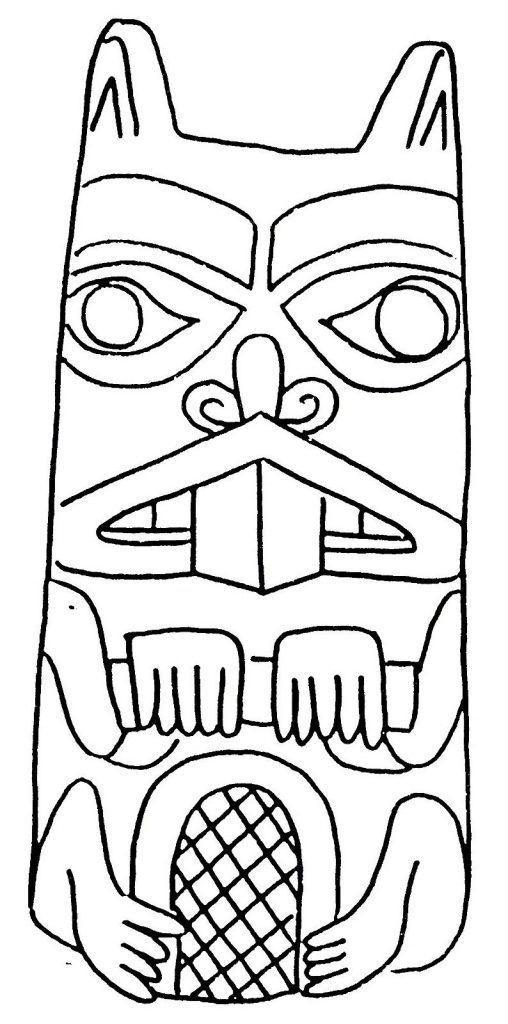
A growing collection of high-resolution coloring sheets — animals, cartoon characters, holidays, and more. Print and enjoy at home or in the classroom.
Explore the CollectionWelcome
Coloring Fun for Every Child
presentcontemporaryart brings together an extensive library of free printable coloring pages. From friendly giraffes and adventure-time characters to seasonal holiday sheets, there is something here to spark every child's creativity. All pages are easy to download and print at high resolution — perfect for rainy afternoons, classroom activities, or quiet time at home.
Animals & Nature
Giraffes, goldfinches, orioles, and woodland creatures — a wide selection of animal coloring pages for young nature lovers.
Cartoon Characters
Adventure Time, Land Before Time, Justin Time, and more beloved characters ready to be brought to life with color.
Holidays & Seasons
Halloween, New Year, and seasonal coloring sheets to celebrate special times throughout the year.
How to Create a Coloring Book from Free Printables
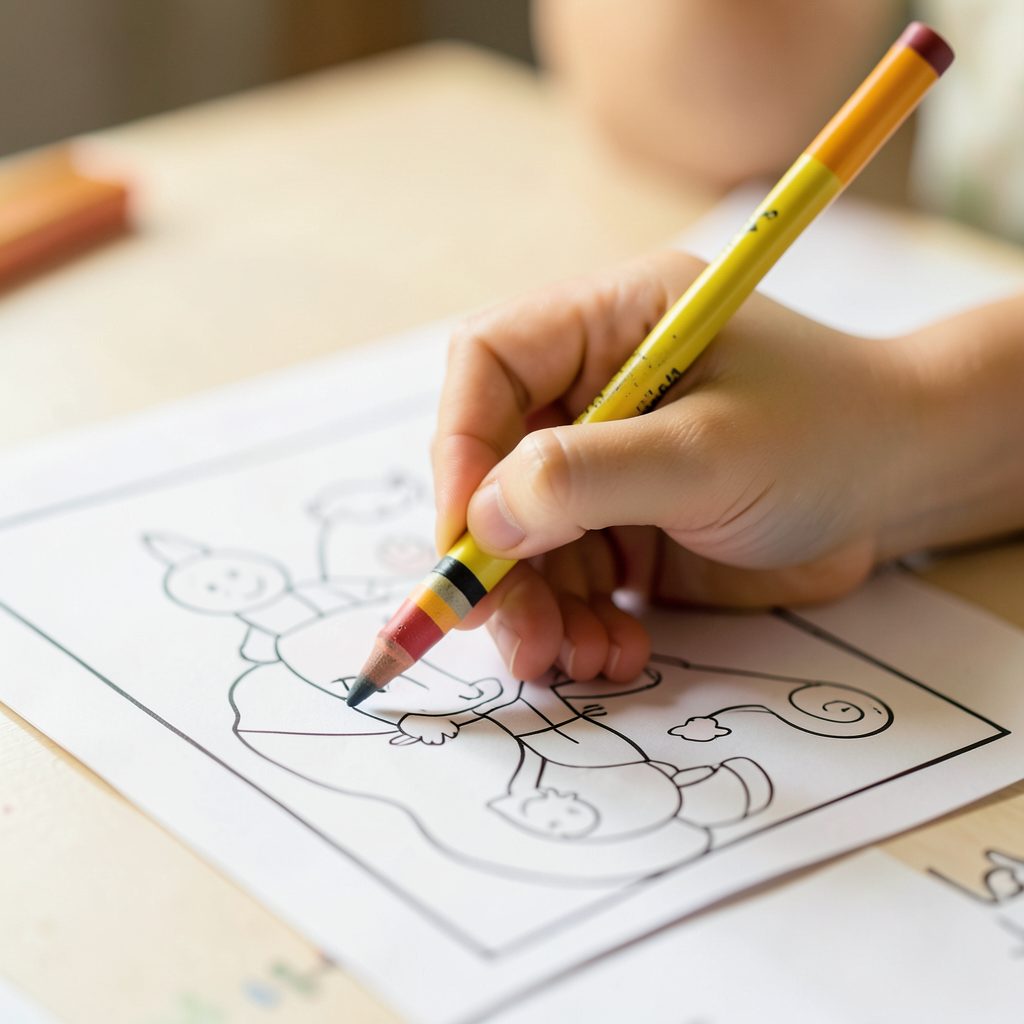
Creating a homemade coloring book is an easy way to turn individual coloring pages into a thoughtful activity for children. With a printer, a few basic supplies, and a clear theme, families and teachers can make a personalized book for quiet time, classroom work, travel, or a creative gift.
Present Contemporary Art offers a large collection of free printable coloring pages featuring animals, nature scenes, cartoon characters, sports, holidays, and seasonal subjects. Pages are organized by category and can be downloaded without registration, making it simple to collect designs that suit a child’s interests.
A handmade coloring book can be as simple or detailed as needed. A small booklet may contain ten pages for a rainy afternoon, while a larger activity book can include themed sections, drawing prompts, and space for children to write or decorate.
Choose a theme and format
Start with a subject that gives the book a consistent identity. An animal book might include farm creatures, pets, wild animals, and ocean life. Other ideas include outdoor adventures, winter holidays, favorite sports, cartoon-inspired activities, or a combination of seasonal illustrations.
Decide how the finished book should look before downloading pages. Letter-size paper folded in half creates a compact booklet, while full-size pages are easier for younger children to color. Printing on one side leaves space on the back for notes, free drawing, stickers, or simple writing exercises.
Gather and prepare printables
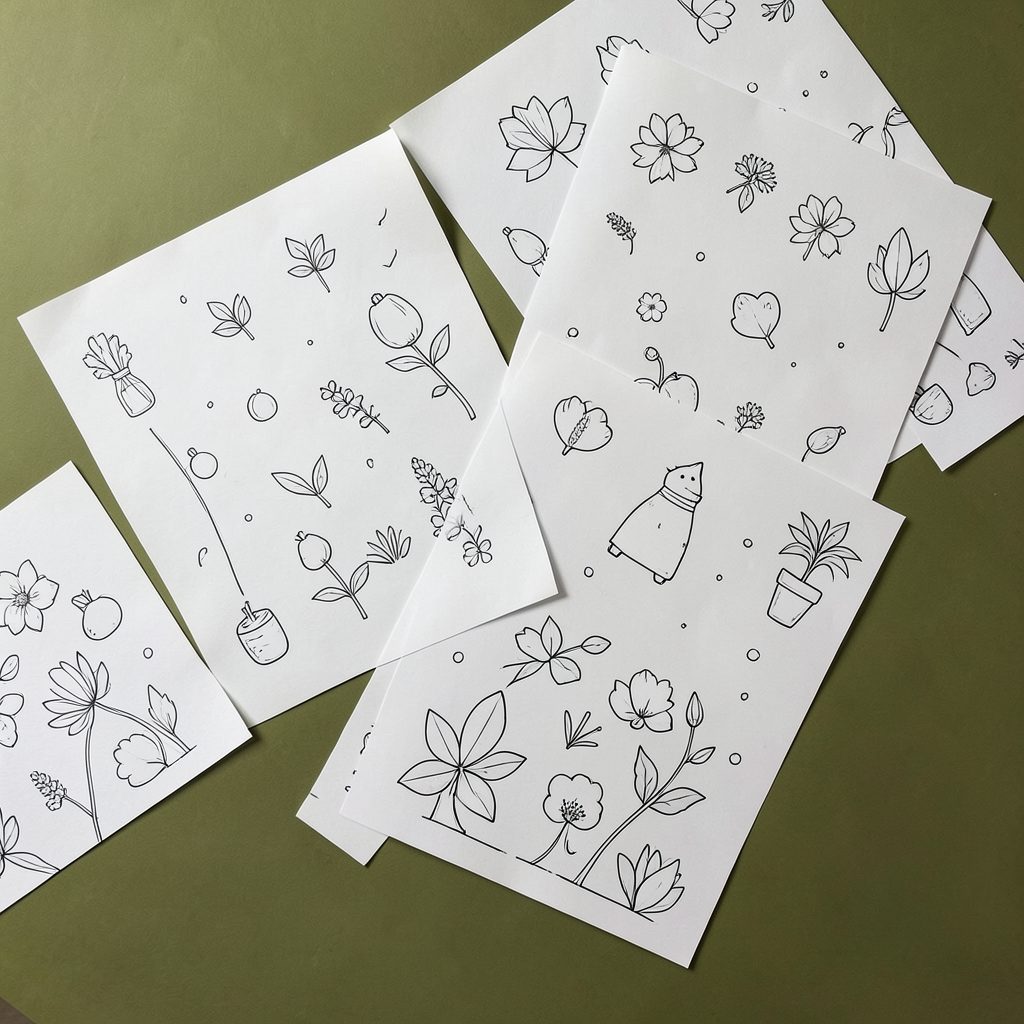
Browse the coloring page categories and save illustrations that match the selected theme. Choose a mixture of easy and detailed pictures so the activity remains interesting without becoming frustrating. Younger children often enjoy large shapes and clear outlines, while older children may prefer patterns and more intricate scenes.
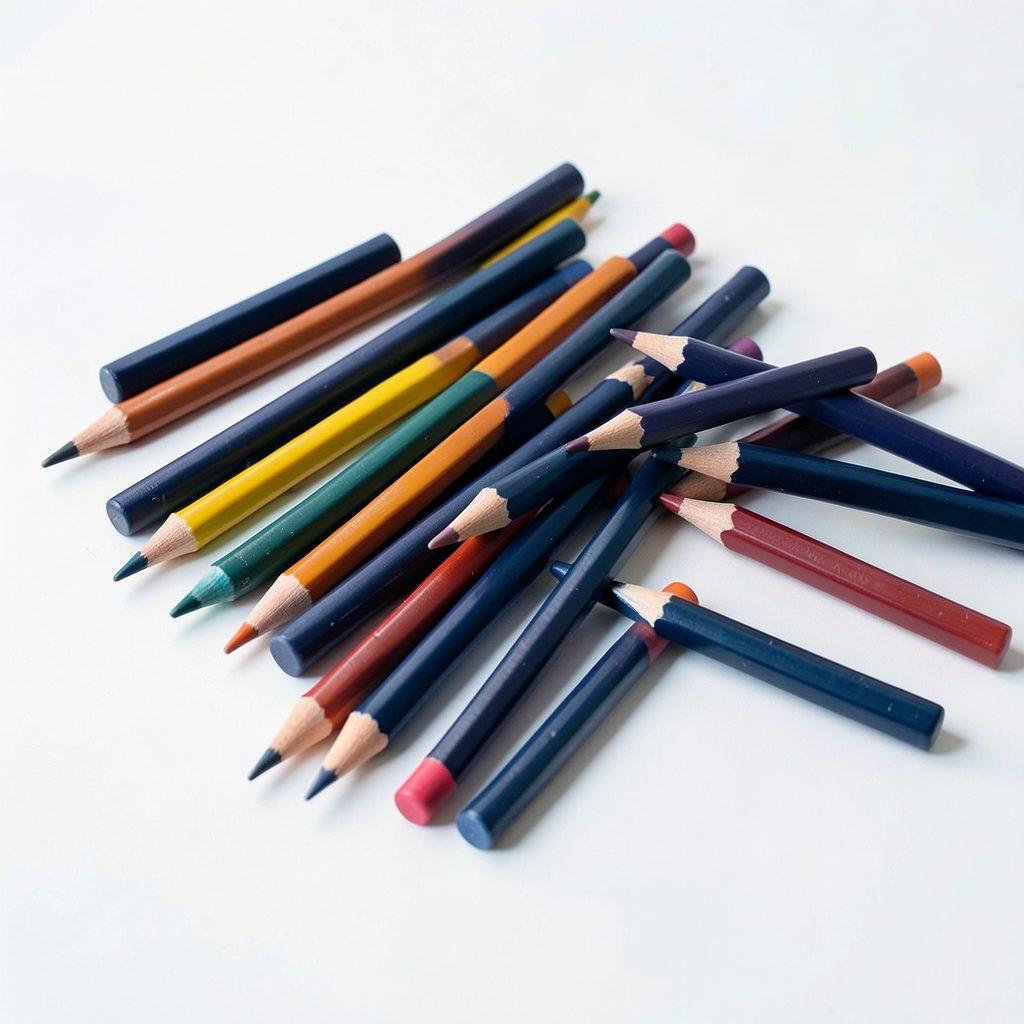
Before printing the full set, download one sample page and check its size, margins, and line quality. Use the printer preview to select portrait or landscape orientation, fit the image to the page, and avoid cutting off important details. Standard copy paper works well for crayons and colored pencils; slightly heavier paper is better for markers.
| Book style | Recommended pages | Best paper choice | Suitable use |
|---|---|---|---|
| Mini activity booklet | 8–12 | Standard copy paper | Travel or short activities |
| Themed home book | 15–25 | Medium-weight paper | Family craft time |
| Classroom collection | 25–40 | Durable copy paper | Centers and early finishers |
| Gift-style coloring book | 20–30 | Heavy paper or cardstock covers | Birthdays and holidays |
Build the page sequence
Arrange the pages in an order that feels natural. A story-like progression can begin with an introduction page, continue through related subjects, and finish with a certificate or free-drawing sheet. For a simple activity book, alternate detailed illustrations with easier designs to create a comfortable rhythm.
Create a cover using the book’s title, theme, and the child’s name if it is a personal project. A plain title page can be decorated with crayons, markers, or clip-art shapes. Add a final page with a message such as “My favorite picture” and lines for the child to record which illustration they enjoyed most.
If the pages will be folded into a booklet, test the order with blank sheets first. Booklet printing can rearrange pages automatically, but a quick mock-up helps prevent upside-down images or misplaced covers.
Select a practical binding method
Stapling is the fastest option for a small coloring book. Stack the printed pages, place the cover on top, and use two or three staples along the folded edge. For extra safety with young children, cover the staple points with a strip of paper or decorative tape.
A hole-punched book with yarn, ribbon, or binder rings is easy to open and allows pages to be removed. This method works especially well for classroom coloring pages because children can take out one sheet at a time. Laminating the cover can also protect it from crayon marks and frequent handling.
For a more polished finish, use a simple report cover, folder, or plastic binding comb. Keep the binding loose enough for pages to lie flat while coloring. A book that does not close easily can be frustrating for children using broad crayons or markers.
Add interactive details
Free printable coloring pages can become the foundation for a broader activity book. Add short prompts, matching games, counting tasks, or vocabulary words beside selected illustrations. For example, an animal page could include a space to write the animal’s name, its habitat, or one interesting fact.
Keep added activities age-appropriate and visually uncluttered. A few thoughtful details are usually more effective than filling every blank area. Consider these finishing choices:
- Add a name page so the book feels personal.
- Include one blank page for independent drawing.
- Create a color key for selected pages.
- Add seasonal greetings or classroom discussion prompts.
- Mark pages with numbers if children will complete them in order.
Use pencils or a word-processing program to add text before printing, or decorate the completed book by hand. Handwritten labels give the project a warm, personal character and allow children to participate in assembling their own coloring book.
Make the book useful beyond one activity
Store the finished book in a folder, reusable envelope, or labeled basket so it stays with crayons and other art supplies. For classroom use, prepare several copies with different themes and place them in an independent-work station. Holiday and seasonal coloring books can be brought out at the appropriate time of year.
When sharing printed pages with a group, use them for personal, household, or classroom activities according to the website’s usage terms. Avoid presenting the illustrations as original artwork or selling copied pages unless permission clearly allows it. Keeping the source information with the project is a helpful habit.
Choose a theme from Present Contemporary Art, download a small set of free coloring pages, and begin with a simple cover and a few carefully arranged designs. In one afternoon, separate printables can become a complete creative book ready for coloring, learning, and sharing.
Also Discover
A Legacy in Contemporary Art
Beyond coloring pages, presentcontemporaryart has a history as an association of art collectors and patrons — Associazione di Collezionisti e Mecenati. The organization promoted international exhibitions connecting Chinese, Italian, and international artists, with past events in Shanghai and Berlin.


Ready to Start Coloring?
Browse the full collection of free printable coloring pages — all just a click away.
View All Coloring Pages