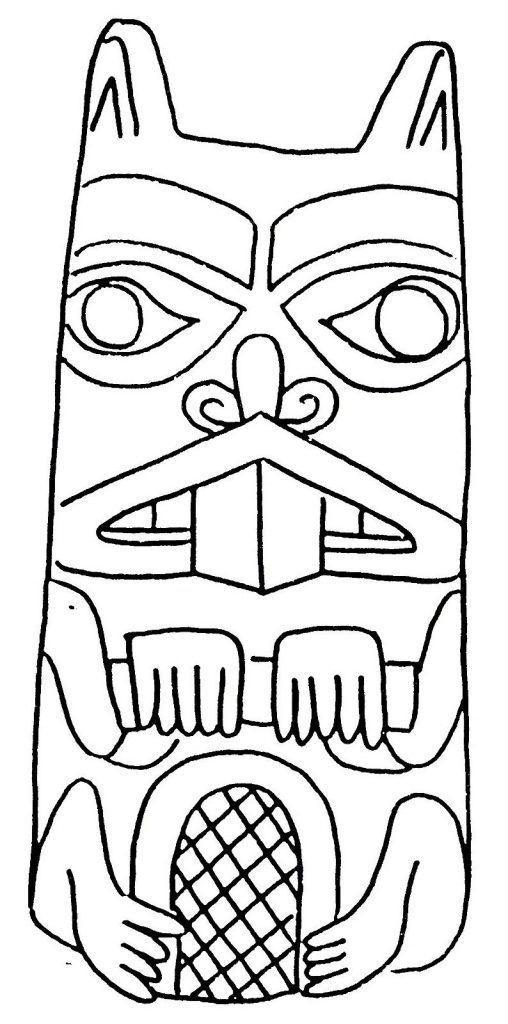
A growing collection of high-resolution coloring sheets — animals, cartoon characters, holidays, and more. Print and enjoy at home or in the classroom.
Explore the CollectionWelcome
Coloring Fun for Every Child
presentcontemporaryart brings together an extensive library of free printable coloring pages. From friendly giraffes and adventure-time characters to seasonal holiday sheets, there is something here to spark every child's creativity. All pages are easy to download and print at high resolution — perfect for rainy afternoons, classroom activities, or quiet time at home.
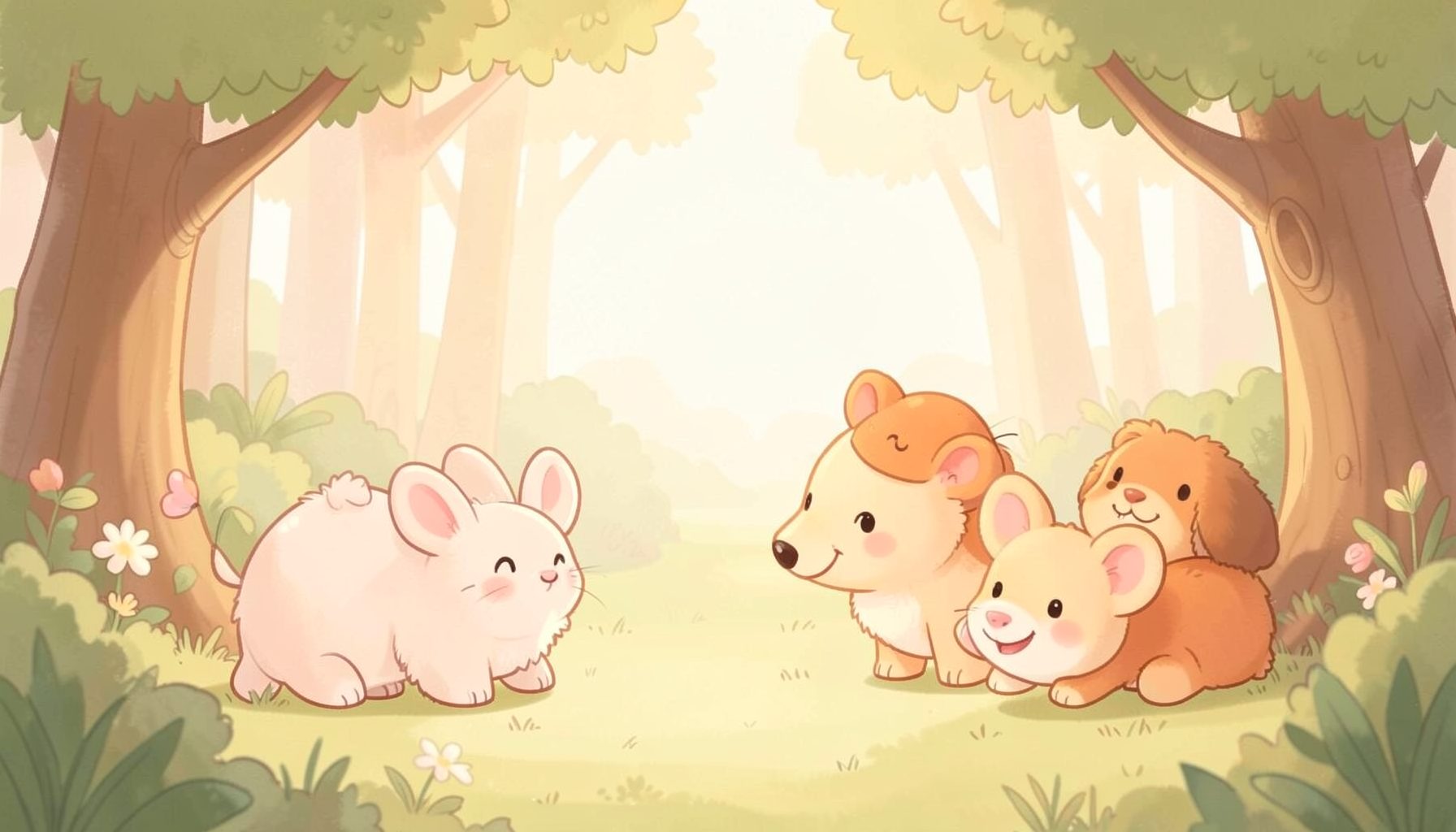
Animals & Nature
Giraffes, goldfinches, orioles, and woodland creatures — a wide selection of animal coloring pages for young nature lovers.
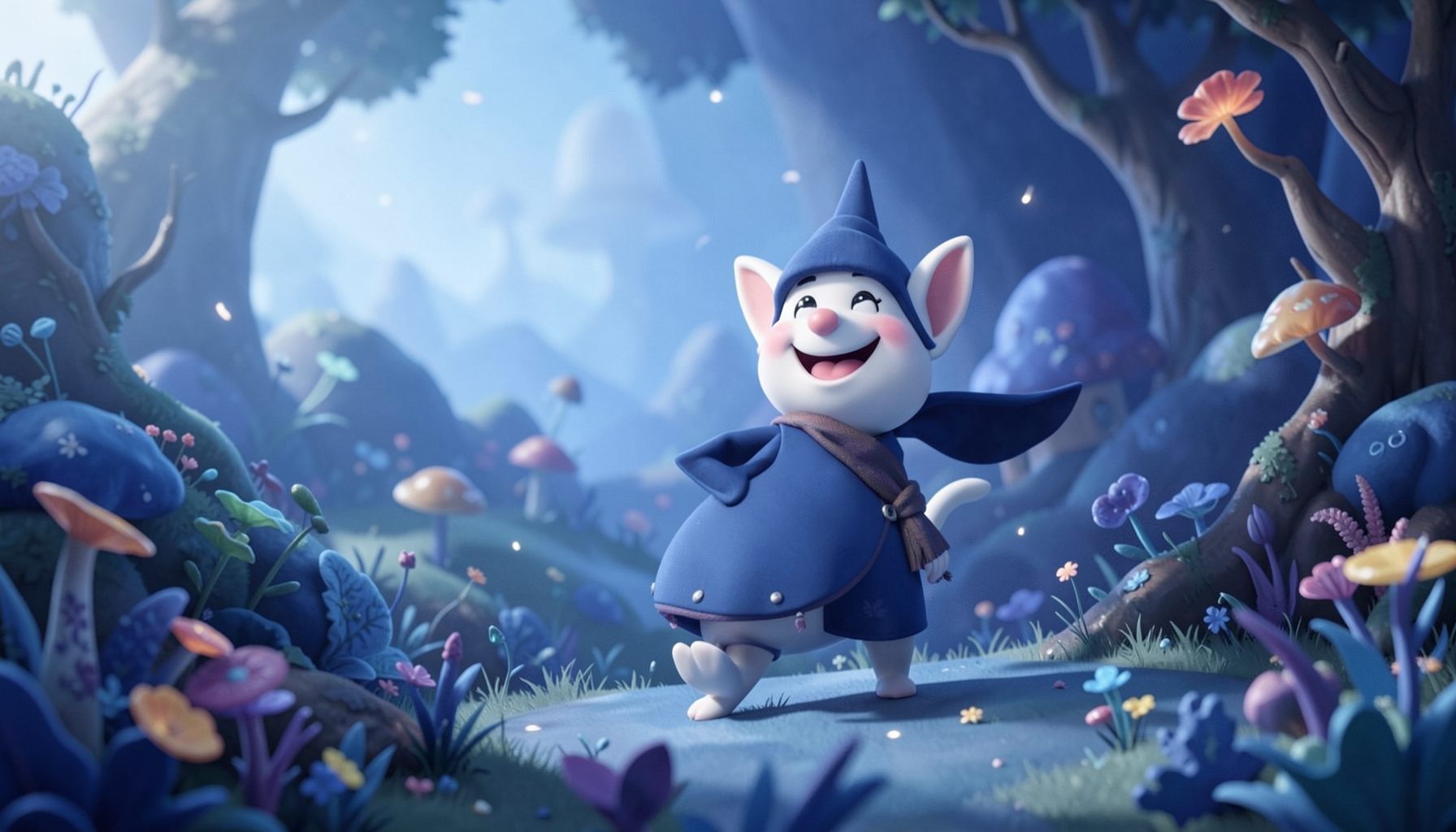
Cartoon Characters
Adventure Time, Land Before Time, Justin Time, and more beloved characters ready to be brought to life with color.
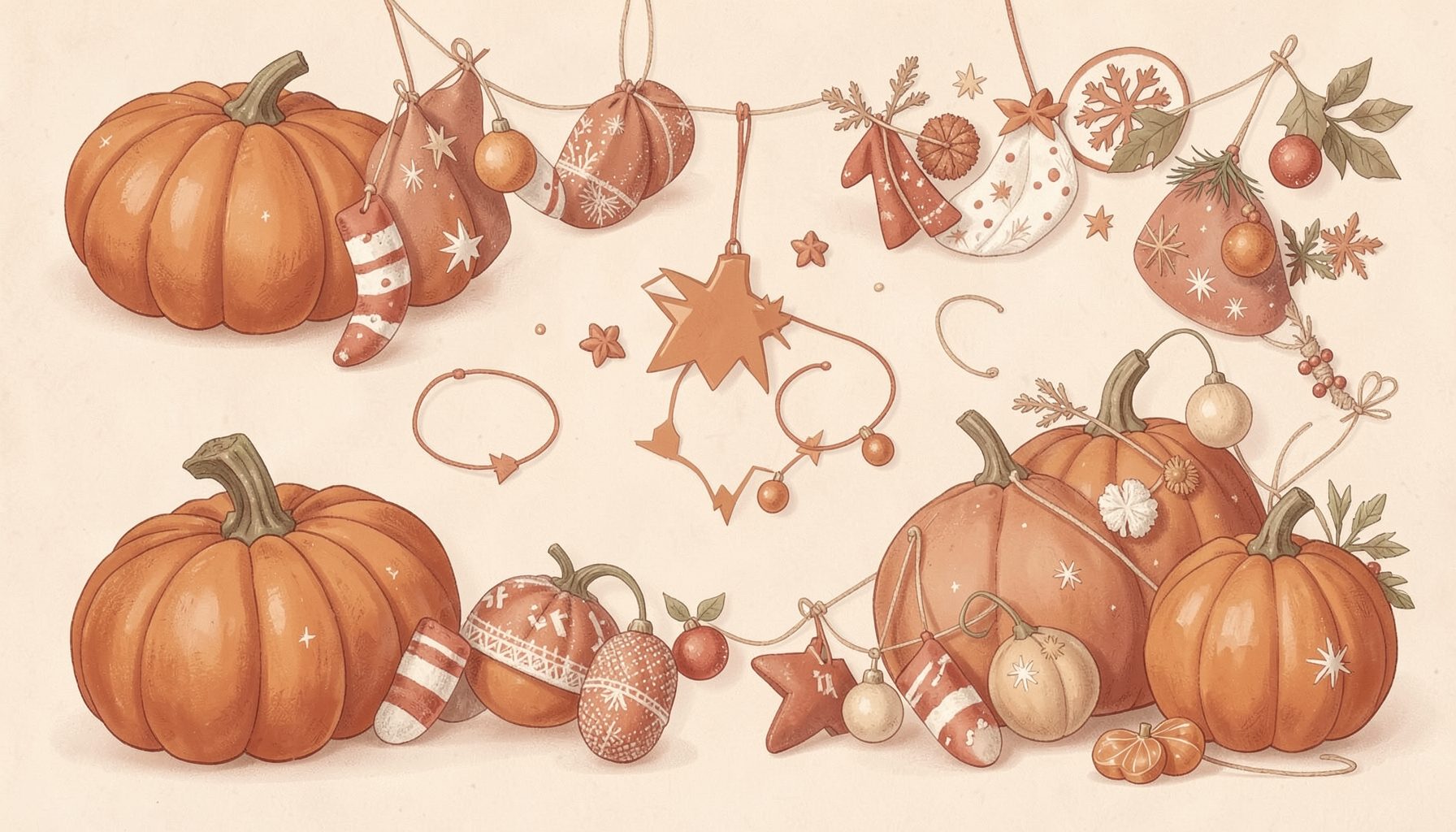
Holidays & Seasons
Halloween, New Year, and seasonal coloring sheets to celebrate special times throughout the year.
How to Colour with Crayons vs Coloured Pencils for Kids
Colouring helps children practise hand control, recognise colours and express ideas without needing perfect drawing skills. The choice between crayons and coloured pencils can change the feel of a picture, from bold and energetic marks to careful shading and fine details.
Crayons are often a favourite for younger children because they are easy to grip and create bright colour quickly. Coloured pencils suit children who enjoy detail, patterns and gradually building up tones. Both are useful for printable colouring pages at home, school or during creative play.
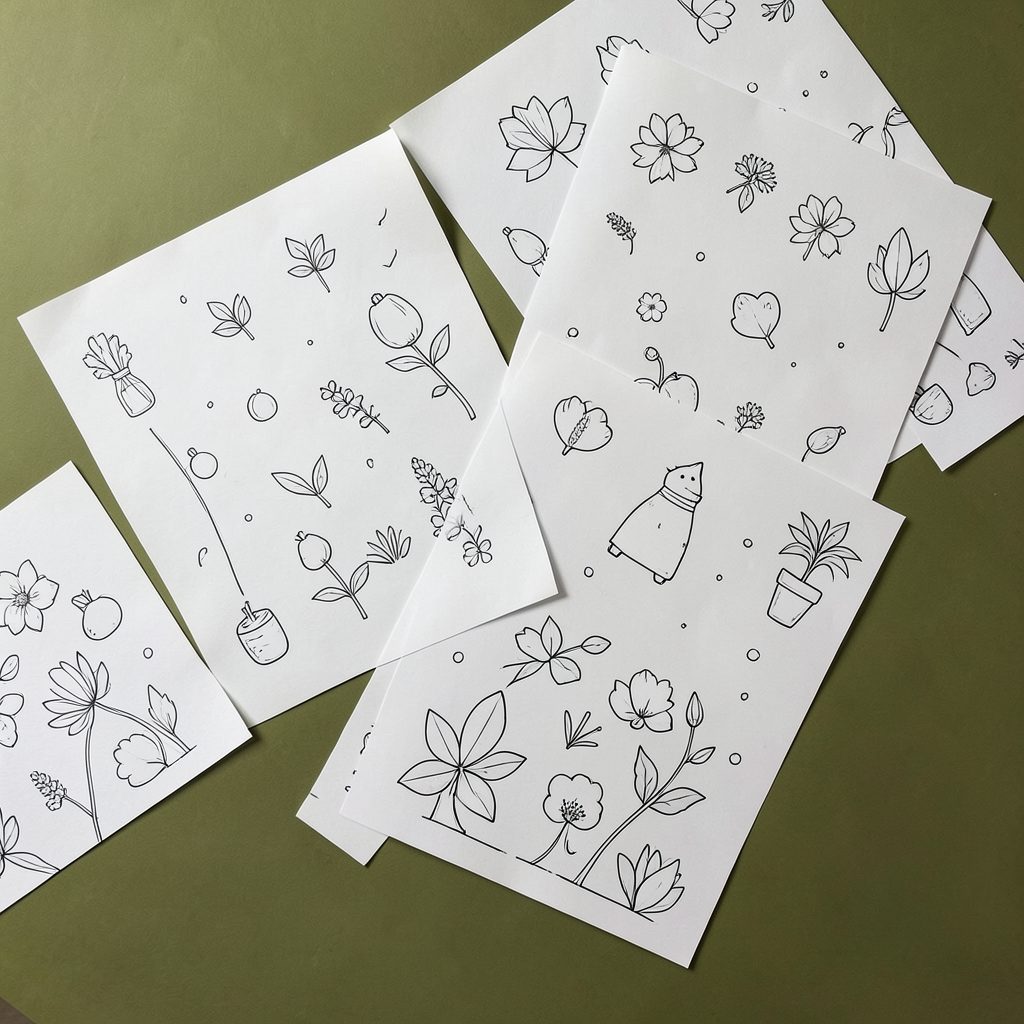
Present Contemporary Art offers free printable designs featuring animals, nature, cartoons, sport, holidays and seasonal scenes. Australian families can download a page without registration, print it on standard A4 paper and choose the drawing tools that best match the child’s age and the picture.
Why Crayons Suit Early Colouring
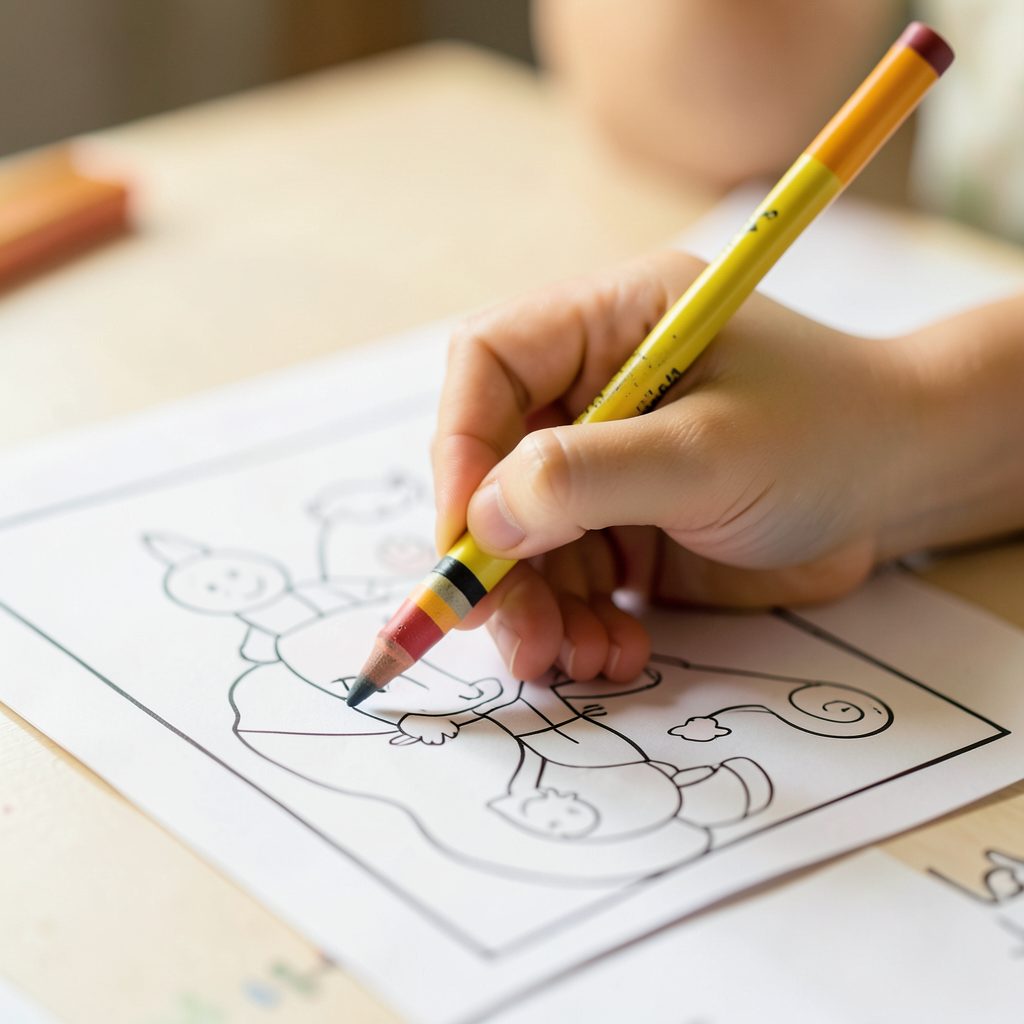
Wax crayons have a thick shape that is comfortable for small hands. Children can fill a large area with fewer strokes, which makes them useful for simple animal pictures, cartoon characters and broad backgrounds. The strong colour also gives a finished page a cheerful, lively appearance.
Crayons are forgiving when a child colours outside the lines. They work well for preschoolers who are still developing pencil control, and they are practical for busy settings such as playgroups, Australian primary classrooms and rainy-day activities during the school holidays.
When Coloured Pencils Work Best
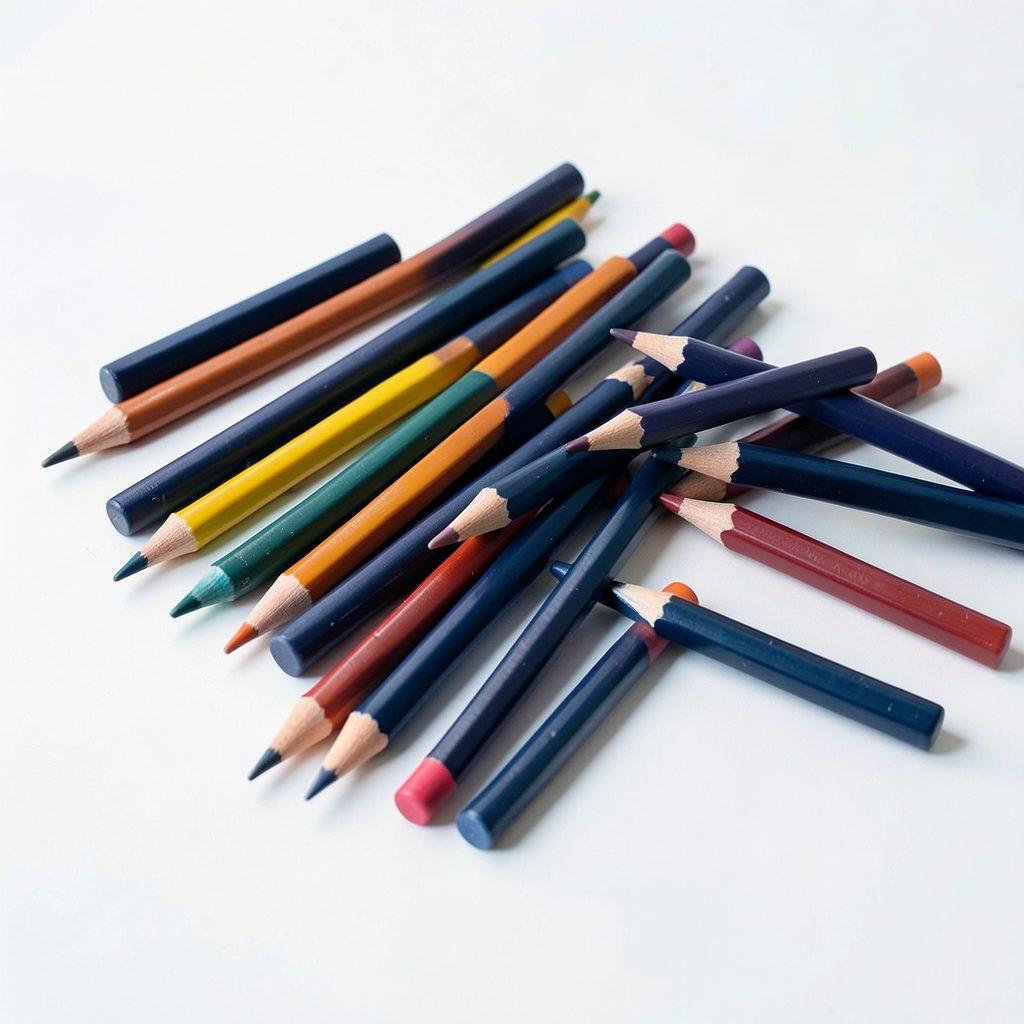
Coloured pencils have a slimmer point, allowing children to reach small spaces around whiskers, leaves, lettering and sports equipment. They encourage a slower pace and can help older children practise staying within outlines. Light pressure creates pale shades, while firmer pressure produces deeper colour.
These pencils are especially effective on detailed pages inspired by Australian wildlife, such as kangaroos, koalas or birds. A child can layer green across a gum tree, add brown to bark and use several blues for water without covering the printed lines.
Matching Tools To The Child
Age, hand strength and personal preference matter more than strict rules. A child who enjoys bold marks may become frustrated with pencils, while a child who likes tiny details may find thick crayons difficult to control. Offering both supplies gives children a chance to discover their own colouring style.
| Feature | Crayons | Coloured Pencils |
|---|---|---|
| Best for | Large spaces and bold artwork | Fine details and shading |
| Grip | Thick and easy for small hands | Slimmer and suited to controlled movements |
| Colour effect | Bright, solid and textured | Smooth, layered and adjustable |
| Speed | Fast coverage | Slower, careful colouring |
| Good page choices | Simple cartoons, vehicles and big animals | Nature scenes, mandalas and detailed wildlife |
| Clean-up | May leave wax crumbs or marks | Usually tidy, with pencil shavings to manage |
Creating Better Colouring Activities
A printable page can become a small learning activity when children choose a colour plan before starting. They might use warm colours for a sunset, cool colours for the ocean or natural shades for a backyard bird. This supports vocabulary such as light, dark, rough, smooth, warm and cool.
Try pairing a colouring page with a familiar Australian setting. A beach picture can inspire turquoise water and golden sand like a Queensland holiday, while a bush scene may include dusty paths, eucalyptus leaves and a bright blue sky. Sport pages can use colours linked with a child’s local footy or netball team.
Combining Crayons And Pencils
Using both materials on one page can produce interesting effects. A child might fill the sky with a blue crayon, then use coloured pencils for clouds, birds and fine grass. Crayons provide quick coverage, while pencils add texture and small accents.
Children can also experiment with layering. A light crayon base under pencil marks creates a richer surface, although heavy wax can make later pencil lines slippery. Testing the combination on scrap paper first helps children see how the colours behave and prevents disappointment on a favourite printable design.
Keeping Materials Safe And Ready
Choose non-toxic art materials designed for children, especially when younger children are colouring at home or in an early learning environment. Keep pencils sharpened but not excessively pointed, and check crayons for sharp edges or broken pieces. A washable mat protects tables from stray marks.
A small container divided by colour makes tidying easier and helps children recognise shades. In Australian homes, a pencil case or recycled takeaway container can hold supplies for use on the veranda, at the kitchen table or on a family trip. Finished pages can decorate a fridge, classroom display or holiday scrapbook.
Choosing Pages For Different Skills
Very young children often enjoy large outlines with a few clear shapes. These pages allow them to practise a steady grip and discover how pressure changes a mark. Simple farm animals, friendly monsters and large flowers are suitable starting points for crayon activities.
Older children may prefer detailed scenes with repeated patterns and small sections. Nature illustrations, Australian animals, festive pages and sporting designs give them opportunities to blend colours, create shadows and make artistic choices. With free printable pages from Present Contemporary Art, families and teachers can select a fresh activity whenever a new interest appears.
Also Discover
A Legacy in Contemporary Art
Beyond coloring pages, presentcontemporaryart has a history as an association of art collectors and patrons — Associazione di Collezionisti e Mecenati. The organization promoted international exhibitions connecting Chinese, Italian, and international artists, with past events in Shanghai and Berlin.


Ready to Start Coloring?
Browse the full collection of free printable coloring pages — all just a click away.
View All Coloring Pages