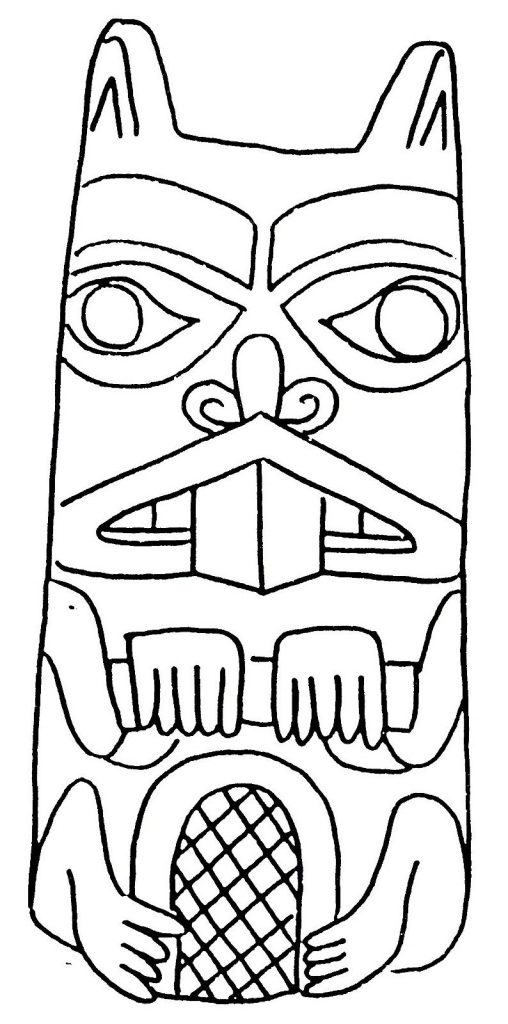
A growing collection of high-resolution coloring sheets — animals, cartoon characters, holidays, and more. Print and enjoy at home or in the classroom.
Explore the CollectionWelcome
Coloring Fun for Every Child
presentcontemporaryart brings together an extensive library of free printable coloring pages. From friendly giraffes and adventure-time characters to seasonal holiday sheets, there is something here to spark every child's creativity. All pages are easy to download and print at high resolution — perfect for rainy afternoons, classroom activities, or quiet time at home.
Animals & Nature
Giraffes, goldfinches, orioles, and woodland creatures — a wide selection of animal coloring pages for young nature lovers.
Cartoon Characters
Adventure Time, Land Before Time, Justin Time, and more beloved characters ready to be brought to life with color.
Holidays & Seasons
Halloween, New Year, and seasonal coloring sheets to celebrate special times throughout the year.
Coloring Pages That Teach Children About Healthy Foods
Food choices become easier to understand when children can see, name, and explore them. Printable coloring pages turn fruits, vegetables, grains, and other nutritious foods into familiar creative subjects rather than abstract ideas on a plate.
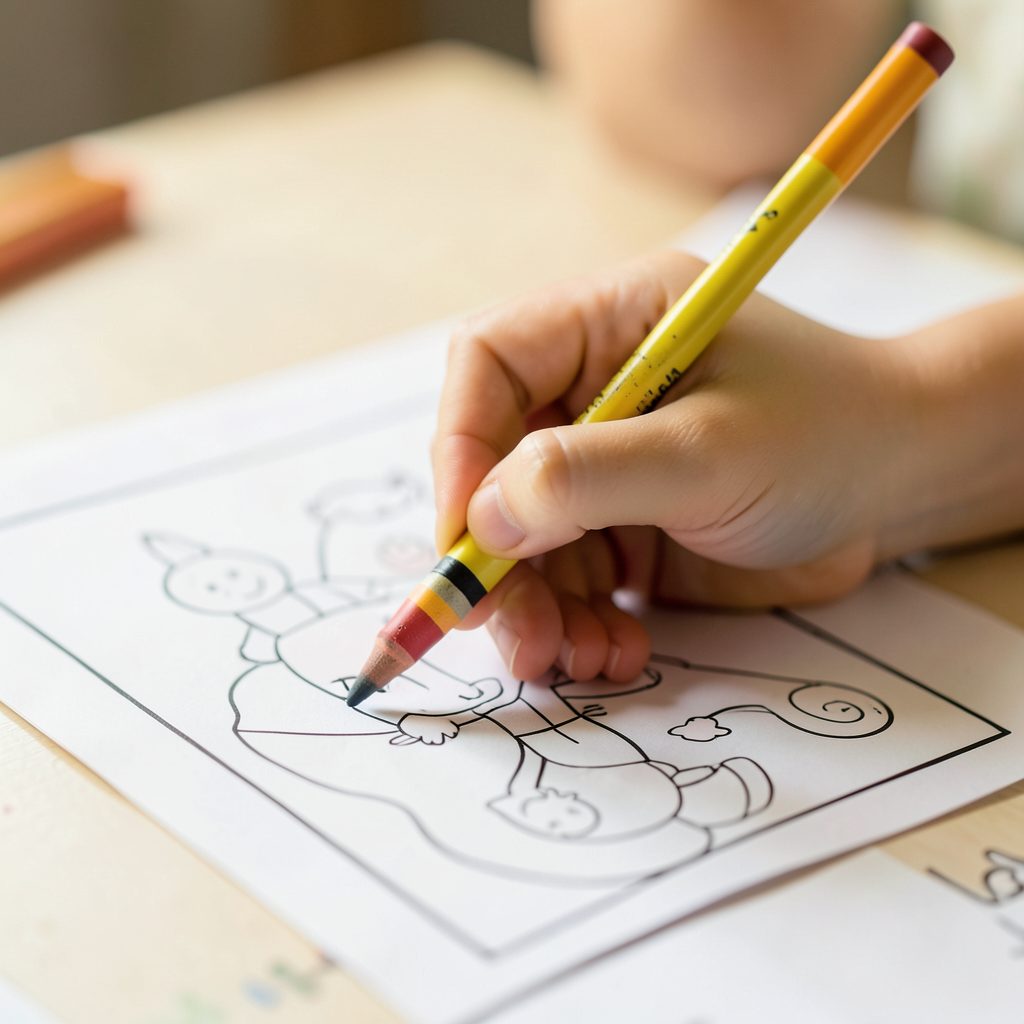
A child may learn the name of a food while coloring a bright orange carrot, compare the colors of berries, or notice that leafy greens come in several shapes. These small discoveries support early nutrition education while strengthening vocabulary, focus, and fine motor skills.
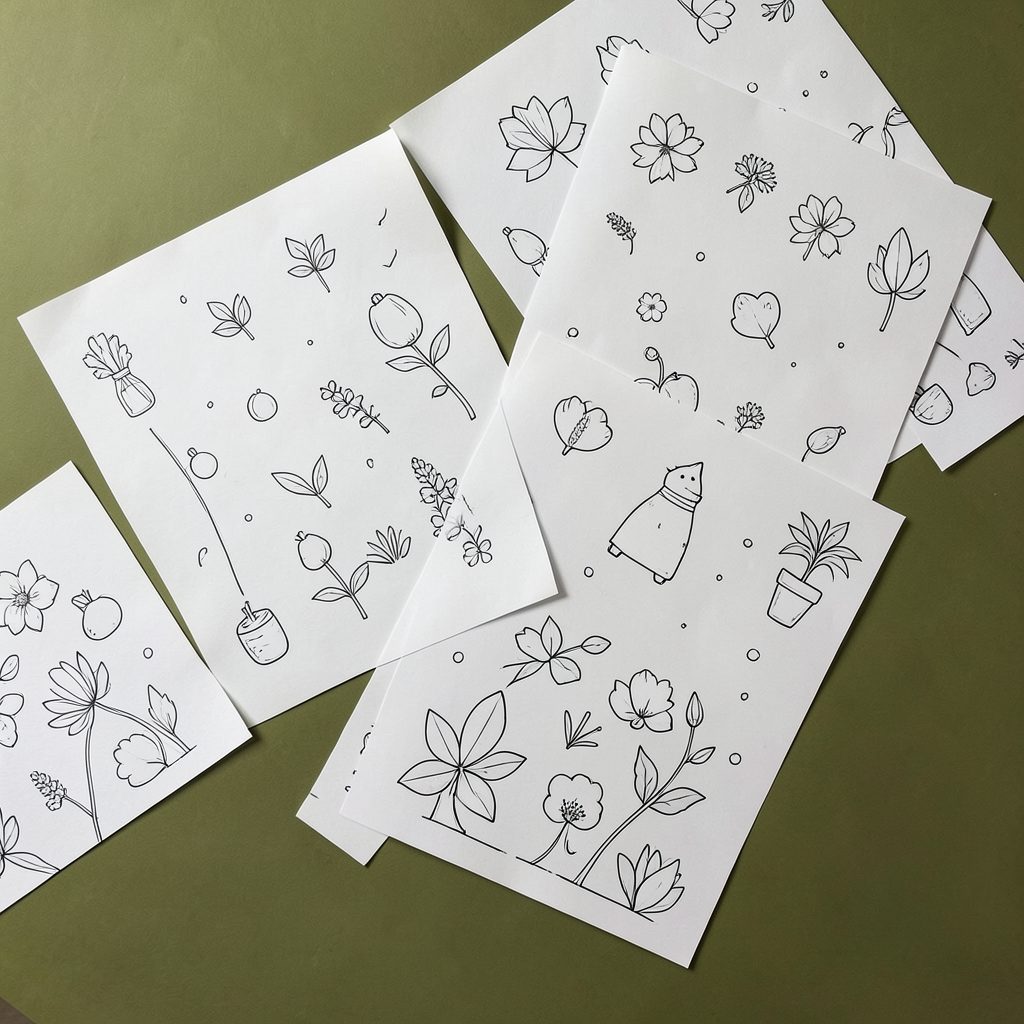
Present Contemporary Art offers free printable pages that families, teachers, and activity leaders can use without registration. Healthy food illustrations can fit into a quiet afternoon at home, a classroom lesson, or a themed creative activity.
Why food coloring pages support learning
Coloring gives children time to look closely at food shapes and details. A banana, tomato, avocado, or watermelon becomes an image they can recognize and discuss. This visual connection can make unfamiliar foods feel more approachable.
The activity also encourages children to sort foods by color, texture, size, or plant part. They may group green vegetables together, identify foods with seeds, or compare round fruits with long vegetables. These simple exercises combine art with early science and classification skills.
Build nutrition vocabulary through pictures
Healthy food coloring sheets introduce useful words in a natural setting. Children can learn terms such as fruit, vegetable, grain, protein, dairy, fresh, crunchy, sweet, and juicy while working on an illustration. Older children can label each picture or write a short sentence about it.
Adults can add gentle prompts during the activity. Ask children to name the food, describe its color, or explain how it might be eaten. Conversations about a balanced meal, seasonal produce, and drinking water can grow from the artwork without turning creative time into a formal lecture.
Connect each page with a learning goal
A printable food activity can support different ages and subjects. Preschool children may practice color recognition and basic naming, while elementary students can explore food groups, gardens, recipes, and healthy meal planning.
| Learning goal | Suitable food examples | Creative activity |
|---|---|---|
| Recognize fruits and vegetables | Apples, carrots, peas, oranges | Color and sort by category |
| Practice descriptive language | Strawberries, corn, broccoli | Add words for color, shape, and texture |
| Explore plant growth | Tomatoes, pumpkins, beans | Draw roots, stems, leaves, and produce |
| Plan a balanced meal | Grains, vegetables, fruit, protein | Create a healthy plate collage |
| Learn about seasons | Berries, squash, leafy greens | Use colors linked to spring, summer, fall, or winter |
Teachers can place finished pages on a bulletin board organized by food group or season. At home, children can use their pictures to create a pretend grocery list or a colorful menu for a family meal.
Turn coloring into a conversation
Food-themed coloring is especially useful for introducing variety without pressure. Children can talk about foods they already enjoy and foods they would like to smell, touch, or taste someday. The goal is curiosity and familiarity, rather than demanding that every child immediately accept a new food.
A simple “color and tell” activity works well. After finishing a page, a child can share where the food grows, what it feels like, or which meal might include it. This approach gives children a chance to express preferences while learning that nutritious meals can include many different ingredients.
Use printable pages in different settings
At home, parents can pair a coloring sheet with a trip to the market, a garden visit, or a simple cooking project. A page featuring vegetables might lead to washing produce, preparing a salad, or counting ingredients. The artwork then becomes part of a wider hands-on experience.
In classrooms, food illustrations can support lessons about health, gardening, culture, and the environment. Students may color foods from different regions, design a farmers market, or create a class recipe book. When several children contribute, the activity also encourages sharing and respectful discussion about family meals.
For questions about available categories or printable resources, families and educators can contact the team. A quick message can help identify pages suited to a particular classroom theme or creative project.
Make healthy choices part of art time
A few simple practices can make each activity more engaging:
- Offer a mix of familiar foods and new ingredients to encourage curiosity.
- Invite children to use realistic colors first, then experiment with imaginative designs.
- Add labels, food group names, or short facts for extra literacy practice.
- Pair the finished page with tasting, gardening, shopping, or pretend cooking.
- Display the artwork where children can revisit the vocabulary and ideas.
Keep the tone positive and flexible. A child may want to color a strawberry purple or focus on one favorite food, and that creative freedom is part of the value of the activity. Healthy eating lessons work best when children feel interested, capable, and included.
Choose a few free printable food illustrations and make them part of the next creative session. With crayons, pencils, or markers, children can build nutrition vocabulary, explore the natural world, and develop a friendlier relationship with healthy foods.
Also Discover
A Legacy in Contemporary Art
Beyond coloring pages, presentcontemporaryart has a history as an association of art collectors and patrons — Associazione di Collezionisti e Mecenati. The organization promoted international exhibitions connecting Chinese, Italian, and international artists, with past events in Shanghai and Berlin.


Ready to Start Coloring?
Browse the full collection of free printable coloring pages — all just a click away.
View All Coloring Pages