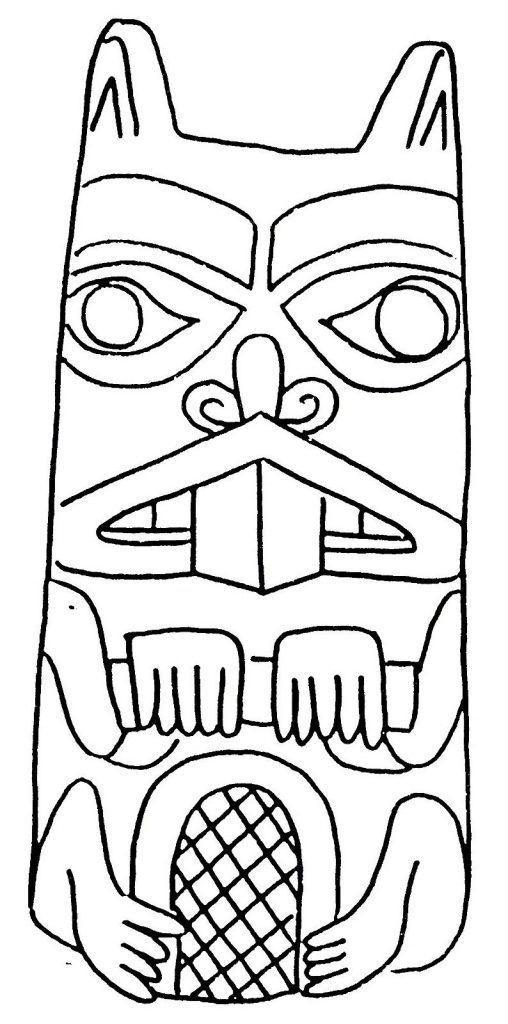
A growing collection of high-resolution coloring sheets — animals, cartoon characters, holidays, and more. Print and enjoy at home or in the classroom.
Explore the CollectionWelcome
Coloring Fun for Every Child
presentcontemporaryart brings together an extensive library of free printable coloring pages. From friendly giraffes and adventure-time characters to seasonal holiday sheets, there is something here to spark every child's creativity. All pages are easy to download and print at high resolution — perfect for rainy afternoons, classroom activities, or quiet time at home.
Animals & Nature
Giraffes, goldfinches, orioles, and woodland creatures — a wide selection of animal coloring pages for young nature lovers.
Cartoon Characters
Adventure Time, Land Before Time, Justin Time, and more beloved characters ready to be brought to life with color.
Holidays & Seasons
Halloween, New Year, and seasonal coloring sheets to celebrate special times throughout the year.
Coloring Pages for Teaching the Alphabet Step by Step
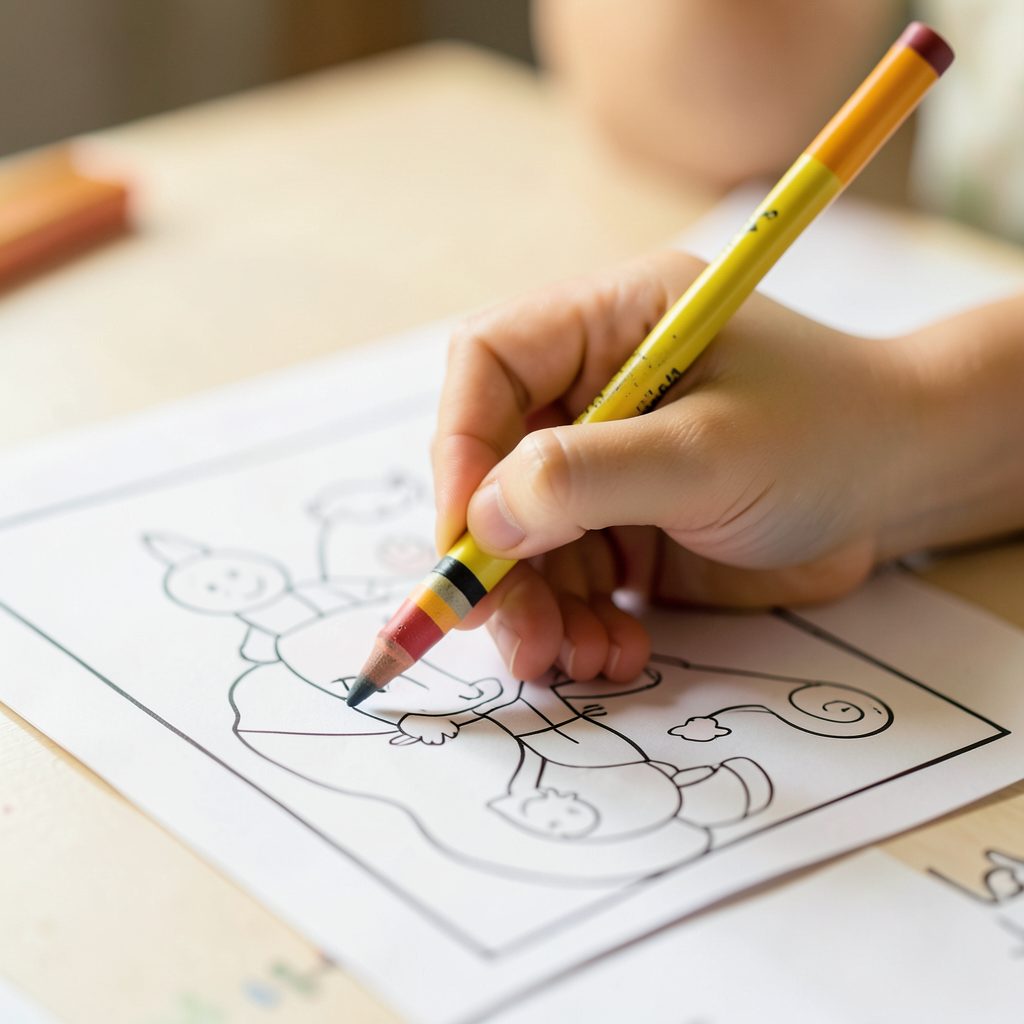
Coloring pages for teaching the alphabet step by step can make letter learning feel playful rather than worksheet-like. A child can meet a symbol, hear its sound, colour a related picture and revisit the same letter through repetition. The aim is a genuine connection between print, speech and meaning.
A useful sequence moves from recognition to sound, then to letter formation and word reading. Young learners need several small encounters with each letter, so short pages are often more valuable than a crowded sheet. The same child may colour one page, trace another and use a third in a matching game.
This approach suits Australian early-learning settings, where oral language, phonological awareness and early writing are taught together. The Early Years Learning Framework supports play-based learning, while the Australian Curriculum and state or territory school curriculum documents guide literacy teaching. Teachers can adapt printable resources to the children and communities in their classes.
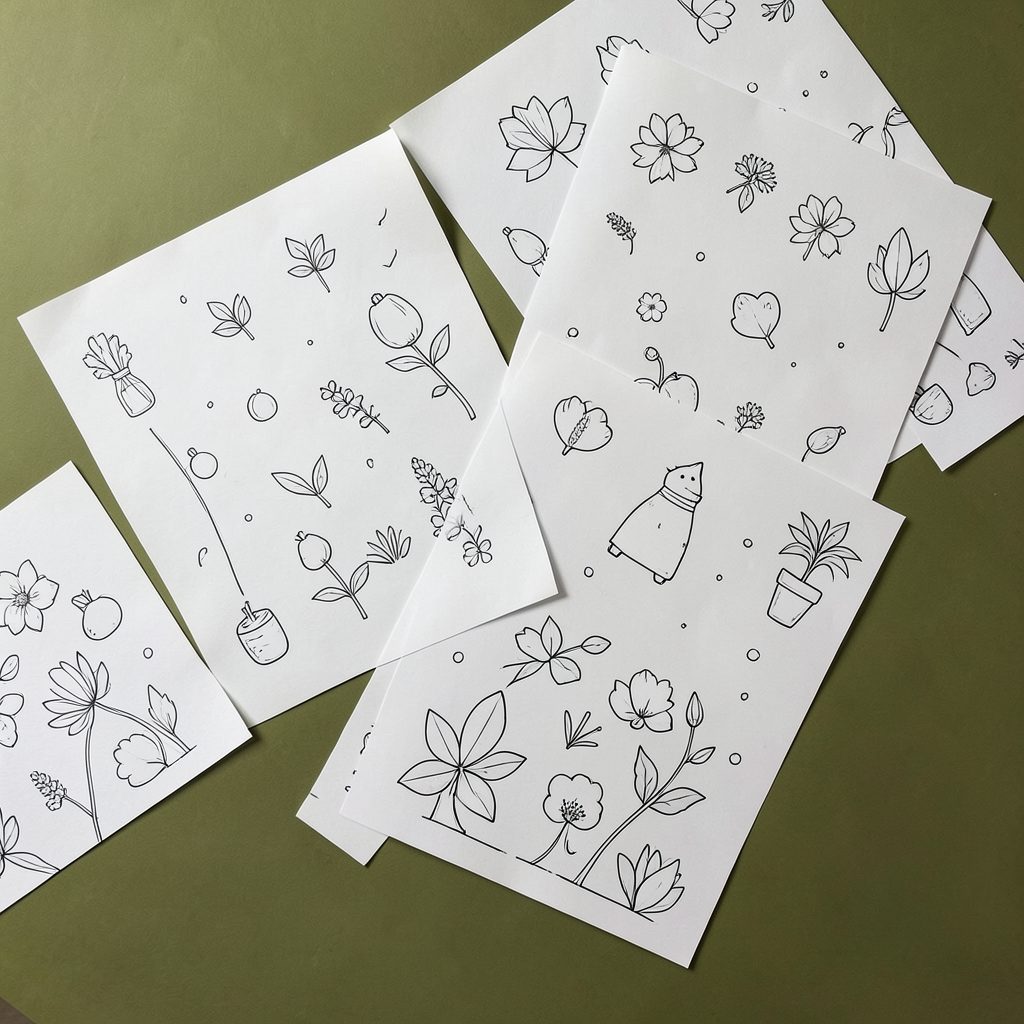
Present Contemporary Art offers free printable colouring pages across animals, nature, cartoons, sports, holidays and seasonal themes. They can be downloaded without registration for home, classroom or creative use, making the sequence easy to begin with an existing printer and a box of crayons.
| Learning stage | Page design | Main outcome | Simple activity |
|---|---|---|---|
| Recognition | One bold uppercase and lowercase pair | Identifies the letter | Circle the matching letter |
| Sound awareness | A familiar object beginning with the sound | Connects print with speech | Say the sound and colour the picture |
| Letter formation | Large outlines, arrows or guide dots | Develops pencil control | Trace, then complete the letter |
| Word connection | A letter paired with a short word | Begins reading together | Match the letter, word and picture |
Start with sounds and letter names
Begin with pages that feature one clear uppercase and lowercase letter beside a familiar picture. Children can say the letter name, identify its sound and talk about the object before colouring. This gives them several ways to remember the symbol without expecting fluent reading.
Keep the first stage playful. A child might hunt for matching letters on the page, stamp the target letter with a sponge or point to it around the room. The letter should be revisited in different activities so that recognition becomes stronger than a single visual memory.
Build recognition through repeated play
Choose animal and nature images that offer memorable starting sounds, such as a koala for K, a magpie for M or a gum leaf for G. Cartoon characters and vehicles work equally well when they are familiar and the associated sound is clear. Avoid images with complicated names that may distract from the target sound.
Repetition works better when each encounter feels different. Colour one version of the letter, play a matching game with another and cut a third into cards. Teachers who want extra prompts can also use the ideas in alphabet practice resources to extend the same activity.
Move from colouring to letter formation
Once recognition is secure, shift part of the attention from colour to pencil control. Large outlined letters with arrows or starting dots let children trace the shape, practise a single stroke and then complete the letter independently. The picture should remain light enough that the writing lines stay visible.
Australian schools may teach print handwriting, joined handwriting or a combination of both, depending on the state, territory and school. Check the expected classroom approach before using model letters, and let children use the materials most commonly used by their peers. Short tracing sessions are more useful than forcing a tired hand to continue.
Connect letters with meaningful words
Add a simple word after the child can recognise the letter confidently. Choose a short word with a clear initial sound, such as “sun” for S, “fish” for F or “bird” for B. Colouring the initial letter separately from the picture can show where the word begins.
Personal connections make practice memorable. Children can find letters in their names, family names or the name of their suburb. Familiar Australian landmarks such as the Sydney Opera House, the Australian War Memorial or a local football club also provide useful vocabulary while linking alphabet learning with everyday experience.
Fit practice into Australian routines
Many Australian families build quiet activities around the school run, dinner time or weekend mornings. Public libraries in Sydney, Melbourne, Brisbane, Perth and regional centres can provide computers and printing facilities, while some branches run regular children’s craft sessions. Even ten minutes at home can be enough for one page and a short conversation about its letter.
The local market is well suited to inexpensive preparation materials. Coles and Woolworths commonly stock basic art supplies, while Officeworks, independent newsagents and local stationery shops carry printer paper, folders and laminating pouches. A small set of recycled cardboard cards can also become letter-matching resources for travel or waiting-room practice.
Children in regional and remote communities may have intermittent internet access or live far from a dedicated activity centre. Downloadable pages can therefore be prepared during a reliable connection and printed at home, at school or through a community library. Keeping several completed examples in a folder helps maintain continuity between learning sessions.
Keep practice simple and measurable
Observe progress through everyday play rather than formal tests. Notice whether the child can identify the letter, say its sound, complete the formation and connect it with a word. Record these observations briefly, then revisit letters that need more practice. Colouring time should remain enjoyable even when a skill is developing.
Because printable artwork may be copied for classroom use, teachers should check the source and permissions under the Copyright Act 1968 (Cth) rather than assuming every downloaded image can be republished. Keep copies within the stated licence, credit the creator where requested and follow school policies. Used this way, a small collection of themed pages can support a calm and repeatable alphabet routine at home or in an Australian classroom.
Also Discover
A Legacy in Contemporary Art
Beyond coloring pages, presentcontemporaryart has a history as an association of art collectors and patrons — Associazione di Collezionisti e Mecenati. The organization promoted international exhibitions connecting Chinese, Italian, and international artists, with past events in Shanghai and Berlin.

Ready to Start Coloring?
Browse the full collection of free printable coloring pages — all just a click away.
View All Coloring Pages