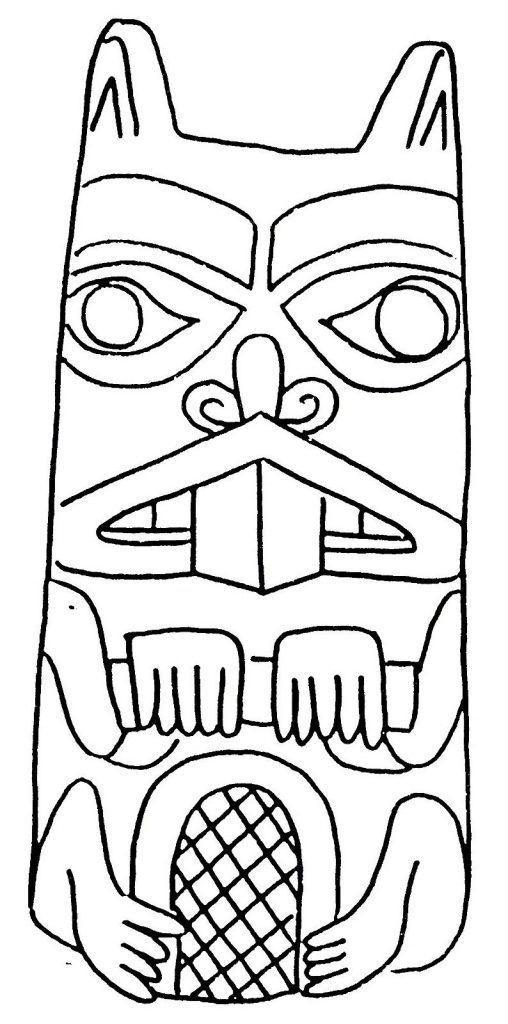
A growing collection of high-resolution coloring sheets — animals, cartoon characters, holidays, and more. Print and enjoy at home or in the classroom.
Explore the CollectionWelcome
Coloring Fun for Every Child
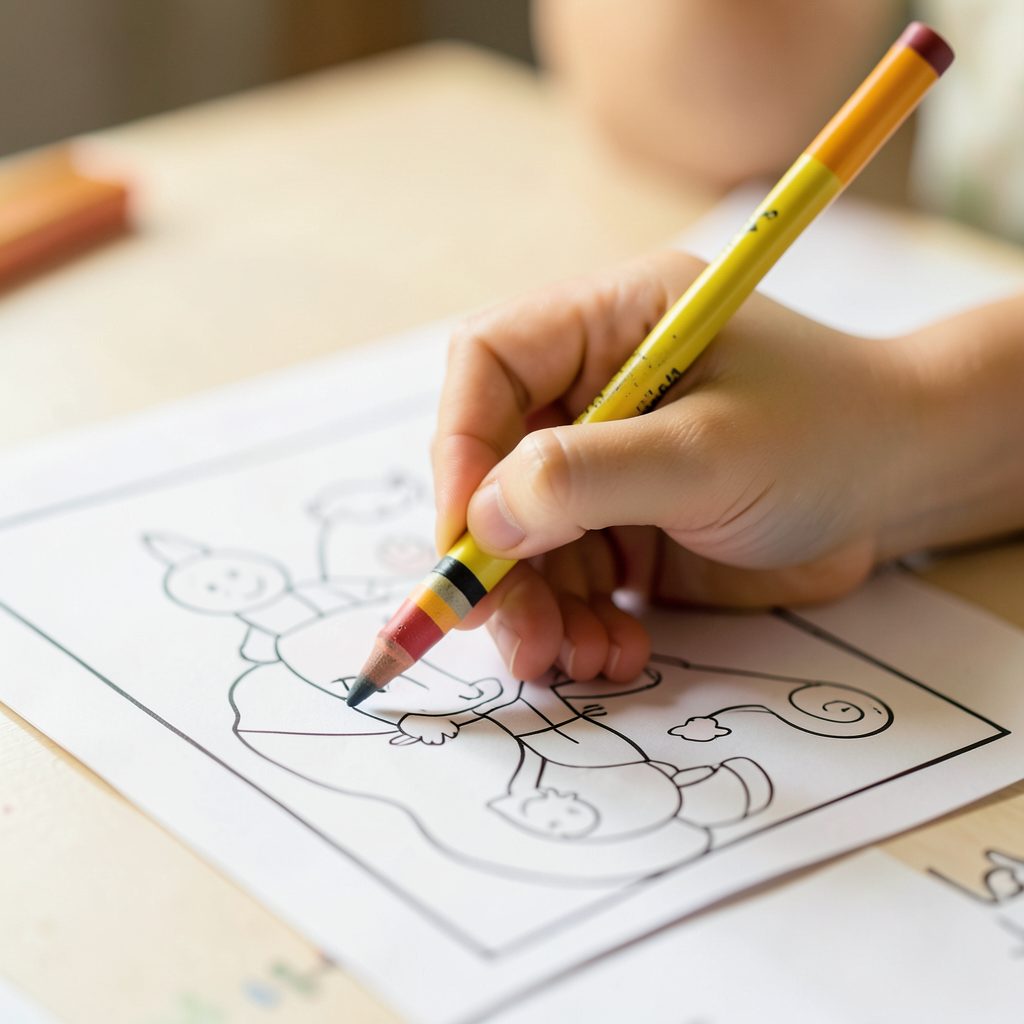
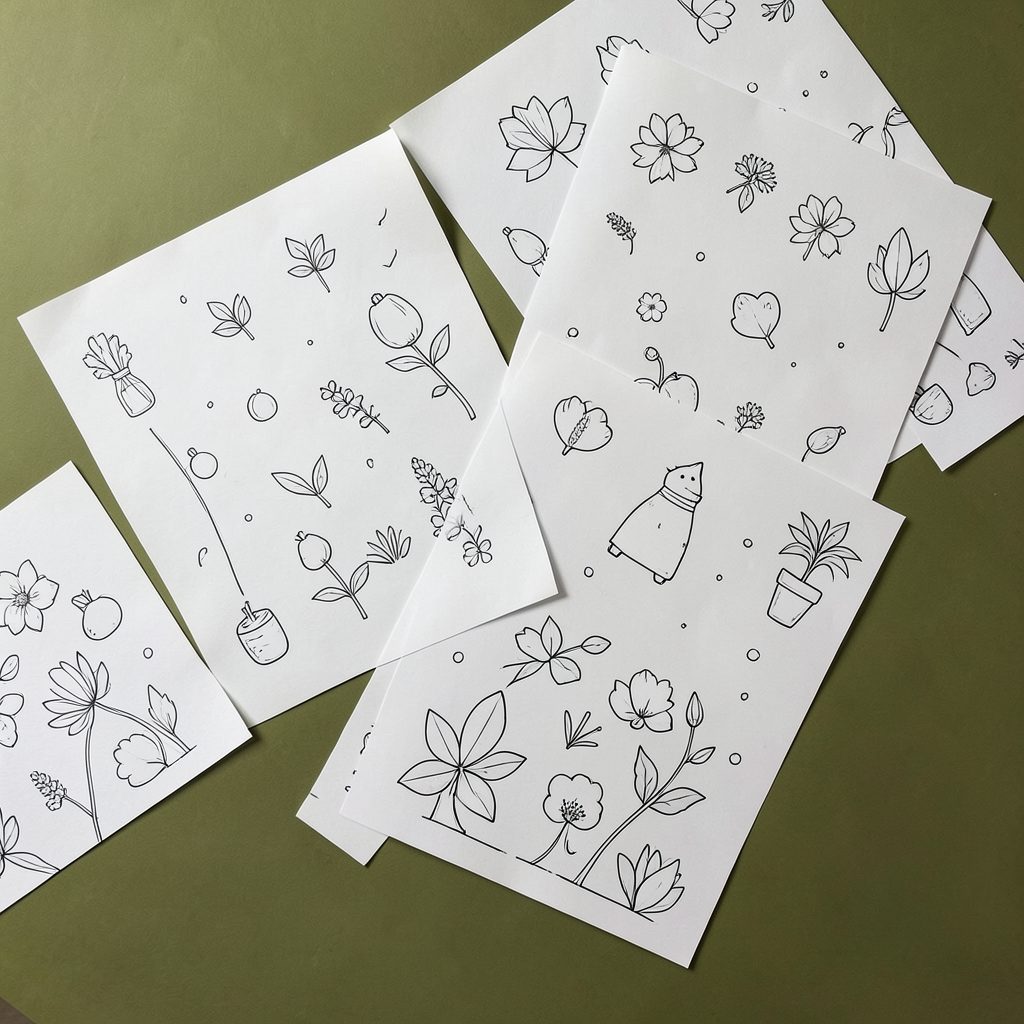
presentcontemporaryart brings together an extensive library of free printable coloring pages. From friendly giraffes and adventure-time characters to seasonal holiday sheets, there is something here to spark every child's creativity. All pages are easy to download and print at high resolution — perfect for rainy afternoons, classroom activities, or quiet time at home.
Animals & Nature
Giraffes, goldfinches, orioles, and woodland creatures — a wide selection of animal coloring pages for young nature lovers.
Cartoon Characters
Adventure Time, Land Before Time, Justin Time, and more beloved characters ready to be brought to life with color.
Holidays & Seasons
Halloween, New Year, and seasonal coloring sheets to celebrate special times throughout the year.
Colouring Pages for Teaching Patterns and Sequencing
Colouring pages can support more than quiet creative time. When pictures repeat colours, shapes or actions in a predictable order, children learn to identify what comes next, extend a sequence and explain why one item follows another. The combination of visual maths and familiar colouring-in makes these activities engaging for early learners, busy primary classrooms and children who enjoy making things by hand.
Present Contemporary Art offers free printable pages across animals, cartoons, sports, holidays and seasonal themes, with no registration needed. Adults can choose a design, print it at home and use it in a classroom. Australian families can also connect the work to familiar events such as Easter egg hunts, summer activities and Christmas in December.
| Activity | Pattern focus | Sequence focus | Best for |
|---|---|---|---|
| Alternating animals | AB and AAB patterns | Predicting the next animal | Pattern practice |
| Growing shapes | Increasing size or number | Finding the missing step | Early maths |
| Sports sequence | Repeated equipment | Ordering actions | Movement and language |
| Holiday story | Repeating decorations | Beginning, middle and end | Seasonal discussion |
Recognising and extending visual patterns
Begin with a clear unit, such as dingo–koala–dingo–koala. Ask the child to point to the repeated pair before colouring it. The important feature is not colour alone: shape, position or number should carry the pattern, so the task still works for children who use different colours or leave parts uncoloured.
Once the pair is secure, try ABB, AAB or a pattern that grows from one shape to three. A child can cover the final picture, predict it and check the answer against the printed example. For a related winding-down activity, families can pair the worksheet with a creative prompt from Cambridge Nights and extend the same motif on scrap paper.
Sequencing pictures into meaningful order
Sequencing asks a different question: what happens first, next and last? A sports page might show a child picking up a ball, kicking it and scoring a goal. Numbering those frames turns a fun illustration into a simple narrative and lets children retell the event using words such as before, after and then.
Start with three pictures, then increase the difficulty by hiding one frame or removing a numbered label. Transport scenes work well because they have a natural route, while holiday pages can show preparing decorations, opening a present and enjoying a meal. More than one order can sometimes be sensible, so accept a child’s explanation when the images support it.
Choosing pages for age and learning goals
Younger children usually benefit from two-step patterns, large outlines and plenty of white space. Older students can use increasingly complex units, missing terms and stories with several characters. Teachers can print one page in colour and another in black and white, then ask children to colour, sequence or invent a new version depending on the learning goal.
The free, no-sign-up format suits the Australian market, particularly for families and teachers who need inexpensive resources quickly and can print at home or through a school office. A4 sizing also fits common Australian printers. Thick lines, simple directions and optional cut-out strips can make the activities more accessible for children developing fine-motor control.
Connecting patterns with Australian life
Everyday routines provide ready-made examples. A child can arrange pictures of breakfast, school, play and bedtime, then repeat key items across a day. Seasonal changes offer another local context, including Christmas in December, Easter egg hunts and the warmer-weather routines of an Australian summer.
Transport creates a strong local sequence because Australian vehicles keep to the left. A child might order a Sydney bus, Melbourne tram and Brisbane bus while checking that traffic keeps to the left. Community sports add more material: cricket, Australian rules football, netball and surf lifesaving can each become a repeated pattern or short action sequence.
Two menus for print-and-play learning
These short menus offer a quick choice by goal. Use one prompt at a time, invite the child to explain their thinking, and keep the session playful rather than turning every page into a test.
Pattern investigations
- Repeat a two-step motif with stamps, stickers or objects from a craft box.
- Cover one shape and predict whether an AB or AAB pattern comes next.
- Make a growing line using cups, blocks or recycled cardboard circles.
Sequence challenges
- Order three snapshots from a familiar daily routine.
- Draw the missing middle event in a four-frame story.
- Retell a sports or holiday scene with first, next and last.
Invite the child to colour the page first, then point to the pattern unit or number the sequence. Follow with a movement version: clap on repeated beats, hop through the frames or act out the story. Recording observations in a classroom can show whether a child recognises the unit, predicts accurately and explains the order.
Successful pattern work is visible in the explanation rather than in the colour choice alone. Successful sequencing is visible when the child can justify an order or retell the event. With free downloads and minimal preparation, these pages fit neatly into Australian family activity time, home learning and classroom rotation activities.
Also Discover
A Legacy in Contemporary Art
Beyond coloring pages, presentcontemporaryart has a history as an association of art collectors and patrons — Associazione di Collezionisti e Mecenati. The organization promoted international exhibitions connecting Chinese, Italian, and international artists, with past events in Shanghai and Berlin.



Ready to Start Coloring?
Browse the full collection of free printable coloring pages — all just a click away.
View All Coloring Pages