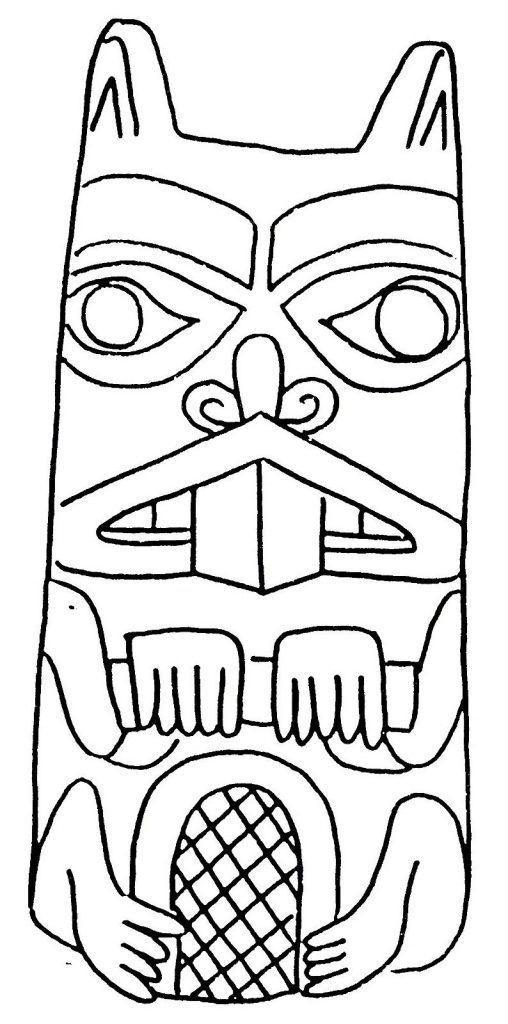
A growing collection of high-resolution coloring sheets — animals, cartoon characters, holidays, and more. Print and enjoy at home or in the classroom.
Explore the CollectionWelcome
Coloring Fun for Every Child
presentcontemporaryart brings together an extensive library of free printable coloring pages. From friendly giraffes and adventure-time characters to seasonal holiday sheets, there is something here to spark every child's creativity. All pages are easy to download and print at high resolution — perfect for rainy afternoons, classroom activities, or quiet time at home.
Animals & Nature
Giraffes, goldfinches, orioles, and woodland creatures — a wide selection of animal coloring pages for young nature lovers.
Cartoon Characters
Adventure Time, Land Before Time, Justin Time, and more beloved characters ready to be brought to life with color.
Holidays & Seasons
Halloween, New Year, and seasonal coloring sheets to celebrate special times throughout the year.
Colouring pages that make opposites and comparisons visible
Coloring pages for teaching opposites and comparisons turn abstract ideas into visible choices. A child can colour a tiny bird beside a large one, circle the taller tree, or match wet boots with dry sandals. The activity combines language, fine-motor control and early reasoning without feeling like a test.
Opposites such as big and small, full and empty, open and shut, and hot and cold anchor new words. Comparisons add another layer: which has more leaves, which comes first, and which shape is different? These prompts build vocabulary and confidence.
Present Contemporary Art provides free printable colouring pages across animals, nature, cartoons, sport, holidays and seasonal designs. Adults can download and print without registration for home or classroom use. The no-subscription approach suits Australian family budgets, learning centres and community groups.
Strong designs offer clear contrasts without distracting detail. Educators can connect them to familiar places such as Bondi Beach, Melbourne laneways and the Daintree, while choosing subjects and wording that respect the people and landscapes shown.
| Opposite or comparison | Visual feature to focus on | Prompt to use |
|---|---|---|
| Big and small | One object is visibly larger | Which is bigger? |
| Tall and short | Heights share a clear baseline | Which is taller? |
| More and less | Items are easy to count | Which has more? |
| Wet and dry | Texture and colour show the change | Which is wetter? |
Why opposites fit early learning
Young children often understand a concept before they can define it. An open box beside a closed box makes a label meaningful when the child can point, colour and repeat it.
Opposites also show that objects can change. A sleeping cat becomes awake; an empty cup becomes full. This encourages children to consider several possibilities rather than search for one fixed picture.
Invite children to explain their choice with a short phrase. Their answers offer an informal check on understanding and give adults vocabulary to revisit during stories or play.
Choosing pictures children can read at a glance
Choose illustrations with bold outlines, familiar objects and one main difference to notice. Busy scenes suit older children who can hold several details in mind; younger children need fewer distractions.
Print one concept per page for beginners, then place two concepts together to create a comparison task. Test a sample first: if children identify the difference immediately, the page has enough visual clarity.
In much of Australia, Christmas falls in summer and Easter in autumn, so seasonal opposites feel especially useful. Hot and cool, sunny and rainy, or beach and bush scenes can replace unfamiliar northern-hemisphere examples.
Using Australian scenes and everyday language
Local settings make talk more meaningful. At Bondi Beach, children can compare small and large surfboards; among Melbourne laneways, they can find tall and short buildings; in Daintree scenes, they can contrast broad and narrow leaves.
Australian everyday speech adds another layer. Try arvo for afternoon, footy for Australian rules football, and colour rather than color. Familiar words help children join in while learning precise comparisons such as nearer, higher or fewer.
Families wanting more nature material can also browse environmental colouring pages for supplementary pictures. Choose a local scene for discussion, then avoid implying that every bushland, coastline or wetland looks the same.
Turning downloads into talking and sorting activities
Turn each download into a sequence: look, name both choices, colour the selected item, then give a reason. This routine keeps the comparison active and prevents colour choice alone from becoming the answer.
In Australian classrooms, teachers can print the same design for small groups, individual folders or take-home extension tasks. The free, registration-free library supports busy government, Catholic and independent school settings without a paid platform.
At home, children can match opposites with nearby objects, such as shoes, spoons or open and closed windows. The printable page then anchors the game and gives grown-ups a shared prompt for conversation.
Extending comparisons beyond pictures
Comparisons transfer readily into maths. Count items on a page, identify the larger group, order objects from small to large, or sort shapes by curved and straight edges. One drawing can support several levels of difficulty.
Science links become natural too. Ask whether a habitat is wet or dry, an animal awake or asleep, or which plant has more green. Children can check answers against the illustration rather than recall isolated facts.
Sport pages offer familiar Australian options. Children can compare a cricket bat and ball, rugby and football shapes, netball positions or team sizes, using the broad sports themes available in the library.
Simple prompts that grow with children
Begin with two-word contrasts such as up and down or in and out. When children are ready, extend prompts to why, which one and what changed, requiring a sentence rather than a single-word answer.
Keep questions open enough for more than one observation. Instead of asking which object is best, ask which is heavier-looking, which pattern repeats, or which two objects belong together. Evidence matters more than speed.
Adjust print size and wording for the children using the pages. Larger blocks and fewer choices support emerging readers, while extra details can challenge confident writers. Colouring should invite exploration, not test reading.
A reusable weekly practice
A weekly pattern can keep the learning light: choose one animal page, one everyday object page and one seasonal or Australian scene. Revisit the same opposite pair across all three so the words become familiar.
Rotate the activity rather than repeating identical worksheets. Swap the colours, reverse which item is correct, or ask children to invent a missing opposite. This variation protects attention and reinforces flexible thinking.
Keep a brief note of new words children use without prompting. Those expressions show where to focus next, whether with another printable page, a story, a walk around the neighbourhood or a simple sorting game.
Also Discover
A Legacy in Contemporary Art
Beyond coloring pages, presentcontemporaryart has a history as an association of art collectors and patrons — Associazione di Collezionisti e Mecenati. The organization promoted international exhibitions connecting Chinese, Italian, and international artists, with past events in Shanghai and Berlin.

Ready to Start Coloring?
Browse the full collection of free printable coloring pages — all just a click away.
View All Coloring Pages