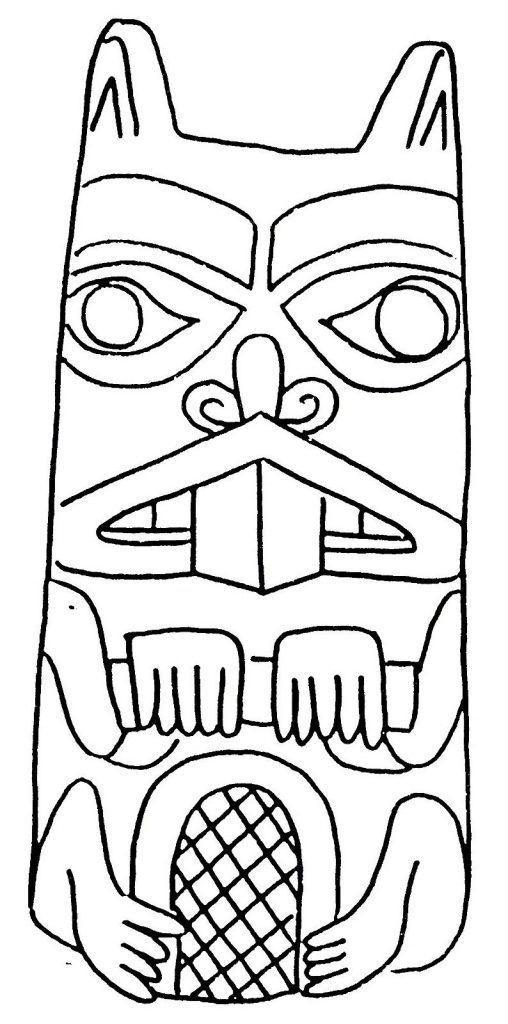
A growing collection of high-resolution coloring sheets — animals, cartoon characters, holidays, and more. Print and enjoy at home or in the classroom.
Explore the CollectionWelcome
Coloring Fun for Every Child
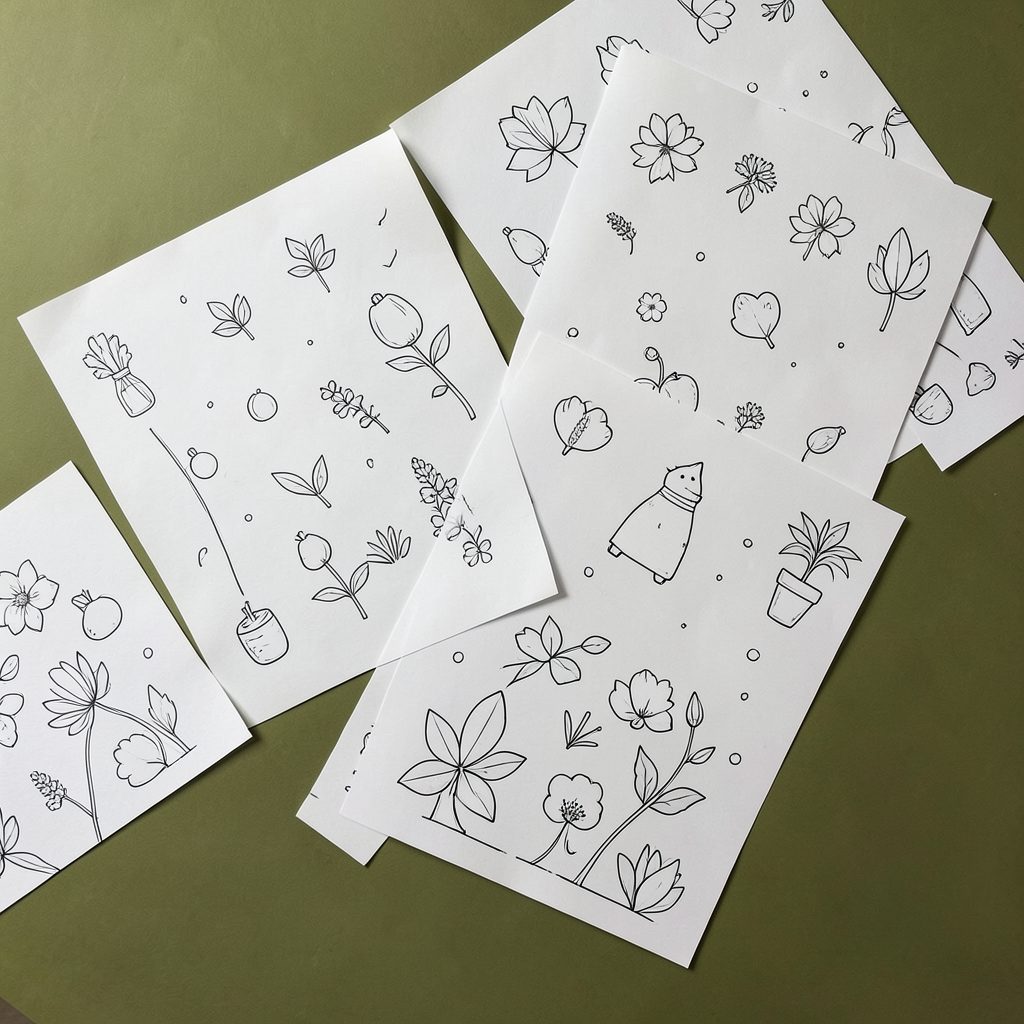
presentcontemporaryart brings together an extensive library of free printable coloring pages. From friendly giraffes and adventure-time characters to seasonal holiday sheets, there is something here to spark every child's creativity. All pages are easy to download and print at high resolution — perfect for rainy afternoons, classroom activities, or quiet time at home.
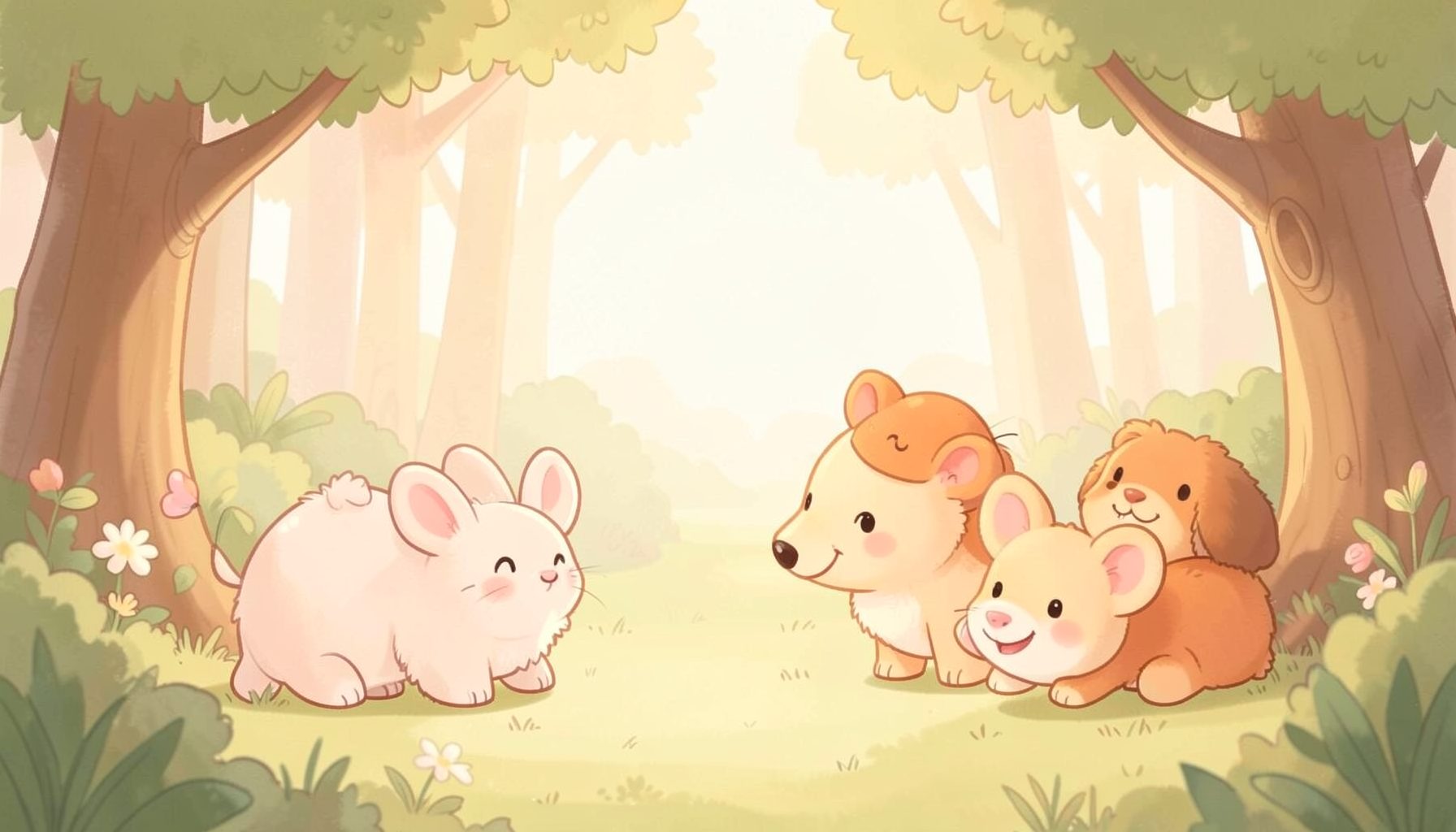
Animals & Nature
Giraffes, goldfinches, orioles, and woodland creatures — a wide selection of animal coloring pages for young nature lovers.
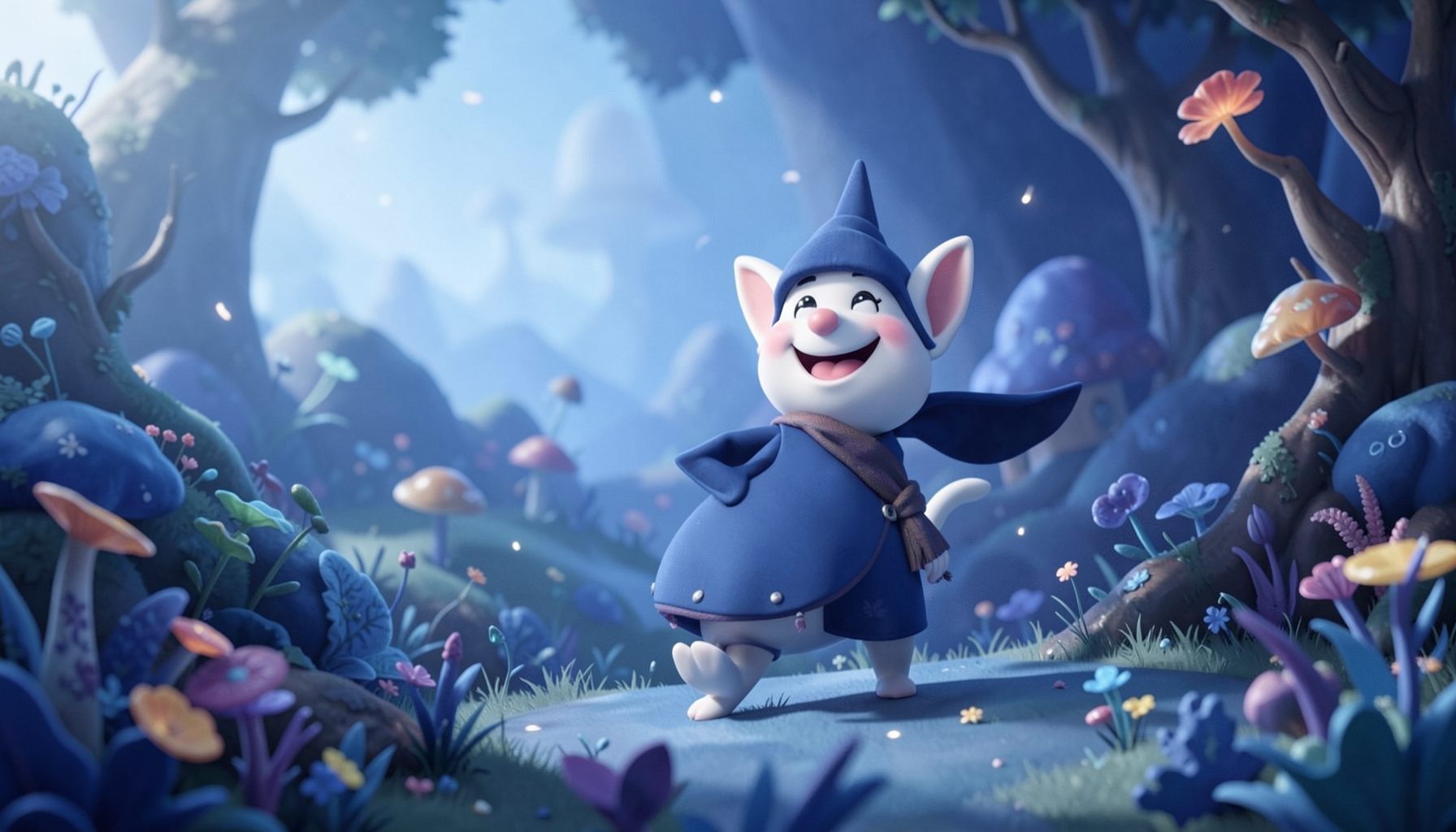
Cartoon Characters
Adventure Time, Land Before Time, Justin Time, and more beloved characters ready to be brought to life with color.
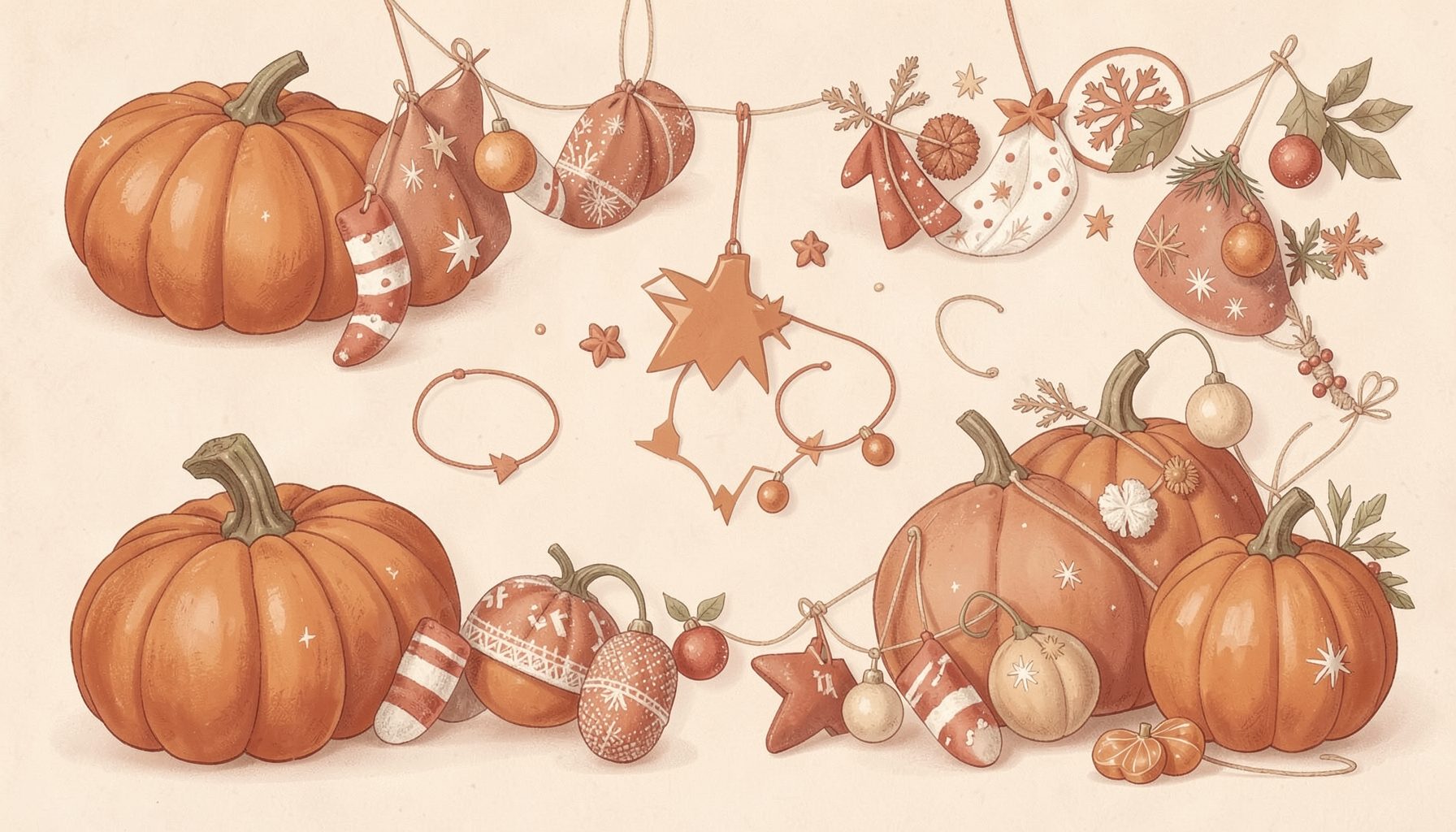
Holidays & Seasons
Halloween, New Year, and seasonal coloring sheets to celebrate special times throughout the year.
Coloring pages for teaching kids about the moon and stars
The night sky gives children a fascinating way to explore science, language, and imagination. The moon changes shape, stars appear in patterns, and planets travel through space far beyond ordinary reach. Printable activities make these ideas easier to see, discuss, and remember.
Present Contemporary Art offers a broad collection of free coloring pages for children, including space-inspired designs that can support learning at home or in the classroom. Families and educators can download and print pages without registration, then combine coloring with books, observations, and simple science conversations.
A moon and stars activity can suit many ages and learning styles. Young children may focus on identifying shapes and colors, while older students can label phases of the moon, compare celestial objects, or create a short story about a journey through the solar system.
Why sky themes matter
Coloring helps children slow down and examine an image carefully. As they fill in a crescent moon, constellation, rocket, or star-filled sky, they can practice hand control and visual attention. These quiet tasks are especially useful after a lively science demonstration or group discussion.
Space pictures also encourage curiosity. A child may ask why the moon shines, whether stars are all the same size, or why the sky looks different during the day. Adults do not need to provide every answer immediately; a coloring sheet can become the starting point for research, observation, and imaginative thinking.
Build simple astronomy vocabulary
Use printable coloring pages to introduce words such as moon, star, planet, orbit, crater, telescope, astronaut, constellation, and night sky. Say each term aloud and connect it to a visible detail in the illustration. Repetition during a relaxed creative activity can make unfamiliar vocabulary easier to remember.
For early learners, choose two or three words at a time. Ask children to point to the moon or find a star, then invite them to describe the picture with simple phrases. Older children can write labels, define new terms, or create captions that explain what is happening in the scene.
Match activities to learning goals
The same printable page can support different lessons depending on the questions that accompany it. A moon worksheet may lead to a conversation about lunar phases, while a constellation picture can inspire pattern recognition and storytelling. Coloring becomes more meaningful when children connect the artwork to a clear idea.
| Learning goal | Suitable page theme | Follow-up activity |
|---|---|---|
| Recognize space objects | Moon, stars, planets | Name and label each object |
| Learn lunar phases | Full, half, and crescent moons | Arrange phases in sequence |
| Practice observation | Night sky or telescope scene | Compare the picture with the real sky |
| Develop creativity | Astronaut or rocket design | Write a space adventure |
| Explore patterns | Constellations | Connect dots and invent a constellation name |
Keep the activity flexible rather than treating every picture as a test. Some children will enjoy accurate coloring, while others will prefer unusual colors and imaginative details. Both approaches can lead to useful discussion about what is scientifically observed and what belongs to creative expression.
Explore moon phases through art
The moon does not produce its own visible light; it reflects light from the sun. A child-friendly explanation can begin with a flashlight and a ball, followed by a coloring sequence showing the new moon, crescent, quarter, gibbous, and full moon. The pictures give children a visual reference for the changing illuminated portion.
Invite learners to place their colored moon images in order. They can draw arrows, add labels, or make a small foldable booklet. This activity supports sequencing and memory while introducing the idea that the moon’s appearance changes according to its position relative to Earth and the sun.
Turn stars into observation projects
Stars are excellent subjects for combining art with outdoor observation. After coloring a starry sky page, children can look outside in the evening with an adult and describe what they notice. Weather, nearby lights, and the time of year may affect what is visible, which creates opportunities to compare observations.
A constellation page can lead to a discussion about patterns in the sky. Children can connect points, trace familiar shapes, and invent their own star pictures. Explain that constellations are patterns people have identified and named, while the individual stars may be separated by enormous distances.
Adapt the activity for different ages
Younger children benefit from large, uncluttered illustrations and short conversations. Let them choose crayons, identify basic shapes, and practice words such as bright, dark, round, and tiny. A short session can be enough to maintain interest and leave room for another activity.
Older learners can use coloring pages as part of a broader assignment. They might research a planet, label a diagram, compare the moon with Earth, or write a paragraph from the perspective of an astronaut. Children who find writing difficult can explain their ideas aloud or work with a partner.
Make a printable lesson routine
A predictable structure helps children understand that creative work and science belong together. Use free pages from Present Contemporary Art as a starting point, selecting an image that matches the age group and the day’s learning objective.
- Begin with one observation, such as the shape of the moon or the number of visible stars.
- Introduce two or three astronomy words before children start coloring.
- Add a hands-on element, such as a flashlight demonstration or constellation drawing.
- Invite children to label, describe, or narrate their finished picture.
- Display the artwork beside a related book, model, or night-sky observation record.
Save completed pages in a space-themed folder or classroom portfolio. Reviewing earlier work allows children to notice how their vocabulary, drawing skills, and scientific understanding develop over time.
Download printable moon and star coloring pages from Present Contemporary Art and turn a simple art session into an engaging exploration of the night sky. Use the illustrations for quiet learning, family activities, classroom displays, and creative space adventures.
Also Discover
A Legacy in Contemporary Art
Beyond coloring pages, presentcontemporaryart has a history as an association of art collectors and patrons — Associazione di Collezionisti e Mecenati. The organization promoted international exhibitions connecting Chinese, Italian, and international artists, with past events in Shanghai and Berlin.

Ready to Start Coloring?
Browse the full collection of free printable coloring pages — all just a click away.
View All Coloring Pages