A growing collection of high-resolution coloring sheets — animals, cartoon characters, holidays, and more. Print and enjoy at home or in the classroom.
Explore the CollectionWelcome
Coloring Fun for Every Child
presentcontemporaryart brings together an extensive library of free printable coloring pages. From friendly giraffes and adventure-time characters to seasonal holiday sheets, there is something here to spark every child's creativity. All pages are easy to download and print at high resolution — perfect for rainy afternoons, classroom activities, or quiet time at home.
Animals & Nature
Giraffes, goldfinches, orioles, and woodland creatures — a wide selection of animal coloring pages for young nature lovers.
Cartoon Characters
Adventure Time, Land Before Time, Justin Time, and more beloved characters ready to be brought to life with color.
Holidays & Seasons
Halloween, New Year, and seasonal coloring sheets to celebrate special times throughout the year.
Colouring pages for teaching kids about the continents
Colouring pages can turn a geography lesson into a hands-on learning experience. As children fill in maps, animals, landmarks and landscapes, they begin to connect continent names with places, climates and cultures. A simple printable activity can support vocabulary, observation and conversation without making the lesson feel like a worksheet drill.
Present Contemporary Art offers free colouring pages that families, teachers and activity leaders can download and print without registration. The collection includes nature scenes, animals, seasonal pictures, sports and familiar characters, making it easy to build a continent-themed session for a prep classroom, a home learning afternoon or a rainy-day arvo activity.
Making geography visible through art
Young children often understand geography more easily when they can see and touch an idea. A page showing an African savanna, an Antarctic penguin or an Asian rice field gives them a visual starting point for discussion. While colouring, they can practise words such as continent, country, ocean, climate, habitat and landmark.
The activity does not need to become a test of map accuracy. Ask children to find the continent on a classroom globe, identify nearby oceans or describe the weather they imagine. Older students can label a simple outline map, add a compass rose or write two facts beside their finished picture.
For Australian learners, local comparisons make the content more meaningful. A child in Perth might compare a dry African landscape with the Australian outback, while a class in Cairns could discuss how the Great Barrier Reef resembles other warm-water marine environments.
Choosing images that support respectful learning
The strongest worksheets combine a clear visual idea with an open-ended prompt. Animals are an accessible starting point: a koala can introduce Australia, a tiger can lead to a conversation about Asia, and a polar bear can help explain the Arctic, while also clarifying that the Arctic is not a continent.
Landmarks can add a sense of place, but they should be presented with care. Uluru, for example, is a significant cultural place for Anangu people, not simply a colourful rock to decorate. Teachers can explain that Indigenous knowledge and connection to Country are living traditions, and encourage children to learn from reliable Australian sources alongside a colouring activity.
Avoid pages that suggest every person on a continent shares one lifestyle, appearance or tradition. Use a range of landscapes, languages, animals and city scenes. This gives children a more accurate picture of the world and leaves room for curiosity rather than stereotypes.
| Continent | Useful visual focus | Learning prompt | Australian connection |
|---|---|---|---|
| Africa | Savanna animals, deserts or rainforest | How do habitats change across one continent? | Compare deserts with the Australian interior |
| Antarctica | Penguins, ice shelves and research stations | Why is Antarctica different from the Arctic? | Discuss Australia’s Antarctic research links |
| Asia | Mountains, cities, forests or monsoon scenes | How can one continent contain many climates? | Locate nearby Asian countries on a map |
| Europe | Historic buildings, forests or village scenes | How do people and places preserve history? | Compare old and new buildings in an Australian city |
| North America | Forests, canyons or city skylines | How do landforms affect daily life? | Compare national parks and urban centres |
| South America | Rainforest, Andes landscapes or llamas | What makes the Amazon important? | Discuss rainforest protection and biodiversity |
| Australia | Eucalypts, beaches, deserts or native animals | How varied is our own continent? | Connect learning with local places and environments |
Turning a printable page into a lesson
Begin with a short sorting game. Place continent names on the floor and ask children to match animal or landscape cards to a likely location. Explain that some animals live across borders and that a picture is a clue rather than a complete map. After colouring, students can draw an ocean, add a national flag or write a sentence using a new geography word.
A classroom display can show all seven continents together. Use A4 pages for individual work, then arrange the pictures around a large world map. Australian schools often connect geography with the Australian Curriculum, so the display can support learning about places, environments, diversity and connections between people and locations.
For younger children, focus on recognition and oral language. For older primary students, add scale, climate zones, latitude and research tasks. A five-minute colouring warm-up can lead into a larger inquiry about food, transport, weather, wildlife or conservation.
Linking world geography with Australian seasons
Seasonal examples need a small adjustment in Australia. When children colour a winter scene in July, they are working during the Australian winter, while students in Europe or North America may associate that month with summer. This is an excellent opportunity to explain that seasons vary by hemisphere and are influenced by Earth’s tilt.
A holiday page can also open a respectful conversation about how celebrations differ between families and regions. Christmas images with snow may not reflect a hot Australian December, where children might picture a beach, backyard cricket or a barbecue. Invite students to create a second version that represents their own experience without claiming it applies to everyone.
Local environments provide strong comparison points. A bushland scene, a beach near the Gold Coast, the wetlands of Kakadu or a snowy alpine landscape from Victoria can sit alongside images from other continents. Children learn that “Australian” is not one single climate or lifestyle.
Practical ways to use free colouring sheets
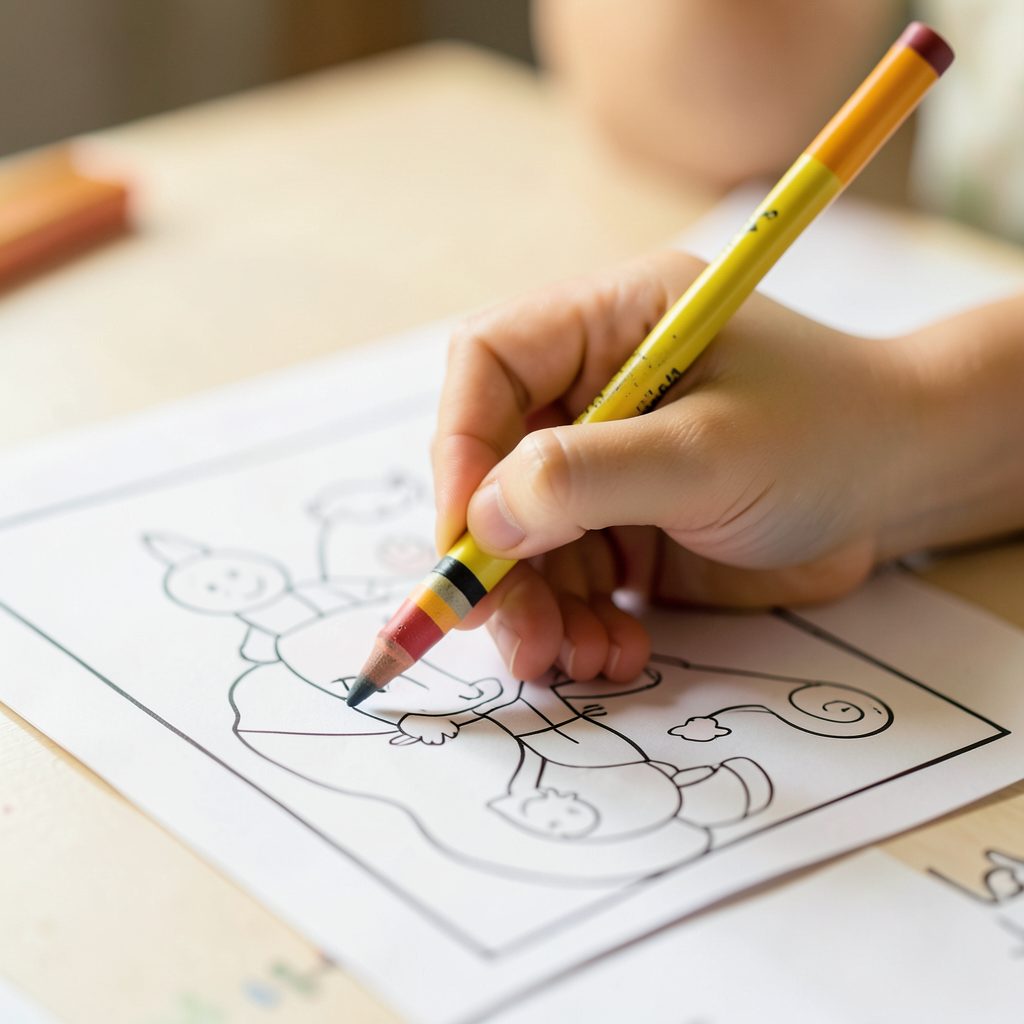
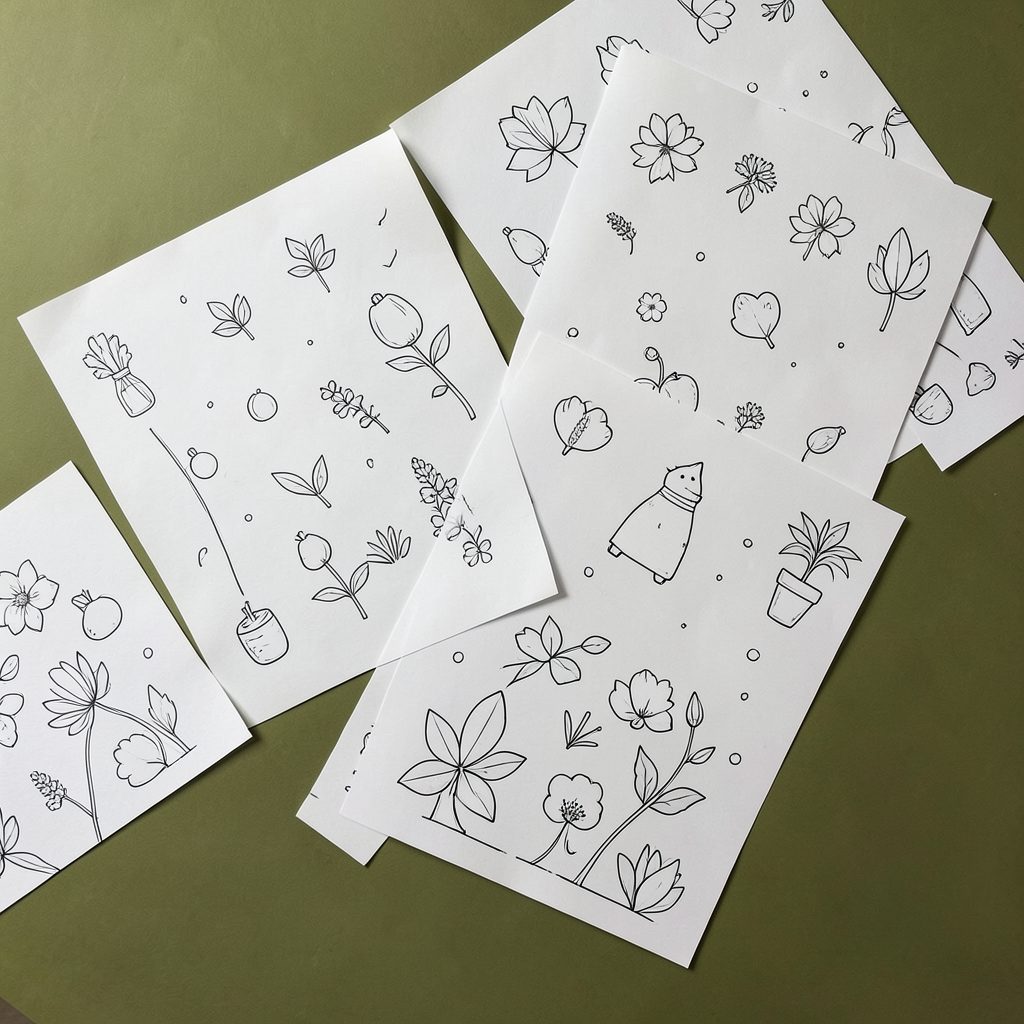
Download several related pages before the activity and check that the line art suits the children’s ages. Keep pencils, crayons and markers available, and let students choose colours when the aim is creativity. If the task focuses on maps or flags, provide a reference sheet so accuracy is supported rather than guessed.
Classroom-friendly activity ideas
- Pair each page with a globe search and one new geography word.
- Ask children to add a habitat, ocean or landform to the picture.
- Invite older students to write a short caption about climate or culture.
- Create a corridor display with the seven continent names and student facts.
- Use finished pages as prompts for stories, research projects or group presentations.
Free printable resources are especially useful for Australian families and schools managing limited budgets. They can be prepared at home, printed in a library or shared during a relief-teacher lesson. With thoughtful images and respectful discussion, colouring becomes a practical bridge between creative expression and global understanding.
Also Discover
A Legacy in Contemporary Art
Beyond coloring pages, presentcontemporaryart has a history as an association of art collectors and patrons — Associazione di Collezionisti e Mecenati. The organization promoted international exhibitions connecting Chinese, Italian, and international artists, with past events in Shanghai and Berlin.


Ready to Start Coloring?
Browse the full collection of free printable coloring pages — all just a click away.
View All Coloring Pages