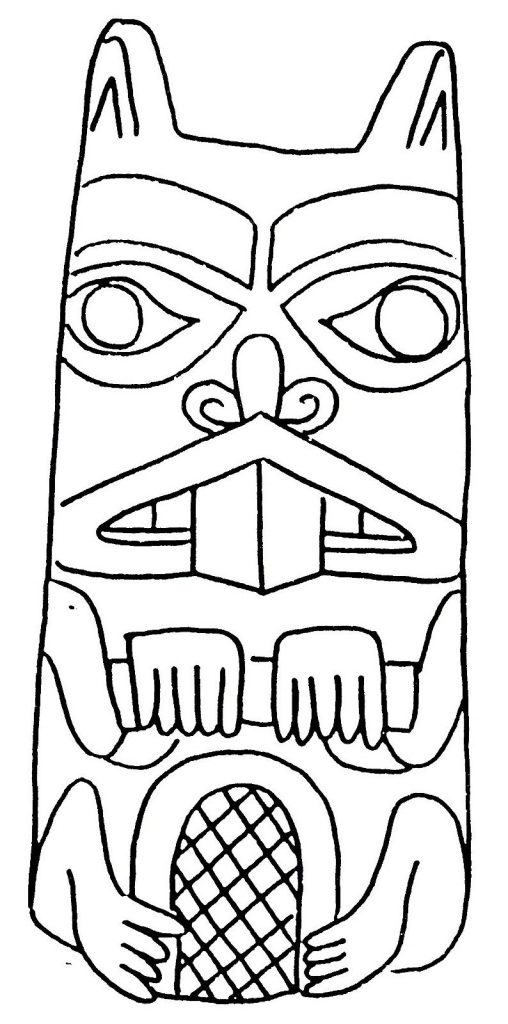
A growing collection of high-resolution coloring sheets — animals, cartoon characters, holidays, and more. Print and enjoy at home or in the classroom.
Explore the CollectionWelcome
Coloring Fun for Every Child
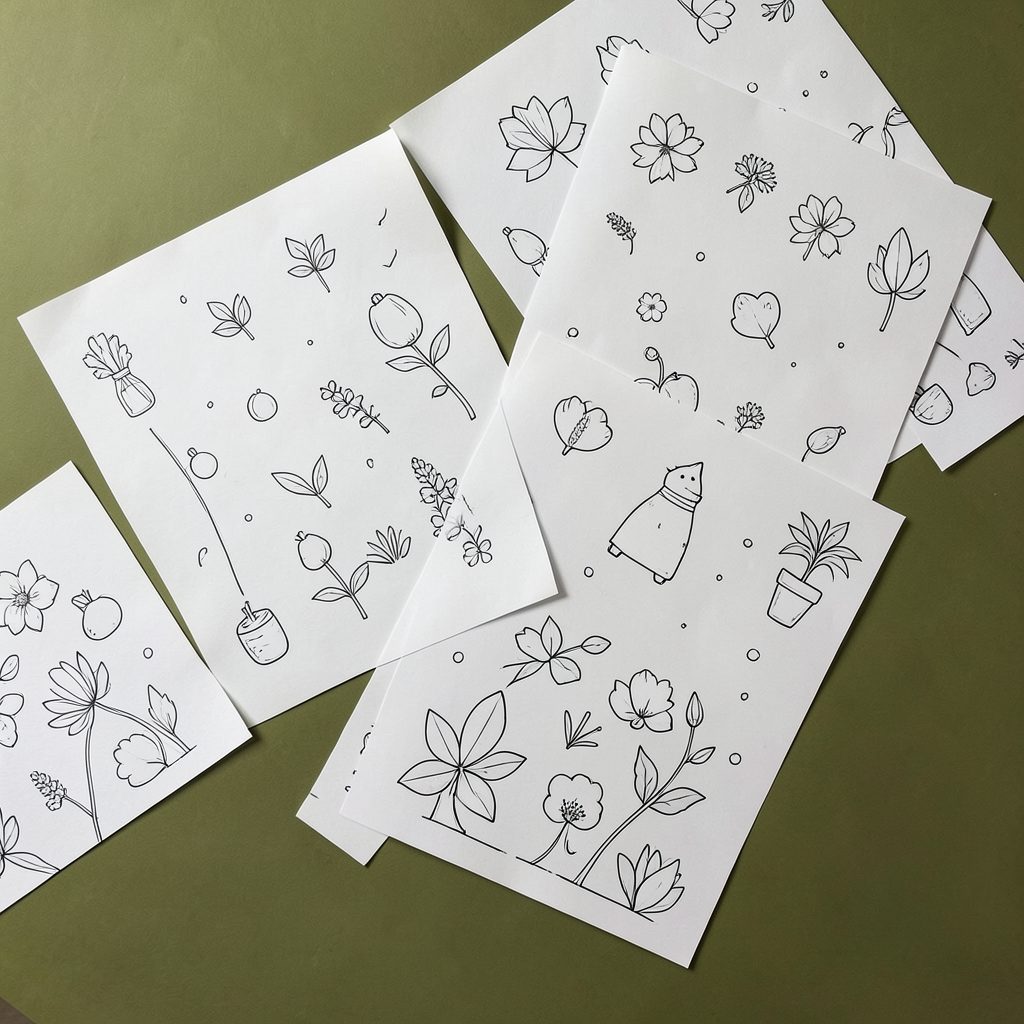
presentcontemporaryart brings together an extensive library of free printable coloring pages. From friendly giraffes and adventure-time characters to seasonal holiday sheets, there is something here to spark every child's creativity. All pages are easy to download and print at high resolution — perfect for rainy afternoons, classroom activities, or quiet time at home.
Animals & Nature
Giraffes, goldfinches, orioles, and woodland creatures — a wide selection of animal coloring pages for young nature lovers.
Cartoon Characters
Adventure Time, Land Before Time, Justin Time, and more beloved characters ready to be brought to life with color.
Holidays & Seasons
Halloween, New Year, and seasonal coloring sheets to celebrate special times throughout the year.
Colouring Activities That Make Opposites Easy to Understand
Opposites help children describe the world with greater precision. Words such as big and small, hot and cold, fast and slow, and full and empty become easier to remember when children can see, colour, compare, and discuss them.
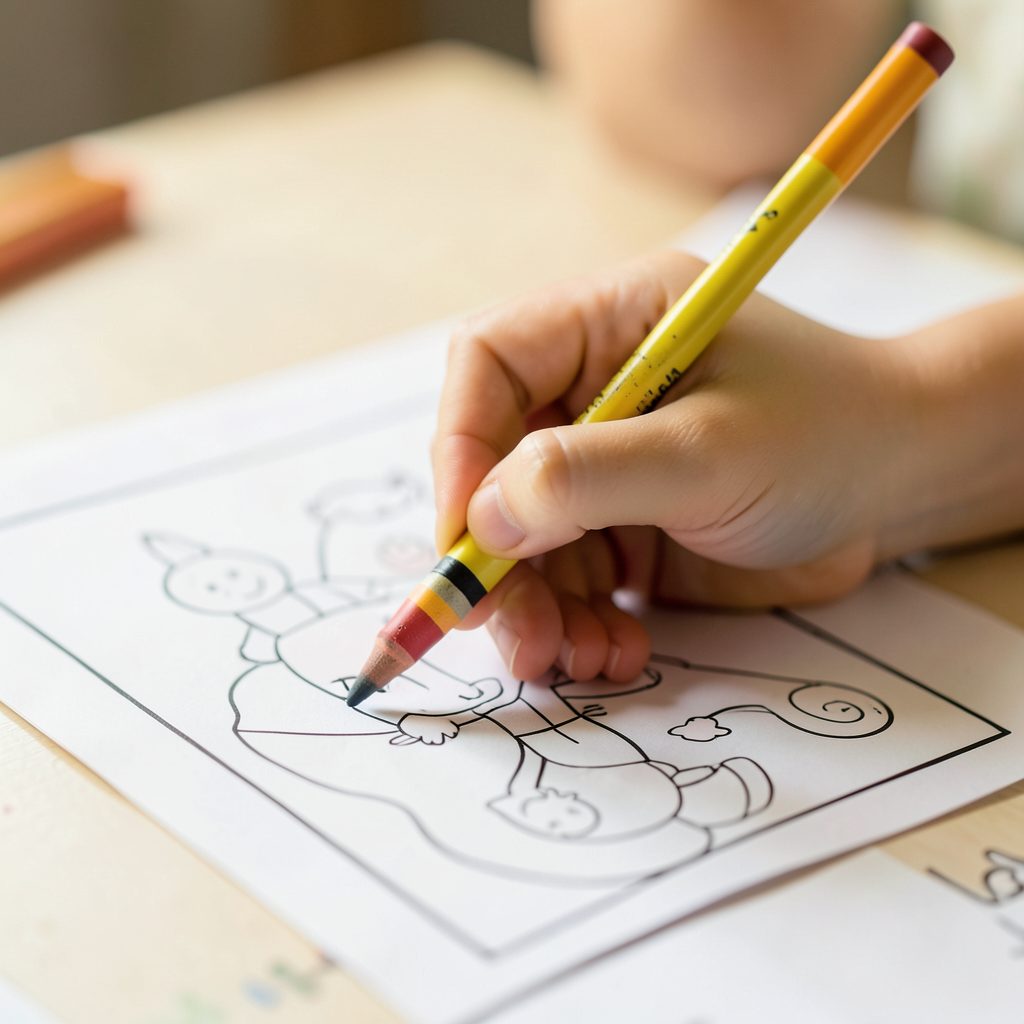
Printable colouring pages give early learners a simple way to connect vocabulary with pictures. A tall tree beside a short plant, or a smiling face beside a sad one, turns an abstract language lesson into a practical creative activity.
For families and educators in Australia, this approach suits quiet afternoons at home, preschool sessions, and classroom learning. Pages printed on standard A4 paper can be used with pencils, crayons, or washable markers without requiring registration or specialist equipment.
The activities can be adapted for children in Sydney, Melbourne, Brisbane, or smaller regional communities. They also work well alongside familiar Australian examples, from a long road trip to a short walk, or a hot summer day compared with a cool winter morning.
Build Vocabulary Through Visual Pairs
Begin with pairs that children can recognise immediately. Draw attention to differences in size, length, height, speed, and position before introducing less concrete ideas such as noisy and quiet. Ask children to name each picture while they colour it.
A page with a large kangaroo and a small joey can support “big” and “little” vocabulary in a distinctly Australian context. Children may also compare a wide beach with a narrow path, or a full water bottle with an empty one.
Use Colour to Reinforce Meaning
Colour can strengthen the connection between an image and its opposite. Invite children to use warm colours for hot and cool colours for cold, or dark shades for night and bright shades for day. The aim is to encourage thoughtful choices rather than perfect colouring.
Some pairs can be represented with contrasting colour schemes. A clean playground and a messy playground, for example, can lead to a conversation about tidy and untidy. These discussions help children use opposites in complete sentences instead of memorising isolated words.
Add Movement and Spoken Practice
Opposite concepts are easier to retain when children act them out. After colouring a fast and slow vehicle, children can move quickly across the room and then take slow steps. A teacher might pair a loud clap with a quiet finger tap.
Sports-themed pages can make this especially engaging. A full-term classroom activity in Melbourne could compare a strong kick with a gentle kick, or a high ball with a low ball. Familiar games such as cricket and footy provide natural opportunities to practise high, low, near, far, hard, and soft.
Connect Pictures with Everyday Life
Encourage children to find opposite examples around them after completing a page. At home, they might identify an open and closed door, an old and new toy, or a wet and dry towel. In a classroom, a teacher can create a display where children attach their own drawings beneath matching word cards.
Seasonal and food illustrations provide further connections. A discussion about full and empty, raw and cooked, or fresh and stale can accompany harvest food scenes. This can link language learning with shopping at an Australian supermarket or visiting a local farmers’ market.
Support Different Learning Ages
Younger children benefit from two clearly different pictures and short spoken prompts. Adults can repeat the target words slowly, point to each image, and use gestures. At this stage, one opposite pair per page is often enough to avoid confusion.
Older preschoolers and early primary students can label pictures, write the matching words, or create a sentence for each pair. They might describe a “long, winding road” and a “short, straight path”, adding adjectives to expand their vocabulary and sentence structure.
Plan Simple Printable Activities
A small collection of pages can become a flexible lesson sequence. Start with familiar physical opposites, then move towards emotions, time, and sensory descriptions. Keep crayons, pencils, and word cards nearby so children can switch between colouring, speaking, and writing.
| Opposite pair | Picture idea | Follow-up activity |
|---|---|---|
| Big and small | Kangaroo and joey | Sort classroom objects by size |
| Hot and cold | Sun and snowflake | Describe seasonal weather |
| Fast and slow | Car and turtle | Act out two different speeds |
| Full and empty | Lunchbox and bowl | Compare containers at home |
| Up and down | Balloon and falling leaf | Add arrows and movement words |
| Happy and sad | Two expressive faces | Name feelings in short sentences |
For Australian classrooms, teachers can connect the pages with local routines. A “near and far” activity might use a map from the school to the nearest park, while “wet and dry” could relate to rainy weather in Brisbane or a dry summer afternoon in Adelaide. These familiar references make new vocabulary meaningful.
Turn Colouring into Ongoing Learning
Completed pages can be displayed as a classroom word wall or kept in a child’s language folder. Revisit them during story time and invite children to find an opposite pair in a book, picture, or conversation. Repetition across different settings helps the words become part of everyday speech.
Families can continue the activity during errands, nature walks, and weekend outings. Children might notice a high-rise building and a low house in Sydney, a busy street and a quiet lane, or a full basket and an empty shelf at the local market. Printable colouring activities then become a starting point for observation, conversation, and confident language use.
Also Discover
A Legacy in Contemporary Art
Beyond coloring pages, presentcontemporaryart has a history as an association of art collectors and patrons — Associazione di Collezionisti e Mecenati. The organization promoted international exhibitions connecting Chinese, Italian, and international artists, with past events in Shanghai and Berlin.


Ready to Start Coloring?
Browse the full collection of free printable coloring pages — all just a click away.
View All Coloring Pages