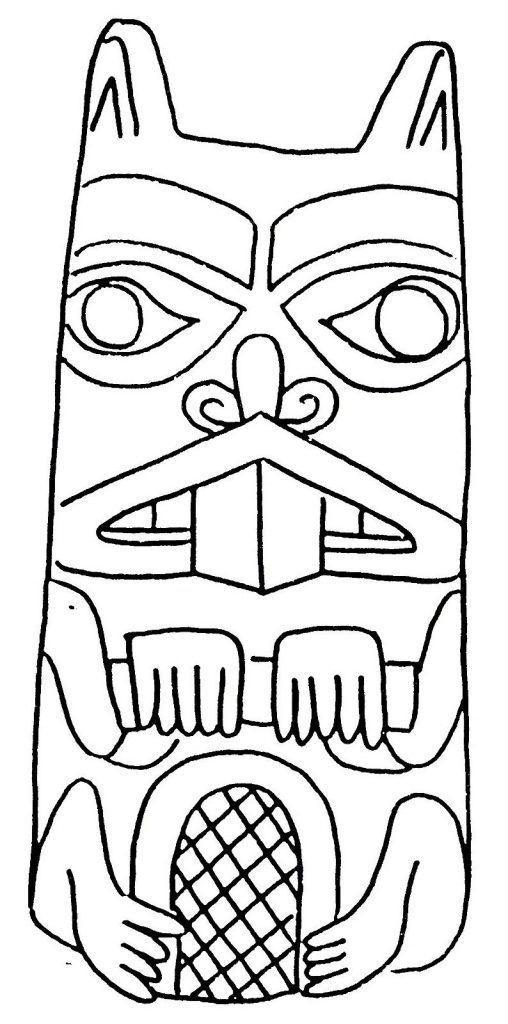
A growing collection of high-resolution coloring sheets — animals, cartoon characters, holidays, and more. Print and enjoy at home or in the classroom.
Explore the CollectionWelcome
Coloring Fun for Every Child
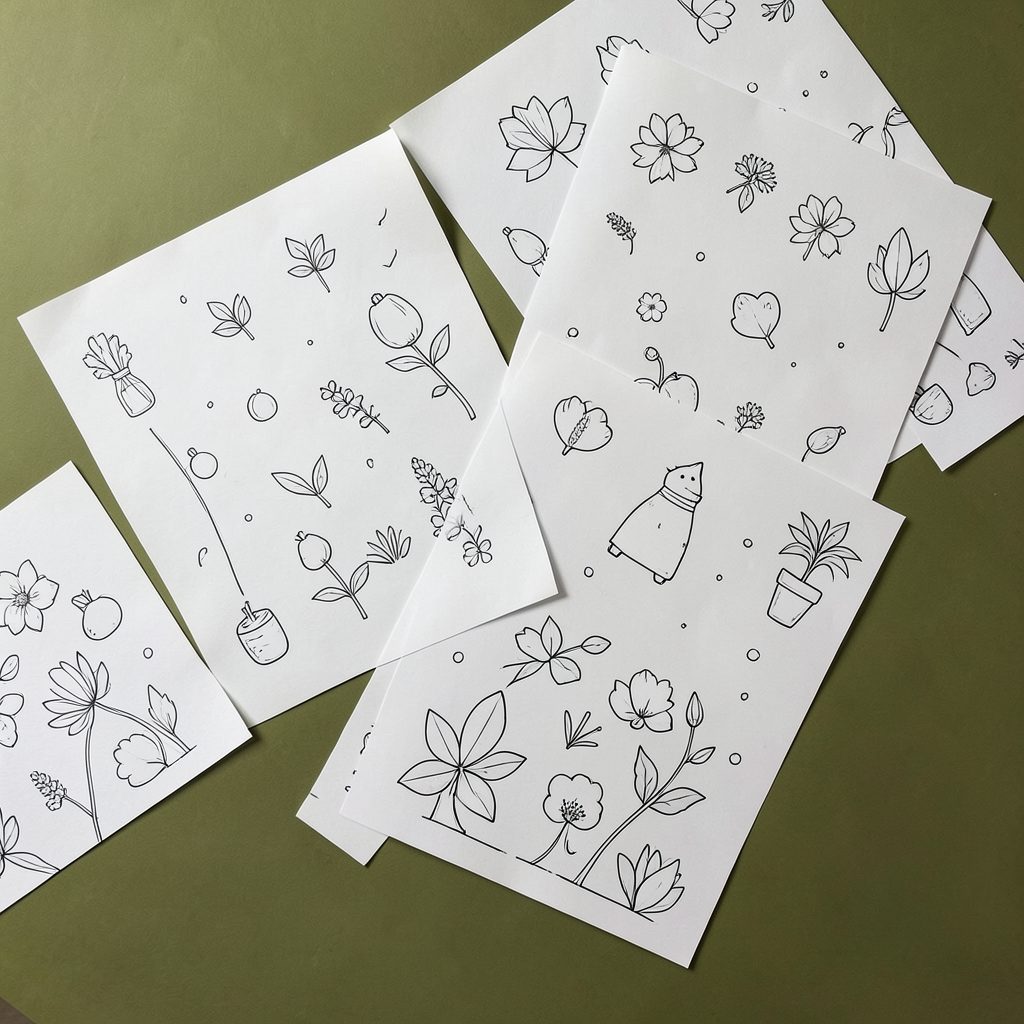
presentcontemporaryart brings together an extensive library of free printable coloring pages. From friendly giraffes and adventure-time characters to seasonal holiday sheets, there is something here to spark every child's creativity. All pages are easy to download and print at high resolution — perfect for rainy afternoons, classroom activities, or quiet time at home.
Animals & Nature
Giraffes, goldfinches, orioles, and woodland creatures — a wide selection of animal coloring pages for young nature lovers.
Cartoon Characters
Adventure Time, Land Before Time, Justin Time, and more beloved characters ready to be brought to life with color.
Holidays & Seasons
Halloween, New Year, and seasonal coloring sheets to celebrate special times throughout the year.
Coloring pages that make healthy eating easy to explore
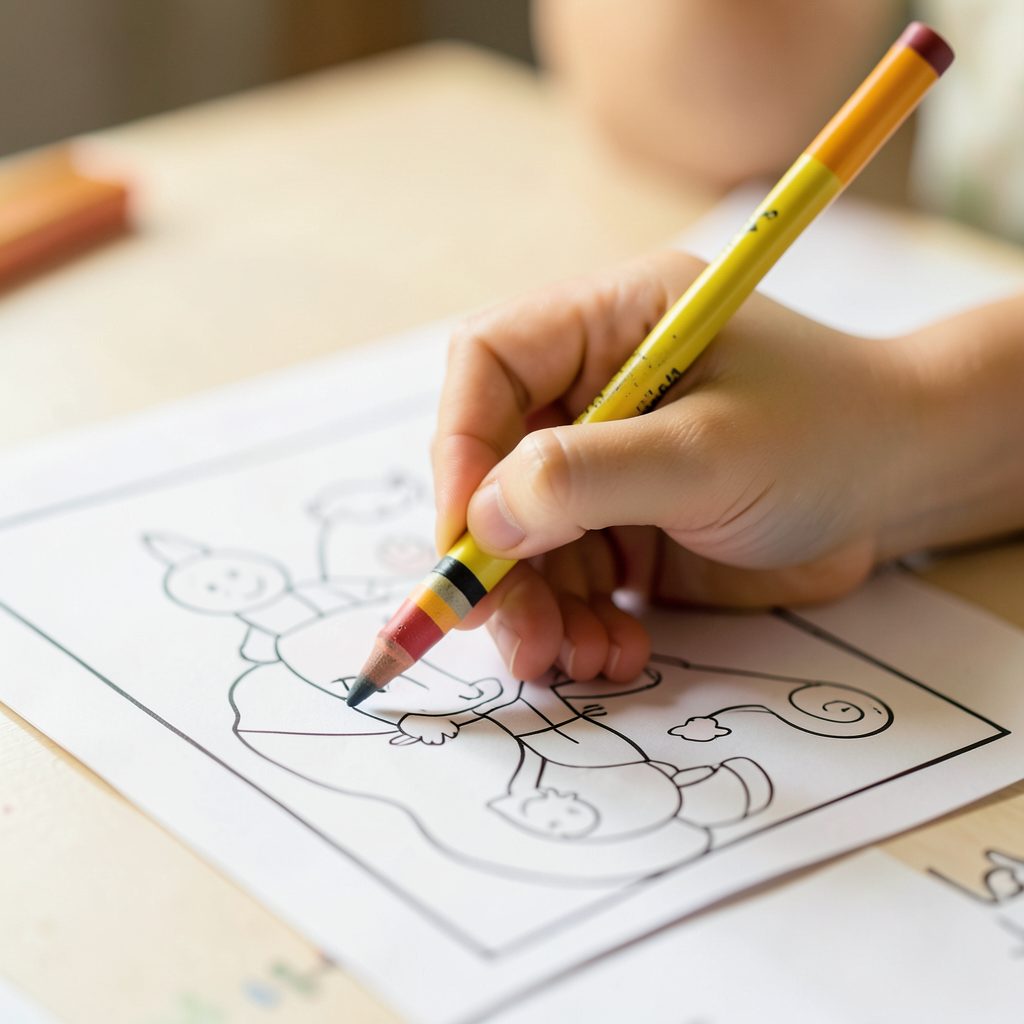
Children often learn best when a new idea feels hands-on, colorful, and connected to everyday life. Printable food coloring sheets turn lessons about fruits, vegetables, grains, and balanced meals into an activity children can enjoy at home or in the classroom.
As kids fill in pictures of apples, carrots, berries, milk, water, and family meals, adults can introduce simple language about nutrition. The goal is not to label foods as “good” or “bad,” but to help children recognize variety, nourishment, and the pleasure of trying different flavors.
Present Contemporary Art provides free printable pages that can be downloaded without registration. Food-themed designs can support preschool learning, elementary health lessons, cooking activities, and quiet creative time.
Why food coloring supports nutrition lessons
Coloring gives children time to look closely at food shapes and remember new words. A page showing a banana, leafy greens, or a bowl of oatmeal can lead to conversations about color, texture, taste, and where food comes from. These details make healthy eating feel familiar rather than abstract.
The activity also supports fine motor skills, focus, and creative decision-making. Children may choose green for broccoli, red for a tomato, or several colors for a fruit salad. Their choices create natural opportunities to discuss how meals can include different food groups.
Building a balanced plate through art
A printable plate illustration can introduce the idea of balance in a straightforward way. Invite children to color sections for vegetables, fruit, grains, and protein, then add water or milk as a drink. Younger children can simply identify foods, while older learners can explain why a meal has several components.
Avoid turning the worksheet into a test with one correct answer. A sandwich, soup, rice bowl, or family dinner may look different in every home and culture. Talking about many kinds of nourishing meals helps children develop an open and respectful attitude toward food.
Food coloring pages can also connect nutrition with nature. A vegetable garden scene may lead to a discussion about seeds, sunlight, and harvests, while a farmers’ market picture can introduce seasonal produce. For broader visual inspiration, families and educators can explore creative exhibitions alongside printable art activities.
Making printable pages part of a lesson
Start with a short conversation before handing out crayons. Ask children to name foods they recognize, sort pictures by color, or describe which items might grow on a tree, underground, or on a vine. This activates prior knowledge and gives every child a way to participate.
After coloring, extend the learning with a simple task. Children can design a colorful snack plate, circle foods they would like to taste, or create a mini menu for a picnic. In a classroom, the finished pages can become a wall display titled “Foods We Enjoy,” with space for drawings and new vocabulary.
Choosing pages for different learning goals
Different illustrations work well for different ages and teaching purposes. A large, simple apple or carrot is suitable for early learners who are practicing pencil control. Older children may prefer a detailed kitchen, lunchbox, garden, or food-group scene that encourages labeling and writing.
Use the comparison below to select a page style that matches the activity, attention span, and learning objective.
| Page style | Best for | Learning focus | Follow-up activity |
|---|---|---|---|
| Single fruit or vegetable | Preschool children | Names, colors, and shapes | Sort foods by color |
| Healthy snack scene | Early elementary learners | Variety and food choices | Build a snack plate |
| Balanced meal illustration | Elementary health lessons | Food groups and portion ideas | Label each part of the meal |
| Garden or farm design | Science and nutrition units | Where food comes from | Draw the plant’s growth cycle |
| Lunchbox or picnic page | Home or classroom groups | Planning a varied meal | Create a simple menu |
Turning coloring into a family conversation
At home, place the finished page near the kitchen table and let children explain their choices. A child who colors a rainbow of produce may be ready to talk about trying one new fruit or vegetable. Keep the conversation relaxed, since positive curiosity is more useful than pressure.
Teachers can pair printable coloring sheets with storybooks, pretend grocery shopping, or a classroom tasting activity. Children might match a colored picture to a real food, describe its texture, or vote on which ingredients could go into a shared salad. Always account for allergies, dietary needs, and family preferences.
Simple ways to guide the activity
Adults can make the lesson clearer and more engaging with a few practical prompts:
- Ask children to name each food before they color it.
- Encourage several colors and explain that meals can include many varieties.
- Invite kids to draw water, herbs, or a favorite fruit beside the picture.
- Use neutral language such as “everyday foods” and “sometimes foods.”
- Display completed pages where children can revisit the ideas later.
The best printable activity leaves room for imagination. Children do not need perfect coloring or advanced nutrition knowledge to benefit. A few friendly prompts, a comfortable workspace, and access to crayons or markers are enough to begin.
Download free food and nature coloring pages from Present Contemporary Art and use them to create a cheerful lesson about variety, balance, and enjoyment. Print a page for the next snack discussion, classroom activity, or family art session, then let children make healthy eating ideas their own.
Also Discover
A Legacy in Contemporary Art
Beyond coloring pages, presentcontemporaryart has a history as an association of art collectors and patrons — Associazione di Collezionisti e Mecenati. The organization promoted international exhibitions connecting Chinese, Italian, and international artists, with past events in Shanghai and Berlin.


Ready to Start Coloring?
Browse the full collection of free printable coloring pages — all just a click away.
View All Coloring Pages