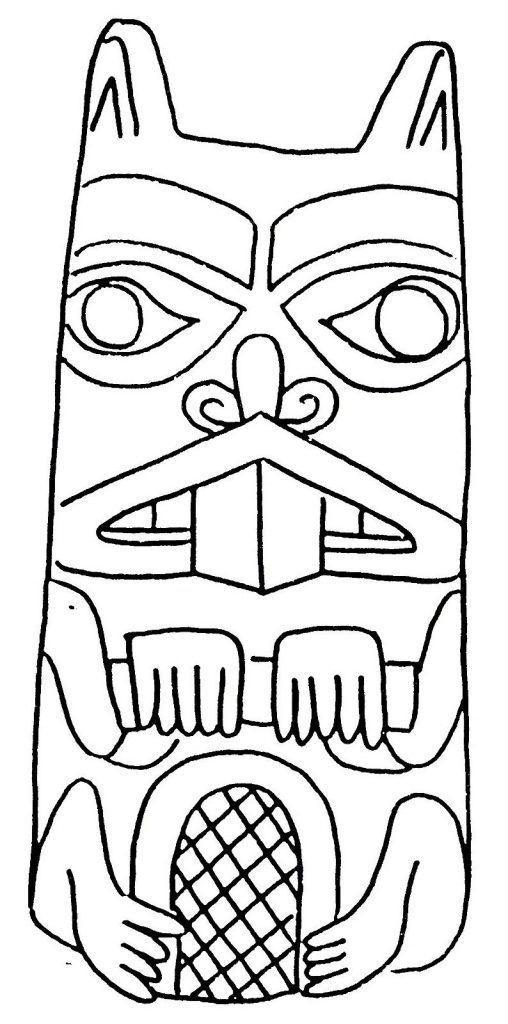
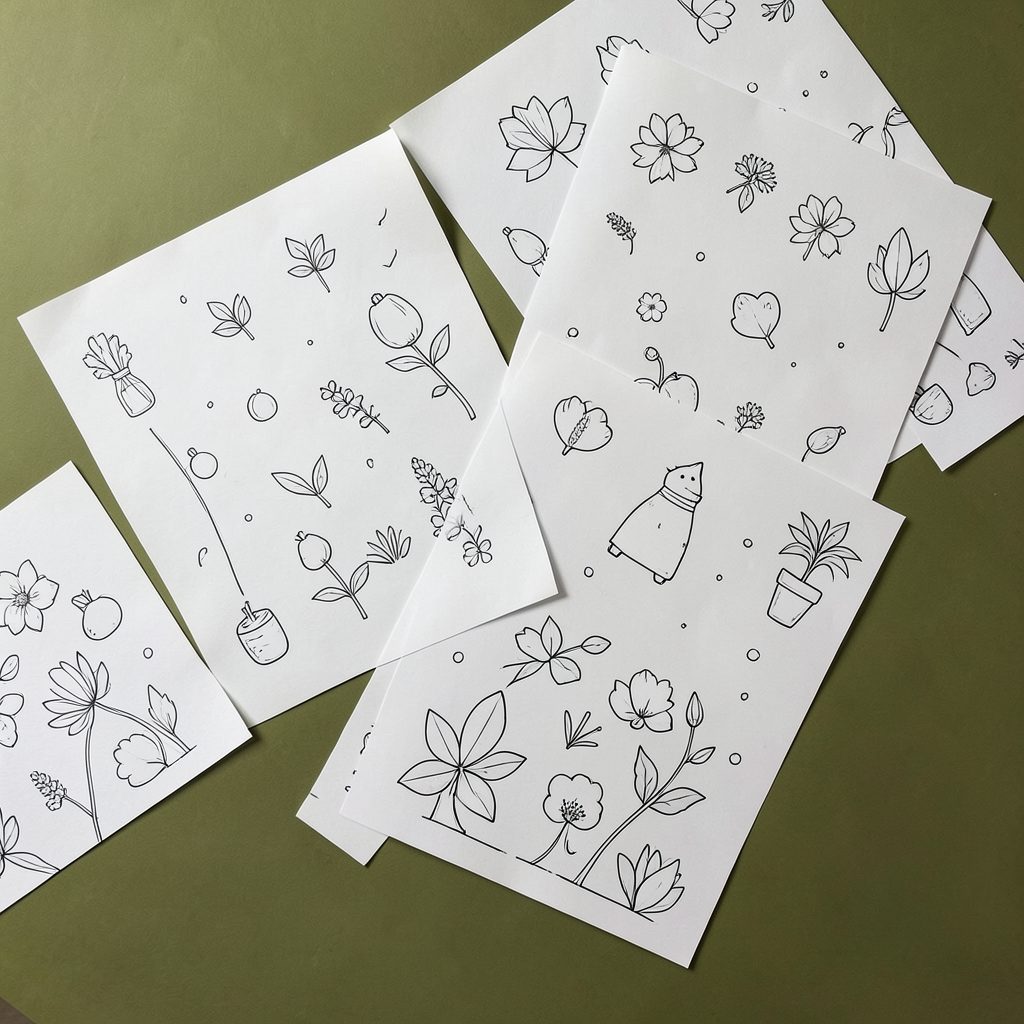
A growing collection of high-resolution coloring sheets — animals, cartoon characters, holidays, and more. Print and enjoy at home or in the classroom.
Explore the CollectionWelcome
Coloring Fun for Every Child
presentcontemporaryart brings together an extensive library of free printable coloring pages. From friendly giraffes and adventure-time characters to seasonal holiday sheets, there is something here to spark every child's creativity. All pages are easy to download and print at high resolution — perfect for rainy afternoons, classroom activities, or quiet time at home.
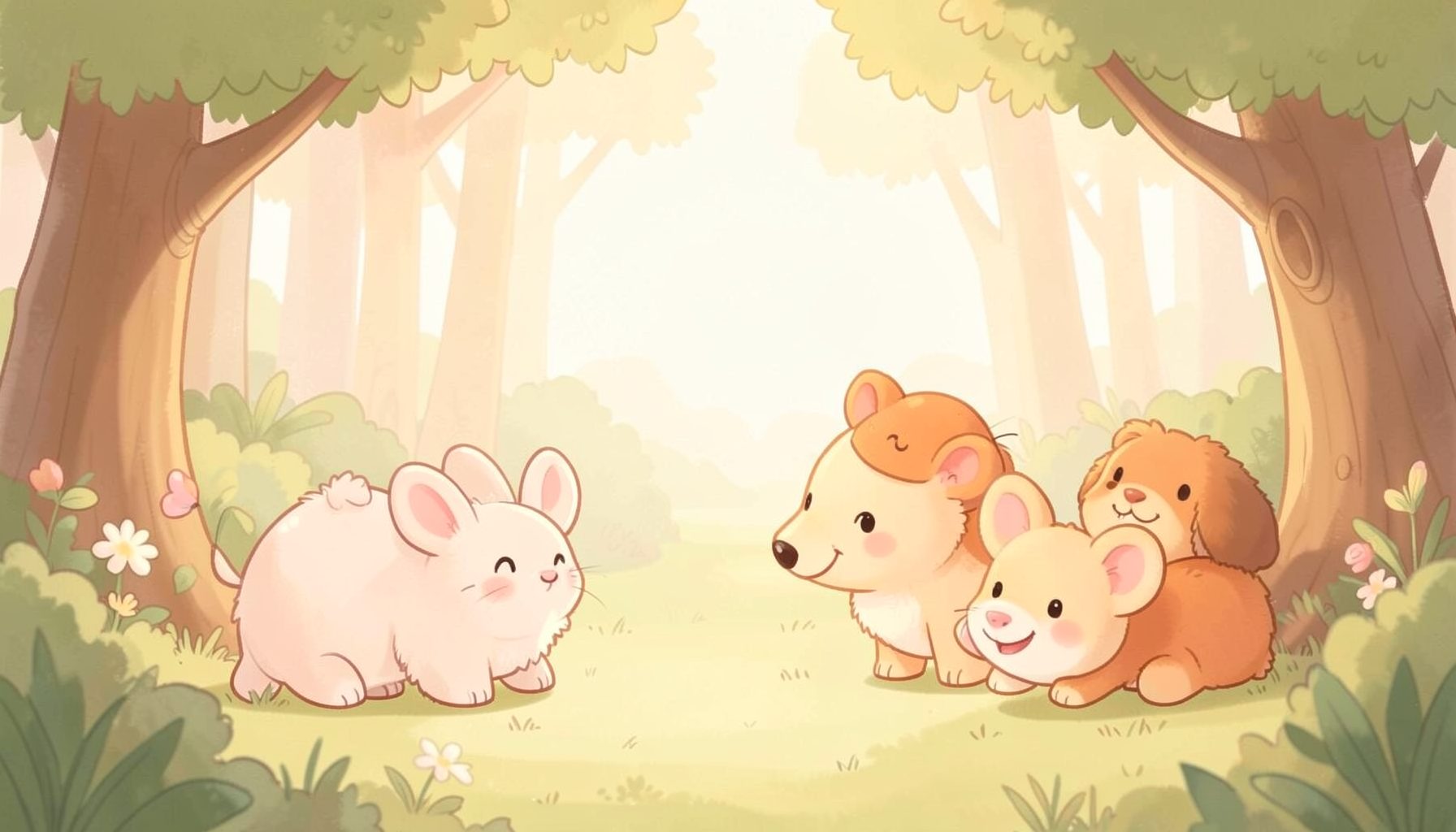
Animals & Nature
Giraffes, goldfinches, orioles, and woodland creatures — a wide selection of animal coloring pages for young nature lovers.
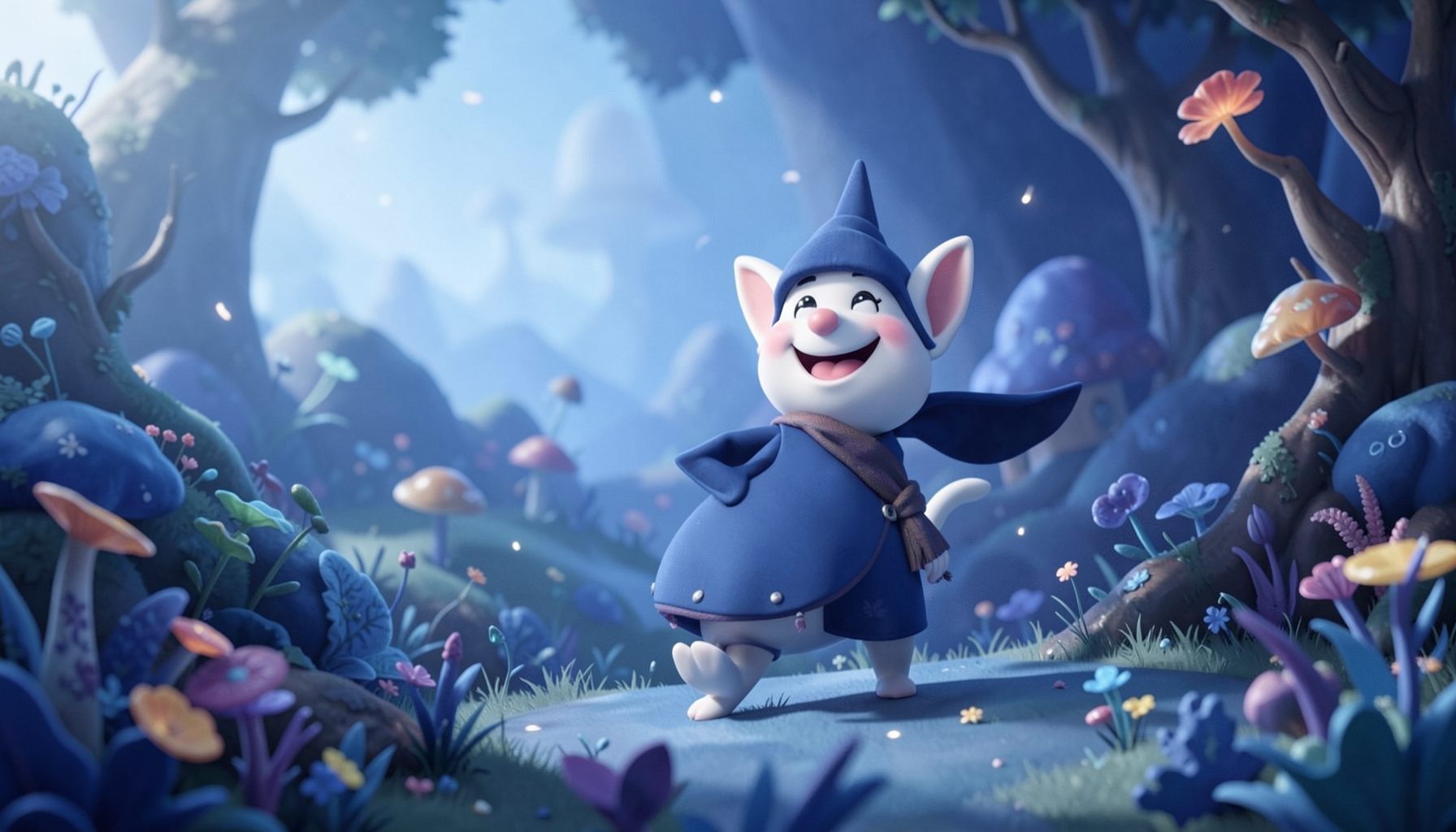
Cartoon Characters
Adventure Time, Land Before Time, Justin Time, and more beloved characters ready to be brought to life with color.
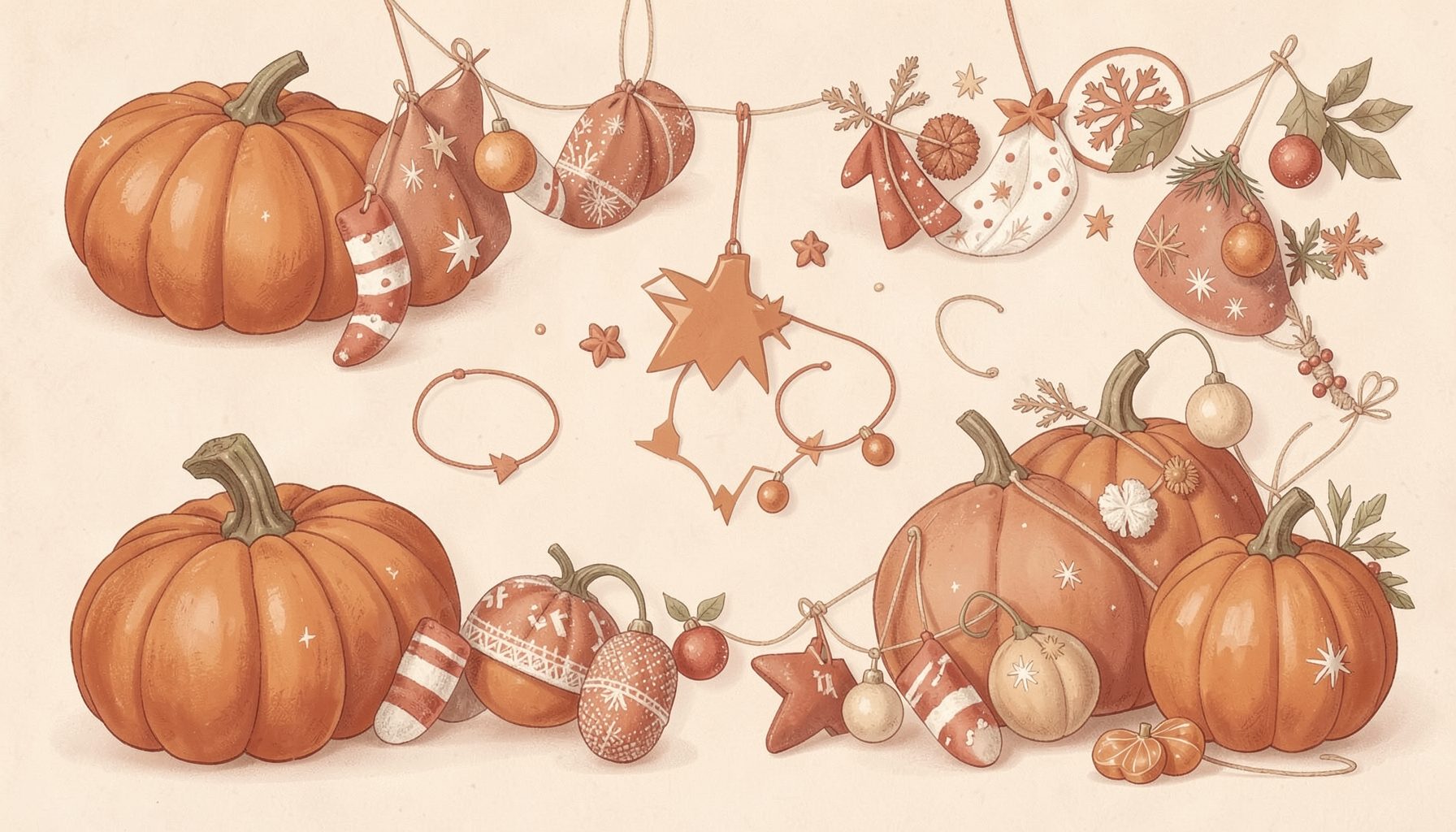
Holidays & Seasons
Halloween, New Year, and seasonal coloring sheets to celebrate special times throughout the year.
Coloring pages that help children understand emotions
Children often feel powerful emotions before they have the vocabulary to describe them. A printable picture can give those feelings a clear starting point, helping a child connect facial expressions, colors, body signals, and everyday experiences.
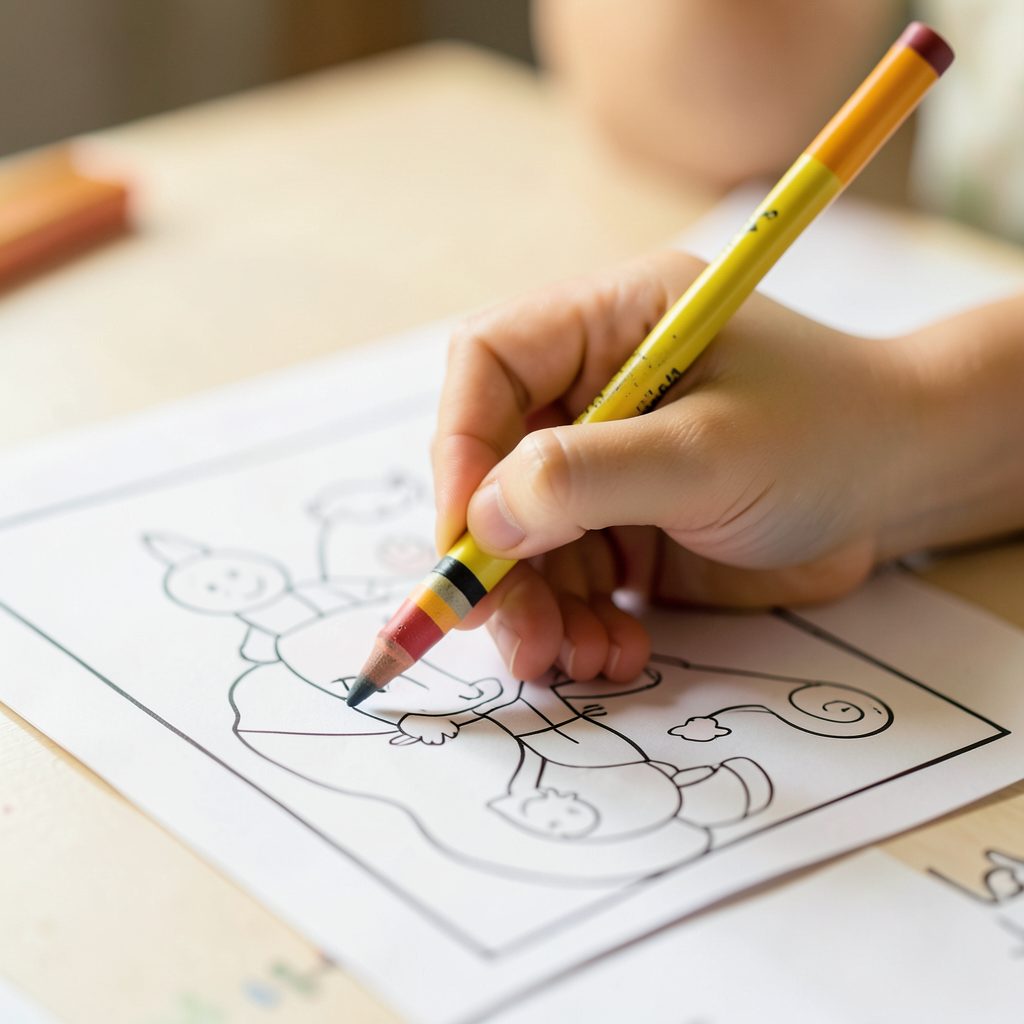
Coloring pages for teaching kids about emotions and feelings turn a quiet creative activity into an opportunity for emotional learning. As children choose colors and talk about a character’s expression, they can explore happiness, sadness, anger, fear, excitement, calmness, and many feelings in between.
Present Contemporary Art provides free printable pages that work well at home, in classrooms, and during group activities. Animal, cartoon, seasonal, holiday, nature, and sports illustrations can all become useful prompts for discussing moods and emotional responses.
Why emotional vocabulary matters
When children can name a feeling, they are better prepared to communicate their needs. Words such as disappointed, nervous, proud, worried, relaxed, and frustrated offer more detail than simply saying “good” or “bad.”
Coloring creates a relaxed setting for this conversation. A child may talk more freely while focusing on filling a picture than during a direct discussion about behavior. The activity gives adults a natural way to ask what a character might be feeling and why.
How art makes feelings easier to see
Facial features, posture, and visual details can help children recognize emotions. A smiling animal may suggest joy, while a character with lowered eyebrows and clenched hands could represent anger. These observations strengthen emotional awareness and empathy.
Color choices can also support self-expression. Some children may use bright yellow for excitement, blue for sadness, or a completely unexpected combination. There is no required emotional color code; the important point is allowing children to explain what their choices mean to them.
Selecting printable pages for emotional learning
Choose illustrations with clear expressions and enough open space for children to color comfortably. Simple animal faces are useful for younger learners, while cartoon scenes, sports moments, and seasonal activities can encourage older children to discuss more complex situations.
A page does not need to show an obvious emotion to support a feelings lesson. A rainy nature scene can prompt a conversation about loneliness or calmness. A sports illustration can lead to discussion about teamwork, disappointment, confidence, and handling mistakes.
| Printable theme | Feelings to explore | Helpful discussion prompt |
|---|---|---|
| Animal expressions | Happiness, fear, anger, curiosity | What clues show how the animal feels? |
| Cartoon characters | Friendship, jealousy, surprise, embarrassment | What might happen next? |
| Sports scenes | Pride, frustration, determination, disappointment | How could the character respond? |
| Holiday pictures | Excitement, belonging, stress, gratitude | What makes this event enjoyable or difficult? |
| Nature and seasonal designs | Peace, sadness, wonder, loneliness | What mood does this scene create? |
Conversation prompts that build understanding
Open-ended prompts help children think beyond naming an emotion. Try asking, “What do you notice about the character’s face?” or “What could have happened before this moment?” These questions encourage observation and storytelling without demanding a single correct answer.
Follow-up prompts can connect the picture to real life. Ask when the child has felt something similar, what helped, or what they might say to a friend experiencing that emotion. Keep the conversation supportive and avoid treating difficult feelings as wrong.
You can also invite children to create two versions of one page. In the first, they can show how a character feels at the beginning of a situation; in the second, they can show how the character feels after receiving help or solving a problem.
Simple ways to use emotion coloring activities
- Create a feelings folder with finished pages labeled by emotion.
- Use a daily mood page so children can point to or color how they feel.
- Pair each illustration with a short story about a challenge and a helpful response.
- Invite children to add speech bubbles describing what a character might say.
- Display completed artwork in a classroom feelings gallery.
Give children freedom to color realistically or imaginatively. The goal is emotional expression, rather than neatness or artistic accuracy. Adults can model this by sharing their own feelings in simple, age-appropriate language.
For group settings, make participation flexible. Some children may want to speak, while others may prefer to point, draw, or write. A private coloring activity can be especially helpful for children who need time before discussing a strong emotion.
Building a regular feelings routine
A short, repeated activity can make emotional vocabulary part of everyday learning. Begin with one printable page, introduce two or three feeling words, and let children choose the word that best fits the picture. Over time, add related words and discuss differences between them.
Teachers can connect coloring to read-alouds, social-emotional lessons, and classroom transitions. Families can use pages after school, before bedtime, or during calm-down periods. Keeping printable designs available without registration makes it easy to choose a page whenever a new conversation arises.
Present Contemporary Art’s broad collection also allows adults to match an activity to a child’s interests. A child who loves animals may engage with expressive creatures, while another may respond more strongly to sports, cartoons, holidays, or changing seasons.
Browse Present Contemporary Art’s free coloring pages and print a few designs that invite children to notice, name, and express their feelings. With crayons, colored pencils, and a little conversation, an ordinary page can become a meaningful tool for emotional growth.
Also Discover
A Legacy in Contemporary Art
Beyond coloring pages, presentcontemporaryart has a history as an association of art collectors and patrons — Associazione di Collezionisti e Mecenati. The organization promoted international exhibitions connecting Chinese, Italian, and international artists, with past events in Shanghai and Berlin.



Ready to Start Coloring?
Browse the full collection of free printable coloring pages — all just a click away.
View All Coloring Pages