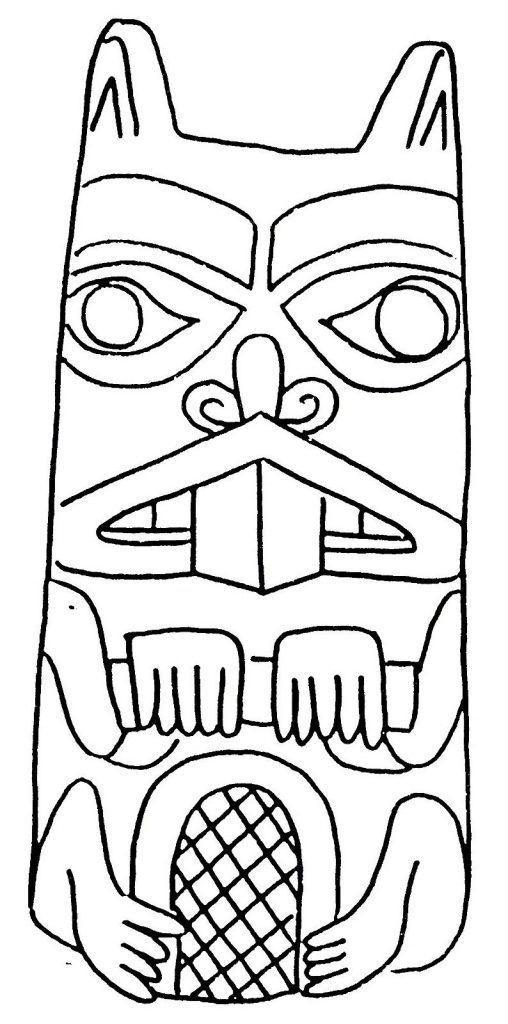
A growing collection of high-resolution coloring sheets — animals, cartoon characters, holidays, and more. Print and enjoy at home or in the classroom.
Explore the CollectionWelcome
Coloring Fun for Every Child
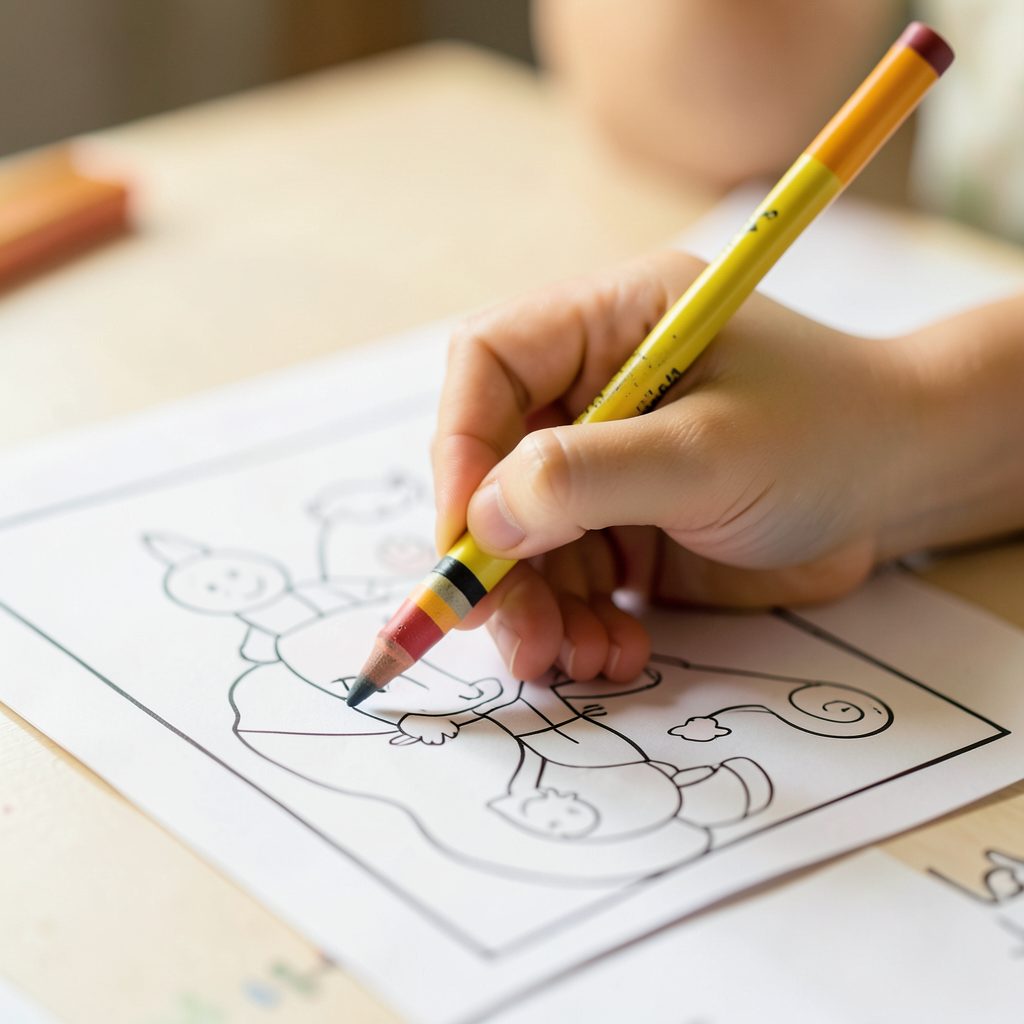
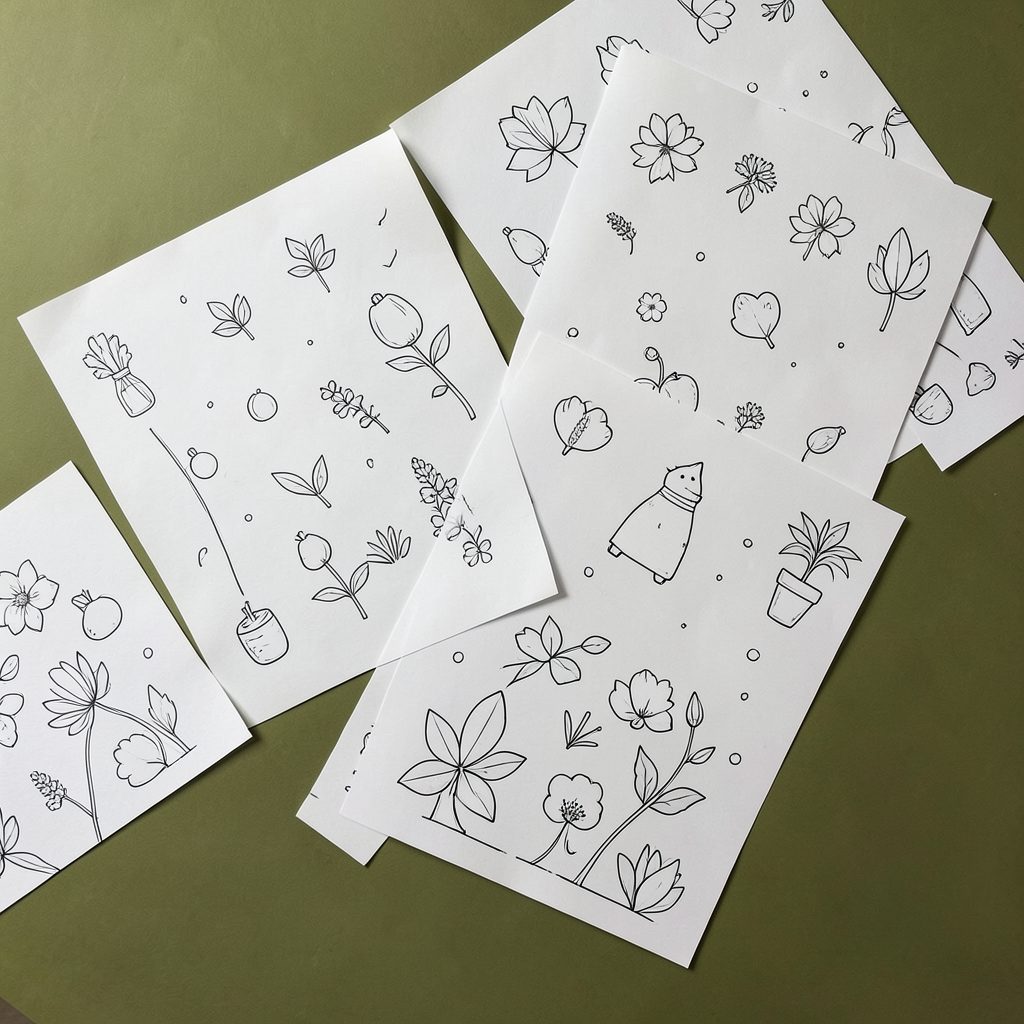
presentcontemporaryart brings together an extensive library of free printable coloring pages. From friendly giraffes and adventure-time characters to seasonal holiday sheets, there is something here to spark every child's creativity. All pages are easy to download and print at high resolution — perfect for rainy afternoons, classroom activities, or quiet time at home.

Animals & Nature
Giraffes, goldfinches, orioles, and woodland creatures — a wide selection of animal coloring pages for young nature lovers.

Cartoon Characters
Adventure Time, Land Before Time, Justin Time, and more beloved characters ready to be brought to life with color.

Holidays & Seasons
Halloween, New Year, and seasonal coloring sheets to celebrate special times throughout the year.
Coloring Pages for Teaching About the Human Body
Learning about the human body becomes easier when children can see, name, and create at the same time. Printable coloring sheets turn unfamiliar anatomy into an approachable activity, helping young learners connect words such as heart, lungs, bones, and muscles with clear visual shapes.
Present Contemporary Art offers free coloring pages that can be downloaded and printed without registration. Families, teachers, and activity leaders can use them at home, in classrooms, or during creative lessons that combine science with drawing.
Coloring is especially useful for children who learn through movement and visual detail. As they fill in each section, they can repeat new vocabulary, notice patterns, and talk about how body systems help people breathe, move, eat, and grow.
Why visual learning supports anatomy lessons
The human body includes many parts that children cannot observe directly. A coloring page provides a simple outline that makes hidden structures easier to discuss. Even a basic picture of a skeleton can introduce the ideas of bones, joints, support, and protection.
The activity also gives children time to focus on one body part at a time. Instead of memorizing a long list, they can color the brain, label the skull, or identify the rib cage while an adult explains its purpose. This creates a stronger connection between anatomy vocabulary and meaning.
Build a body vocabulary through coloring
A coloring lesson can introduce terms gradually. Younger children may begin with face, hand, foot, eye, ear, and nose. Older learners can explore organs, blood vessels, muscles, joints, and the digestive system. Teachers can write each word beside the matching area before children start.
Encourage children to say the word aloud, trace it, and use it in a sentence. For example, “The lungs help me breathe” or “The femur is a long bone in the leg.” This repeated use supports spelling, speaking, reading, and science comprehension at the same time.
Match printable activities to learning goals
The best page depends on the age of the child and the lesson objective. A simple body outline works well for early learners, while a detailed diagram can challenge students who are ready to compare organs or body systems. Color choices can be realistic, imaginative, or linked to a classroom key.
| Learning goal | Suitable coloring activity | Follow-up task |
|---|---|---|
| Name external body parts | Full-body outline | Label the head, arms, legs, hands, and feet |
| Explore the skeleton | Skeleton coloring page | Identify bones that protect the brain and heart |
| Learn about organs | Body systems illustration | Match each organ with its function |
| Understand movement | Muscles and joints page | Demonstrate bending, stretching, and walking |
| Practice healthy habits | Health-themed body page | Draw one habit that supports wellness |
For a cross-curricular activity, children can decorate pages with patterns inspired by artworks and then discuss how artists use line, shape, and color to guide attention. An exhibition-inspired activity can extend the lesson by inviting students to arrange their finished anatomy drawings as a small classroom display.
Turn coloring into inquiry
Coloring becomes more meaningful when it leads to investigation. Ask children why the rib cage is hard, what happens when a person bends an elbow, or why the heart must keep beating. These prompts encourage observation and help learners connect anatomy with everyday experiences.
You can also create a “body detective” game. Give students clues such as “I help you see” or “I pump blood,” then let them find and color the matching part. For older children, ask them to draw arrows showing how air travels to the lungs or how food moves through the digestive tract.
Connect anatomy with healthy habits
Human body worksheets can introduce wellness without making the lesson overly complicated. After coloring the lungs, discuss fresh air and physical activity. A page showing teeth can lead to brushing routines, while a muscles illustration can support a conversation about stretching, rest, and hydration.
Keep the language factual and positive. Children should learn that bodies come in many shapes, sizes, and abilities. Avoid presenting one appearance as the “correct” body. Focus on what different parts do and how people can care for themselves through sleep, nutritious food, movement, hygiene, and medical support when needed.
Adapt pages for different learners
Printable coloring sheets are easy to modify. Add large labels for children who benefit from clear visual cues, provide pencil grips or thicker crayons for developing motor skills, and offer verbal descriptions for learners who need additional access support. A partner can read instructions aloud while the child chooses colors and explains ideas.
Teachers can also print several copies at different levels of detail. One group might color a simple figure, another might label major organs, and an advanced group might compare the circulatory, respiratory, and skeletal systems. The shared creative activity keeps the class connected while allowing each learner to work at a suitable level.
Simple teaching moves that make pages effective
Use these approaches to turn a printable picture into a complete body science activity:
- Introduce three to five new terms before coloring begins.
- Ask children to point to each body part on the page and on themselves, when appropriate.
- Use a color key for organs, bones, muscles, or body systems.
- Invite learners to write one fact on the back of the finished page.
- Display completed work with labels and short explanations.
Choose a free printable page from the Present Contemporary Art collection, pair it with a brief explanation, and let children learn through color, conversation, and careful observation. A single worksheet can become the starting point for anatomy vocabulary, health education, creative expression, and lasting curiosity about how the body works.
Also Discover
A Legacy in Contemporary Art
Beyond coloring pages, presentcontemporaryart has a history as an association of art collectors and patrons — Associazione di Collezionisti e Mecenati. The organization promoted international exhibitions connecting Chinese, Italian, and international artists, with past events in Shanghai and Berlin.


Ready to Start Coloring?
Browse the full collection of free printable coloring pages — all just a click away.
View All Coloring Pages