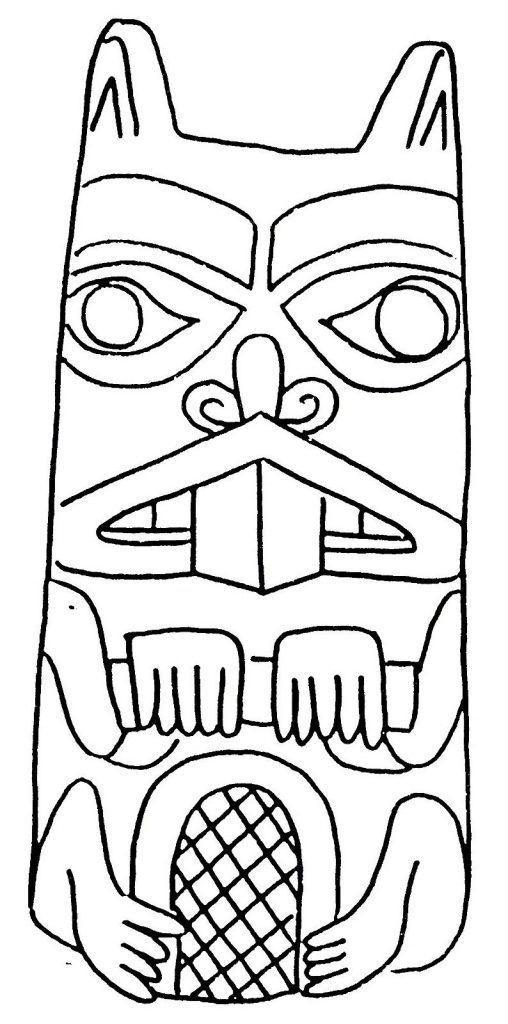
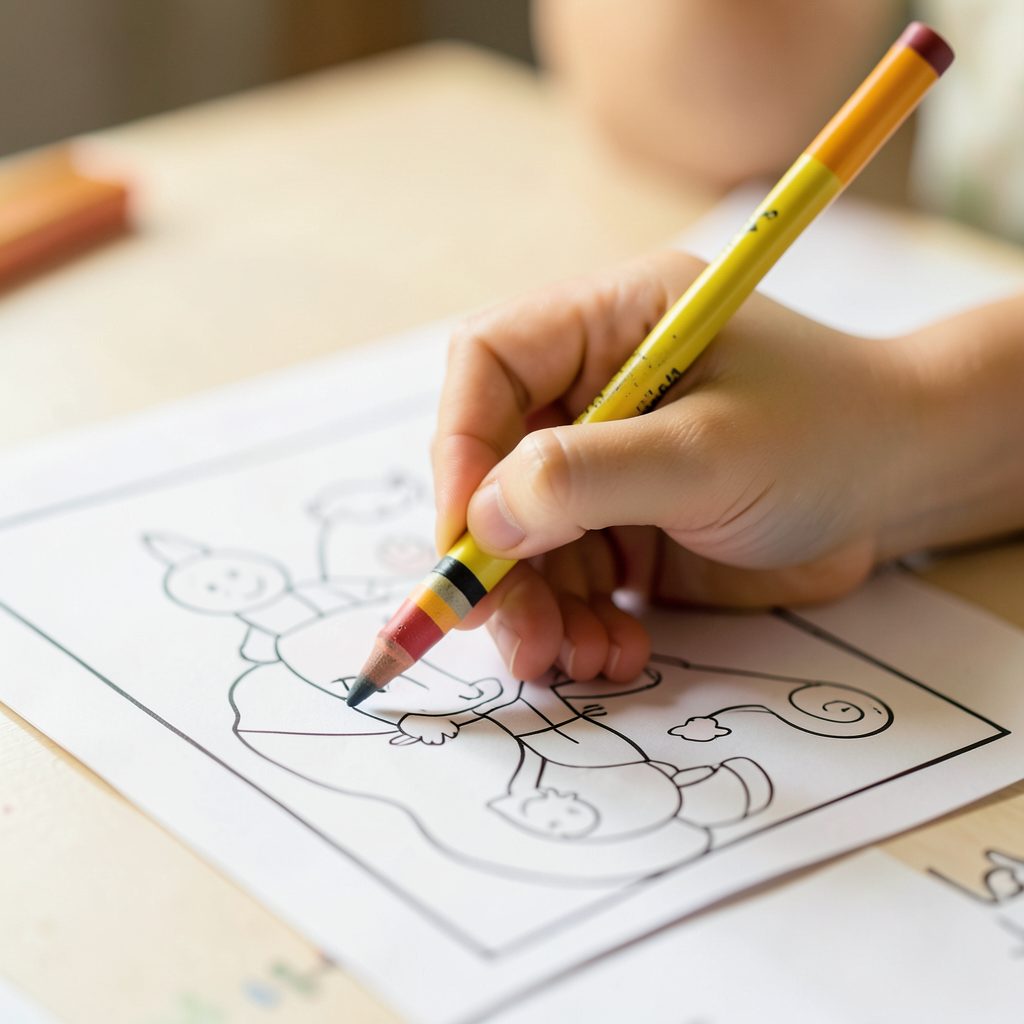
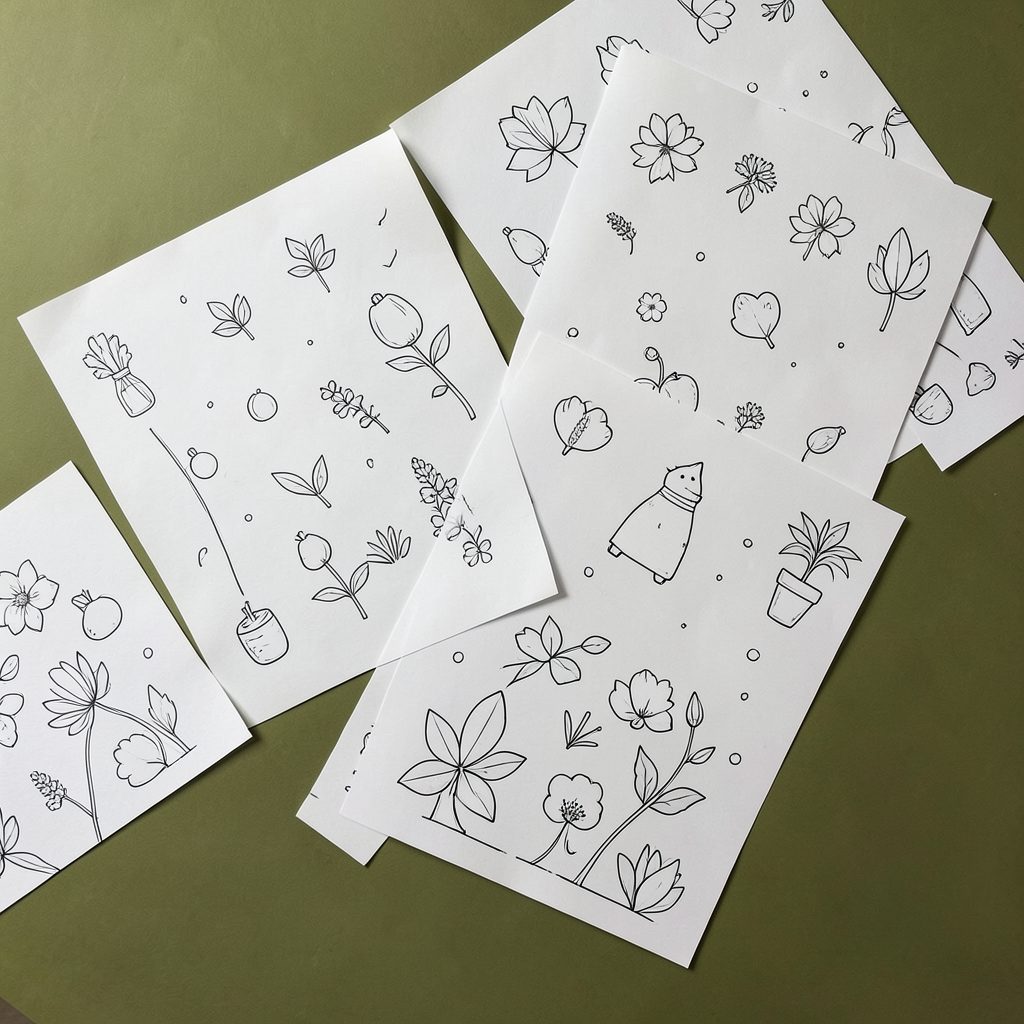
A growing collection of high-resolution coloring sheets — animals, cartoon characters, holidays, and more. Print and enjoy at home or in the classroom.
Explore the CollectionWelcome
Coloring Fun for Every Child
presentcontemporaryart brings together an extensive library of free printable coloring pages. From friendly giraffes and adventure-time characters to seasonal holiday sheets, there is something here to spark every child's creativity. All pages are easy to download and print at high resolution — perfect for rainy afternoons, classroom activities, or quiet time at home.
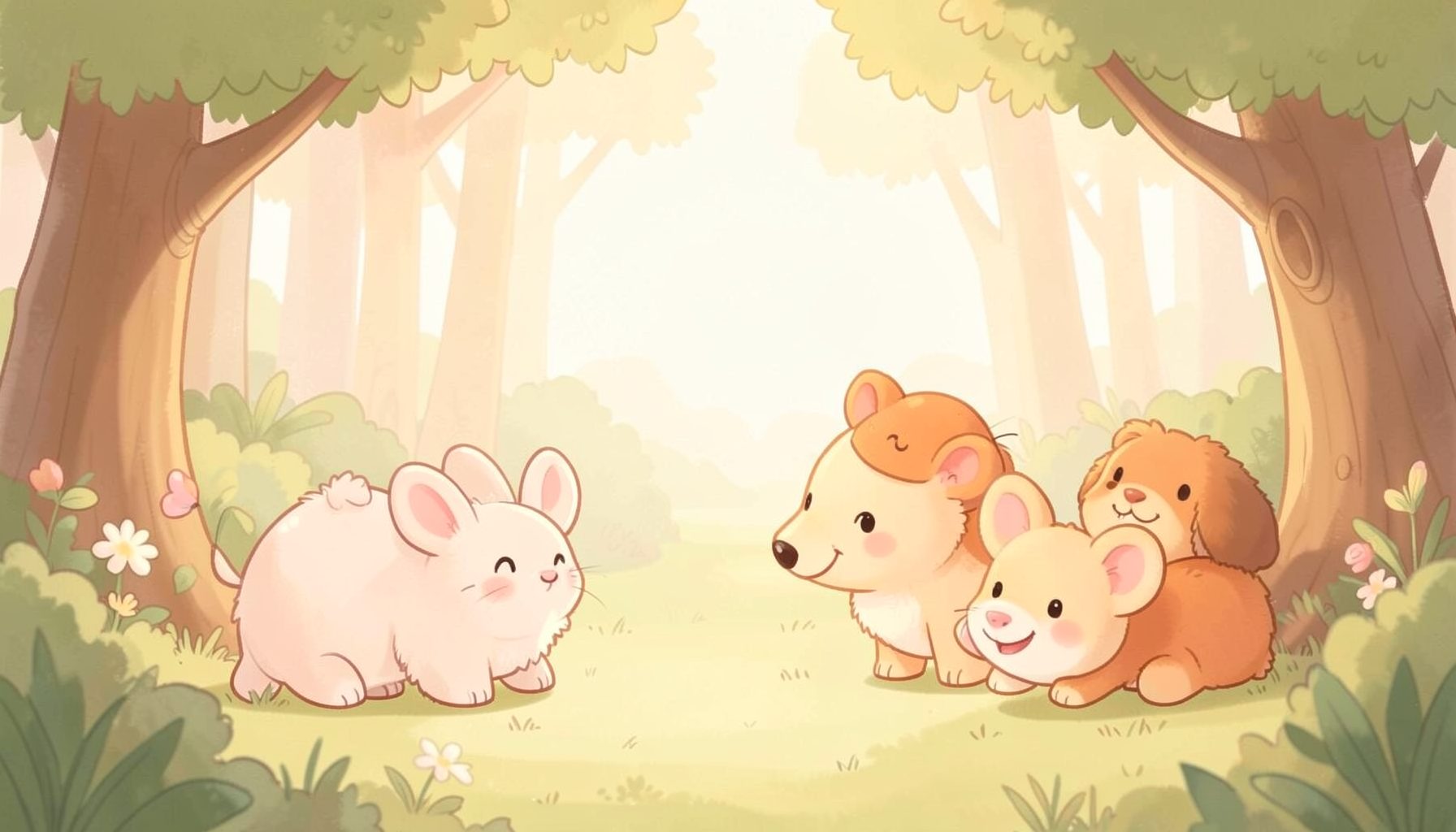
Animals & Nature
Giraffes, goldfinches, orioles, and woodland creatures — a wide selection of animal coloring pages for young nature lovers.
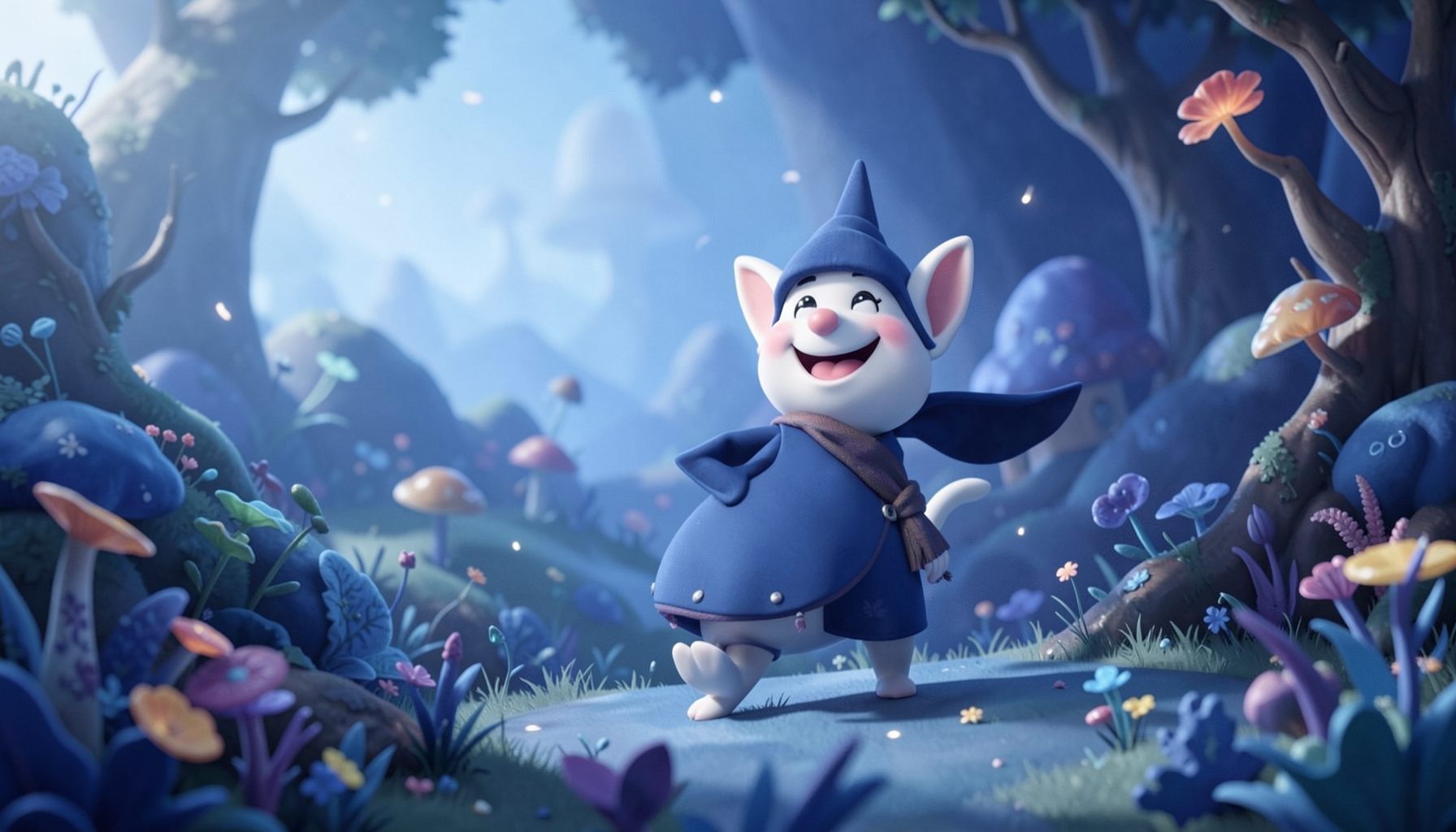
Cartoon Characters
Adventure Time, Land Before Time, Justin Time, and more beloved characters ready to be brought to life with color.
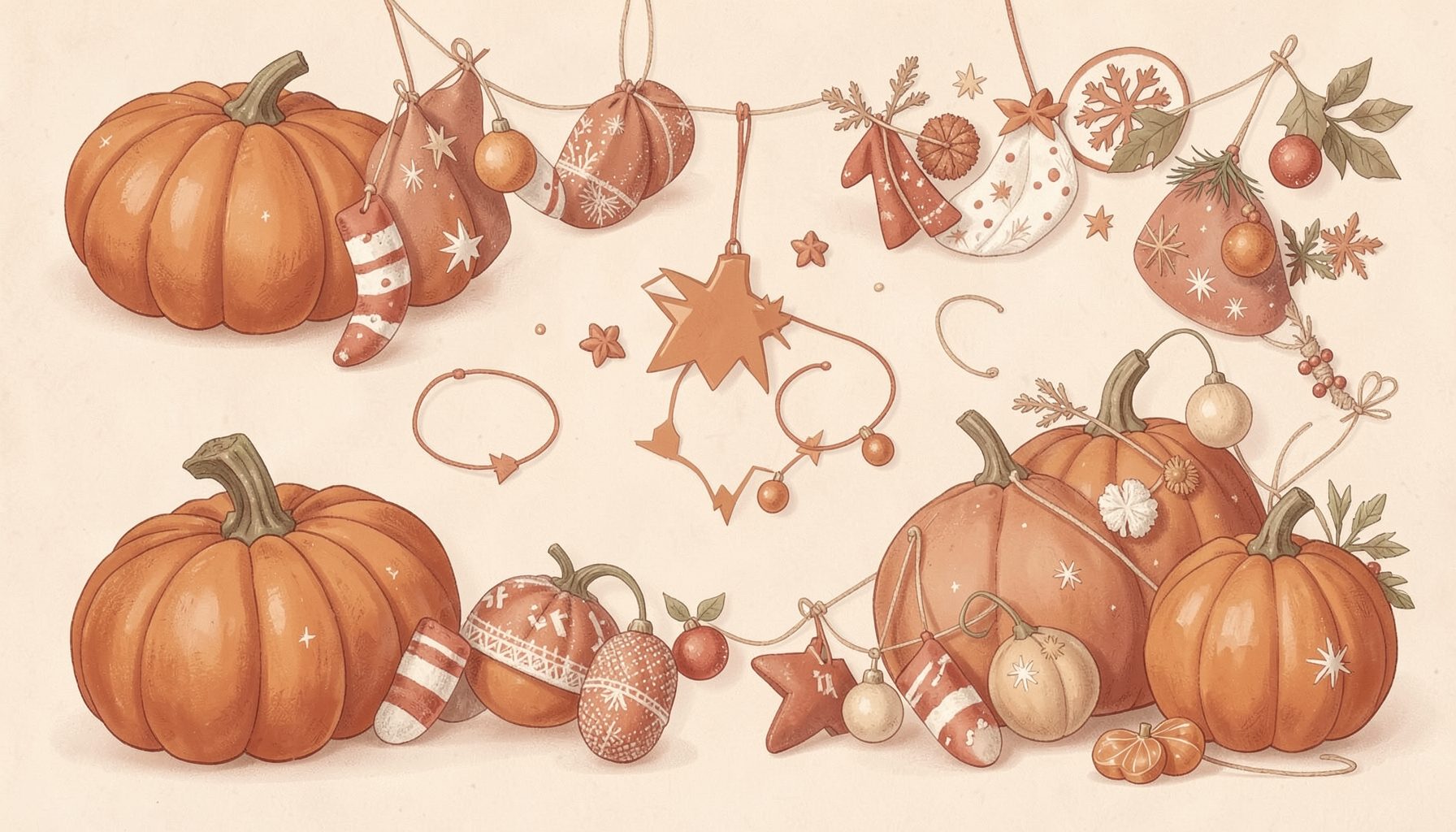
Holidays & Seasons
Halloween, New Year, and seasonal coloring sheets to celebrate special times throughout the year.
Learn recycling and nature through coloring pages
Children often understand environmental ideas more easily when they can see, discuss, and create at the same time. A recycling bin, leafy tree, or busy bee becomes more memorable when it appears in a picture that children can color themselves.
Printable coloring pages give families and teachers a simple way to bring sustainability into everyday learning. They require few supplies, work with different age groups, and can support conversations about waste reduction, wildlife, habitats, and responsible choices.
At Present Contemporary Art, children can find free designs for home activities, classroom projects, and seasonal lessons. Pages can be downloaded without registration, making it easy to begin a creative environmental activity whenever it fits the schedule.
Turn abstract ideas into visible lessons
Recycling can be a difficult concept for young learners because it involves invisible processes such as sorting, collection, and remanufacturing. An illustration of paper, glass, metal, and plastic gives children concrete objects to identify and classify.
After coloring, invite children to name each item and place it beside the correct recycling symbol or bin. They can then talk about what happens when materials are reused instead of thrown away. This sequence connects artistic work with vocabulary development and practical decision-making.
A page showing a clean park beside a littered one can also encourage observation. Children may describe the differences, identify possible dangers for animals, and suggest actions that would improve the environment.
Explore habitats, plants, and wildlife
Nature-themed coloring sheets create an opening for lessons about living things. A forest, pond, garden, or ocean scene can introduce questions about shelter, food, water, and the relationships between animals and their surroundings.
Teachers can pair a wildlife illustration with a short habitat fact. For example, a bee page may lead to a discussion about pollination, while a turtle scene can introduce the effect of plastic waste in waterways. The artwork gives children a visual reference while they learn new information.
Encourage careful color choices based on real examples, but leave room for imagination. Comparing natural colors with creative alternatives helps children notice patterns in nature without turning the activity into a test.
Connect coloring with environmental vocabulary
Coloring activities are especially useful for building language skills. Children can learn words such as reuse, reduce, repair, compost, habitat, pollution, conservation, and biodiversity while working with images that give each term meaning.
Ask learners to label parts of a picture or write one sentence beneath it. A child coloring a compost scene might write, “Food scraps can become soil.” Another working on a tree page could describe how trees provide shade, oxygen, and homes for wildlife.
For younger children, simple matching exercises work well. Match a reusable bottle with the word “reuse,” a full trash can with “waste,” and a seedling with “growth.” Older students can write short pledges or create captions explaining an eco-friendly action.
Compare activities for different learning settings
Printable artwork can be adapted for independent work, group discussion, or a larger sustainability project. The same illustration may serve as a quiet coloring exercise for one child and a research prompt for an entire class.
| Activity focus | Suitable page theme | Learning opportunity | Follow-up task |
|---|---|---|---|
| Sorting materials | Recycling bins and household items | Recognize common recyclable objects | Create a classroom sorting station |
| Protecting wildlife | Forest, ocean, or garden animals | Discuss habitats and pollution | Write a wildlife protection rule |
| Saving resources | Water, trees, or energy scenes | Explore conservation habits | Draw one way to save resources |
| Reusing objects | Crafts, containers, or everyday items | Understand creative reuse | Design a new use for an old object |
| Seasonal nature study | Leaves, flowers, weather, or holidays | Observe changes in the natural world | Keep a short seasonal nature journal |
A classroom can display finished pages as a rotating environmental gallery. In a home setting, children can bind several drawings into a small nature booklet and add facts, labels, or observations between the pictures.
Build a hands-on recycling lesson
Begin with a short conversation about what happens to unwanted objects. Show a clean selection of safe household items, such as a cardboard box, newspaper, plastic bottle, and metal can. Children can identify the materials before coloring a related printable page.
Next, introduce the three familiar actions: reduce, reuse, and recycle. Explain that reducing means using less, reusing means giving an item another purpose, and recycling means processing material so it can become something new. A simple craft, such as turning a box into a pencil holder, reinforces the difference between the terms.
Finish with a group poster made from the children’s colored illustrations. Include practical reminders such as “Use both sides of paper,” “Keep reusable bottles,” and “Put waste in the right bin.” If an activity requires clarification about available resources or printable categories, families and educators can contact the team for assistance.
Make nature learning part of routine
Environmental education becomes stronger when it appears regularly rather than during one special lesson. Keep a small folder of printable pages for rainy days, science units, library sessions, or creative centers.
A weekly “nature color” activity can focus on a different subject: trees, insects, birds, water, soil, or seasonal changes. Children may color an image, learn three facts, and record one action that helps protect that part of the environment.
Display completed work at child height so learners can revisit the ideas. A page about clean water beside a handwashing reminder or a pollinator drawing near classroom plants can connect environmental awareness with daily behavior.
Recommendations for meaningful use
- Choose images that match the child’s age, reading level, and current science topic.
- Pair every coloring activity with a short conversation, fact, sorting game, or observation task.
- Use recycled paper when possible and explain why that choice supports the lesson.
- Invite children to add labels, captions, pledges, or habitat details to finished pages.
- Display artwork where families and classmates can see the environmental messages.
Free printable coloring pages can turn recycling and nature education into an approachable creative experience. Download a few animal, habitat, recycling, or seasonal designs from Present Contemporary Art, then use the finished artwork to start practical conversations about caring for the world around us.
Also Discover
A Legacy in Contemporary Art
Beyond coloring pages, presentcontemporaryart has a history as an association of art collectors and patrons — Associazione di Collezionisti e Mecenati. The organization promoted international exhibitions connecting Chinese, Italian, and international artists, with past events in Shanghai and Berlin.


Ready to Start Coloring?
Browse the full collection of free printable coloring pages — all just a click away.
View All Coloring Pages