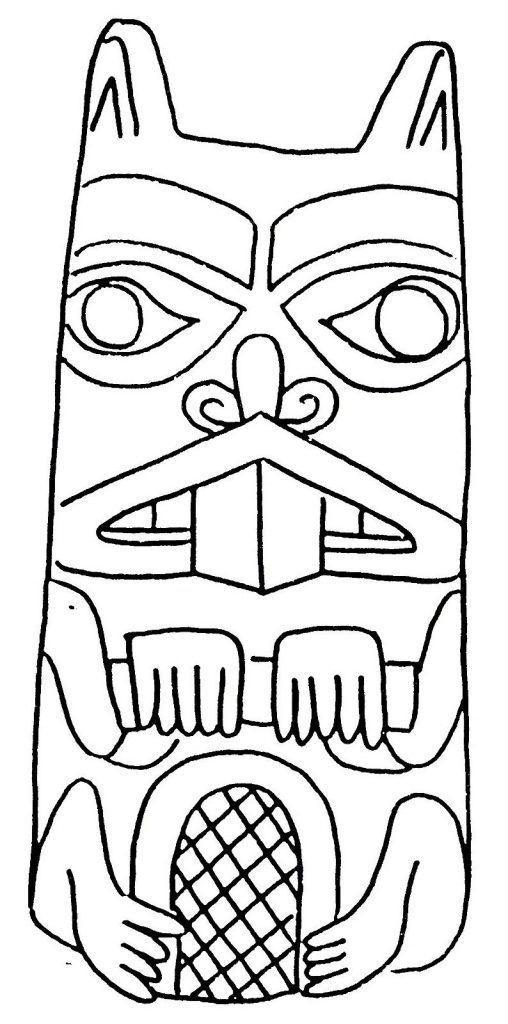
A growing collection of high-resolution coloring sheets — animals, cartoon characters, holidays, and more. Print and enjoy at home or in the classroom.
Explore the CollectionWelcome
Coloring Fun for Every Child
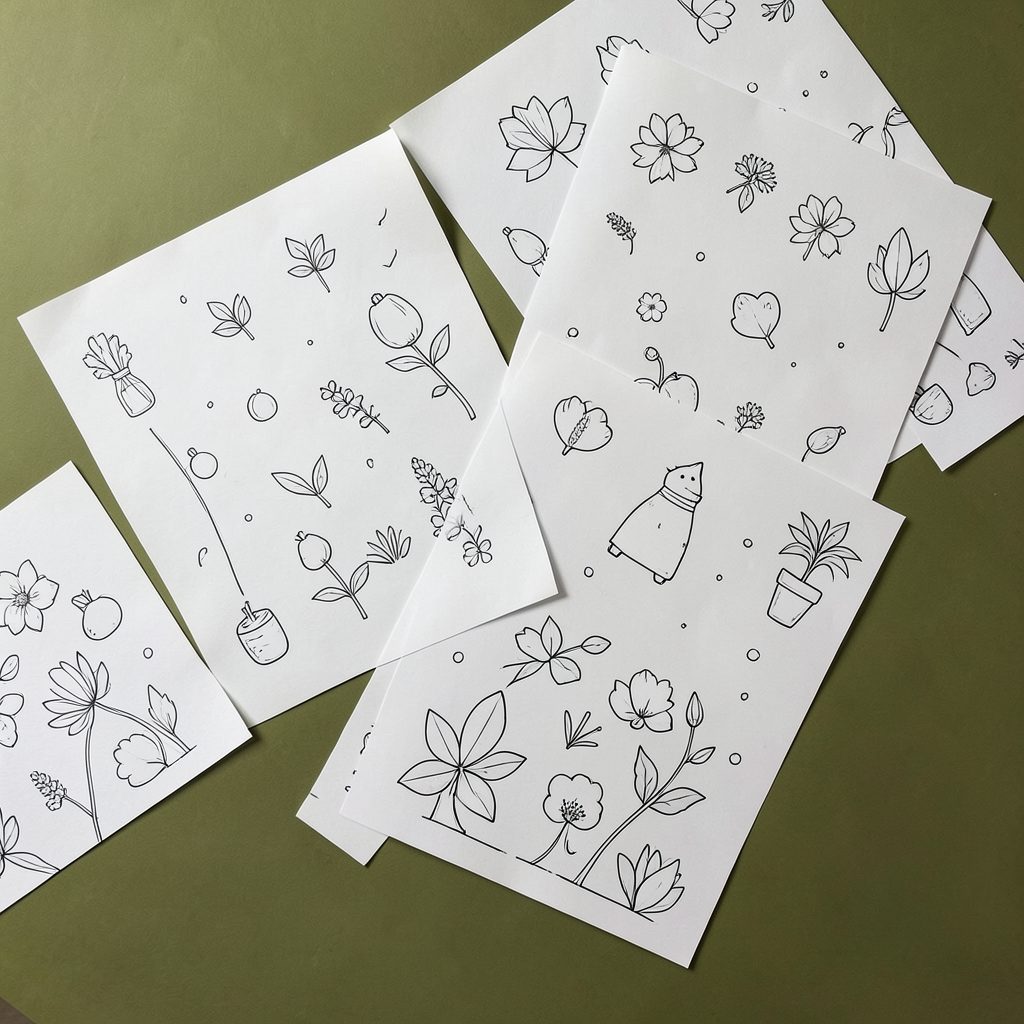
presentcontemporaryart brings together an extensive library of free printable coloring pages. From friendly giraffes and adventure-time characters to seasonal holiday sheets, there is something here to spark every child's creativity. All pages are easy to download and print at high resolution — perfect for rainy afternoons, classroom activities, or quiet time at home.
Animals & Nature
Giraffes, goldfinches, orioles, and woodland creatures — a wide selection of animal coloring pages for young nature lovers.

Cartoon Characters
Adventure Time, Land Before Time, Justin Time, and more beloved characters ready to be brought to life with color.
Holidays & Seasons
Halloween, New Year, and seasonal coloring sheets to celebrate special times throughout the year.
Colouring Pages That Teach the Days of the Week
Colouring pages give children a hands-on way to recognise weekday names, remember their order and connect each word with a familiar routine. At Present Contemporary Art, free printable sheets turn that practice into an approachable colour-in activity for home, classrooms and creative play.
A useful page does more than occupy small hands. Bold outlines encourage early mark-making, while pictures and simple prompts invite an adult to say each name, follow the weekly sequence and revisit the activity throughout the day.
Start with a visual weekly map
| day | place in the sequence | child-friendly visual cue |
|---|---|---|
| Monday | first weekday | school bag and morning sun |
| Tuesday | second weekday | footprints leading forward |
| Wednesday | middle weekday | bridge crossing a stream |
| Thursday | day before Friday | kite flying in the sky |
| Friday | final weekday | finish flag or celebration ribbon |
| Saturday | weekend day | ball, picnic basket or surfboard |
| Sunday | weekend day | breakfast table and a book |
Work across one row at a time so colour, image and language reinforce one another. Ask the child to find Monday, trace or point to its name, and say it aloud before choosing colours. The activity links visual recognition with early literacy without requiring a conventional worksheet.
Keep the sequence visible while the remaining pages are coloured. This allows a child to return to Monday after reaching Sunday and describe what comes next. Older children can use the smaller pictures as a weekly calendar and explain the pattern in their own words.
Follow the Australian working week
In many Australian households, schools and workplaces run from Monday to Friday, while Saturday and Sunday form the weekend. A colouring set can make that division clear by placing schoolbags, office items or weekday routines beside weekend scenes such as a park, sporting equipment or a relaxed breakfast.
Shift work, sporting schedules and family commitments mean that not every Australian week looks the same. Adults can use those differences to introduce flexibility while preserving the standard names and order. A child might say that a helper works on Sunday or that football happens on Saturday.
Combine colour with movement and speech
Families in Australia often call a colouring sheet a “colour-in”, and the activity can include spoken recall as well as pencil control. After finishing each panel, the child can say the day’s name, clap once for every syllable and point to its place in the sequence.
Movement gives younger children another way to consolidate the words. They can hop for Monday, turn around for Tuesday or stretch toward Friday at the end of the weekly cycle. The informal expression “arvo” can also connect the activity to Australian speech, such as colouring Saturday arvo at the kitchen table.
Match the activity to Australian seasons
Australian seasons follow the Southern Hemisphere, so June and July are generally winter months while December and January are summer. Seasonal colouring pages should reflect that timing. Snow may suit alpine regions or a winter story, but it should not represent ordinary winter weather across the country.
Australia Day on 26 January, ANZAC Day on 25 April and Christmas on 25 December provide useful calendar landmarks. A koala, kangaroo or rainbow lorikeet can accompany a date, while local settings such as Sydney Harbour, Melbourne’s trams or the coastline near Perth and Adelaide offer familiar Australian contexts.
School terms and some public holidays differ between states, territories and education systems. Adults can compare those calendars with the weekly sequence, showing children that a seven-day cycle continues across holidays while the activities attached to each day may change.
Use printable pages at home and school
Present Contemporary Art provides free colouring pages that can be downloaded without registration. This makes them suitable for families with home printers as well as teachers who need an immediate classroom activity. Files can also support creative sessions at community centres and other group settings.
A printed page can develop pencil control, hand-eye coordination and vocabulary while giving children a calm, screen-free task. Teachers can place one weekly set near a classroom calendar and return to it during morning routines. Australian classrooms commonly use terms such as recess and lunch, which can become reliable cues when identifying particular days.
Adjust the challenge for different ages
Younger children may benefit from broad shapes, simple daily scenes and dotted day names that are easy to trace. An adult can name the picture, colour one element together and repeat the word at a measured pace. The focus should be recognition and enjoyment rather than neatness.
Older children can add details, write the full weekly sequence or create short stories about each scene. They might draw something happening in Adelaide on Wednesday, invent a Saturday activity or explain why Sunday comes after Saturday. Open-ended prompts extend the activity without changing its simple structure.
Print freely and revisit the weekly sequence
Australian homes, schools and offices commonly use A4 paper, so checking the page size before printing helps prevent cropped lines or reduced text. Black-and-white copies remain useful for ordinary colouring, while colour printing can make visual cues easier to distinguish. No account is needed to access the printable collection.
Repeated use strengthens recall because each return to the weekly cycle links the written name, picture and spoken word. A completed set becomes a record of learning that families can date, display or revisit whenever the Australian weekly routine begins again.
Also Discover
A Legacy in Contemporary Art
Beyond coloring pages, presentcontemporaryart has a history as an association of art collectors and patrons — Associazione di Collezionisti e Mecenati. The organization promoted international exhibitions connecting Chinese, Italian, and international artists, with past events in Shanghai and Berlin.



Ready to Start Coloring?
Browse the full collection of free printable coloring pages — all just a click away.
View All Coloring Pages