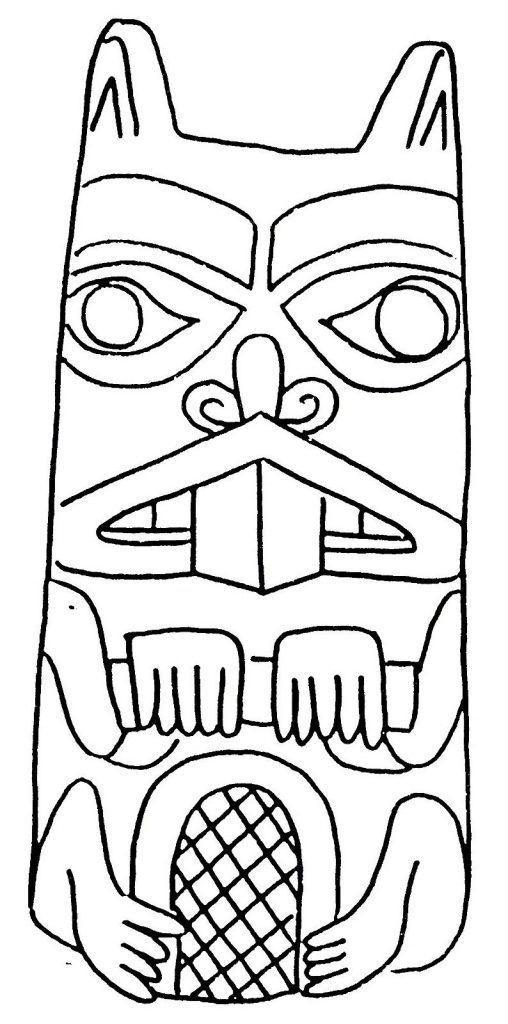
A growing collection of high-resolution coloring sheets — animals, cartoon characters, holidays, and more. Print and enjoy at home or in the classroom.
Explore the CollectionWelcome
Coloring Fun for Every Child
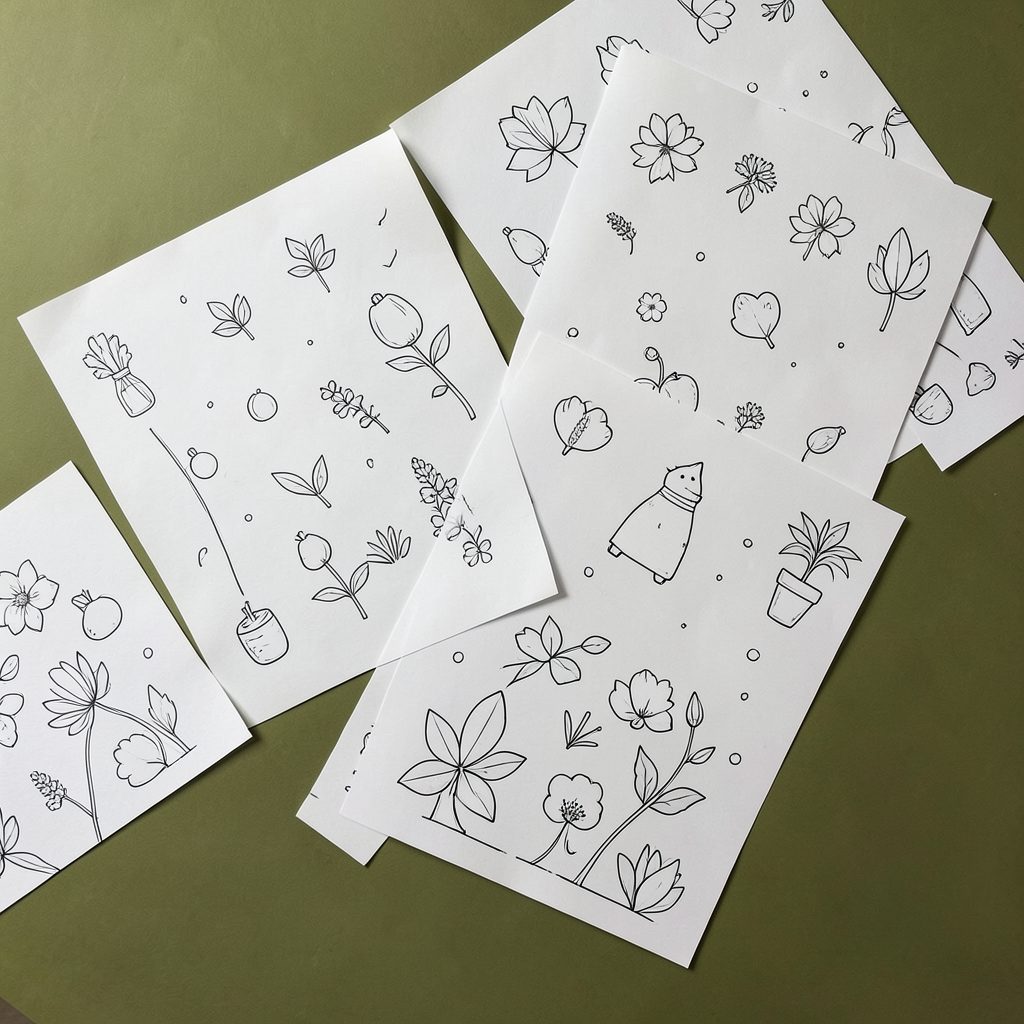
presentcontemporaryart brings together an extensive library of free printable coloring pages. From friendly giraffes and adventure-time characters to seasonal holiday sheets, there is something here to spark every child's creativity. All pages are easy to download and print at high resolution — perfect for rainy afternoons, classroom activities, or quiet time at home.
Animals & Nature
Giraffes, goldfinches, orioles, and woodland creatures — a wide selection of animal coloring pages for young nature lovers.

Cartoon Characters
Adventure Time, Land Before Time, Justin Time, and more beloved characters ready to be brought to life with color.
Holidays & Seasons
Halloween, New Year, and seasonal coloring sheets to celebrate special times throughout the year.
Coloring Pages for Learning About the Solar Eclipse
A solar eclipse turns an astronomy lesson into a memorable visual experience. As the Moon moves between the Sun and Earth, daylight changes, shadows shift, and a striking pattern appears in the sky. Children can explore these ideas through drawing, coloring, labeling, and conversation.
Coloring activities make space science approachable for different ages. Young children can identify the Sun, Moon, and Earth, while older students can study orbital paths, eclipse phases, and the difference between total, partial, and annular eclipses.
Printable pages also give children a calm way to revisit the subject after a lesson or viewing event. Families and teachers can find a broad printable coloring collection that works well for creative learning at home, in classrooms, and during science-themed activities.
Why eclipse coloring supports learning
An eclipse illustration gives children a clear starting point for understanding a complex event. They can color the Sun as a bright star, shade the Moon, and trace the path of its shadow toward Earth. These simple actions reinforce the order and position of the three celestial bodies.
Coloring also encourages careful observation. A child may notice the Moon’s curved outline, the bright corona around the Sun, or the dark area called the umbra. Discussing these details while working on a page helps connect visual symbols with scientific vocabulary.
Build the science behind the picture
Begin with the basic alignment: the Sun is the star at the center of our solar system, the Moon travels around Earth, and an eclipse occurs when the Moon’s position creates a shadow on part of Earth. A labeled coloring sheet can help children remember this arrangement.
Older students can add more detail by comparing eclipse types. A total solar eclipse happens when the Sun is fully covered from a viewing location. A partial eclipse leaves part of the Sun visible, while an annular eclipse creates a bright ring because the Moon appears slightly smaller in the sky.
Eclipse coloring pages can also introduce the idea that eclipses do not happen every month. The Moon’s orbit is tilted compared with Earth’s path around the Sun, so the three bodies must reach a particular alignment for an eclipse to occur.
Match the activity to the child’s age
For preschoolers and early readers, use large illustrations with limited text. Ask them to name the objects, choose colors, and place stickers or arrows showing where the Moon is located. Simple prompts such as “What is blocking the light?” help develop basic reasoning.
Elementary students can label diagrams, write short facts, or color different parts of an eclipse shadow. Middle school learners may compare lunar and solar eclipses, explain why the shadow moves, or create a sequence showing the event from beginning to end.
| Age group | Learning focus | Useful activity |
|---|---|---|
| Ages 3–5 | Recognizing the Sun, Moon, and Earth | Color a simple space scene and name each object |
| Ages 6–8 | Understanding alignment and shadows | Label the eclipse diagram and draw the shadow |
| Ages 9–12 | Comparing eclipse types | Color, define, and contrast total, partial, and annular eclipses |
| Teens | Applying astronomy concepts | Annotate orbital paths and explain viewing conditions |
Turn a coloring page into a lesson
Before coloring, invite children to predict what happens when the Moon passes in front of the Sun. Their answers can be written in a notebook, then revisited after the activity. This creates a natural comparison between an initial idea and a refined scientific explanation.
During the activity, introduce terms such as orbit, alignment, shadow, corona, totality, and umbra. Children do not need to memorize every word at once. Repeating a term while pointing to the relevant part of the illustration makes the vocabulary easier to remember.
Afterward, ask the child to explain the picture in their own words. A short caption such as “The Moon blocks sunlight and casts a shadow on Earth” turns an artistic project into a quick assessment of understanding.
Make the experience safe and memorable
A coloring page is useful before or after an eclipse viewing session, but it does not replace proper eye protection. Children should never look directly at the Sun through ordinary sunglasses, cameras, binoculars, or homemade filters. Use certified solar viewing glasses or an indirect projection method and follow guidance from reputable astronomy organizations.
You can connect the craft to a shadow experiment. Place a ball between a lamp and another object to model how the Moon blocks light. Move the ball slightly to show why the shadow can cover only part of Earth. This hands-on demonstration gives meaning to the shapes children see on the printed page.
For a seasonal display, hang finished artwork with a short fact card. A classroom wall might include drawings of the Sun, Moon, and Earth, while a family activity area could feature a timeline of eclipse observations and children’s questions about space.
Gather materials for a focused activity
A successful solar eclipse craft does not require expensive supplies. Print an illustration, provide crayons or colored pencils, and keep a few reference images nearby. Black, yellow, gray, and deep blue are useful, though children can choose imaginative colors when the goal is creative expression.
Teachers can pair the page with a short reading passage, a solar system model, or an eclipse-themed writing prompt. Families might combine coloring with a bedtime astronomy discussion or a visit to a local science center.
- Select an illustration that matches the child’s reading and drawing abilities.
- Add labels for the Sun, Moon, Earth, umbra, and penumbra when appropriate.
- Invite children to write one fact and one question beside their artwork.
- Review solar viewing safety before any outdoor observation.
- Display completed pages where children can explain what they learned.
Coloring pages for learning about the solar eclipse can support science, language, fine motor skills, and creative confidence in one activity. With a few thoughtful prompts, a printable picture becomes a visual record of how children understand the movement of objects in space.
Print an eclipse-themed page, prepare safe art materials, and let children explore the alignment of the Sun, Moon, and Earth through color and discovery.
Also Discover
A Legacy in Contemporary Art
Beyond coloring pages, presentcontemporaryart has a history as an association of art collectors and patrons — Associazione di Collezionisti e Mecenati. The organization promoted international exhibitions connecting Chinese, Italian, and international artists, with past events in Shanghai and Berlin.



Ready to Start Coloring?
Browse the full collection of free printable coloring pages — all just a click away.
View All Coloring Pages