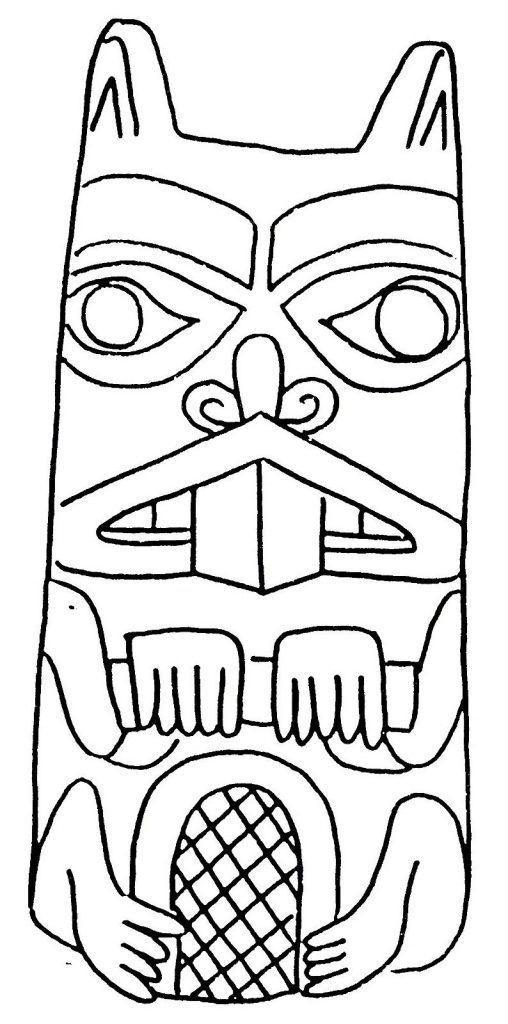
A growing collection of high-resolution coloring sheets — animals, cartoon characters, holidays, and more. Print and enjoy at home or in the classroom.
Explore the CollectionWelcome
Coloring Fun for Every Child
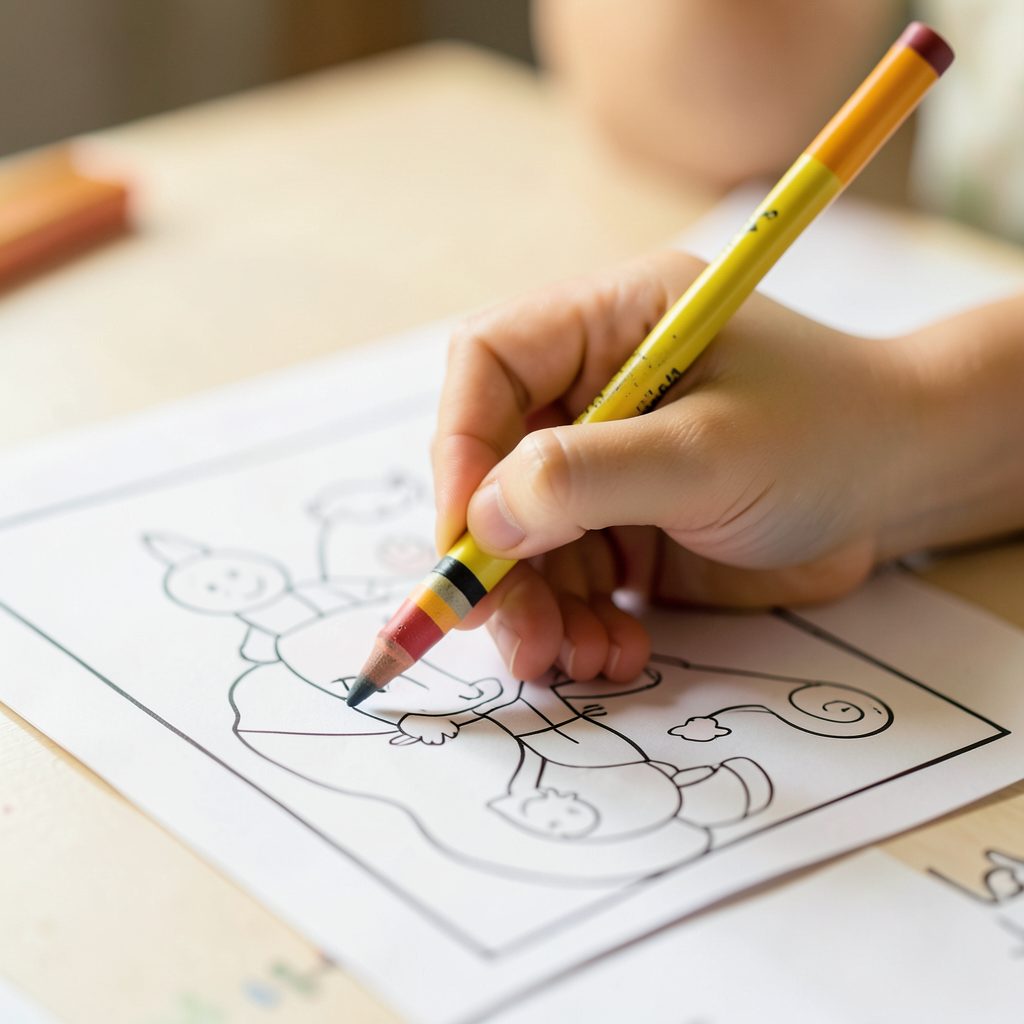
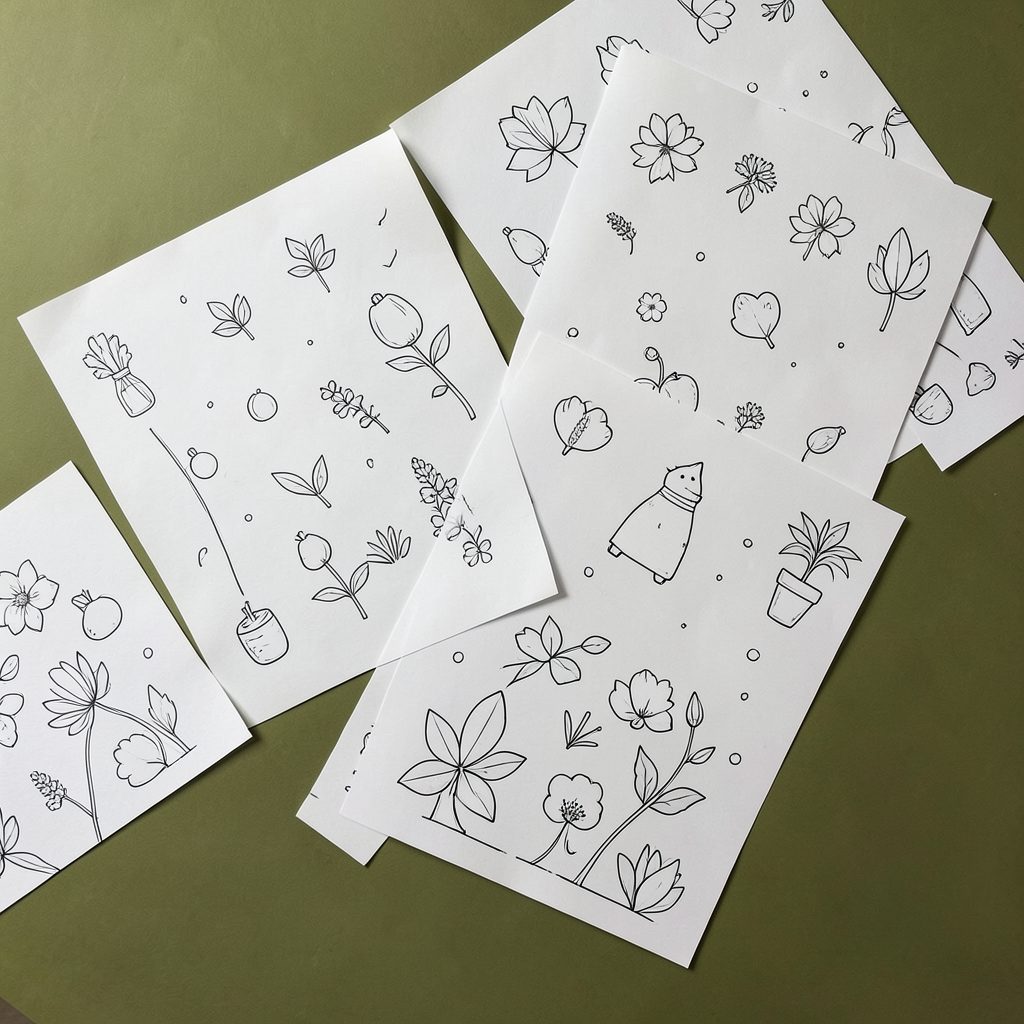
presentcontemporaryart brings together an extensive library of free printable coloring pages. From friendly giraffes and adventure-time characters to seasonal holiday sheets, there is something here to spark every child's creativity. All pages are easy to download and print at high resolution — perfect for rainy afternoons, classroom activities, or quiet time at home.
Animals & Nature
Giraffes, goldfinches, orioles, and woodland creatures — a wide selection of animal coloring pages for young nature lovers.
Cartoon Characters
Adventure Time, Land Before Time, Justin Time, and more beloved characters ready to be brought to life with color.
Holidays & Seasons
Halloween, New Year, and seasonal coloring sheets to celebrate special times throughout the year.
Coloring Pages for Learning About the Phases of the Moon
The Moon changes appearance in a predictable pattern, making it an engaging subject for young learners. With coloring pages for learning about the phases of the Moon, children can explore astronomy through simple shapes, repeated observation, and hands-on creativity.
A printable lunar cycle activity gives children a chance to recognize the difference between a new moon, crescent moon, quarter moon, gibbous moon, and full moon. As they color each image, they begin to see that the Moon is always round, even when only part of its sunlit side is visible from Earth.
Present Contemporary Art offers free printable pages that can be used at home, in classrooms, libraries, or during quiet creative time. No registration is needed, so families and teachers can download an activity and begin learning right away.
Why lunar phases matter
The phases of the Moon teach an important idea about light and perspective. The Moon does not create its own light; sunlight illuminates different portions of its surface as the Moon travels around Earth. The changing shapes we see are caused by our viewing position.
Children often think that a crescent Moon is physically shaped like a curve. A coloring worksheet helps correct this misunderstanding by showing the complete lunar cycle in sequence. Visual repetition makes the concept easier to remember than a definition alone.
A visual journey through the lunar cycle
A full set of Moon phase coloring sheets can show eight familiar stages: new moon, waxing crescent, first quarter, waxing gibbous, full moon, waning gibbous, third quarter, and waning crescent. The terms waxing and waning describe whether the bright portion appears to be growing or shrinking.
Encourage children to color the visible part of each Moon with a bright shade and leave the shadowed portion dark or uncolored. This simple contrast turns the page into a visual model. Older children may add arrows to show the order of the phases or label each stage with its scientific name.
What children can learn while coloring
Coloring supports recognition, vocabulary, and sequencing. Children practice matching an image to a word, arranging the phases in order, and describing changes with terms such as illuminated, shadow, orbit, crescent, quarter, and gibbous.
The activity can also encourage careful observation. Ask children to compare the first quarter and third quarter phases, which look similar but are illuminated on opposite sides. They can also notice that the full Moon appears bright and round, while the new Moon is difficult to see because its lit side faces away from Earth.
| Moon phase | What children can notice | Useful learning word |
|---|---|---|
| New moon | The visible side appears dark | shadow |
| Waxing crescent | A small bright curve begins to show | growing |
| First quarter | Half of the visible face is lit | quarter |
| Waxing gibbous | More than half is illuminated | waxing |
| Full moon | The visible face looks fully bright | illumination |
| Waning gibbous | The bright area begins to decrease | waning |
| Third quarter | Half of the visible face is lit again | cycle |
| Waning crescent | A thin bright curve remains | shrinking |
Choosing pages for different ages
Preschool children may enjoy large Moon shapes with clear outlines and minimal text. These pages can focus on color recognition, counting, and simple words such as dark, bright, round, and crescent. An adult can name each phase while the child colors.
Early elementary students can use labeled lunar phase worksheets or cut-and-order activities. They may draw the Sun and Earth, match phase names to pictures, or create a Moon observation calendar. These tasks connect a creative exercise with basic Earth and space science.
Older learners can add more detail by recording the date and appearance of the Moon each evening. They might compare their observations with a lunar calendar and discuss why the cycle takes about 29.5 days from one new moon to the next.
Simple ways to use the pages
Printable astronomy activities work well as short lessons, independent work, or additions to a larger space theme. The goal does not need to be a long science lecture. A few focused prompts can help children connect the pictures with what they see in the night sky.
- Print a complete lunar cycle and have children color the phases in order.
- Ask learners to circle the waxing phases and underline the waning phases.
- Create a classroom or bedroom Moon diary with one observation for each evening.
- Use paper plates, crayons, and dark construction paper to model the illuminated side.
- Invite children to label the new moon, full moon, and two quarter phases first.
Connecting art with night-sky observation
A coloring activity becomes more meaningful when children look for the Moon after dark. They can sketch its shape, write down the date, and compare the real sky with their printed worksheet. Cloudy weather can become a useful reminder that observation sometimes requires patience.
Teachers can display completed pages as a lunar cycle gallery. Each child may use different colors for the background while keeping the illuminated portions easy to identify. This allows artistic freedom without losing the central science concept.
Families can revisit the same activity every few weeks. As children become familiar with the sequence, they may predict what the Moon will look like next. Prediction turns a printable coloring page into an early astronomy investigation.
Download free Moon phase coloring pages from Present Contemporary Art and give children a clear, creative way to explore the lunar cycle. Print a few pages for a quick activity or prepare a complete set for a longer lesson about Earth, sunlight, and the changing night sky.
Also Discover
A Legacy in Contemporary Art
Beyond coloring pages, presentcontemporaryart has a history as an association of art collectors and patrons — Associazione di Collezionisti e Mecenati. The organization promoted international exhibitions connecting Chinese, Italian, and international artists, with past events in Shanghai and Berlin.

Ready to Start Coloring?
Browse the full collection of free printable coloring pages — all just a click away.
View All Coloring Pages