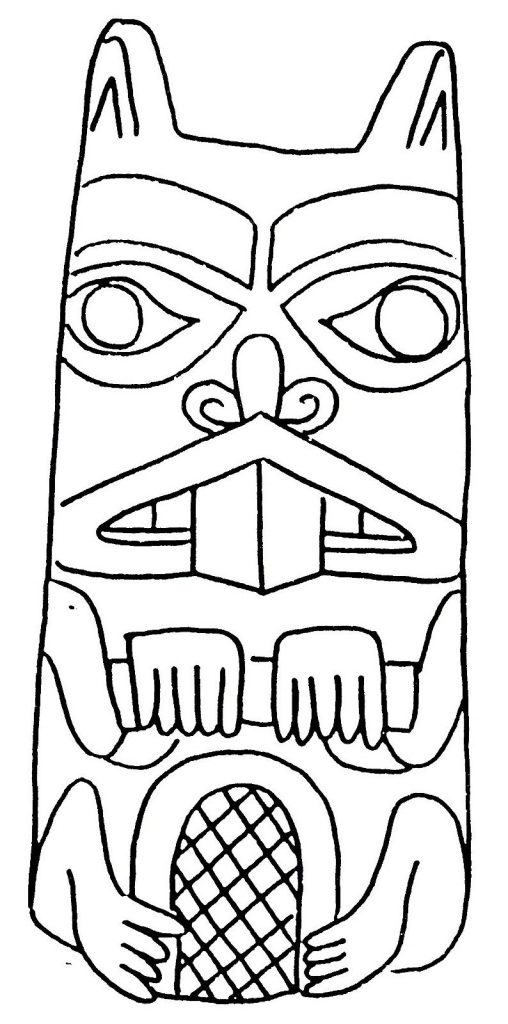
A growing collection of high-resolution coloring sheets — animals, cartoon characters, holidays, and more. Print and enjoy at home or in the classroom.
Explore the CollectionWelcome
Coloring Fun for Every Child
presentcontemporaryart brings together an extensive library of free printable coloring pages. From friendly giraffes and adventure-time characters to seasonal holiday sheets, there is something here to spark every child's creativity. All pages are easy to download and print at high resolution — perfect for rainy afternoons, classroom activities, or quiet time at home.
Animals & Nature
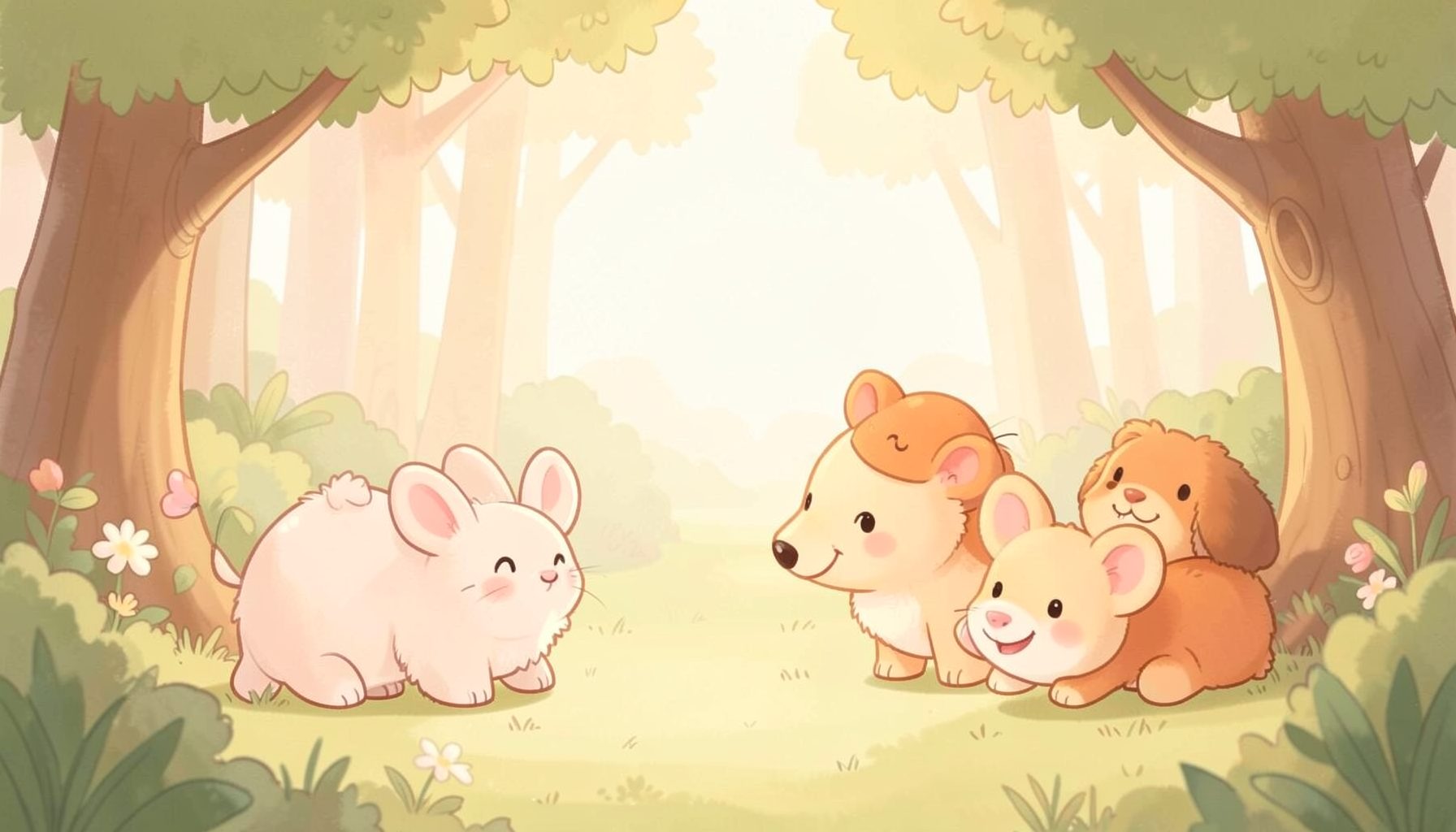
Giraffes, goldfinches, orioles, and woodland creatures — a wide selection of animal coloring pages for young nature lovers.

Cartoon Characters
Adventure Time, Land Before Time, Justin Time, and more beloved characters ready to be brought to life with color.
Holidays & Seasons
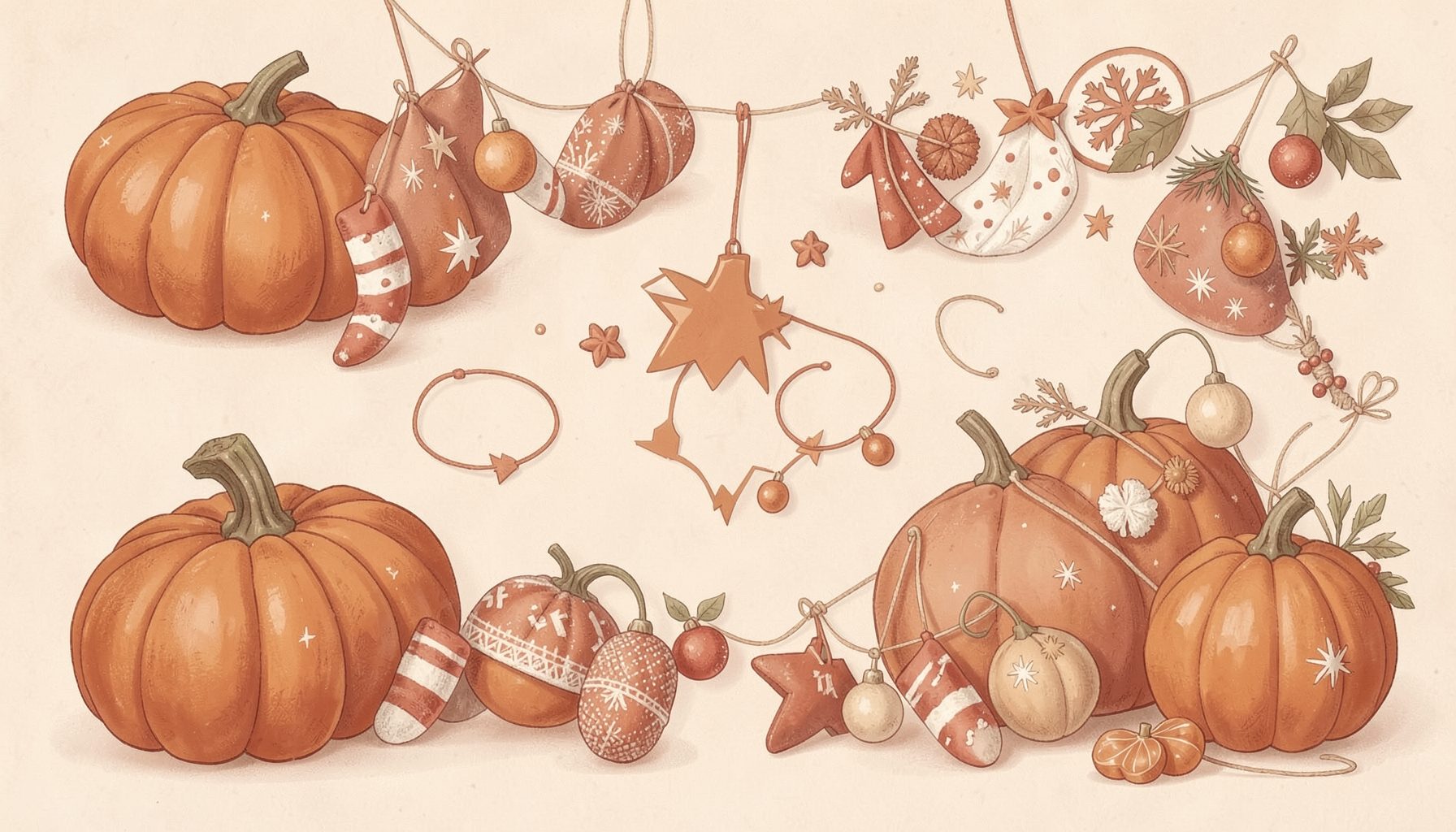
Halloween, New Year, and seasonal coloring sheets to celebrate special times throughout the year.
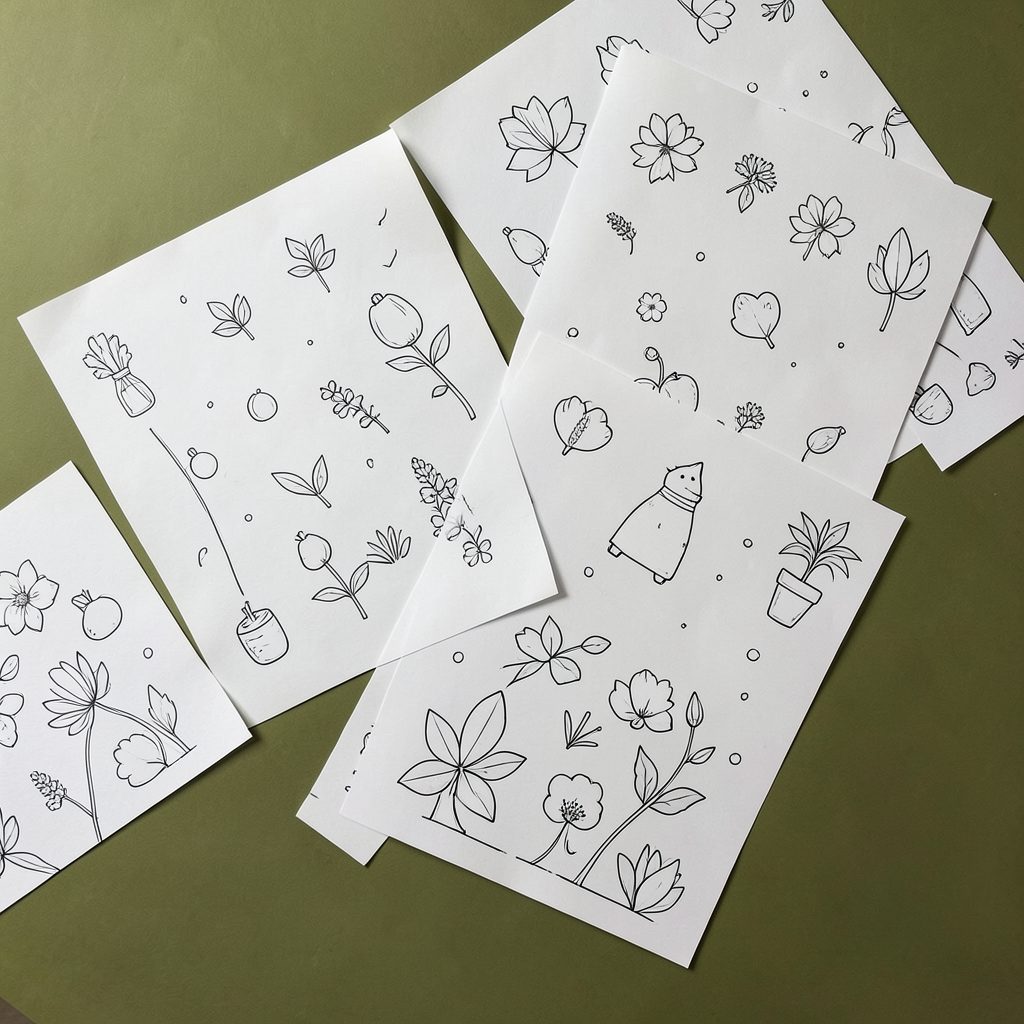
Plant Parts Coloring Pages for Curious Young Learners
Plant-themed colouring activities give children a hands-on way to explore science. As they colour roots, stems, leaves, flowers, fruit and seeds, they begin to recognise how each part looks and what job it performs. A printable worksheet can turn a quiet creative session into a simple lesson about growth, food and the natural world.
Present Contemporary Art offers free printable colouring pages that suit homes, classrooms and children’s activity groups. Pages can be downloaded without registration, so parents and teachers can print a few copies before a rainy afternoon in Melbourne, a sunny morning in Brisbane or a primary science lesson in Perth.
The drawings can be connected to familiar Australian examples. Children may compare a flowering wattle with a bean plant grown in a pot, observe leaves on a gum tree, or discuss how herbs grow on a Sydney balcony. Colouring helps make these everyday observations more memorable.
| Plant part | What children can learn | Simple activity |
|---|---|---|
| Roots | Take in water and hold the plant in the soil | Draw roots under the ground |
| Stem | Supports the plant and carries water | Colour a strong central stem |
| Leaves | Use sunlight to help make food | Add veins and different shades of green |
| Flower | Helps the plant reproduce and attract pollinators | Identify petals and pollen |
| Fruit and seeds | Protect and spread the next generation | Match seeds to familiar foods |
Learning the main parts of a plant
A labelled plant diagram is a useful starting point. Children can colour each section differently, then trace the labels for root, stem, leaf, flower, fruit and seed. This encourages visual recognition before they need to explain the functions in their own words.
Younger children may focus on matching pictures and colours, while older primary students can add short descriptions. For example, they might write that roots absorb water, leaves capture sunlight and the stem transports water through the plant. The same printable page can therefore support several age groups.
Connecting pictures with real plants
A colouring sheet becomes more meaningful when children examine a real plant afterwards. A potted basil plant, a tomato seedling or a sprouting bean can show roots, stems and leaves at different stages. Supervise any outdoor activity and remind children to wash their hands after handling soil.
Australian homes and schools often have useful examples close by. Children might see a bottlebrush in a local garden, a banksia on a nature walk or a gum tree near the playground. In drier parts of South Australia and Western Australia, a discussion about waterwise gardening can explain why some plants have tough, narrow or waxy leaves.
Building a simple science activity
Print a plant colouring page alongside a small set of word cards. Children can place each card beside the matching part, then colour the picture using a chosen key. Green for leaves, brown for roots and a bright shade for flowers creates a clear visual system without making the task too difficult.
A growing diary adds another layer of learning. Children can draw a seed on the first day, a shoot a few days later and new leaves after that. Families may use a recycled yoghurt container, while classrooms can place a bean in a clear jar so students can observe the roots without disturbing the plant.
Using plant themes across Australian seasons
Seasonal timing can shape the activity. In southern cities such as Melbourne and Hobart, children may observe slower growth during cooler months, while warm conditions in Darwin or Brisbane can support different planting conversations. Australia’s seasons vary by region, so local gardens are a better reference than a single nationwide calendar.
A spring page featuring flowers can lead to a lesson about bees and other pollinators. An autumn activity can focus on fruit and seed dispersal, including seeds carried by wind, animals or water. Children can also colour vegetables they recognise from lunchboxes, supermarket produce sections or a school garden.
Supporting classroom and home learning
These printable worksheets fit well with early science lessons and the Australian Curriculum’s focus on living things, observation and classification. Teachers can use a page as a quiet arrival activity, a group discussion prompt or an assessment task where students label a plant and explain one function.
At home, a parent might print pages during a weekend visit to the garden centre or while planning a small herb pot. Many Australian families buy seedlings and gardening supplies from local nurseries or Bunnings, making it easy to connect the worksheet with an affordable real-life project. Children can compare a printed illustration with mint, parsley or cherry tomatoes growing at home.
Because the pages are available without registration, they are convenient for quick preparation. Check the website’s usage terms before distributing materials beyond ordinary home or classroom use. Australian users should also remember that the Copyright Act 1968 protects creative works; free access to a printable page does not automatically permit selling copies, altering the artwork for commercial products or reposting the collection elsewhere.
Also Discover
A Legacy in Contemporary Art
Beyond coloring pages, presentcontemporaryart has a history as an association of art collectors and patrons — Associazione di Collezionisti e Mecenati. The organization promoted international exhibitions connecting Chinese, Italian, and international artists, with past events in Shanghai and Berlin.


Ready to Start Coloring?
Browse the full collection of free printable coloring pages — all just a click away.
View All Coloring Pages