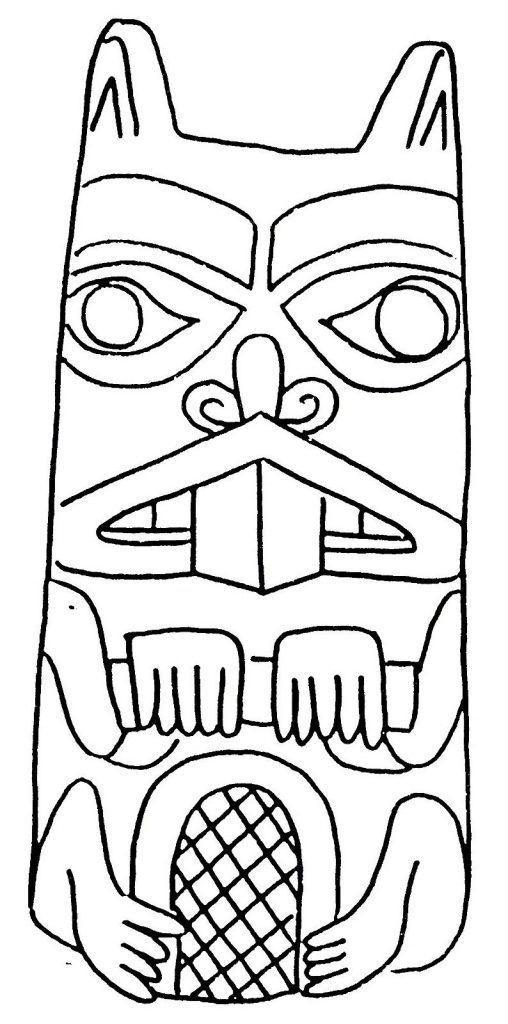
A growing collection of high-resolution coloring sheets — animals, cartoon characters, holidays, and more. Print and enjoy at home or in the classroom.
Explore the CollectionWelcome
Coloring Fun for Every Child
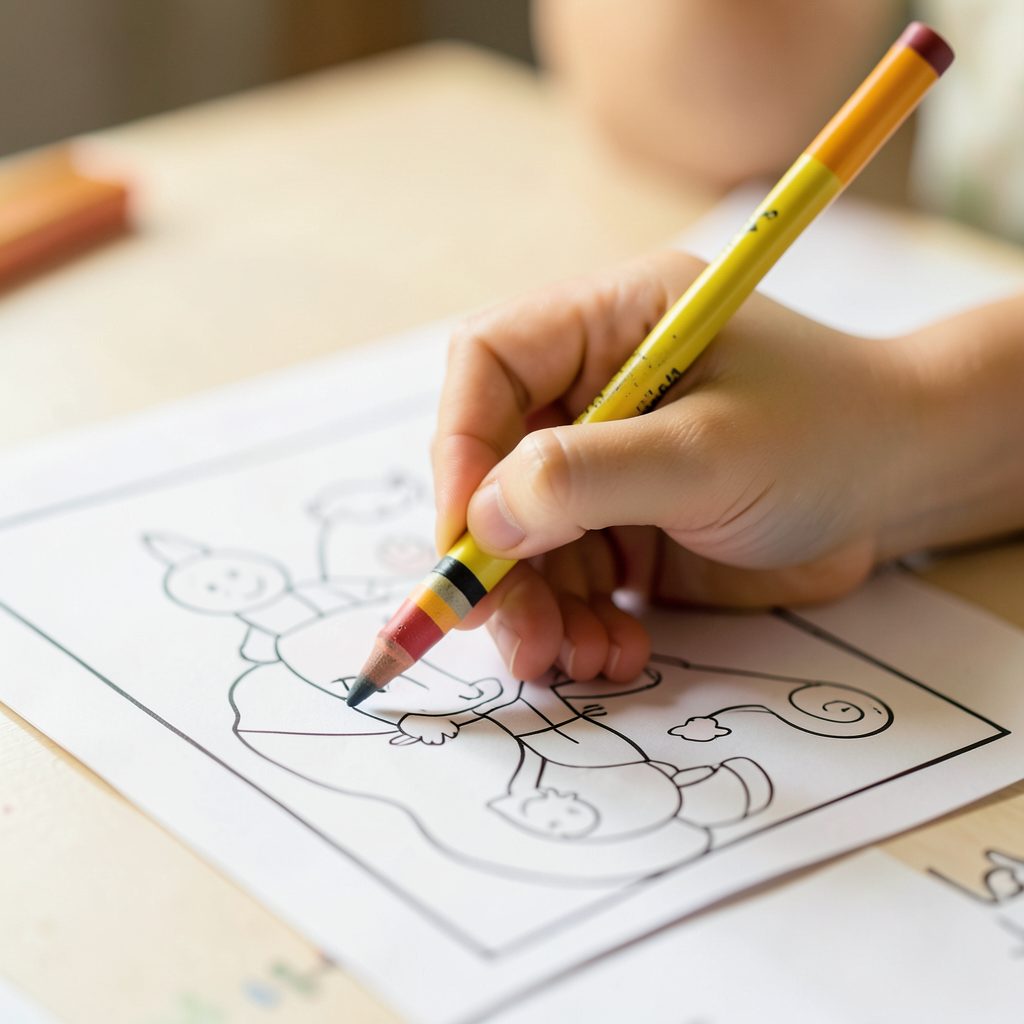
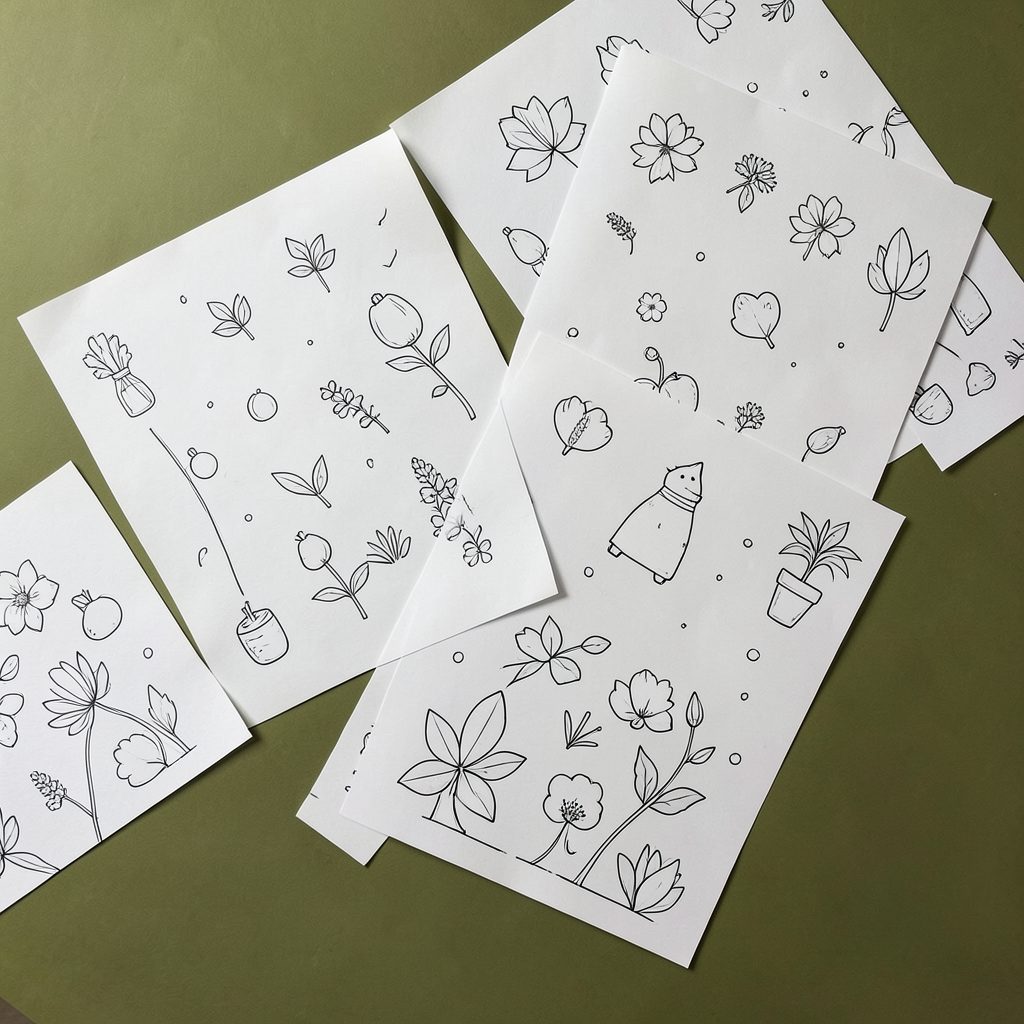
presentcontemporaryart brings together an extensive library of free printable coloring pages. From friendly giraffes and adventure-time characters to seasonal holiday sheets, there is something here to spark every child's creativity. All pages are easy to download and print at high resolution — perfect for rainy afternoons, classroom activities, or quiet time at home.
Animals & Nature
Giraffes, goldfinches, orioles, and woodland creatures — a wide selection of animal coloring pages for young nature lovers.
Cartoon Characters
Adventure Time, Land Before Time, Justin Time, and more beloved characters ready to be brought to life with color.
Holidays & Seasons
Halloween, New Year, and seasonal coloring sheets to celebrate special times throughout the year.
Coloring pages that reveal the life cycle of a frog
Frogs offer children a clear and fascinating way to explore change in nature. A tiny egg develops into a swimming tadpole, then gradually becomes a young frog with legs, lungs, and a very different body shape. Printable illustrations make each stage easier to observe, discuss, and remember.
Coloring pages for learning about the life cycle of a frog combine creative play with early science education. As children add color, they can identify frogspawn, tadpoles, developing legs, and adult frogs while building vocabulary and strengthening attention to detail.
These activities work well at home, in preschool, or in an elementary classroom. Since the pages can be downloaded and printed without registration, adults can prepare a simple lesson whenever children are ready to learn.
Why frogs make science memorable
A frog’s transformation is called metamorphosis. Unlike a young mammal, which usually resembles a smaller version of its parent, a tadpole looks and lives quite differently from an adult frog. This contrast gives children a memorable example of how animals grow and adapt.
Frogs also connect several science ideas at once. Children can talk about animal habitats, water, food chains, breathing, movement, and seasonal changes. Comparing frogs with other creatures, such as those featured in these safari animal pages, helps them notice how body structures match different environments.
From frogspawn to tadpole
The life cycle begins when a female frog lays clusters of eggs in water. The eggs are often surrounded by a clear, jelly-like coating that helps protect them and keeps them moist. Inside each egg, a tiny embryo develops until it is ready to hatch.
A tadpole emerges with a rounded body and a long tail. At first, it uses gills to breathe underwater and feeds mostly on plant material, algae, or other soft organic matter. It has no legs, so its tail is essential for swimming.
A coloring page showing frog eggs and tadpoles gives children a chance to place the first stages in order. Encourage them to point out the water, describe the tadpole’s shape, and explain why a tail is useful at this point in the cycle.
| Life stage | Key features | Main habitat or activity |
|---|---|---|
| Frog eggs | Small embryos surrounded by jelly | Still or gently moving water |
| Tadpole | Tail, rounded body, and gills | Swimming and feeding underwater |
| Tadpole with hind legs | Back legs begin to develop | Moving through shallow water |
| Froglet | Four legs, lungs, and a shrinking tail | Leaving water and exploring land |
| Adult frog | Fully formed body and no tail | Feeding, sheltering, and reproducing |
Watching the body change
As a tadpole grows, its hind legs appear first, followed by its front legs. Its mouth and digestive system also change as its diet develops. The tail gradually becomes shorter because the body reabsorbs much of the tissue and uses its nutrients.
The young frog, known as a froglet, begins breathing air with lungs. It may still have a small tail, but it now looks and behaves more like an adult. This stage is especially useful for teaching children that development happens in a sequence rather than all at once.
Ask children to color each stage with a different shade or add arrows between pictures. The visual sequence can help them understand words such as “develop,” “transform,” “emerge,” and “adult.”
Simple ways to guide learning
Coloring should remain enjoyable, but a few prompts can turn a quiet activity into a focused science lesson. Use open-ended observations instead of expecting children to memorize every term immediately.
- Ask children to arrange the pictures from egg to adult frog.
- Invite them to circle the stage that lives only in water.
- Have them label the tail, legs, gills, lungs, and eggs.
- Encourage them to draw arrows showing how the frog changes.
- Let them create a short sentence for each stage.
After coloring, children can retell the life cycle in their own words. Younger learners may use short phrases, while older students can describe why the tadpole needs gills and why an adult frog needs lungs.
Activities beyond the coloring page
A simple cut-and-order activity reinforces sequencing. Print several life cycle illustrations, cut them apart, and mix them up. Children can arrange the images correctly, then explain what changes from one picture to the next.
For a habitat connection, invite children to draw pond plants, stones, insects, and damp hiding places around their frogs. This encourages them to think about what frogs need for shelter, food, moisture, and reproduction. It also shows that an animal’s life cycle is connected to its surroundings.
A short observation journal can extend the lesson. Children might record the date, sketch one stage, and write one new fact. Even a few entries can introduce careful observation and the idea that living things change over time.
Make the lesson part of a creative routine
Frog life cycle printables fit naturally into a larger collection of animal and nature activities. Pair them with books about ponds, a walk near a safe wetland, or a discussion about spring weather and seasonal changes. Children can compare the shapes, colors, and movements of frogs with insects, birds, and other nearby animals.
Keep the language simple, repeat the stage names, and allow children to revisit the same pages. Repetition helps scientific vocabulary become familiar while coloring supports fine motor control and concentration.
Print a set of frog life cycle pages today and use them to create a colorful sequence from frogspawn to adult frog. With a few questions, labels, and drawings, an ordinary art session can become an engaging exploration of growth, habitat, and metamorphosis.
Also Discover
A Legacy in Contemporary Art
Beyond coloring pages, presentcontemporaryart has a history as an association of art collectors and patrons — Associazione di Collezionisti e Mecenati. The organization promoted international exhibitions connecting Chinese, Italian, and international artists, with past events in Shanghai and Berlin.


Ready to Start Coloring?
Browse the full collection of free printable coloring pages — all just a click away.
View All Coloring Pages