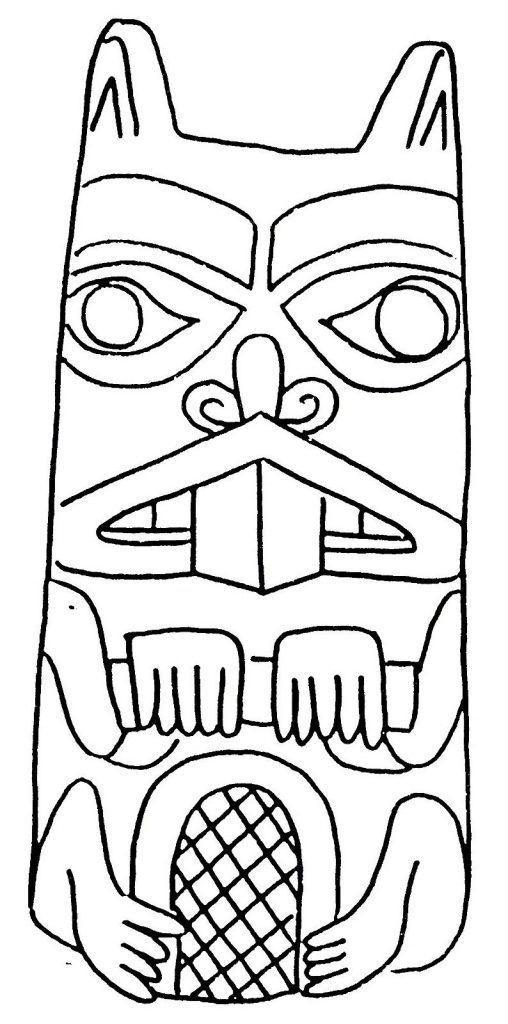
A growing collection of high-resolution coloring sheets — animals, cartoon characters, holidays, and more. Print and enjoy at home or in the classroom.
Explore the CollectionWelcome
Coloring Fun for Every Child
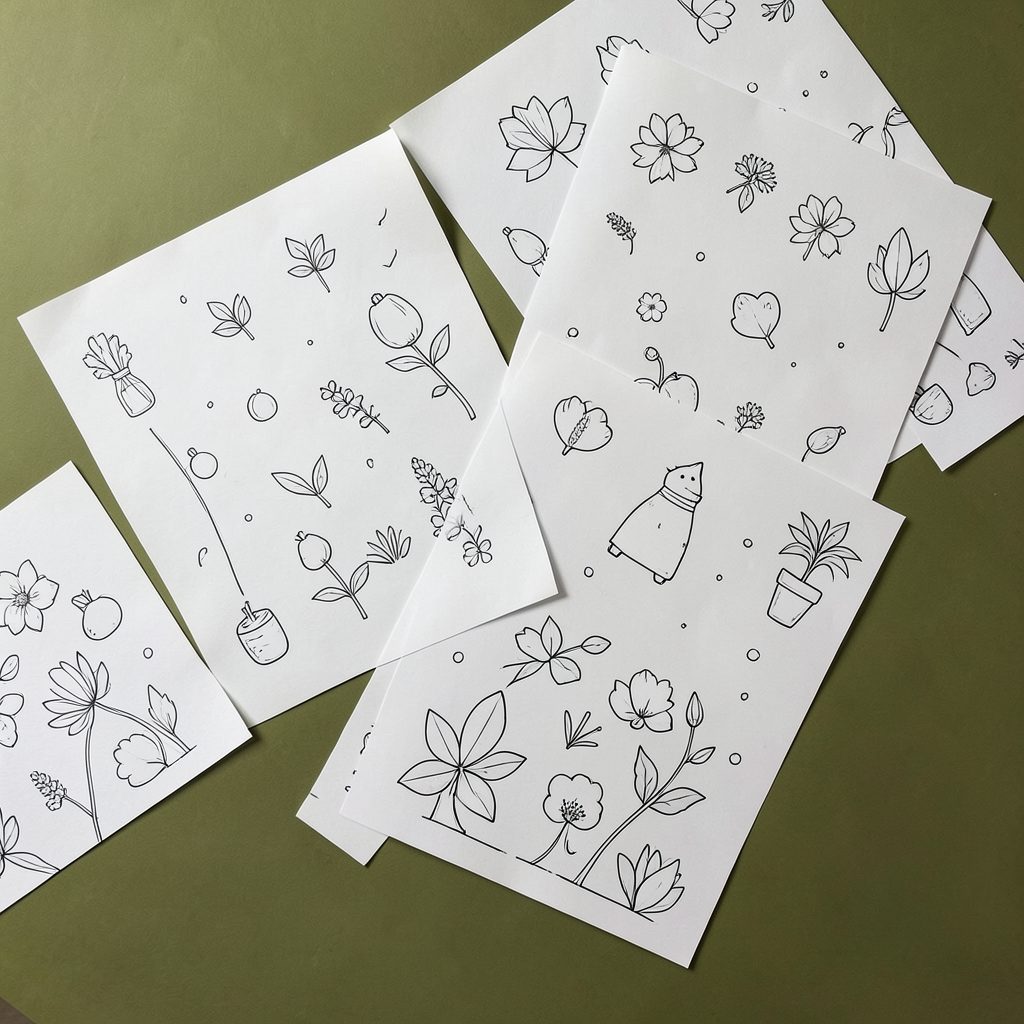
presentcontemporaryart brings together an extensive library of free printable coloring pages. From friendly giraffes and adventure-time characters to seasonal holiday sheets, there is something here to spark every child's creativity. All pages are easy to download and print at high resolution — perfect for rainy afternoons, classroom activities, or quiet time at home.
Animals & Nature
Giraffes, goldfinches, orioles, and woodland creatures — a wide selection of animal coloring pages for young nature lovers.
Cartoon Characters
Adventure Time, Land Before Time, Justin Time, and more beloved characters ready to be brought to life with color.
Holidays & Seasons
Halloween, New Year, and seasonal coloring sheets to celebrate special times throughout the year.
Coloring pages for learning about the life cycle of a butterfly
Butterflies offer children a bright, memorable way to explore change in the natural world. A printable life cycle activity can turn four scientific stages—egg, caterpillar, chrysalis and adult butterfly—into a simple sequence that children can colour, discuss and remember.
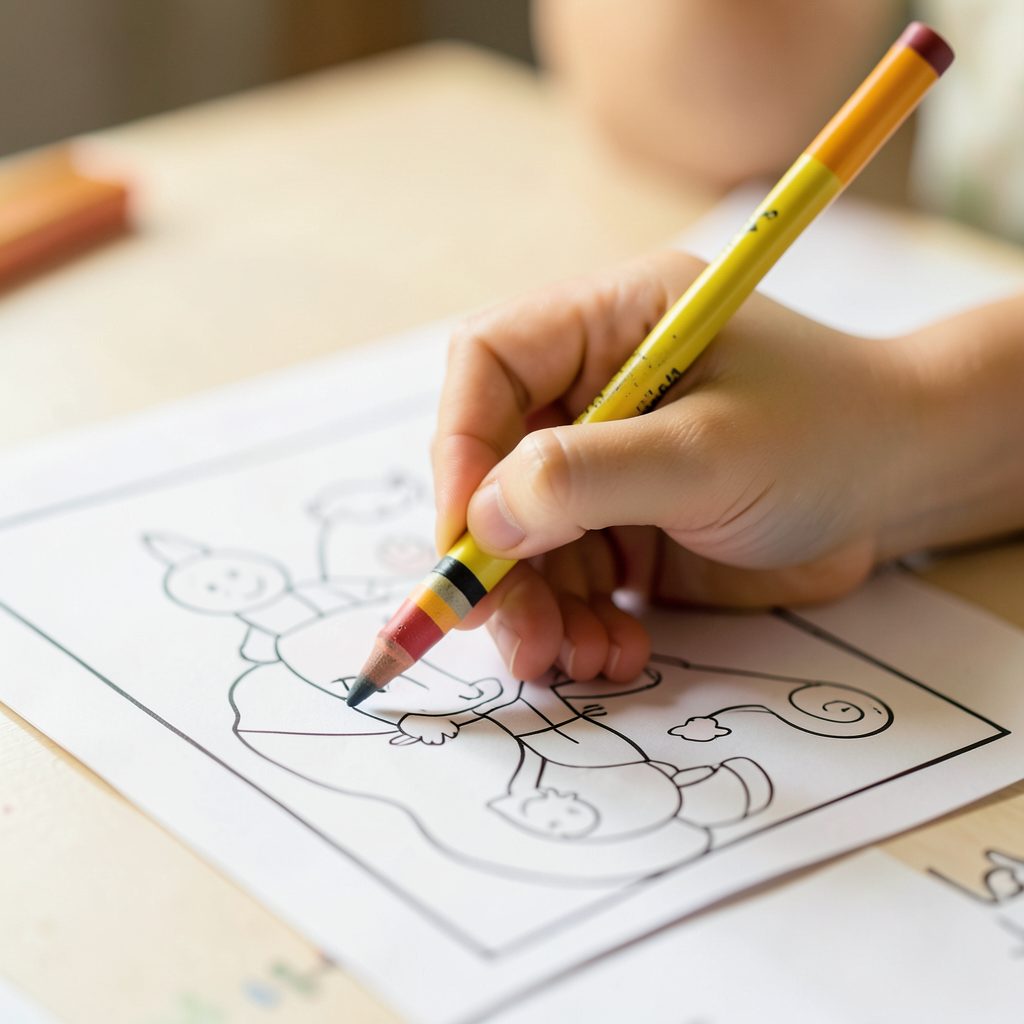
Colouring pages for learning about the life cycle of a butterfly suit preschool activities, primary science lessons and relaxed creative time at home. As children fill in each illustration, they can notice how the insect’s body, diet and movement change from one stage to the next.
For Australian families, the activity can connect with creatures seen in local gardens, parks and school grounds. Children in Brisbane may spot a birdwing, while families in Sydney, Melbourne or Perth might notice cabbage white butterflies visiting herbs and vegetable patches.
These printable worksheets are also useful during Australian school terms, rainy weekends or the long summer holidays. They require very little preparation: a printer, ordinary paper and colouring materials are enough to begin.
Starting with the butterfly egg
The first stage is the egg, usually placed on a plant by an adult female butterfly. A worksheet can show a tiny round or oval egg attached to a leaf, helping children understand that the life cycle begins before a caterpillar appears.
This stage creates an opportunity to talk about careful observation. Children can colour the leaf green, add veins and draw the plant where an egg might be found. In an Australian classroom, the example could be linked to a garden growing lemon, citrus or native flowering plants.
Watching the caterpillar grow
After hatching, the young butterfly is called a caterpillar, or larva. Its main tasks are eating and growing. Since caterpillars shed their skin several times, children can use different patterns and colours to show how the larva changes as it becomes larger.
A teacher or parent might invite children to add leaf bites, tiny legs and simple markings to the picture. This connects the printable activity with food chains and garden care, while keeping the science accessible for early learners. It can also encourage children to look for caterpillars without touching them.
Exploring the chrysalis stage
The pupa is often called a chrysalis when discussing butterflies. Inside this protective casing, the caterpillar undergoes a remarkable transformation. Children may find this stage surprising because the chrysalis looks quiet and still, even though major changes are taking place within it.
A colouring page can place the chrysalis beside the earlier caterpillar stage, making the sequence easy to compare. Encourage children to use natural colours they might see outdoors, such as brown, green or mottled grey, while explaining that different species have different appearances.
Revealing the adult butterfly
The adult butterfly emerges with soft, folded wings. It rests while the wings expand and dry before flying away to feed on nectar, find a mate and lay eggs. This completes the cycle and begins a new generation.
A detailed wing illustration gives children space to experiment with symmetry. They can colour one side first and copy the pattern on the other side, building observation and fine motor skills. Australian children may choose colours inspired by bluebottles, common browns, orchard swallowtails or the striking Ulysses butterfly.
Turning printables into a science activity
The printable colouring collection can be used alongside a simple cut-and-order task. Print the individual stages, let children colour them, then arrange the pictures from egg to adult butterfly. Older students can write one sentence beneath each image using words such as “hatch,” “grow,” “transform” and “emerge.”
For a small-group lesson, give each child a different stage and ask them to explain what happens before and after it. This works well in a Foundation or early primary classroom, including schools preparing displays for a science corner. The pages can also be placed in learning folders as evidence of vocabulary development and sequencing skills.
Connecting the life cycle with Australian seasons
Butterflies can be observed throughout much of Australia, although activity changes with local weather and species. In southern cities such as Melbourne, warm spring days may bring more sightings, while tropical Darwin can offer opportunities to discuss insects across a different seasonal pattern. Australia’s summer, winter and school calendar do not match the northern hemisphere, so local observations make the lesson more meaningful.
Children can keep a gentle butterfly diary by recording the date, weather, plant and insect seen in a backyard, community garden or nearby park. During a school holiday activity, they might colour a new page after each observation. The completed set becomes a visual reminder that a butterfly’s life cycle is continuous, connected to plants, seasons and the wider Australian environment.
Also Discover
A Legacy in Contemporary Art
Beyond coloring pages, presentcontemporaryart has a history as an association of art collectors and patrons — Associazione di Collezionisti e Mecenati. The organization promoted international exhibitions connecting Chinese, Italian, and international artists, with past events in Shanghai and Berlin.



Ready to Start Coloring?
Browse the full collection of free printable coloring pages — all just a click away.
View All Coloring Pages