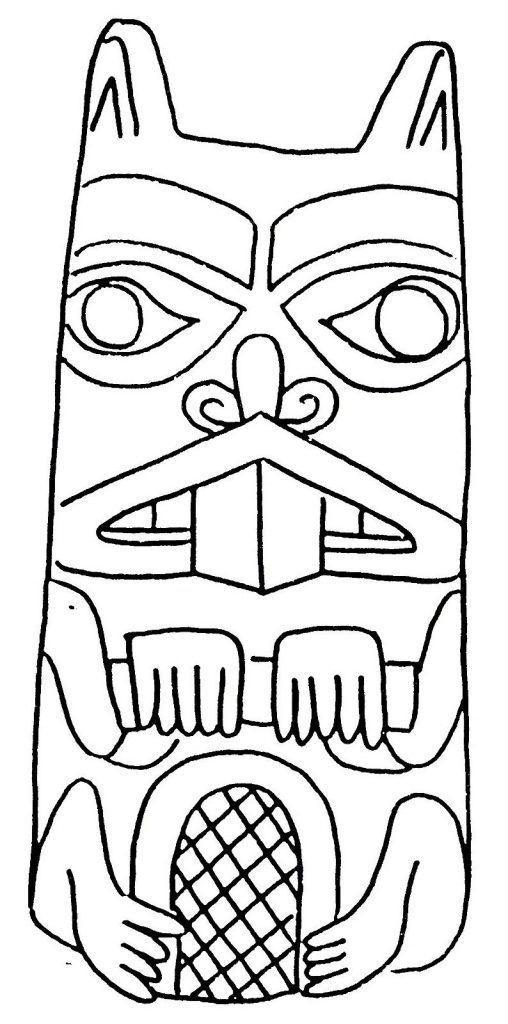
A growing collection of high-resolution coloring sheets — animals, cartoon characters, holidays, and more. Print and enjoy at home or in the classroom.
Explore the CollectionWelcome
Coloring Fun for Every Child
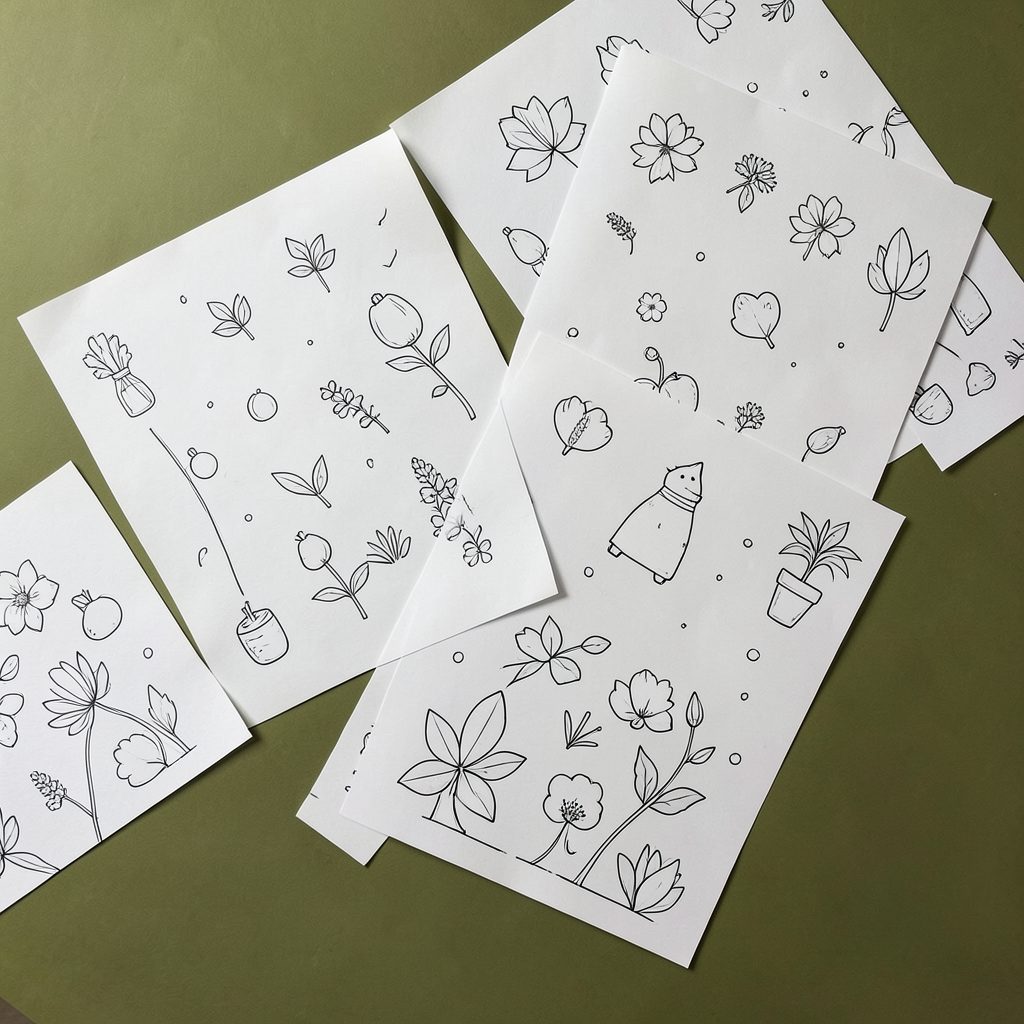
presentcontemporaryart brings together an extensive library of free printable coloring pages. From friendly giraffes and adventure-time characters to seasonal holiday sheets, there is something here to spark every child's creativity. All pages are easy to download and print at high resolution — perfect for rainy afternoons, classroom activities, or quiet time at home.
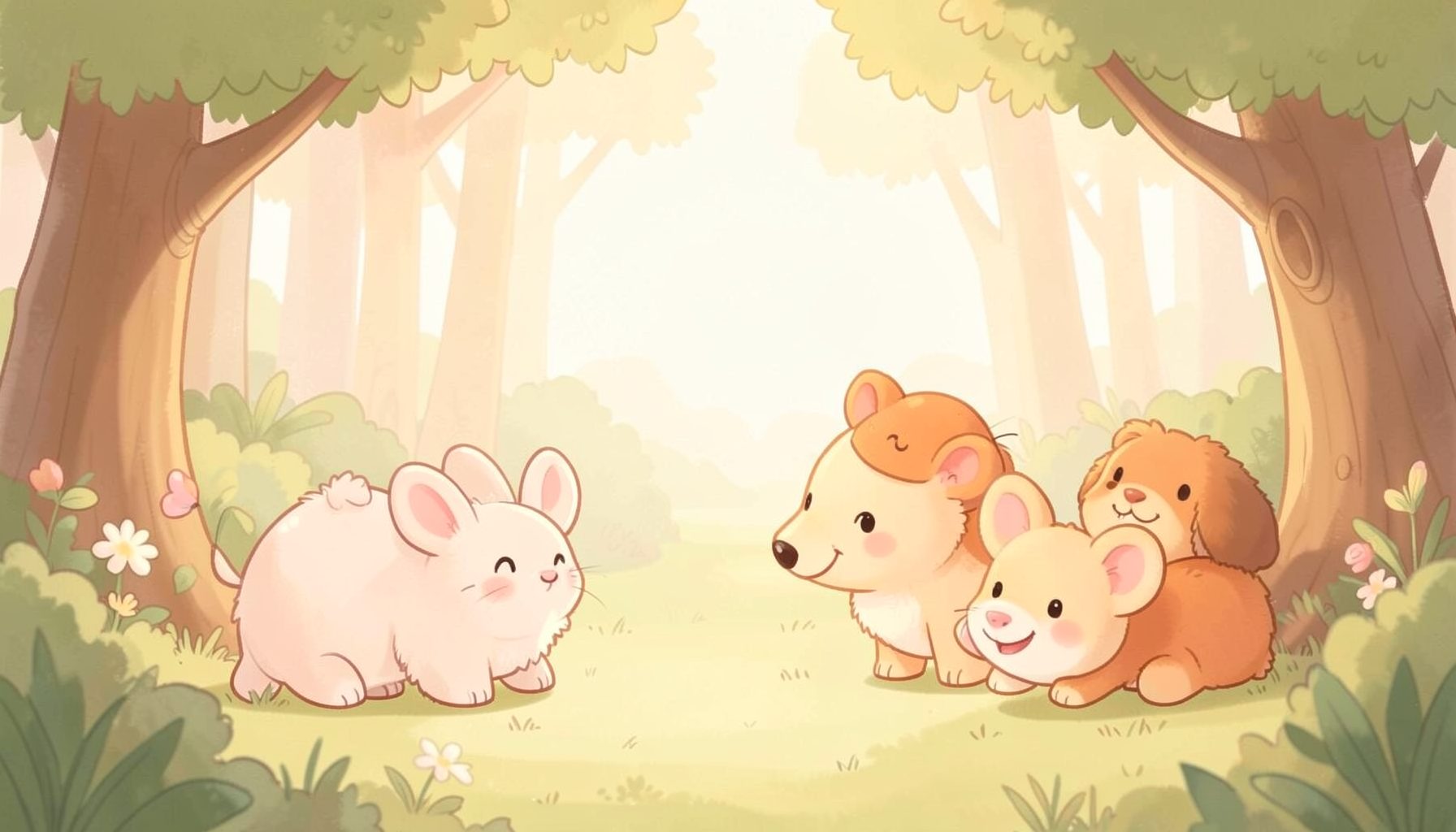
Animals & Nature
Giraffes, goldfinches, orioles, and woodland creatures — a wide selection of animal coloring pages for young nature lovers.

Cartoon Characters
Adventure Time, Land Before Time, Justin Time, and more beloved characters ready to be brought to life with color.
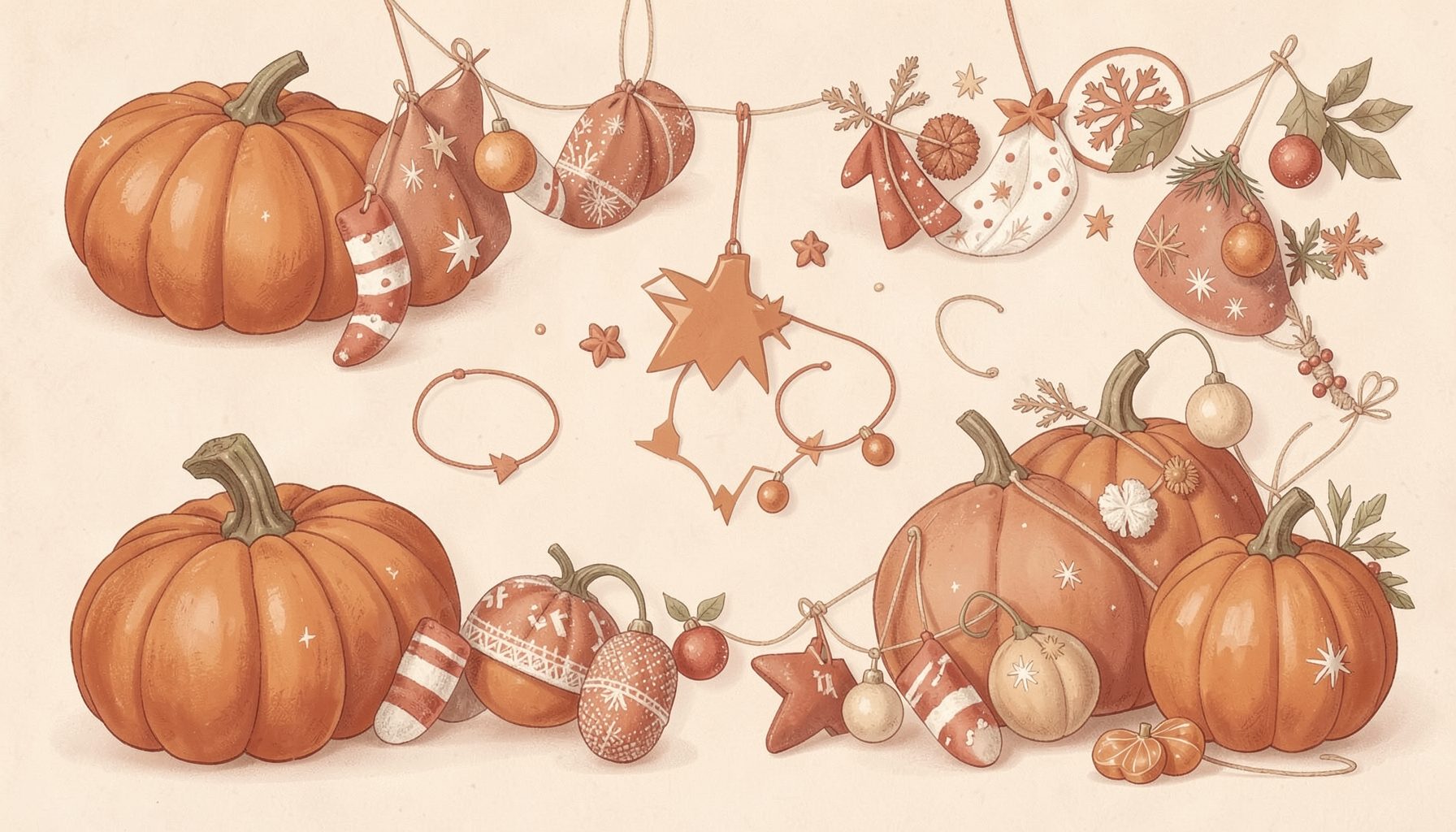
Holidays & Seasons
Halloween, New Year, and seasonal coloring sheets to celebrate special times throughout the year.
Coloring pages for learning about the human heart
Learning about the human heart becomes easier when children can see, color, and discuss each part. Printable heart coloring sheets turn basic anatomy into a hands-on activity that supports memory, vocabulary, and curiosity.
A labeled heart diagram can introduce chambers, valves, blood vessels, and circulation in a friendly format. Children may begin with simple color recognition and gradually explore how oxygen-rich and oxygen-poor blood move through the body.
Present Contemporary Art offers free printable coloring pages for creative learning at home or in the classroom. The pages can be downloaded without registration, giving families and educators an easy resource for a science lesson, health activity, or quiet afternoon project.
Why visual heart lessons work
The heart is an abstract subject for young learners because much of its work happens inside the body. A coloring page gives children a visible model they can examine at their own pace. Filling in the atria, ventricles, arteries, and veins helps transform unfamiliar words into recognizable parts.
Coloring also encourages active participation. Instead of only listening to an explanation, children make decisions about colors, trace pathways, and connect labels with shapes. These small actions can improve recall and make a human biology lesson feel less intimidating.
Basic heart anatomy children can explore
A heart worksheet may introduce the four chambers: the right atrium, right ventricle, left atrium, and left ventricle. The atria receive blood, while the ventricles pump it onward. This simple distinction gives children a foundation for understanding the heart’s main job.
Young students can also learn about the major blood vessels. Arteries carry blood away from the heart, and veins return blood to it. The pulmonary artery and pulmonary vein are useful examples because they connect the heart with the lungs, where blood exchanges carbon dioxide for oxygen.
Valves can be described as tiny doors that help blood move in the correct direction. Older children may be ready to learn about the septum, a wall that separates the left and right sides, or the coronary arteries, which supply the heart muscle itself.
Choosing a page for each age group
The best printable anatomy activity matches a child’s reading level and attention span. A younger child may benefit from a large heart outline with only a few labels, while an older student may enjoy a detailed cardiovascular diagram that includes the lungs and circulation routes.
Color choices can support the lesson without pretending that real blood has bright classroom colors. Red and blue are commonly used in educational diagrams to distinguish oxygen-rich and oxygen-poor blood. Explain that these colors are visual conventions used to make circulation easier to follow.
| Learner stage | Useful page features | Learning focus |
|---|---|---|
| Early learners | Large outline, few labels, bold shapes | Recognizing the heart and basic vocabulary |
| Elementary students | Four chambers and major vessels | Understanding structure and simple function |
| Older students | Arrows, valves, lungs, detailed labels | Following circulation and oxygen exchange |
| Group lessons | Clear print, writing space, uncluttered design | Discussion, review, and shared labeling |
Turning coloring into a science activity
Before coloring begins, invite children to locate the top and bottom sections of the heart. Explain that the heart is a muscular organ, roughly the size of a person’s fist, and that it contracts to pump blood throughout the body. A short explanation gives purpose to the picture.
After the page is colored, children can trace the direction of blood with arrows. One route travels from the body to the right side of the heart, then to the lungs. Another returns from the lungs to the left side before being pumped to the rest of the body. Keeping the explanation simple helps younger learners follow the sequence.
For classroom use, the printable page can become part of a vocabulary wall, notebook activity, or small-group review. Teachers may ask students to label a blank diagram after completing a guided version. This creates a gentle progression from recognition to independent learning.
Simple teaching ideas to try
A heart coloring sheet can support several short activities rather than a single craft session. Keep the focus on exploration, and adapt the language to the child’s age. The goal is to build a clear mental picture of how the heart and circulatory system work together.
Try these activities with a printable heart diagram:
- Use two colors to distinguish the right and left sides of the heart.
- Add arrows showing blood movement between the heart, lungs, and body.
- Match anatomy terms with simple definitions on a separate card set.
- Let children place a hand on their chest and count heartbeats before and after gentle movement.
- Invite older learners to write one fact beside each labeled structure.
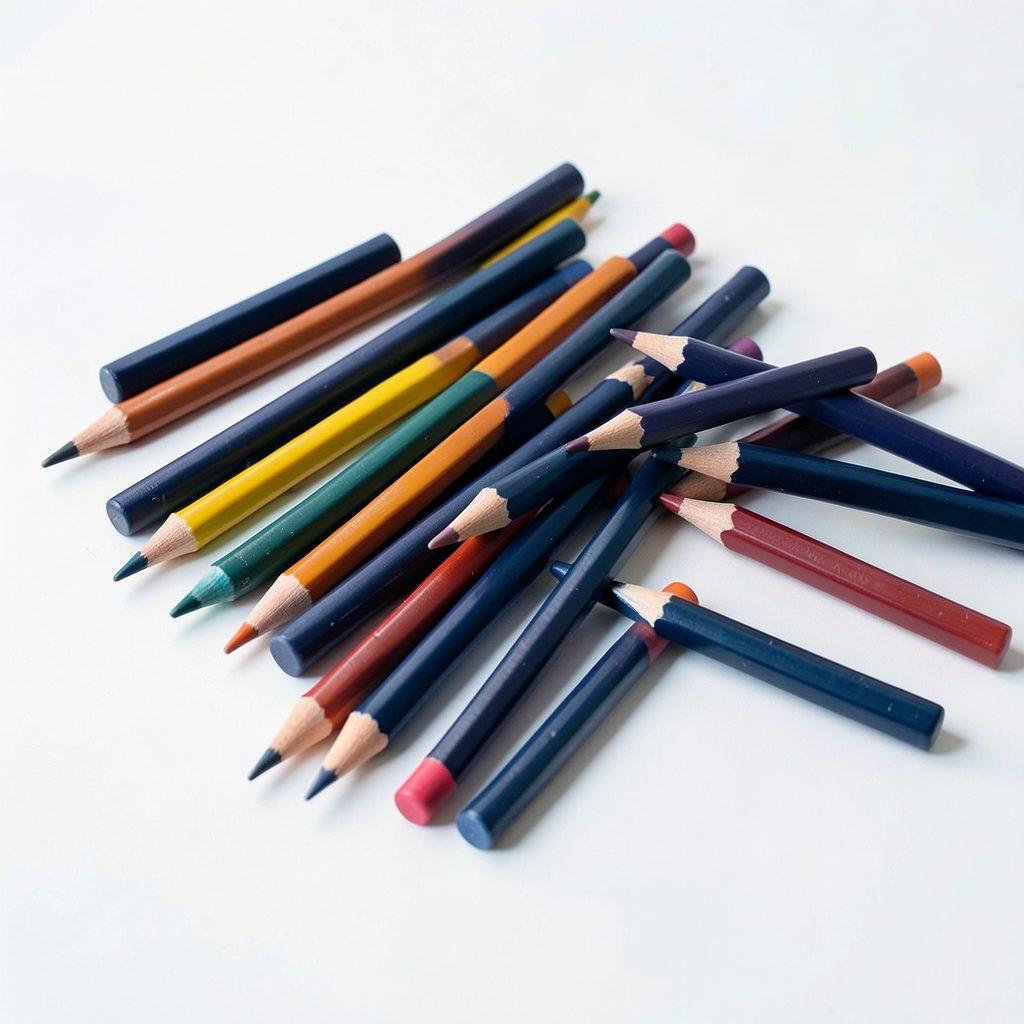
These activities can be completed with crayons, colored pencils, markers, or digital coloring tools. Combining drawing with speaking, writing, and movement gives children several ways to process the same scientific idea.
Connecting heart health with everyday life
A lesson about the heart can lead naturally into age-appropriate conversations about healthy habits. Children can learn that regular movement, nutritious foods, enough sleep, and emotional well-being support the body. Avoid presenting health as a source of fear; frame it as a way to care for an amazing working organ.
The activity can also introduce the idea of pulse. Children may feel a pulse at the wrist or neck with adult guidance and notice that it changes after activity. This observation connects the heart diagram to a real body signal while keeping the lesson practical and memorable.
Free printable heart coloring pages are useful for homeschool lessons, science centers, holiday learning packets, and rainy-day activities. Because the pages are ready to download and print, adults can choose a design that fits the child’s level without preparing a complex worksheet from scratch.
Choose a human heart coloring page from Present Contemporary Art and pair it with a short discussion, a few colored pencils, and one new anatomy word. Print an extra copy for labeling practice, then keep the finished artwork as a simple visual reminder of how the body’s circulation system works.
Also Discover
A Legacy in Contemporary Art
Beyond coloring pages, presentcontemporaryart has a history as an association of art collectors and patrons — Associazione di Collezionisti e Mecenati. The organization promoted international exhibitions connecting Chinese, Italian, and international artists, with past events in Shanghai and Berlin.


Ready to Start Coloring?
Browse the full collection of free printable coloring pages — all just a click away.
View All Coloring Pages