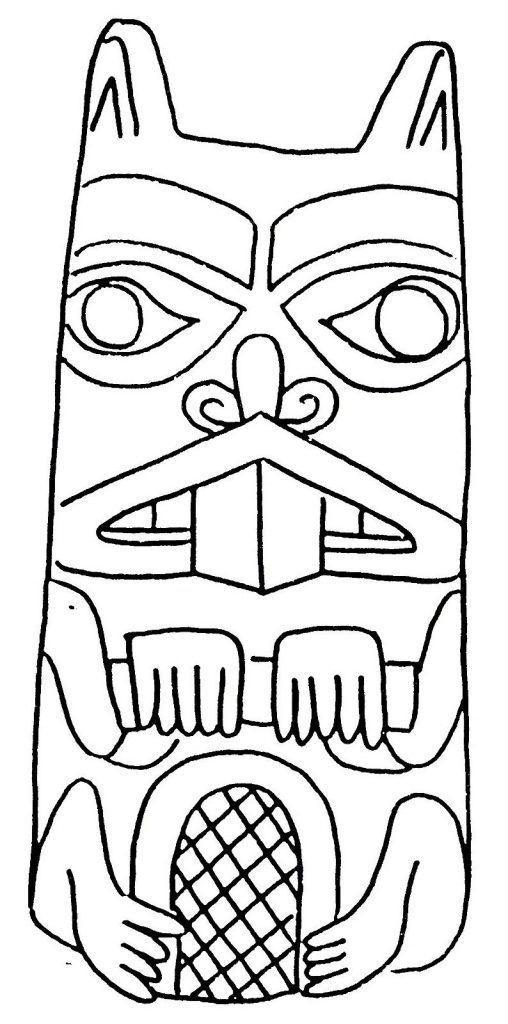
A growing collection of high-resolution coloring sheets — animals, cartoon characters, holidays, and more. Print and enjoy at home or in the classroom.
Explore the CollectionWelcome
Coloring Fun for Every Child
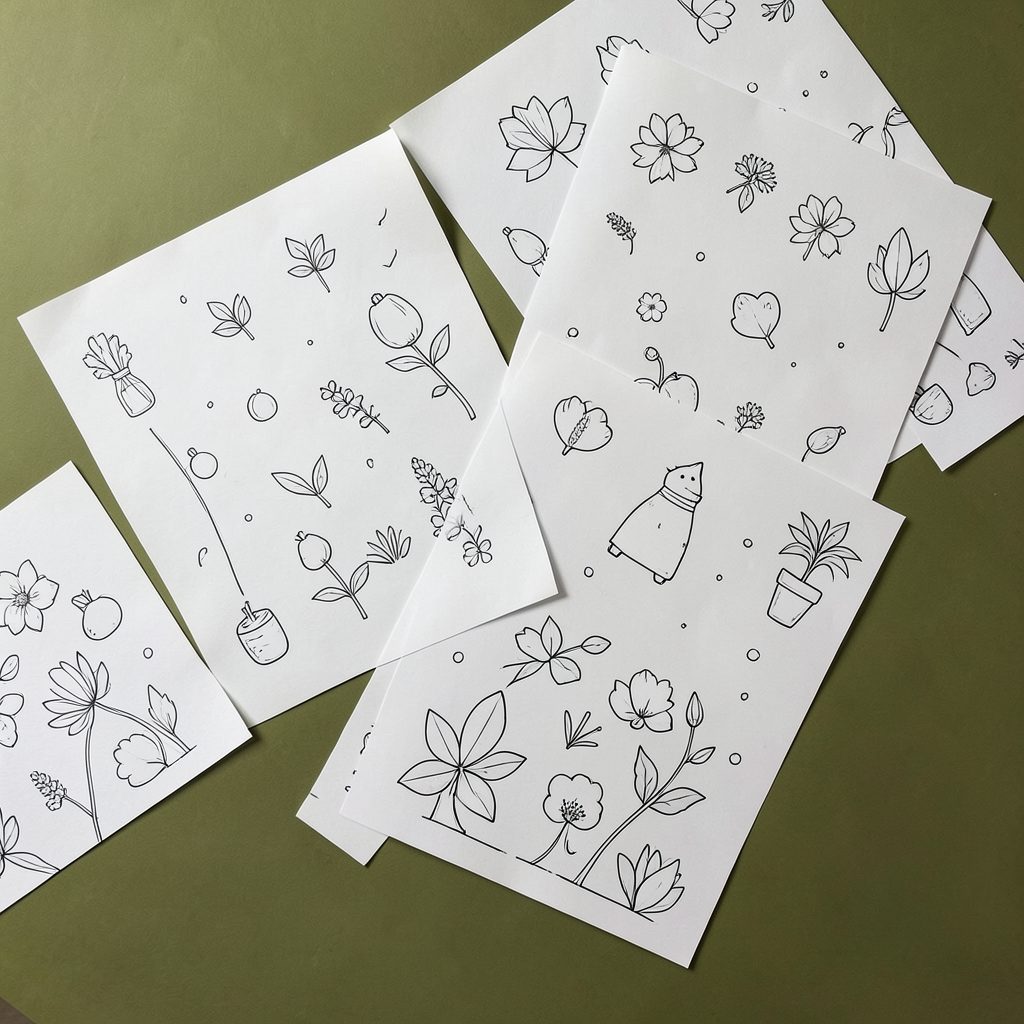
presentcontemporaryart brings together an extensive library of free printable coloring pages. From friendly giraffes and adventure-time characters to seasonal holiday sheets, there is something here to spark every child's creativity. All pages are easy to download and print at high resolution — perfect for rainy afternoons, classroom activities, or quiet time at home.
Animals & Nature
Giraffes, goldfinches, orioles, and woodland creatures — a wide selection of animal coloring pages for young nature lovers.

Cartoon Characters
Adventure Time, Land Before Time, Justin Time, and more beloved characters ready to be brought to life with color.
Holidays & Seasons
Halloween, New Year, and seasonal coloring sheets to celebrate special times throughout the year.
Coloring Pages That Make Brain Science Easier to Explore
Learning about the human brain can feel complicated when children first encounter words such as cerebrum, cerebellum and neurons. Printable brain colouring sheets turn those unfamiliar terms into something visual and hands-on, giving young learners a relaxed way to explore how the body thinks, moves, senses and remembers.
A labelled illustration can introduce the main brain regions, while a simpler cartoon design can help younger children talk about feelings, concentration and the five senses. Colouring also gives children time to look closely at diagrams, repeat new vocabulary and connect scientific ideas with everyday experiences.
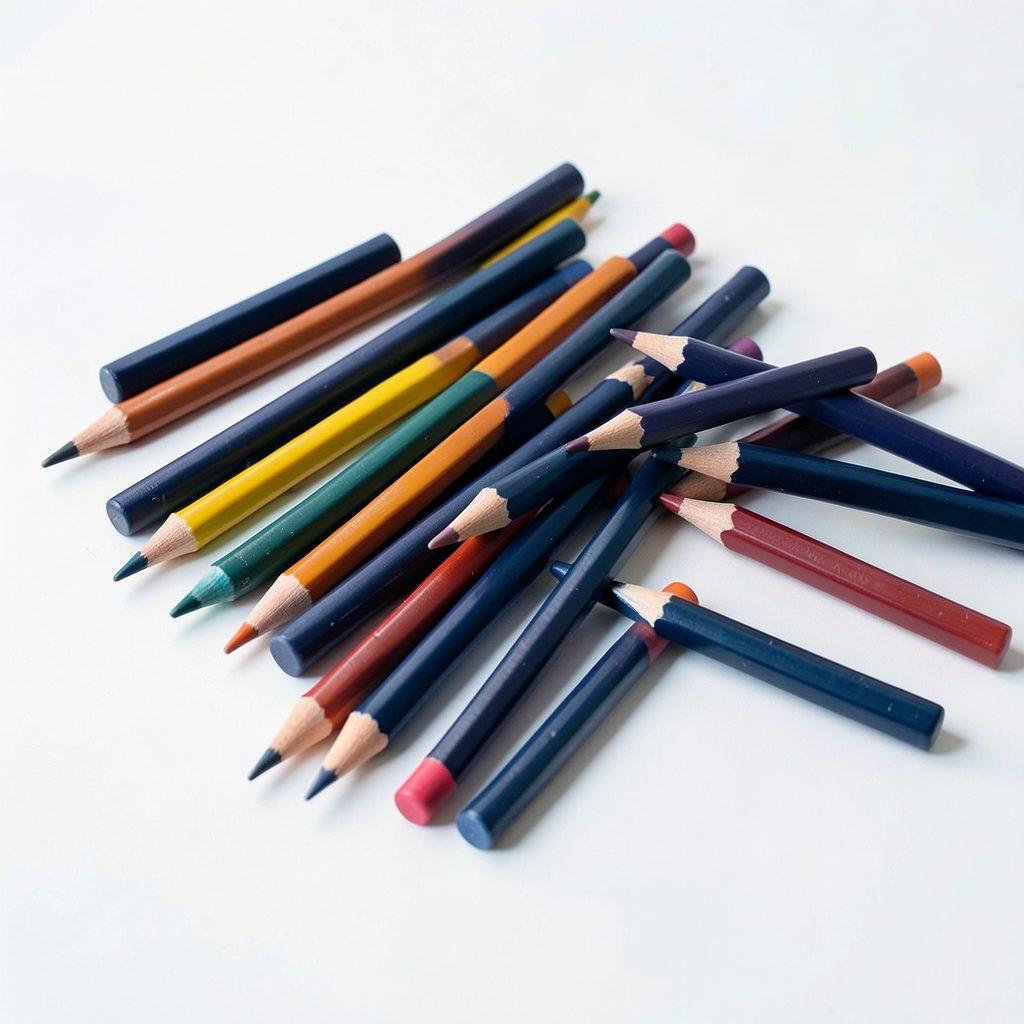
Families, teachers and childcare educators can download free pages from Present Contemporary Art and print them for quiet activities, science lessons or learning stations. The sheets work well with pencils, crayons, markers or watercolour pencils, depending on the child’s age and the paper available.
Why Colouring Helps With Brain Science
Colouring encourages children to focus on small details, follow visual instructions and make choices about patterns and shades. These actions support fine motor control and sustained attention, both of which are useful during science learning. A child who colours the frontal lobe in blue, for example, may remember its name more easily after linking the word to a distinct visual feature.
The activity also creates opportunities for conversation. An adult can ask what the brain might do when a child rides a bike, listens to music or solves a puzzle. These discussions connect a diagram with real experiences rather than treating anatomy as a list of difficult terms.
Exploring The Main Brain Regions
A useful worksheet can show the cerebrum, cerebellum and brainstem in different colours. Children can learn that the cerebrum is involved in thinking, language, memory and voluntary movement, while the cerebellum helps coordinate balance and movement. The brainstem connects the brain with important functions such as breathing and heartbeat.
Older primary students may enjoy a more detailed cross-section with labels for the frontal, parietal, temporal and occipital lobes. The activity does not need to become an advanced medical lesson. A short caption beside each area can explain that different regions contribute to tasks such as planning, touch, hearing and vision.
Turning A Worksheet Into An Activity
Before colouring, invite children to find the title, labels and arrows on the page. They can circle words they already know and underline new vocabulary. After colouring, they might draw a line from each brain part to an everyday action, such as speaking, jumping, smelling a flower or recognising a familiar face.
A second activity can compare the brain with a busy communication network. Children can add small coloured dots for neurons and draw lines to represent signals travelling between them. Explain that real neurons are far more complex than a drawing, while keeping the comparison simple enough for early learners.
Ideas For Different Age Groups
Preschool children can use broad, uncomplicated outlines featuring a smiling brain, eyes, ears and hands. The focus should be on naming body parts and describing senses. Crayons with thick barrels are easier for small hands, and large printable shapes help reduce frustration.
Children in the middle and upper primary years can work with labelled anatomy pages, memory challenges and short written prompts. They might colour a brain diagram, write one fact about each region and create a small legend showing their chosen colours. Secondary students may use the page as a revision tool alongside a biology textbook.
Using Brain Pages In Australian Learning
In an Australian classroom, brain colouring sheets can support Health and Physical Education or Science activities connected with the Australian Curriculum. Teachers may use them during a unit on body systems, personal wellbeing, senses or the ways the brain responds to information.
The pages are practical for classrooms in Sydney, Melbourne, Brisbane or regional towns because they need little equipment beyond a printer and colouring materials. A teacher can print a class set before a busy school term, while families can collect affordable pencils and paper from local shops such as Officeworks. They are also useful during rainy-day indoor sessions or school holiday activities.
Linking The Brain With Everyday Life
Children can colour one page while talking about sleep, exercise, hydration and balanced meals. Explain that these habits support general wellbeing, without suggesting that one food or routine can instantly improve intelligence. An Australian example might involve discussing how the brain helps a child read a surf safety sign, follow cricket rules or remember the route to school.
For a seasonal activity, children could design a “brain care” poster for summer, including drinking water and seeking shade during hot weather. In colder regions such as Tasmania, the same page could accompany an indoor lesson about staying active and maintaining regular sleep during winter. These familiar situations make an abstract subject easier to understand.
Building A Small Brain Vocabulary
A printable word bank can include brain, neuron, signal, memory, senses, movement, balance, cerebrum, cerebellum and brainstem. Children can copy the terms beneath their drawings, match each word to a definition or use three of them in a short sentence. Repetition in different formats helps the vocabulary become familiar.
Teachers can also create a quick review game by covering labels on a completed sheet. Students point to a region and recall its name or function. If an illustration contains an unclear label or a family wants to request a particular educational theme, they can share a page idea with the website team.
Creating A Calm Printable Routine
Set up a small learning area with a printed brain page, coloured pencils, an eraser and a few reference books. Ten or fifteen minutes of quiet colouring can work well before a science discussion, after a lesson or during a library activity. Children can keep finished pages in a science folder to track their growing knowledge.
The best worksheets leave room for curiosity. A child may ask why dreams happen, how memories form or why people have different talents. Those questions can lead to further age-appropriate research, while the coloured page remains a clear visual reminder that the brain is an active, adaptable part of everyday life.
Also Discover
A Legacy in Contemporary Art
Beyond coloring pages, presentcontemporaryart has a history as an association of art collectors and patrons — Associazione di Collezionisti e Mecenati. The organization promoted international exhibitions connecting Chinese, Italian, and international artists, with past events in Shanghai and Berlin.



Ready to Start Coloring?
Browse the full collection of free printable coloring pages — all just a click away.
View All Coloring Pages